
Unlocking Poetry's Hidden Meanings
Discovering Figurative Language and Imagery in Poetry Grade 6 English

What Makes Poetry Special?
Poetry uses special language to paint pictures with words Poets choose words carefully to create feelings and images Every word in a poem has a purpose Poetry can mean different things to different readers

Figurative Language: The Poet's Toolbox
Simile: comparing two things using 'like' or 'as' Metaphor: saying one thing IS another thing Personification: giving human qualities to non-human things Alliteration: repeating the same beginning sound

Spot the Simile!
Read each sentence and identify the simile: 'Her smile was as bright as the sun' 'The clouds looked like fluffy cotton balls' 'He ran like the wind' What two things are being compared in each example?

Poetry in Action
'The fog comes on little cat feet. It sits looking over harbor and city on silent haunches and then moves on.' - Carl Sandburg
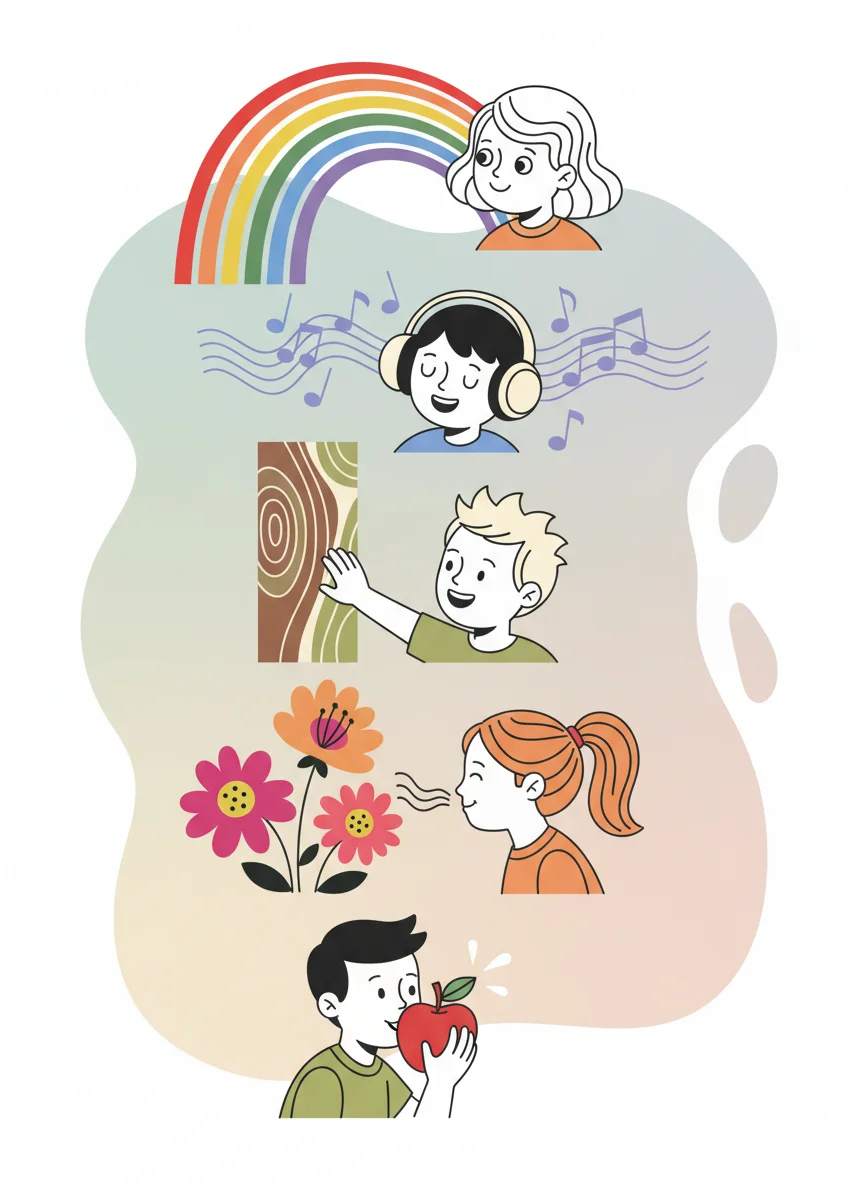
Imagery: Creating Pictures with Words
Imagery appeals to our five senses Sight: colors, shapes, movement Sound: loud, quiet, musical, harsh Touch: rough, smooth, hot, cold Smell and taste: sweet, sour, fresh, stale
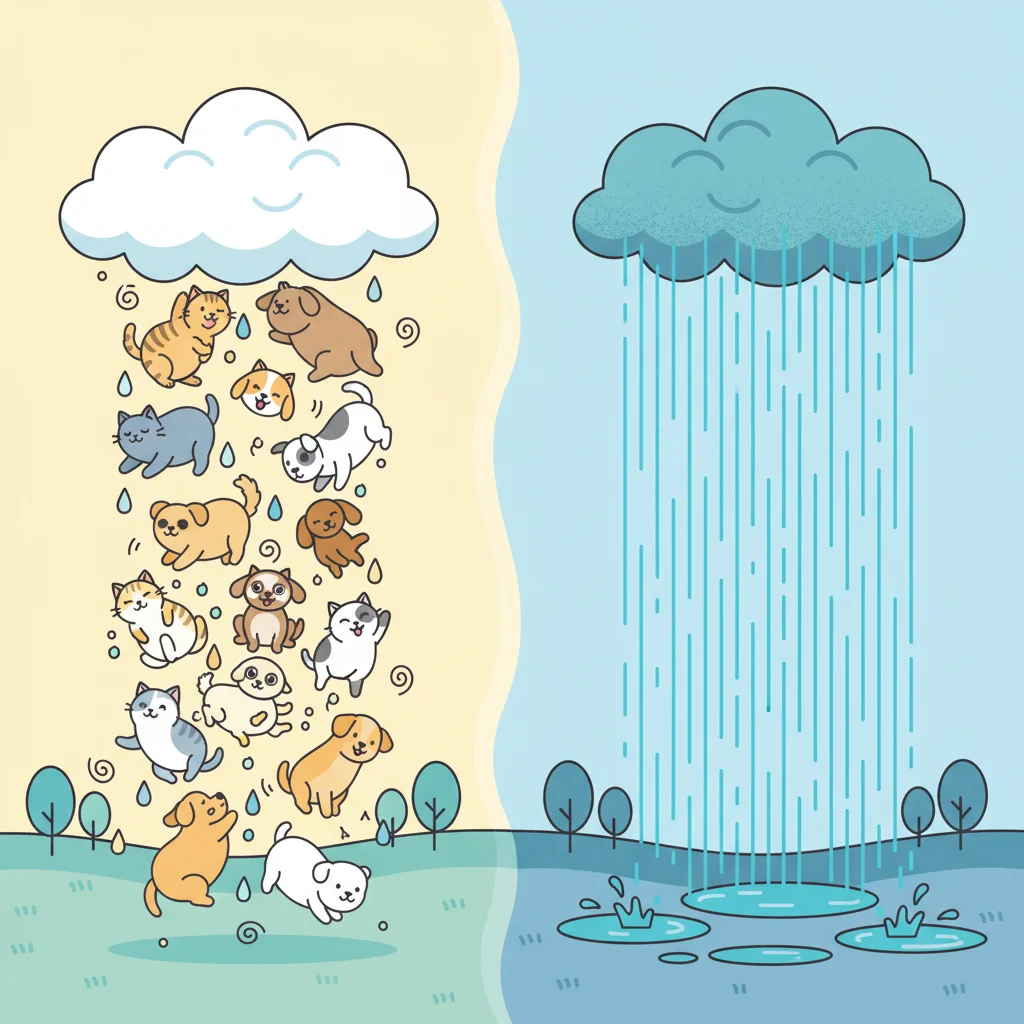
Figurative Language vs. Literal Language
{"left":"It's raining cats and dogs\nIt's raining very hard\nShe has a heart of gold","right":"She is very kind and generous\nTime flies when you're having fun\nTime seems to pass quickly when you're enjoying yourself"}

Poetry Detective Challenge
Read this poem excerpt: 'The wind whispered secrets through the trees, while golden leaves danced like butterflies in the autumn breeze.' Find: 1 personification, 1 simile, and 2 examples of imagery Explain what picture this creates in your mind

Think and Discuss
Why do poets use figurative language instead of just stating facts? How does imagery help you understand and enjoy a poem? Can you think of a time when figurative language helped you understand something better?

Your Poetry Analysis Toolkit
Always ask: What is the poet really trying to say? Look for comparisons (similes and metaphors) Notice words that appeal to your senses Think about the feeling or mood the poem creates Use evidence from the poem to support your ideas