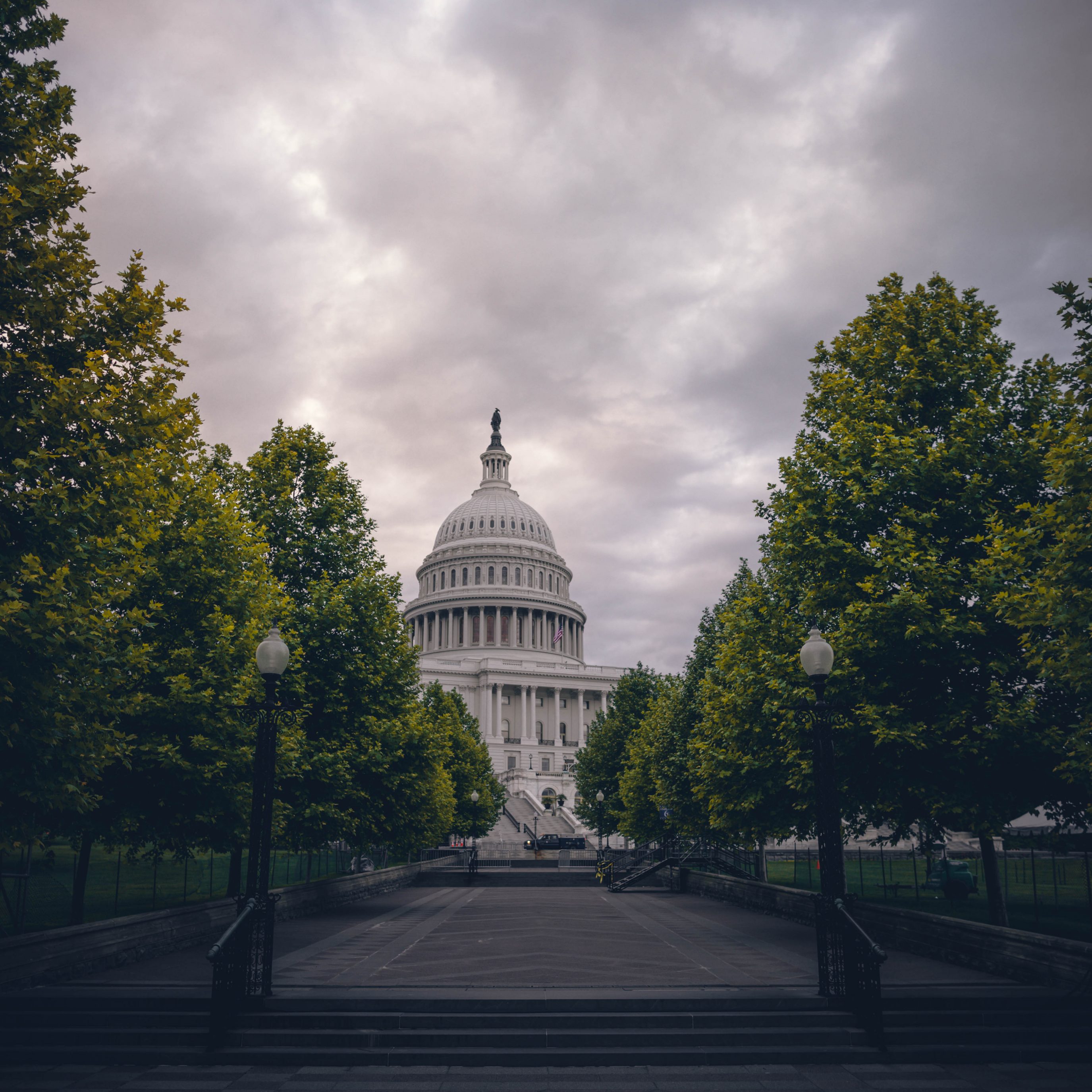
Three Branches of Government
Understanding the Structure of American Democracy Grade 8 Social Studies 60-Minute Lesson
Think About This...
What do you already know about how our government works? Why might it be important to divide government power?
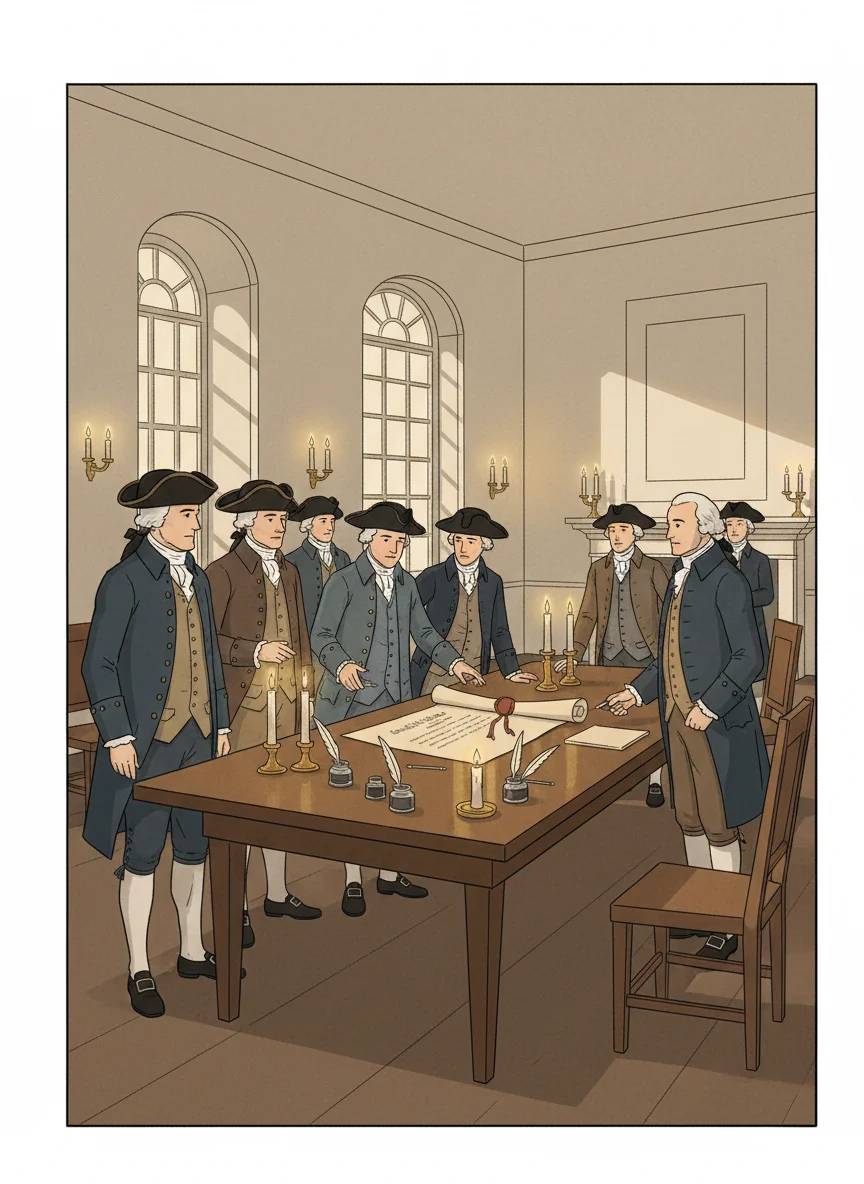
Why Three Branches?
The Founding Fathers wanted to prevent any one person or group from having too much power They created a system called 'separation of powers' Each branch has different responsibilities They work together but also check each other's power

Legislative Branch - The Lawmakers
Made up of Congress: Senate and House of Representatives Main job: Make laws for the country Senate: 2 representatives from each state (100 total) House: Representatives based on state population (435 total) Examples: Laws about education, healthcare, taxes

Executive Branch - The Enforcers
Led by the President of the United States Includes the Vice President and Cabinet Main job: Enforce and carry out the laws President serves as Commander-in-Chief of military Examples: Running federal agencies, signing bills into law, conducting foreign policy

Judicial Branch - The Interpreters
Led by the Supreme Court (9 justices) Includes all federal courts across the country Main job: Interpret laws and decide if they follow the Constitution Justices serve for life (until retirement or death) Examples: Deciding court cases, ruling on constitutional rights

Branch Match-Up Activity
Work in groups of 5 students Sort the cards into the correct branch columns Create a poster showing all three branches One person from each group will present your results
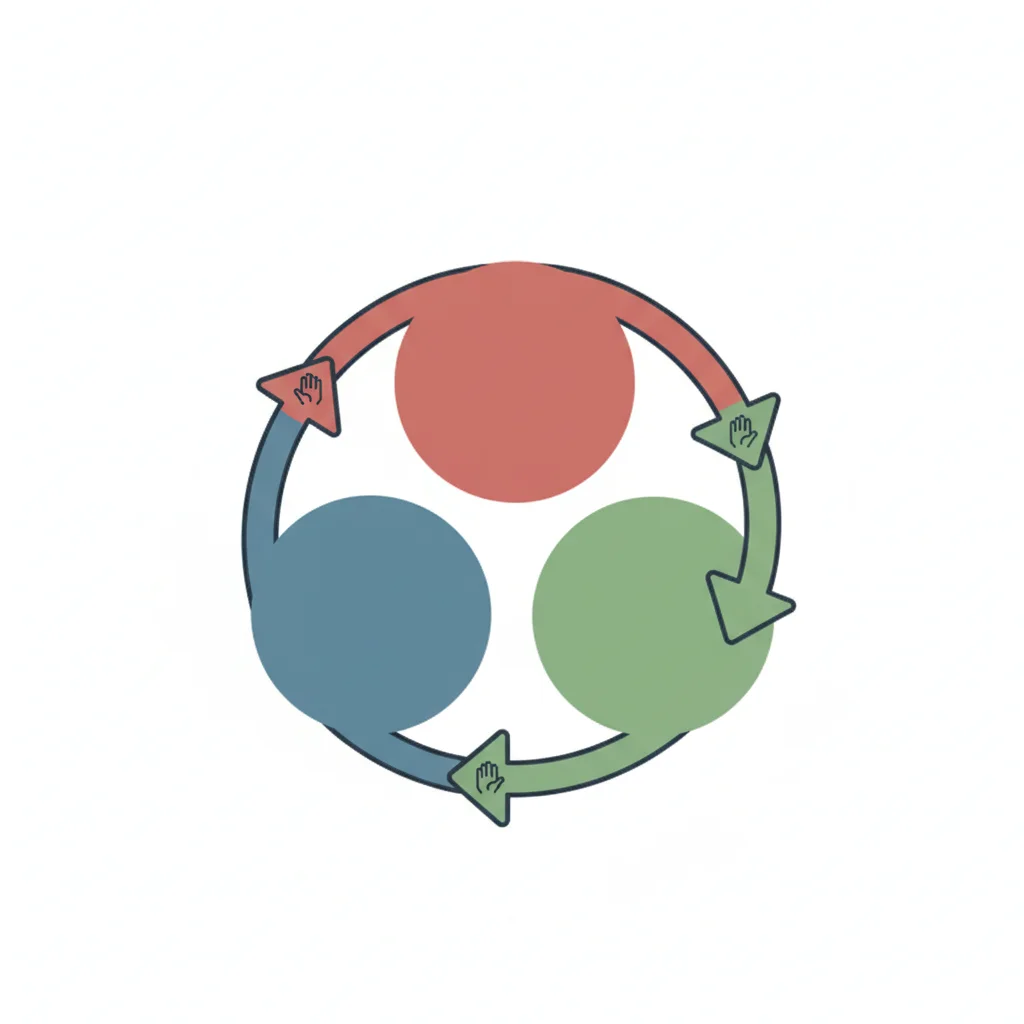
Checks and Balances Preview
{"left":"Legislative can impeach the President\nExecutive can veto laws from Congress\nJudicial can declare laws unconstitutional","right":"President appoints Supreme Court justices\nCongress confirms presidential appointments\nEach branch limits the others' power"}
Quick Check Understanding
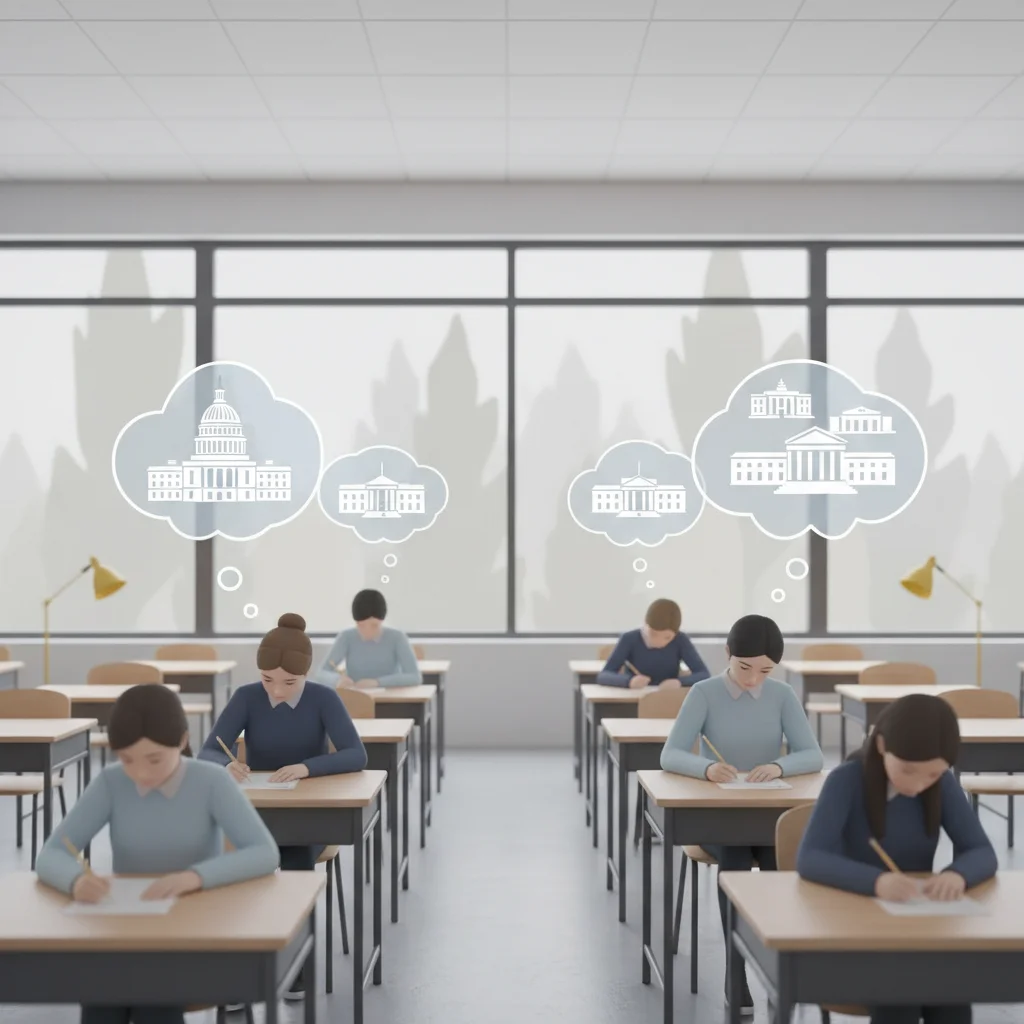
Which branch makes the laws? Which branch enforces the laws? Which branch interprets the laws? Why is it important to have three separate branches?
Think-Pair-Share Reflection
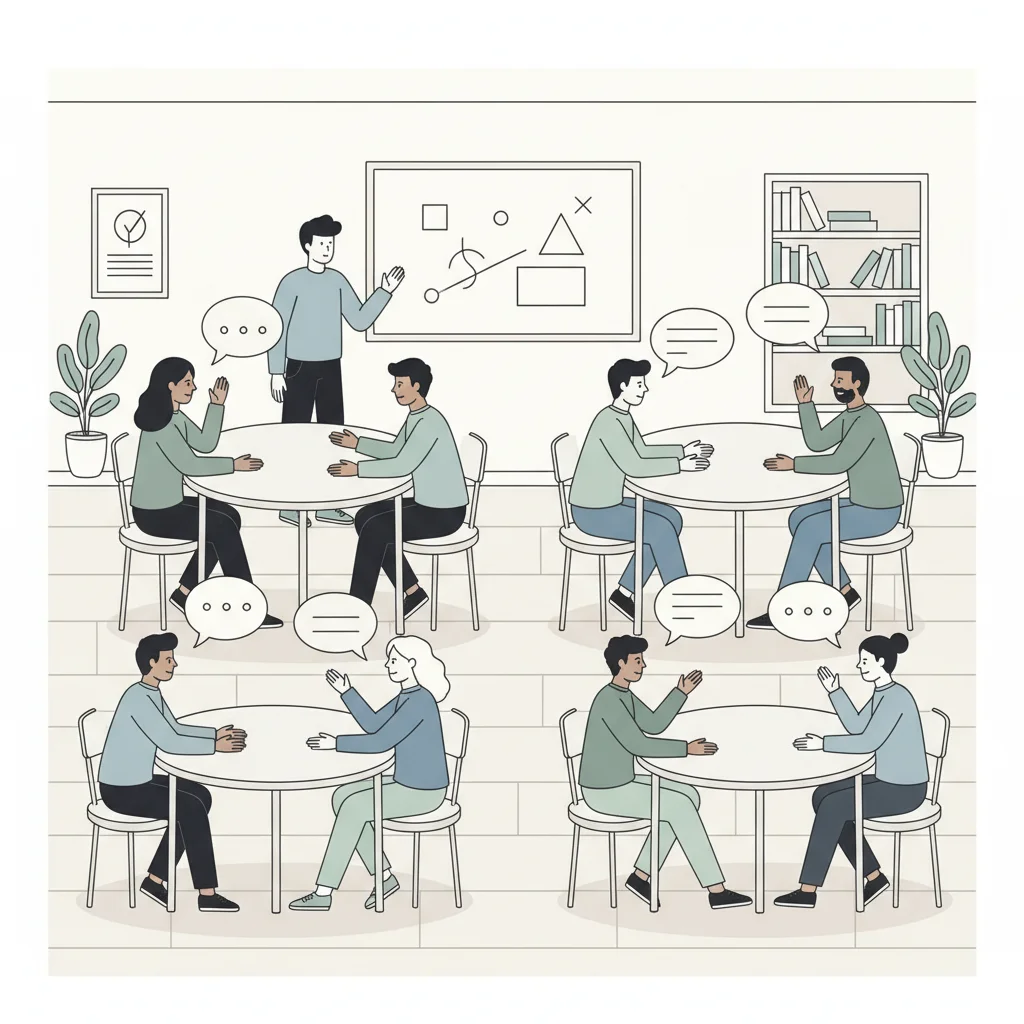
THINK: Write down one new fact you learned about the branches PAIR: Share your fact with a partner SHARE: Volunteers share with the whole class
What's Next?
Next lesson: Checks and Balances Between Branches How each branch limits the others' power Real-world examples of checks and balances in action Exit ticket: Write one branch and its responsibility OR explain why three branches are important
1 more slide available after you open the deck.
Download all 12 slides