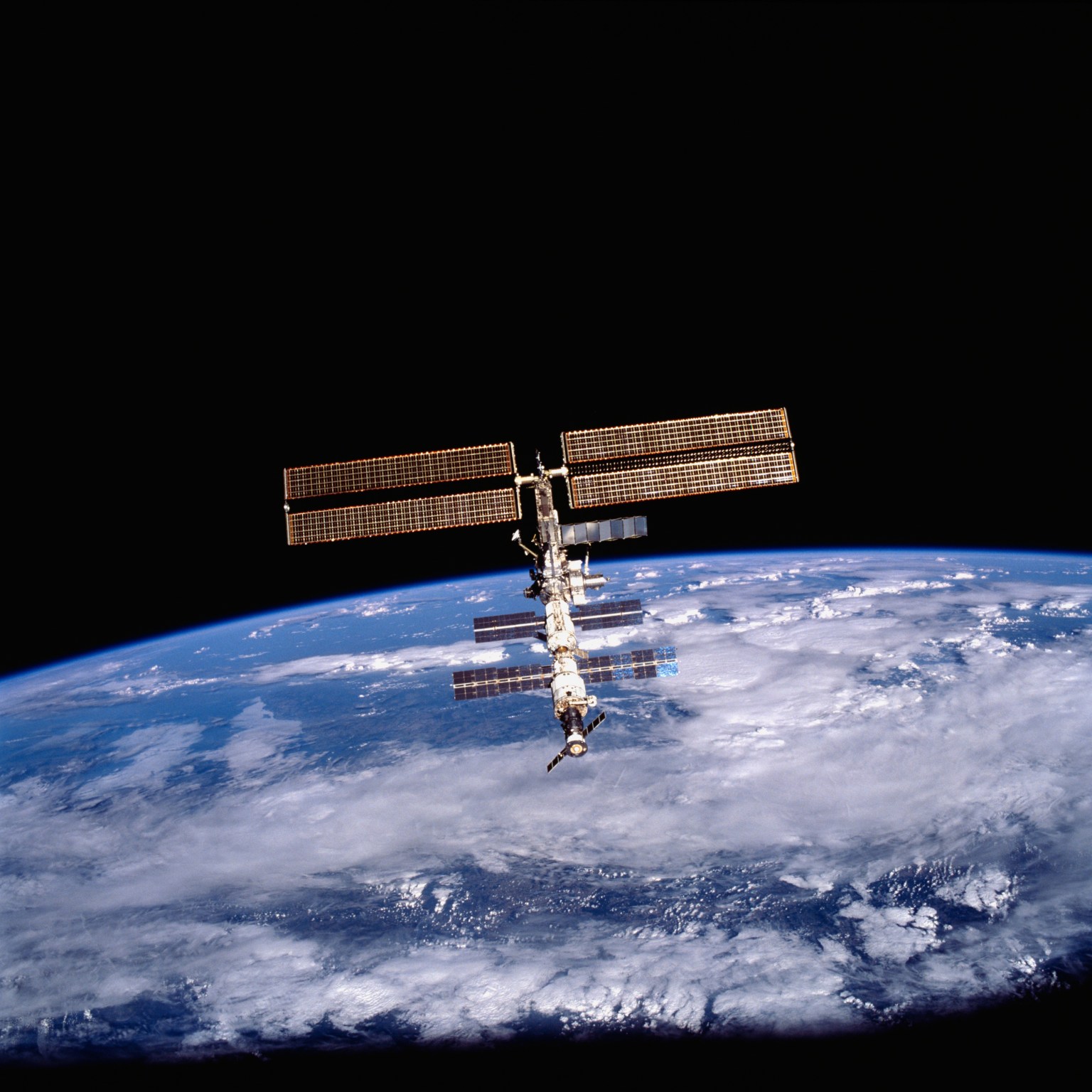
Space Objects in Motion
Exploring Orbital Mechanics How Objects Move in Space Grade 7 Science

Learning Objectives
I can explain what gravity is and how it affects motion in space I can describe different types of orbits around planets and stars I can identify factors that influence orbital speed and direction I can analyze how spacecraft use orbital mechanics to travel through space

Success Criteria
Explain gravity using scientific vocabulary Draw and label different orbital shapes Calculate basic orbital relationships Apply orbital concepts to real space missions
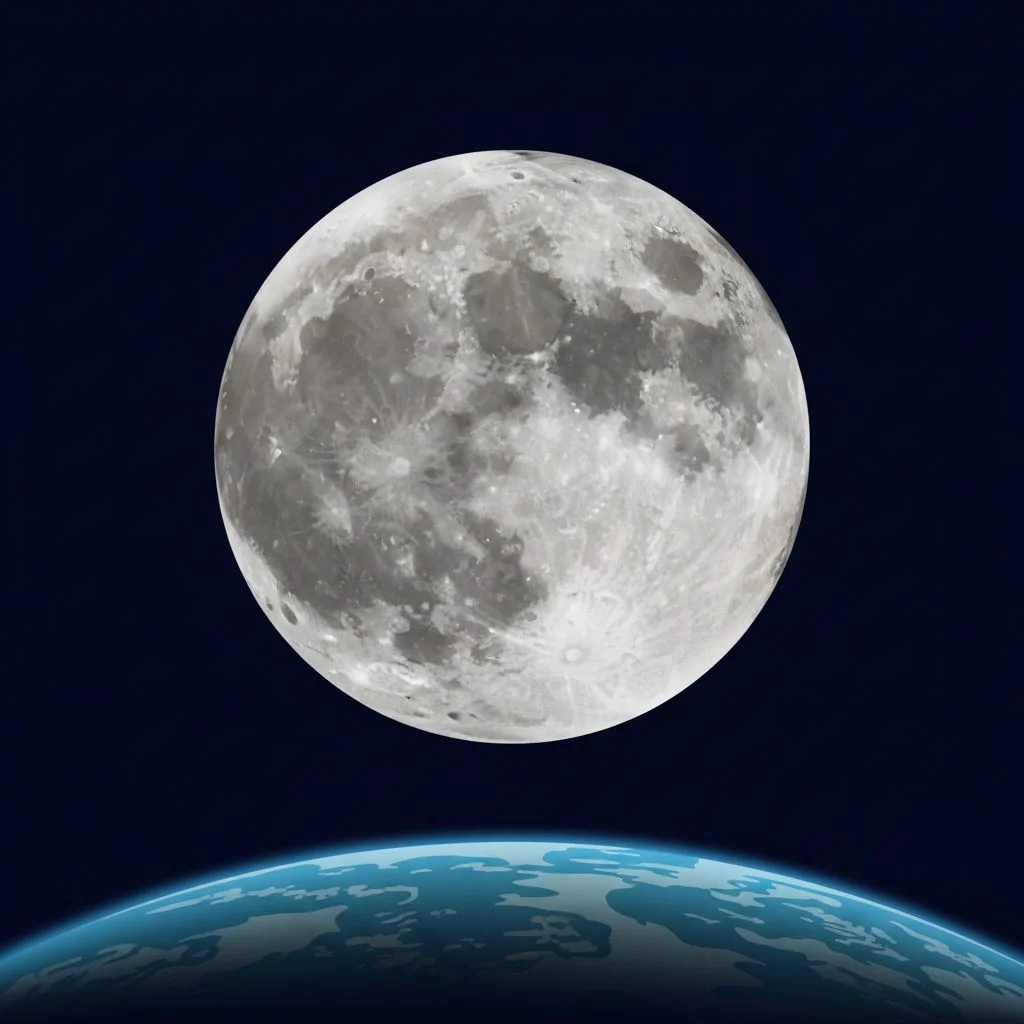
What keeps the Moon from floating away from Earth?
Think about forces you know Consider what you see in the night sky Discuss with a partner
What is Gravity?
A force that pulls objects toward each other Stronger with more massive objects Weaker as objects get farther apart Acts on all objects with mass

Gravity on Earth vs. Space
{"left":"Objects fall straight down\nGravity pulls toward Earth's center\nAir resistance affects motion","right":"Objects appear to 'float'\nGravity still exists in space\nObjects fall continuously around Earth"}

Gravity Investigation
Drop different objects from the same height Observe which falls faster Predict: Will a feather and rock fall at the same rate in a vacuum? Watch the Apollo 15 hammer and feather experiment

What is an Orbit?
The curved path an object takes around another object Caused by gravity pulling the object inward Object moves fast enough to 'miss' the surface Balance between forward motion and gravitational pull
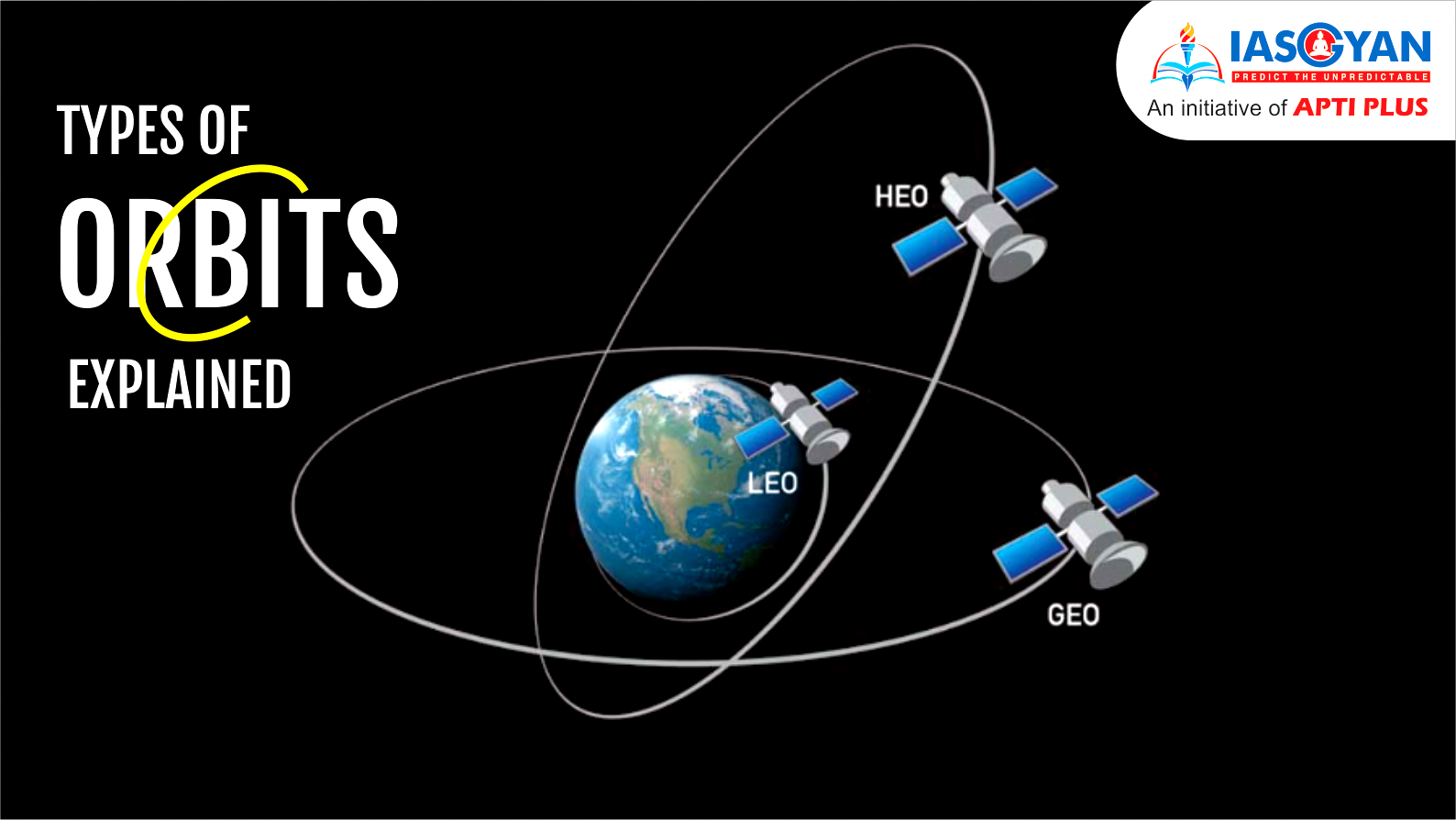
Types of Orbits
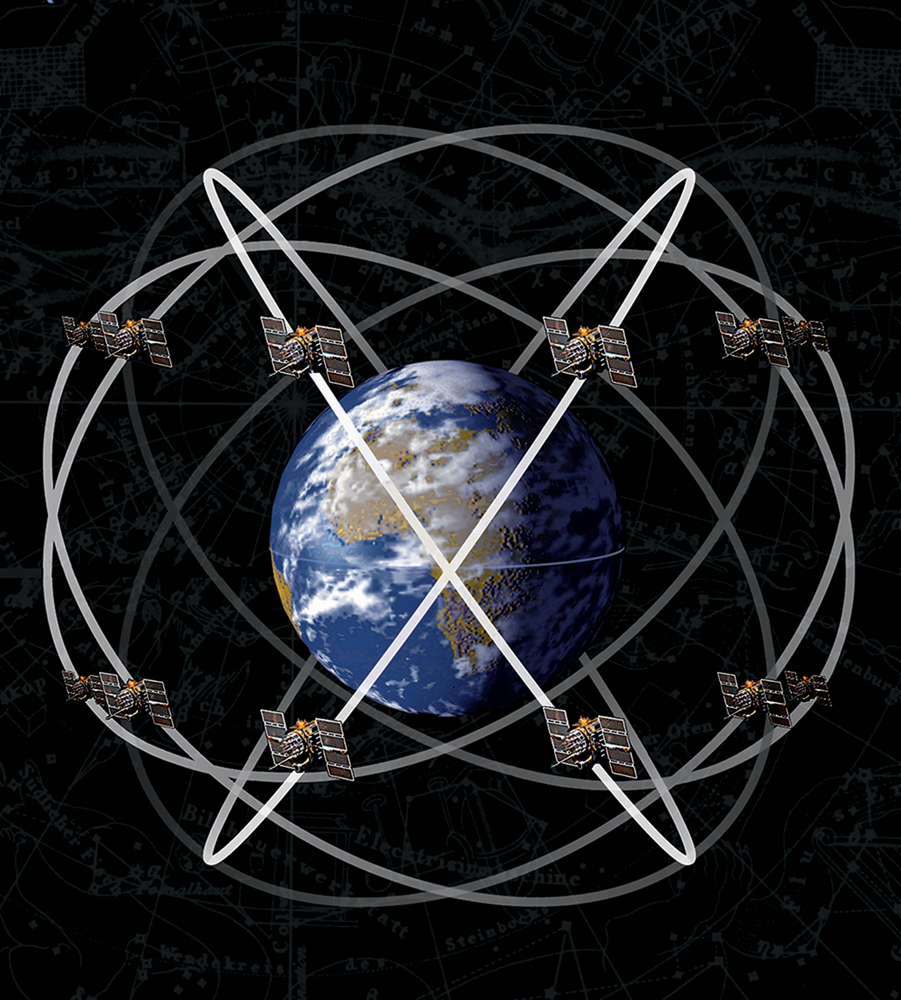
Circular Orbits
Perfect circle around the central object Constant distance from the center Steady orbital speed Example: Some artificial satellites

Elliptical Orbits
Oval-shaped path around the central object Distance varies during the orbit Speed changes - faster when closer, slower when farther Most natural orbits are elliptical
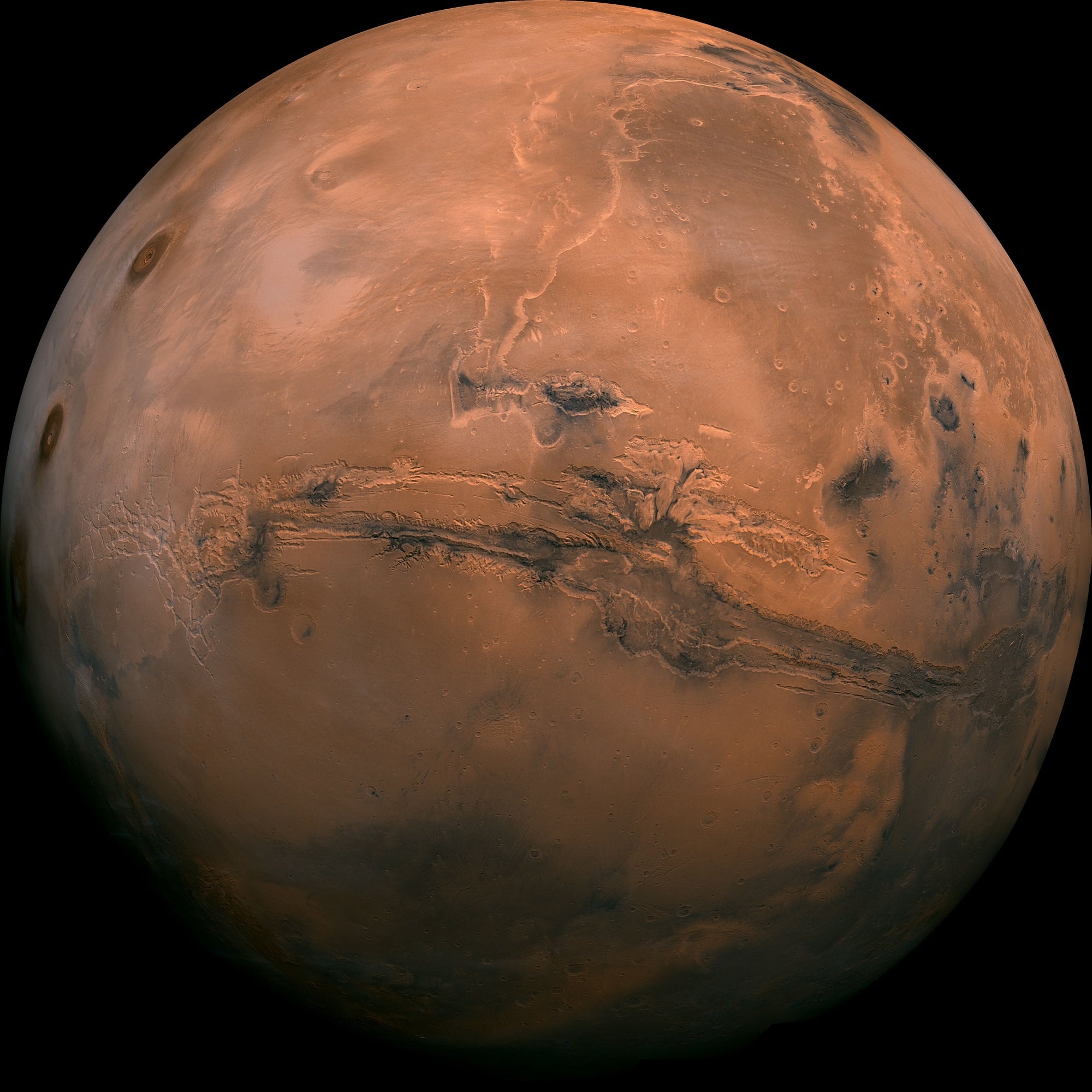
Why do planets move faster when they're closer to the Sun?
Think about gravitational force Consider energy conservation What happens to a ball rolling downhill?
13 more slides available after you open the deck.
Download all 25 slides