
Rock Cycle: Earth's Continuous Transformation
Grade 6 Science Understanding Earth's Dynamic Processes

What Do You Already Know?
What happens to hot lava after it erupts from a volcano? How does rock turn into soil? What happens to sediments carried by rivers after millions of years?
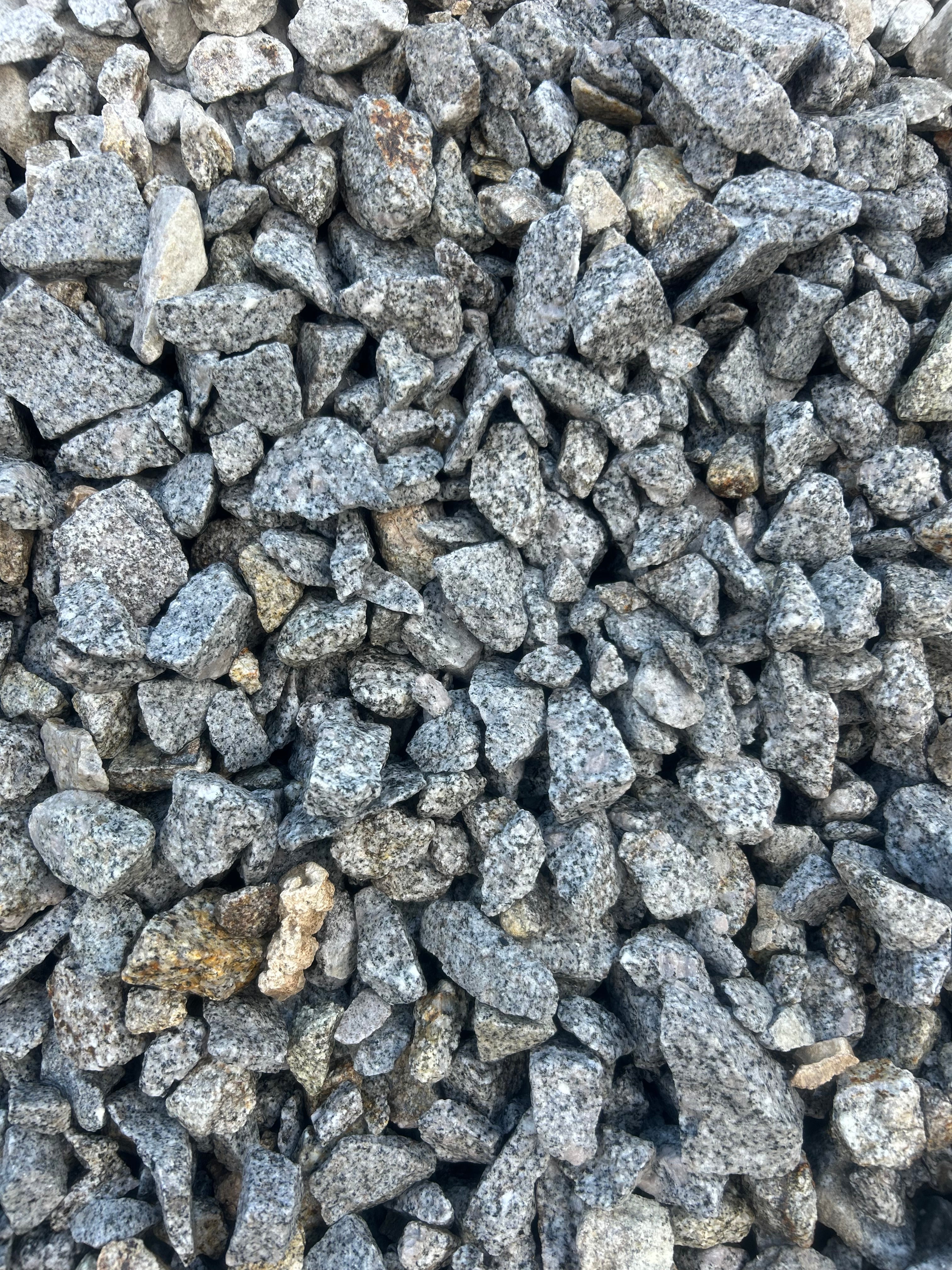
The Three Types of Rocks
Igneous Rocks: Formed from cooled magma or lava Sedimentary Rocks: Formed from compressed sediments Metamorphic Rocks: Formed from heat and pressure
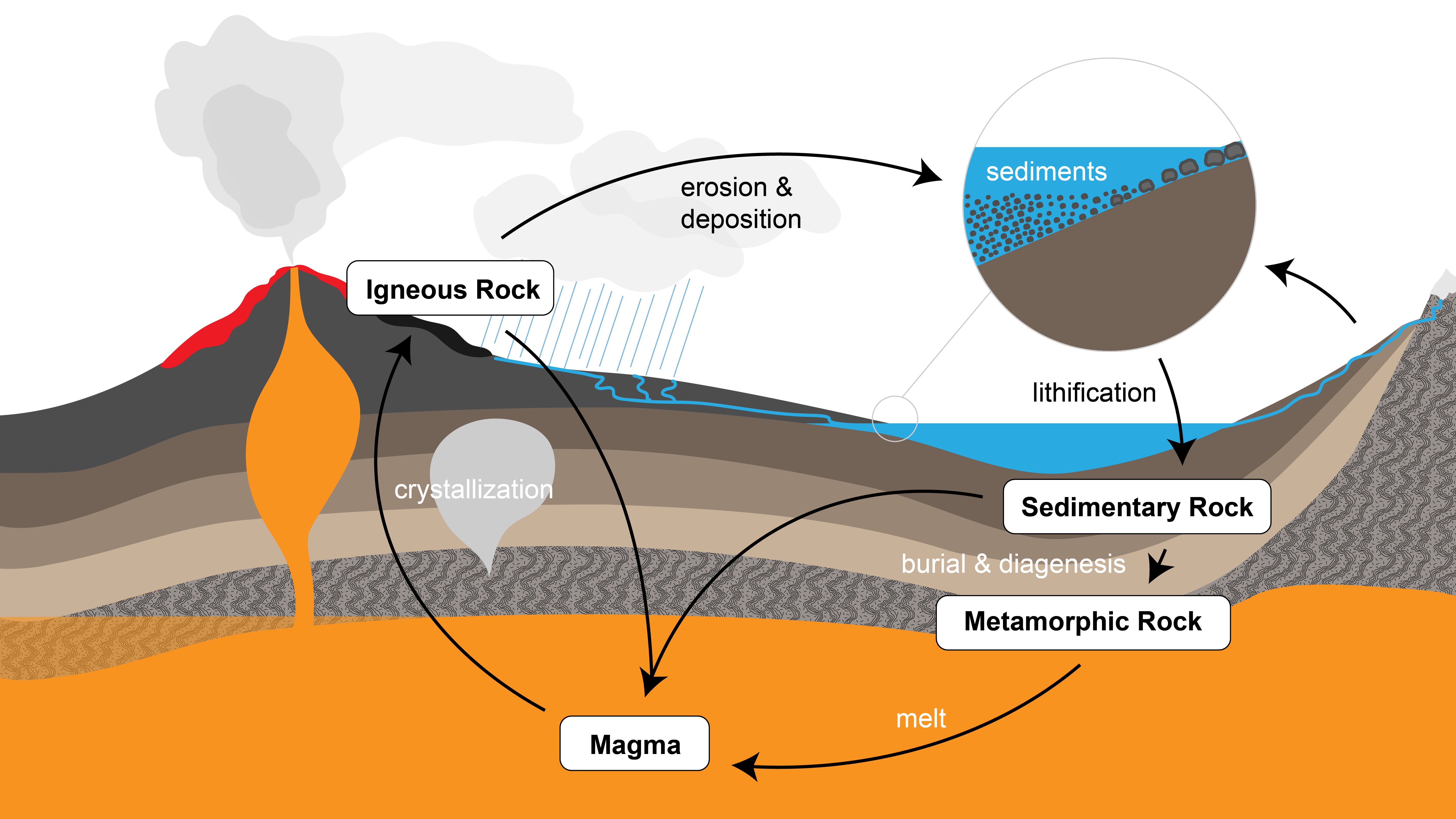
The Rock Cycle Diagram
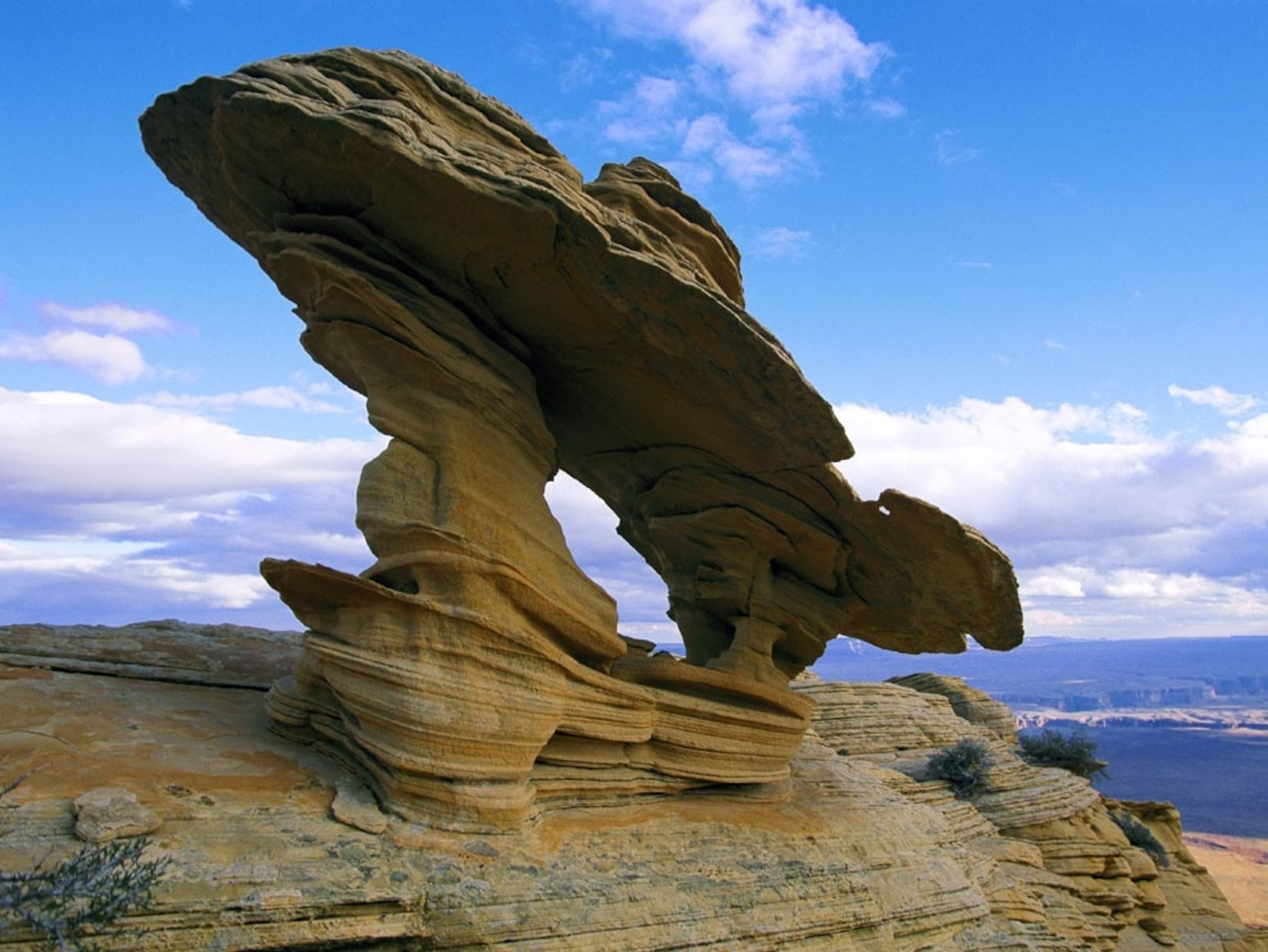
Key Geological Processes
Weathering: Breaking down rocks into smaller pieces Erosion: Moving sediments by wind, water, or ice Lithification: Compacting sediments into solid rock Melting: Turning rock into liquid magma Crystallization: Cooling magma forms crystals
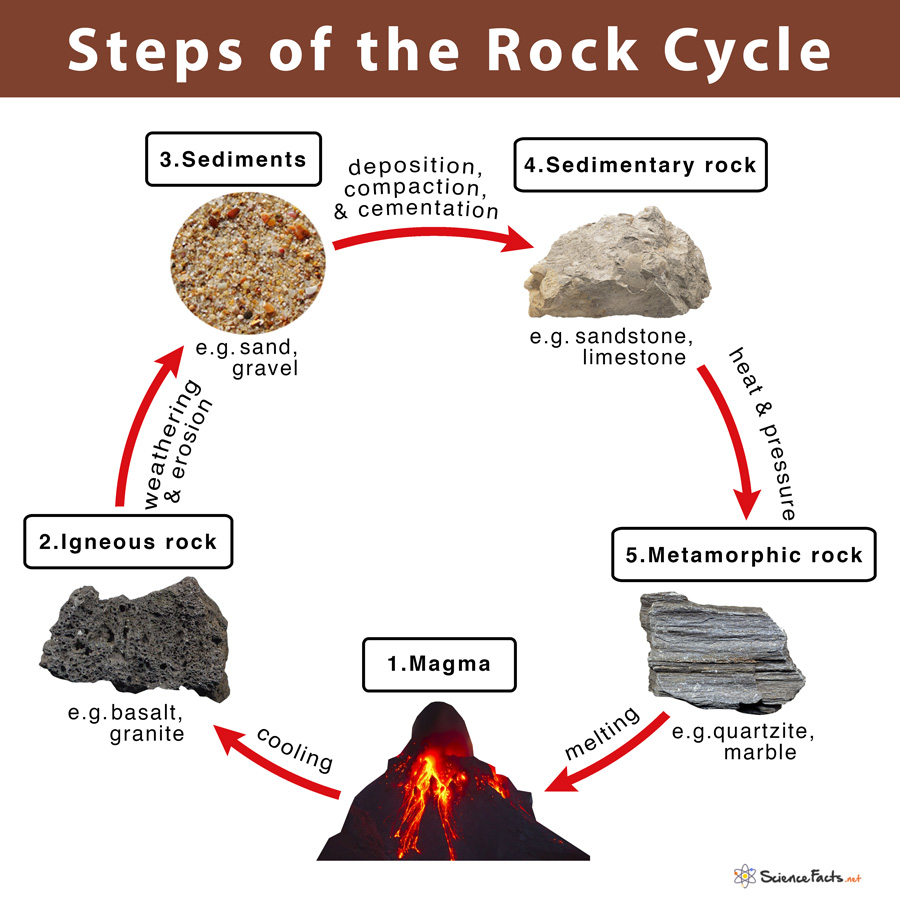
Rock Cycle Pathways
Work with a partner to trace different paths through the rock cycle Start with magma and list each step until you return to magma Try starting with sediment - what pathway can you create? Remember: rocks can skip steps or take different routes!

Rock Cycle in Action
{"left":"Volcanoes create igneous rocks from magma\nRivers carry sediments to form new layers\nMountain building creates metamorphic rocks","right":"Weathering breaks down all rock types\nHeat from Earth's interior melts rocks\nPressure from burial changes rock structure"}

Remember This Key Concept
The rock cycle is Earth's way of recycling materials. Rocks are constantly changing from one type to another through natural processes that have been happening for billions of years.