Political Issues: Research and Debate
Developing Critical Thinking Skills Understanding Current Political Issues Engaging in Civil Discourse Grade 11 Social Studies
Learning Objectives
I can research credible sources to gather information on a political issue I can articulate and support a position using clear reasoning and evidence I can engage respectfully with opposing viewpoints during structured debate I can analyze the impact of political issues on my community and country
Warm-Up Question
What political issue concerns you most and why? Think about issues affecting your community, state, or nation Consider both local and national perspectives
Key Vocabulary for Political Discourse
Evidence: Facts, statistics, or expert opinions that support a claim Counterargument: An opposing viewpoint or argument against your position Civil Discourse: Respectful discussion of differing opinions Primary Source: Original documents or firsthand accounts Secondary Source: Analysis or interpretation of primary sources
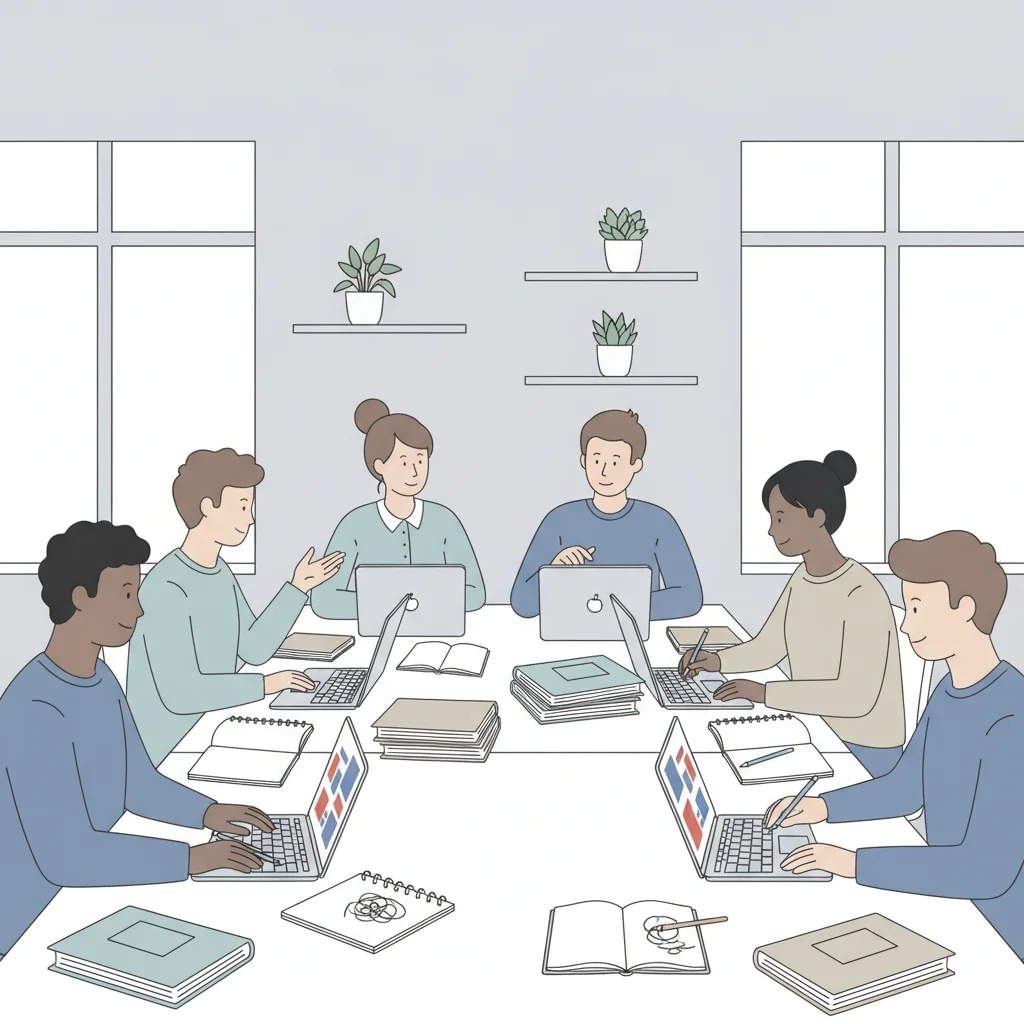
Research and Topic Selection
Select or draw a political issue topic Research both supporting and opposing viewpoints Use credible sources (news outlets, government sites, academic sources) Complete the Debate Preparation Organizer Find evidence for your assigned position
Debate Preparation Structure
{"left":"Opening Statement (2 minutes)\nPresent your main claim\nProvide two supporting reasons with evidence\nUse clear, organized presentation\nRebuttal (1.5 minutes)\nAddress opponent's arguments\nDefend your position with additional evidence","right":"Cross-examination (2 minutes)\nAsk clarifying questions\nChallenge opponent's evidence\nClosing Statement (1 minute)\nSummarize your strongest points\nReinforce your position"}
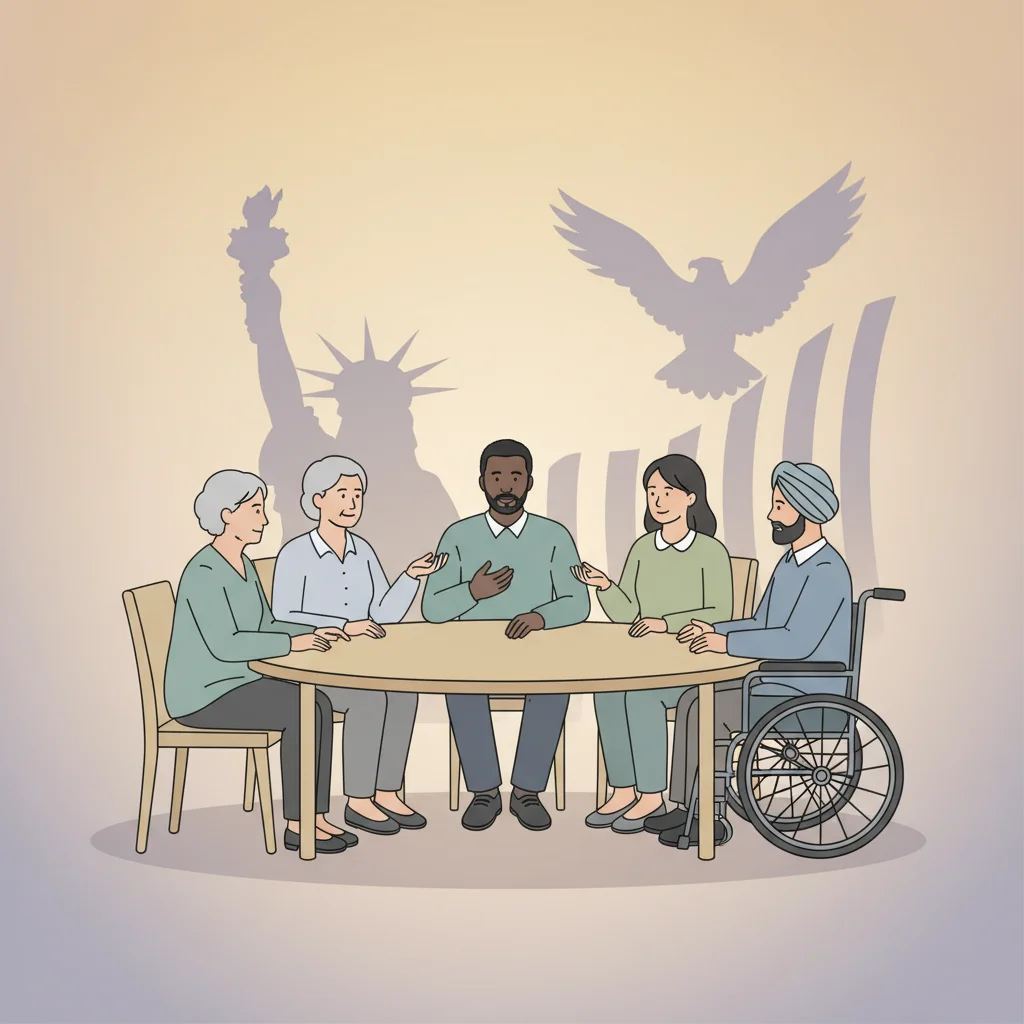
The Foundation of Democracy
Democracy depends upon the ability of people to discuss their differences in a civil manner and to find common ground. - Adapted from democratic principles
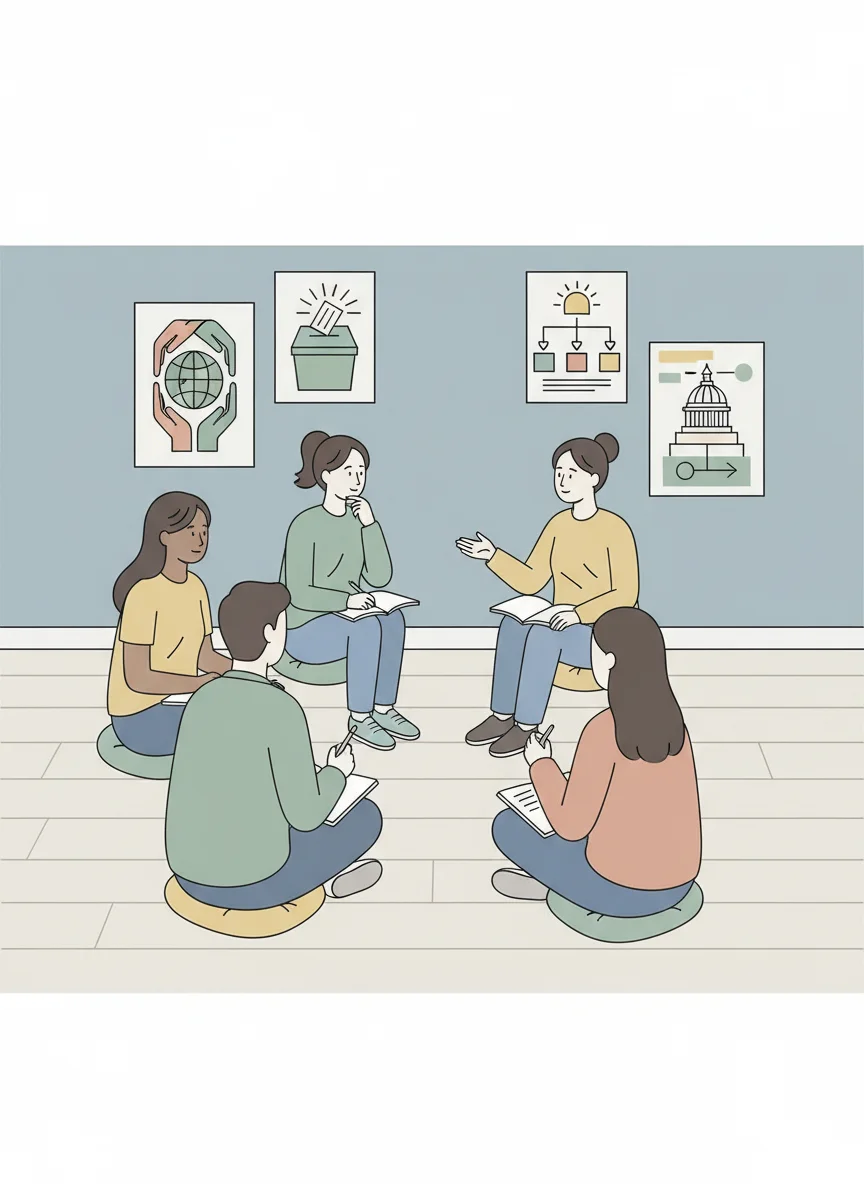
Reflection and Next Steps
What was challenging about debating a position you might not personally hold? How did listening to opposing views change your understanding? What role does understanding different perspectives play in civic responsibility? How can these skills help you as an informed citizen? Complete your self-assessment checklist