
Pay-Yourself-First: Smart Money Habits
Building Financial Security Through Smart Budgeting Grade 9 Business Education

What is Pay-Yourself-First?
Save money BEFORE spending on anything else Treat savings like a required bill you must pay Typically save 10-20% of income first Prevents overspending and builds financial security Creates automatic wealth-building habits
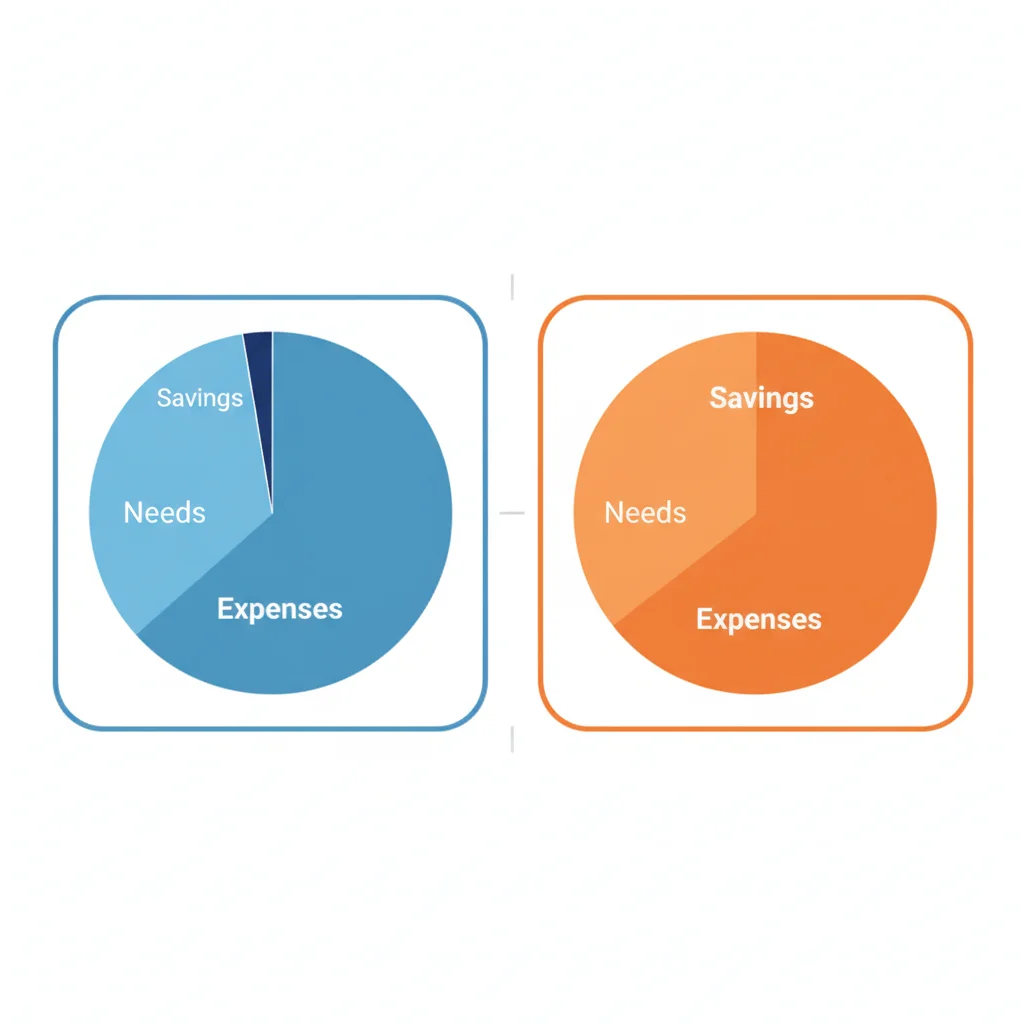
Budget Comparison: With vs Without Pay-Yourself-First
{"left":"WITHOUT Pay-Yourself-First: Income $1000, Food $300, Entertainment $200, Transportation $150, Clothes $100, Phone $50, Leftover for savings $200","right":"WITH Pay-Yourself-First: Income $1000, Savings FIRST $200, Food $250, Entertainment $150, Transportation $150, Clothes $100, Phone $50, Emergency fund $100"}
Practice Activity: Create Your PYF Budget
Scenario: You earn $800/month from a part-time job Step 1: Calculate 15% for savings first Step 2: List your monthly expenses Step 3: Allocate remaining $680 across categories Categories: Food, Transportation, Entertainment, Phone, Clothes, Emergency Fund

Assessment: Why Pay-Yourself-First Works
Exit Ticket: List 3 benefits of the Pay-Yourself-First strategy How would you apply PYF to your current or future income? What obstacles might prevent teens from saving, and how can PYF help overcome them?