
Nile River Valley: Shaping Ancient Egypt
A Journey Through Geography and Civilization Grade 6 Social Studies

Why Rivers Matter for Early Civilizations
Rivers provide fresh water for drinking and farming Rich soil from flooding creates fertile farmland Transportation routes for trade and travel Natural protection from enemies Resources like fish, clay, and reeds

Geography of the Nile River Valley

The Gift of the Nile: Annual Flooding
Every summer, the Nile River flooded its banks Flooding brought rich, black soil called silt Farmers planted crops in the fertile mud Three seasons: Flooding, Growing, and Harvesting Without the flood, Egypt would be desert

Early Settlements and Innovations
{"left":"Small farming villages grew along the riverbanks\nPeople built irrigation canals and dikes\nVillages specialized in different crafts and trades","right":"Population grew as food became more reliable\nCommunities developed written records and laws\nInvented tools like the shaduf for lifting water"}
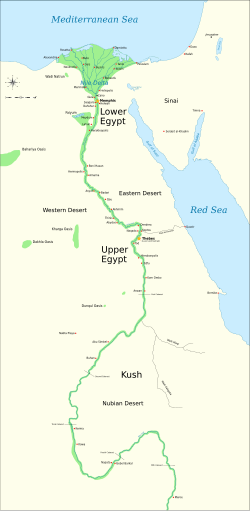
Political Development: Unifying Egypt
Upper Egypt and Lower Egypt were separate kingdoms Around 3100 BCE, they were united under one ruler This created the world's first large nation-state Unity brought peace, trade, and shared culture Strong central government could organize large projects

Key Figure: Narmer (Menes)
First pharaoh to unite Upper and Lower Egypt Ruled around 3100 BCE Founded the first Egyptian dynasty Created the capital city of Memphis His reign began over 3,000 years of pharaoh rule

Reading Comprehension Strategies
Preview the text and look for key terms Identify main ideas in each paragraph Ask questions while reading: Who? What? When? Where? Why? Look for cause and effect relationships Summarize what you learned in your own words

Discussion and Comprehension Questions
How did the Nile's geography influence where people settled? What were the advantages and challenges of living by the Nile? Why was unifying Upper and Lower Egypt important? How did the annual flooding cycle shape Egyptian culture? What evidence do we have about early Egyptian civilization?

How Geography Shaped Civilization
The Nile River provided water, fertile soil, and transportation Predictable flooding allowed planned agriculture and population growth Geographic protection from deserts enabled peaceful development River unity made political unification natural and beneficial Egypt's geographic advantages lasted for over 3,000 years