Multiple Perspectives Shape Historical Understanding
Exploring Different Viewpoints in History Understanding How Background Influences Perspective Analyzing Primary and Secondary Sources
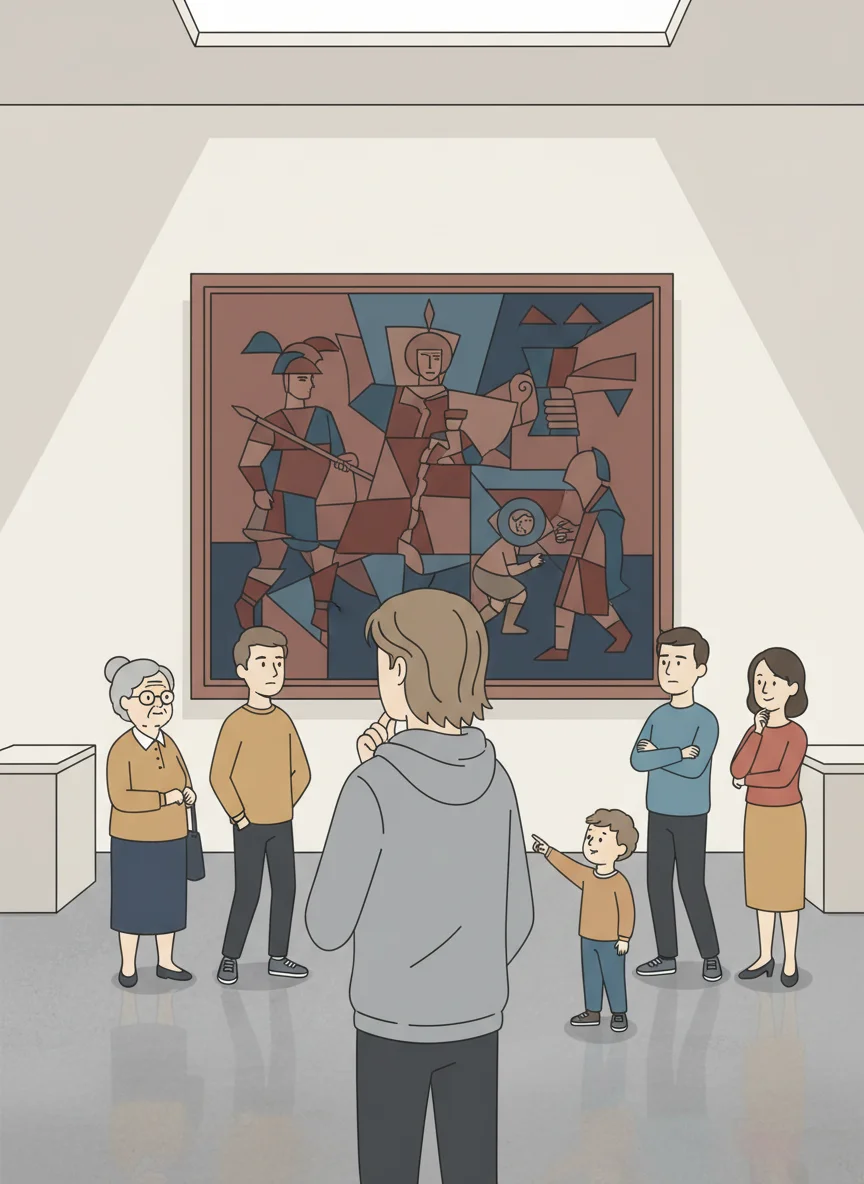
Why Do Perspectives Differ?
Personal experiences shape how we see events Cultural background influences our viewpoints Access to different information sources Time period when the account was written Purpose of the person telling the story
Think About It
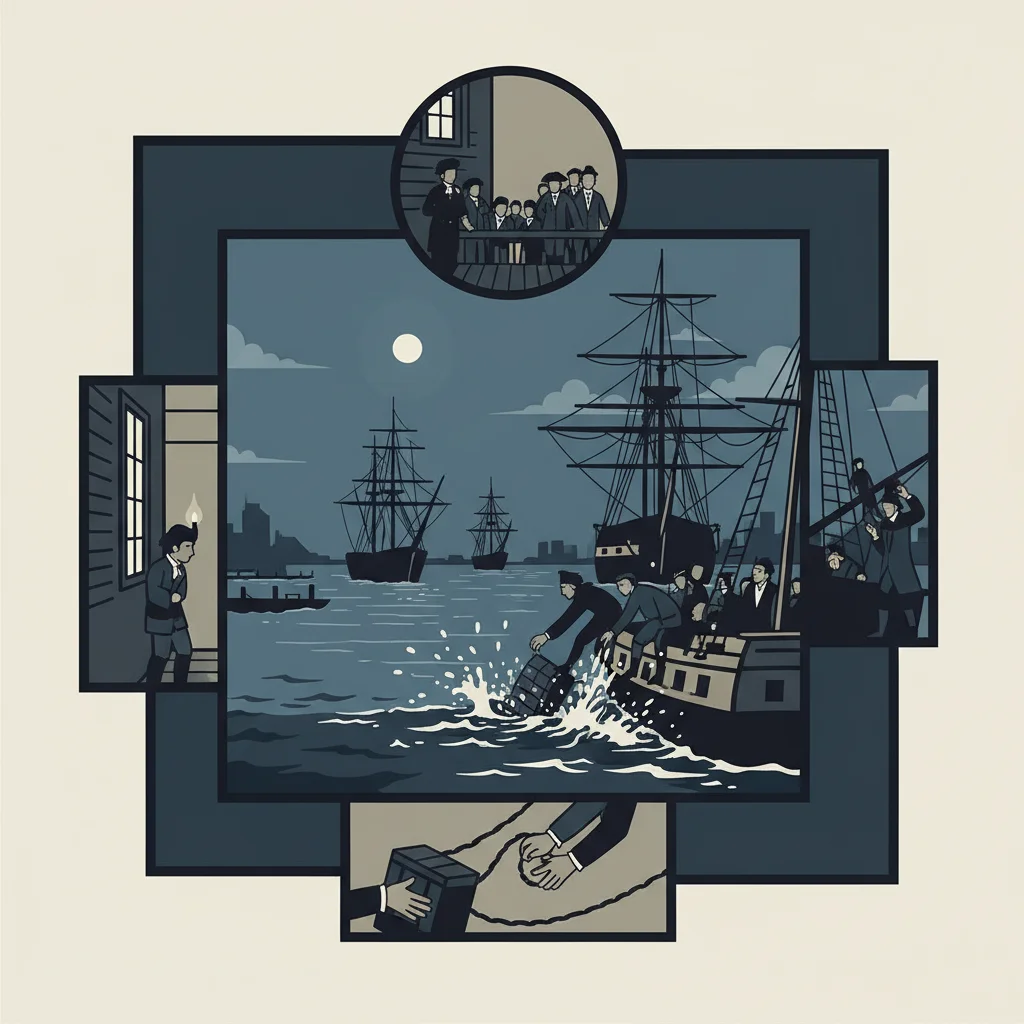
Imagine you witnessed the Boston Tea Party in 1773. How might your account differ if you were: • A British tax collector • A colonial merchant • A Native American observer • A ship captain
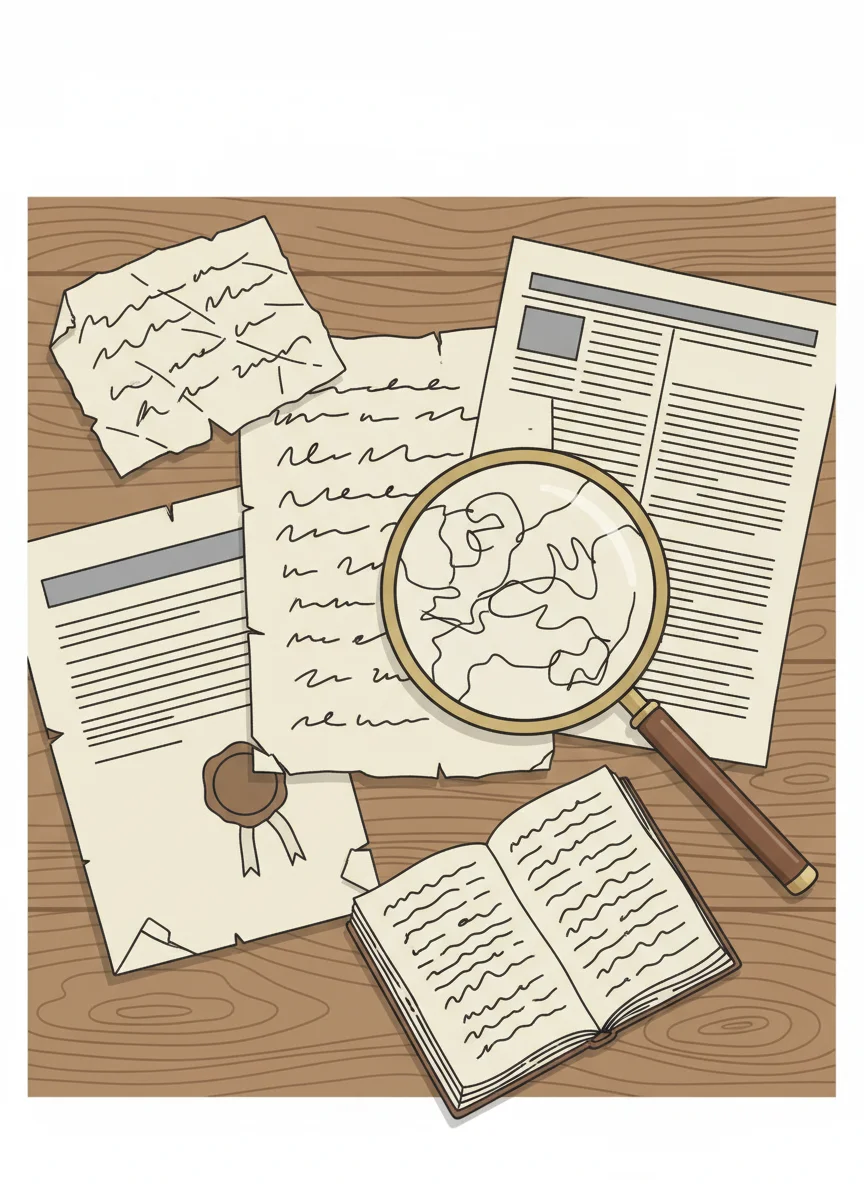
Identifying Perspective in Sources
Exploring Different Viewpoints in History Understanding How Background Influences Perspective Analyzing Primary and Secondary Sources

Group Investigation: Multiple Perspectives
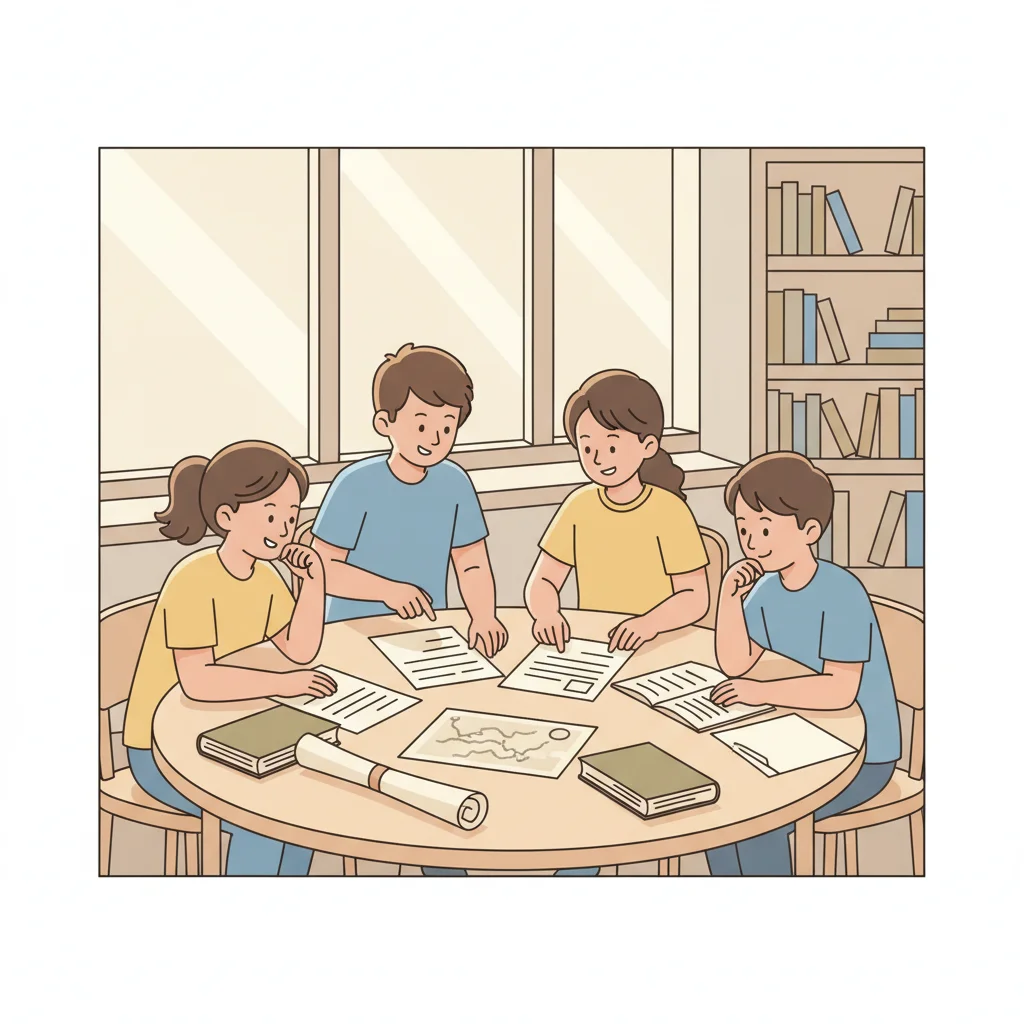
Work in groups of 3 students Each group receives different source excerpts Fill out the Multiple Perspectives Chart Identify the author's viewpoint and potential bias Note what facts are emphasized or omitted Prepare to share findings with the class

Gallery Walk: Comparing Viewpoints
Post your group's chart on the wall Walk silently around the room Add sticky notes with observations Look for patterns and differences Notice how the same event is described differently Prepare questions for class discussion
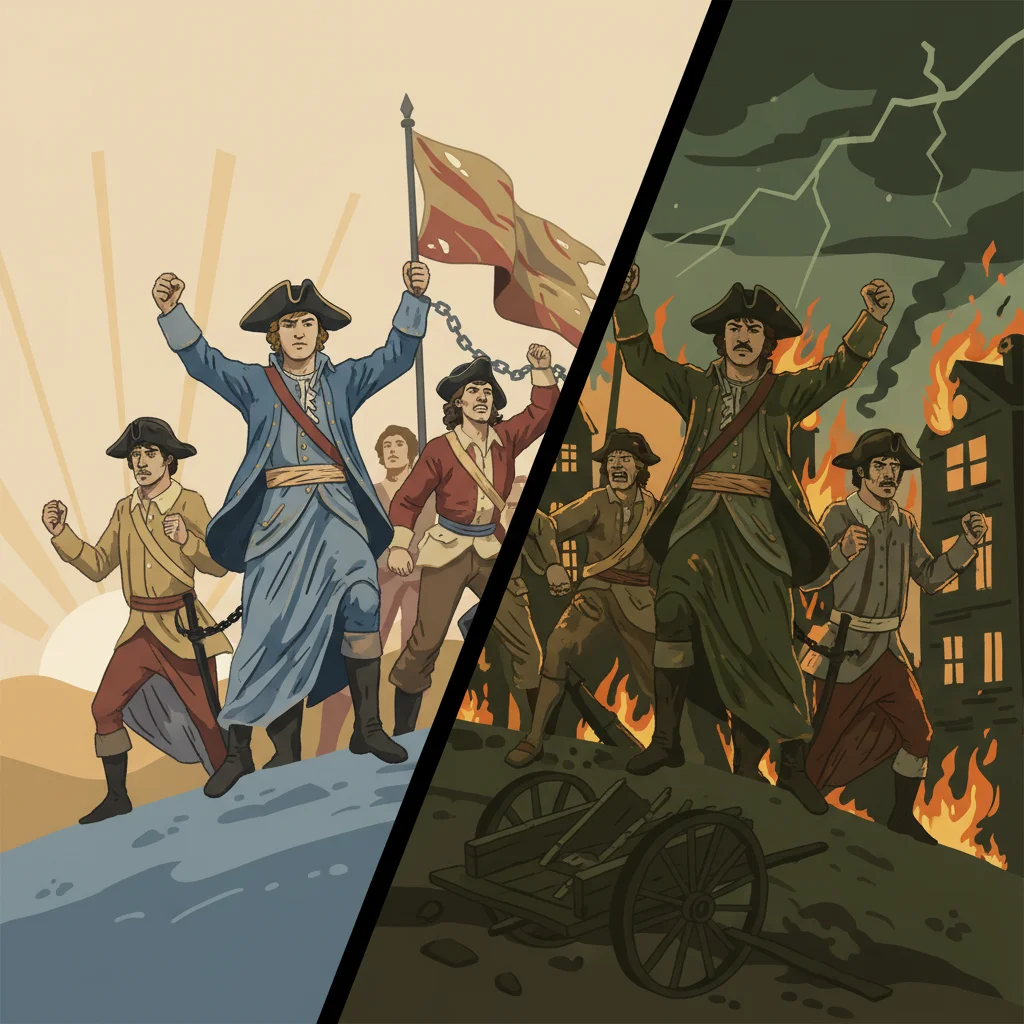
How Perspectives Shape Historical Understanding
{"left":"Single perspective can create incomplete picture\nMultiple perspectives reveal complexity\nBias influences what facts are emphasized\nBackground affects interpretation","right":"Purpose shapes how story is told\nComplete understanding requires many viewpoints\nMissing voices leave gaps in history\nCritical thinking helps identify bias"}

Remember This
"History is not just what happened, but who tells the story and why they tell it that way." Every historical account reflects the perspective, experiences, and purpose of its creator.