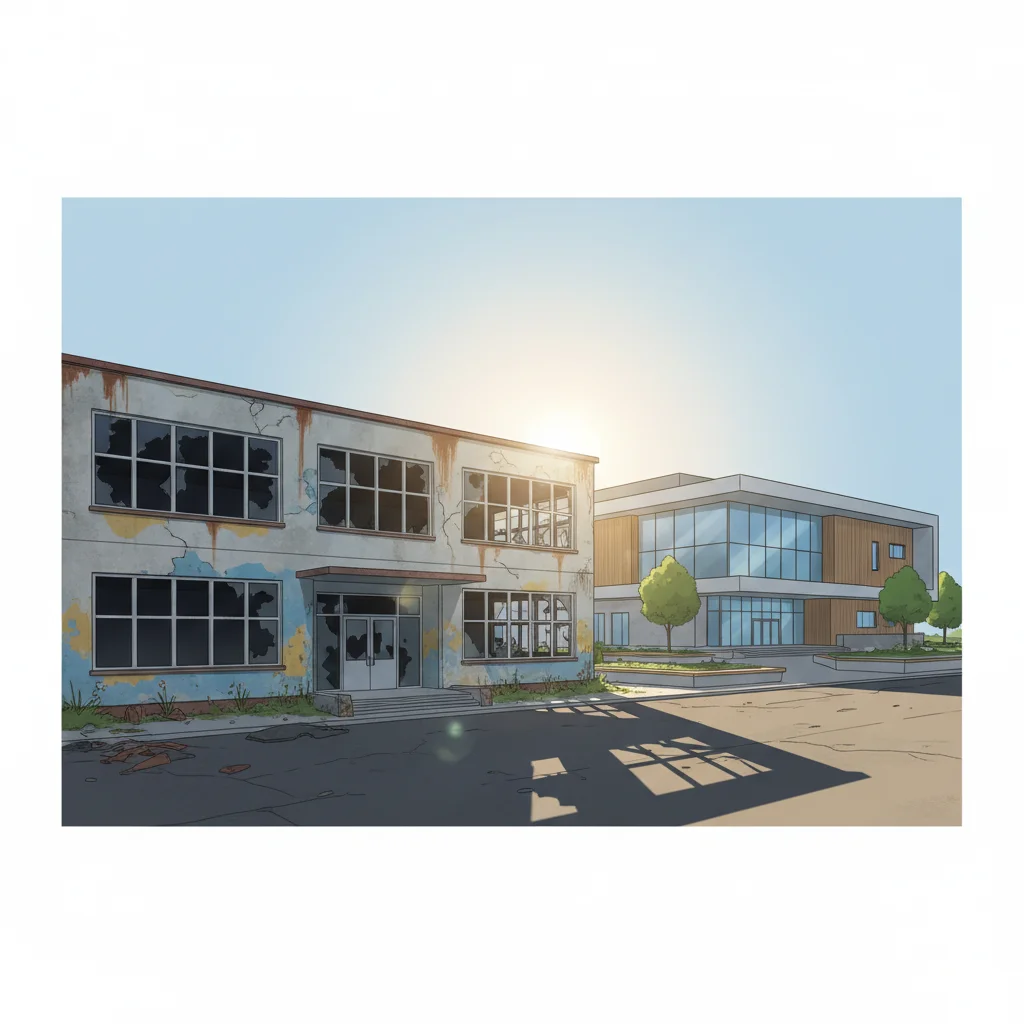
Mold, Mice, and Underfunded Schools
A Grade 12 Art Exploration Understanding Educational Advocacy Through Creative Expression Based on Kimberly Smart's Testimony
Learning Objectives: I Can...
Analyze the narrative structure and persuasive techniques in advocacy writing Identify how personal testimony creates emotional connection with audiences Evaluate the effectiveness of storytelling as a tool for social change Create visual art that communicates social justice messages

Meet Kimberly Smart: The Storyteller
Special Education teacher in New Haven, CT Member of NHFT Local 933 and New Haven Rising Lives at 1058 Townsend Avenue Passionate advocate for educational equity Uses personal experience to drive policy change
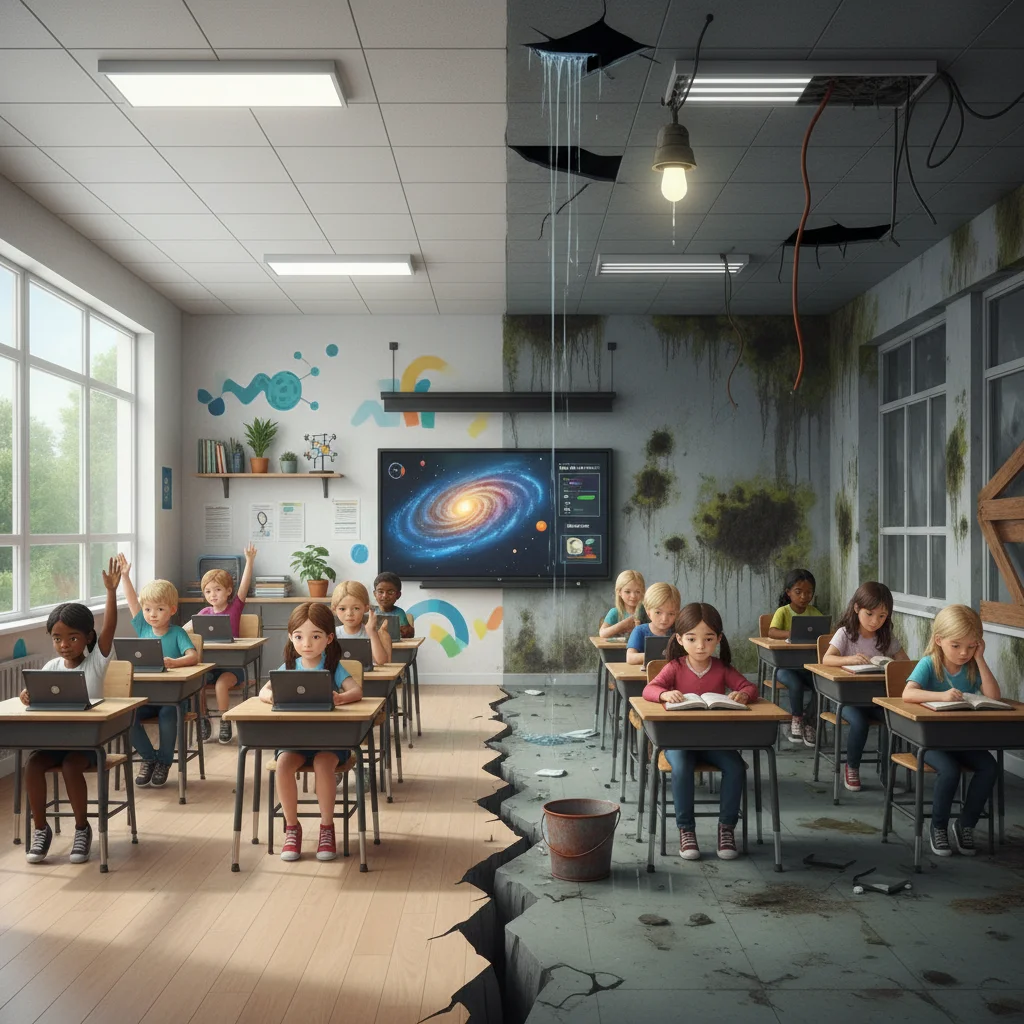
The Dream vs. The Reality
{"left":"The Dream: Finally earning her own classroom in 2022\nExcitement about having space to teach students\nYears of hard work paying off\nProfessional fulfillment achieved","right":"The Reality: Black mold covering personal items\nMice colony living in the walls\nFreezing temperatures turning fingers blue\nBroken bathrooms and missing supplies"}
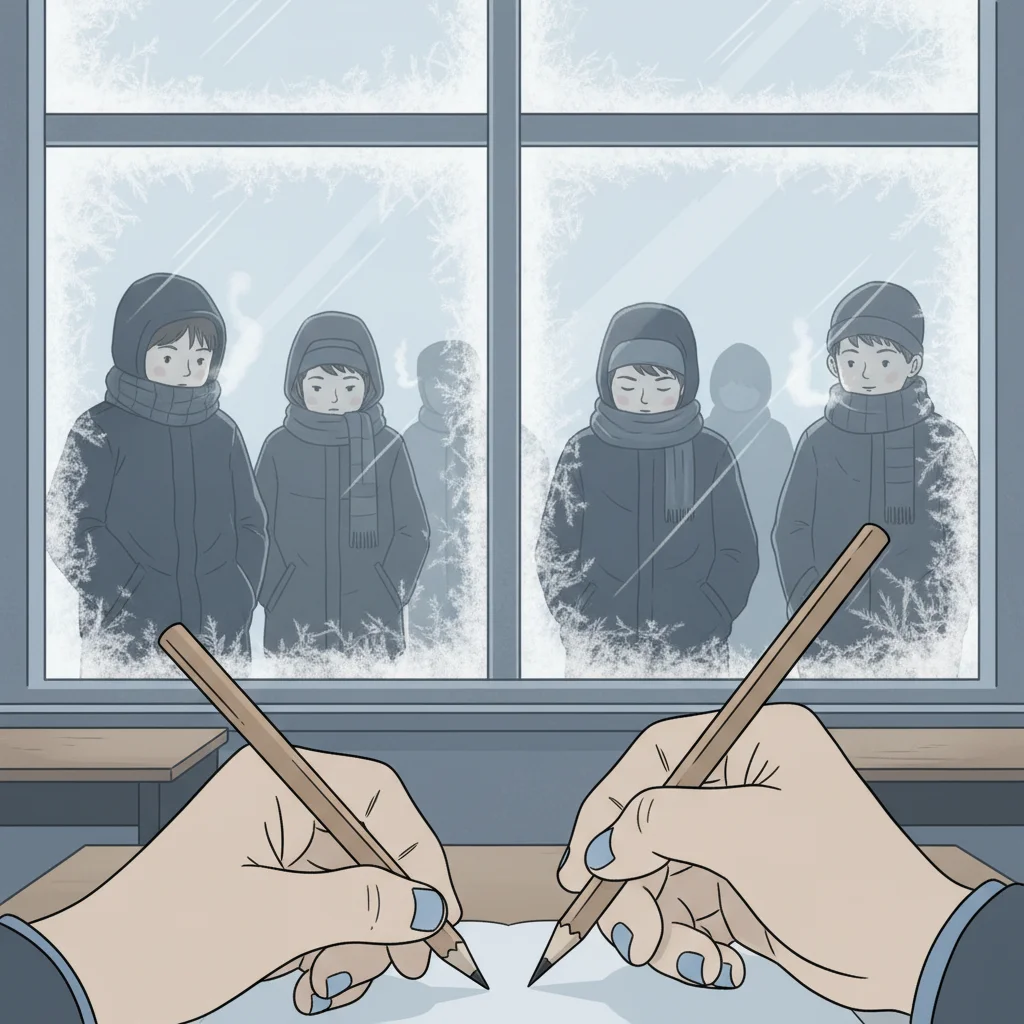
The Power of Sensory Details
"During Do Now time, when it was quiet, the class noticed that little squeaks and scrapes were coming from the walls... my classroom was so cold that the tips of my fingers were turning blue"

The Catastrophic Moment: January Snowstorm
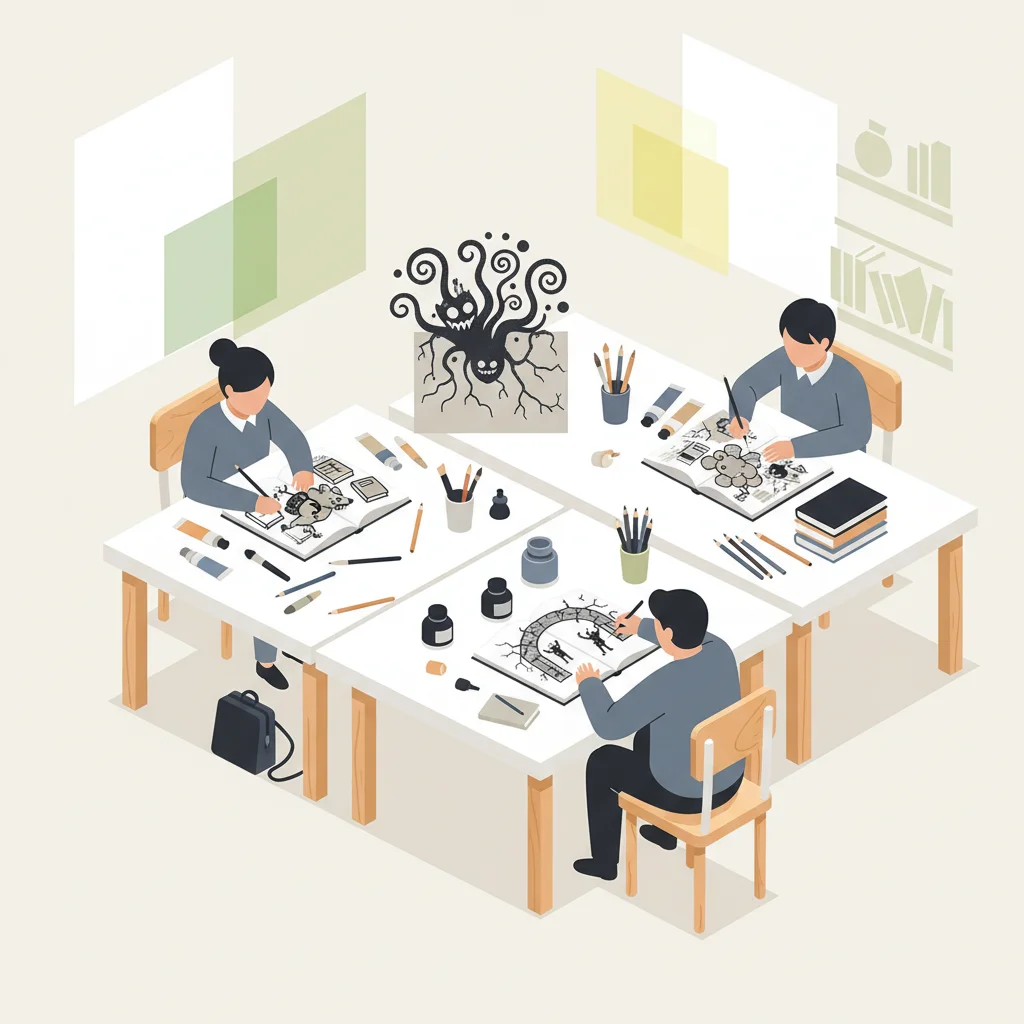
Visual Metaphor Workshop
Choose one problem from Smart's testimony Create 3 different visual metaphors for this issue Consider: What objects, animals, or natural phenomena could represent this problem? Sketch your ideas and explain the connection Share with a partner for feedback
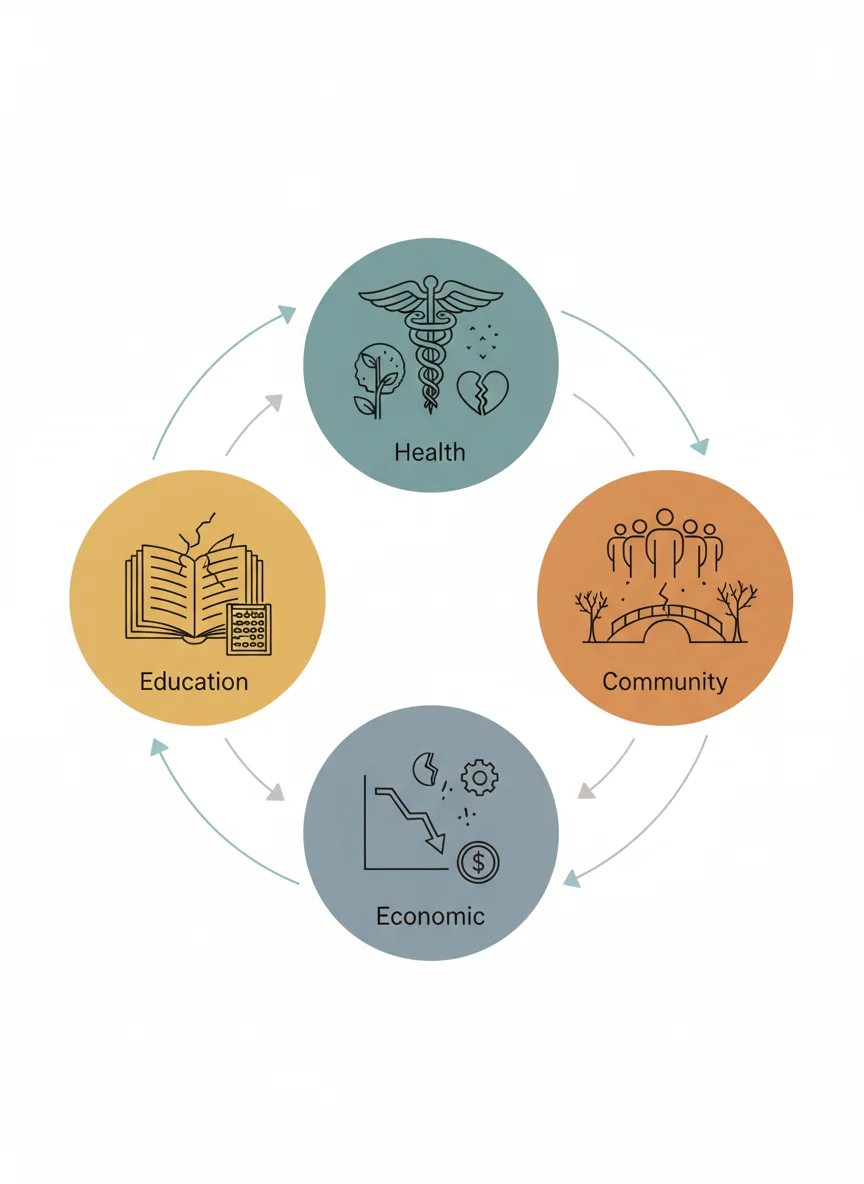
The Ripple Effect: Cause and Consequence
Health impacts: asthma, allergies, compromised immune systems Educational disruption: overcrowded classes, shared textbooks Teacher burden: personal financial investment, emotional toll Student equity: unequal access to technology and resources Community impact: relationship with Yale University
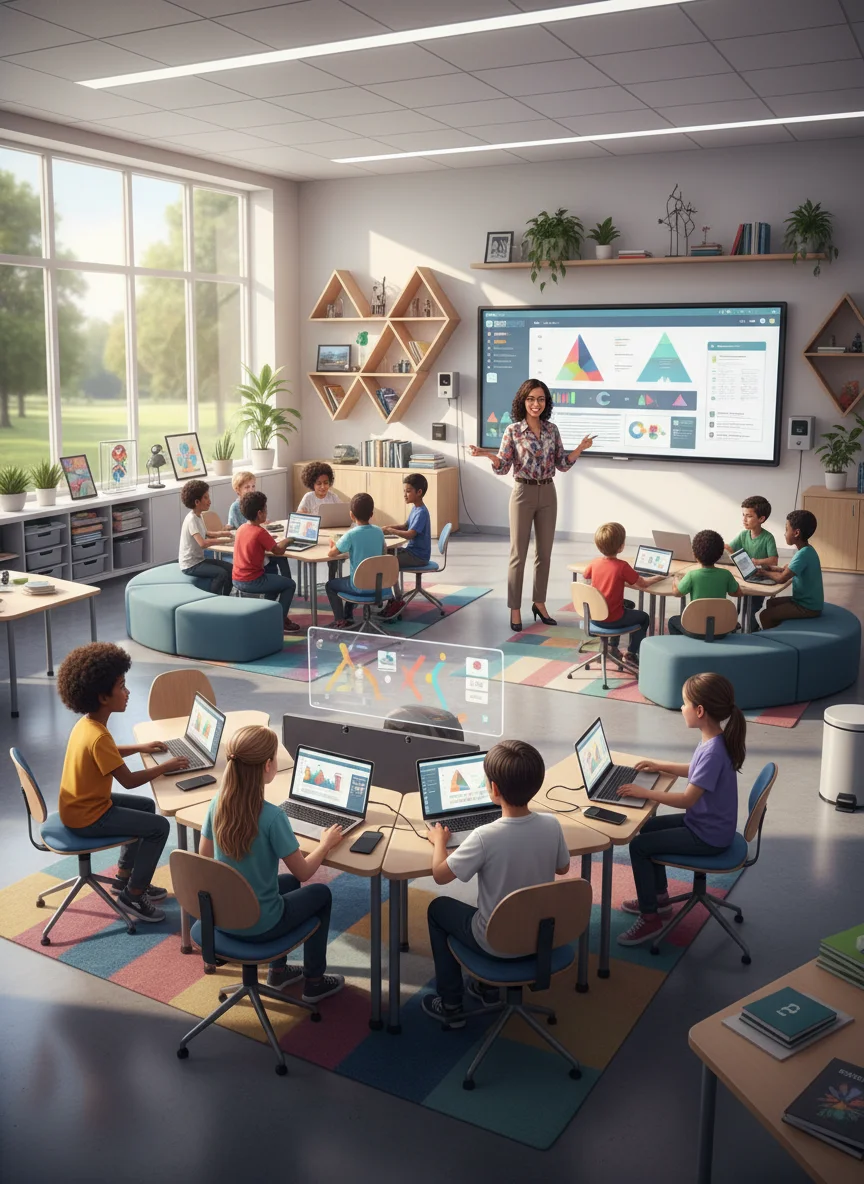
The Vision: 'If Only Schools Were Fully Funded'
Safe, clean learning environments for all students Appropriate class sizes with adequate resources Updated technology and textbooks for every student Fair teacher compensation and support Health and safety as non-negotiable standards
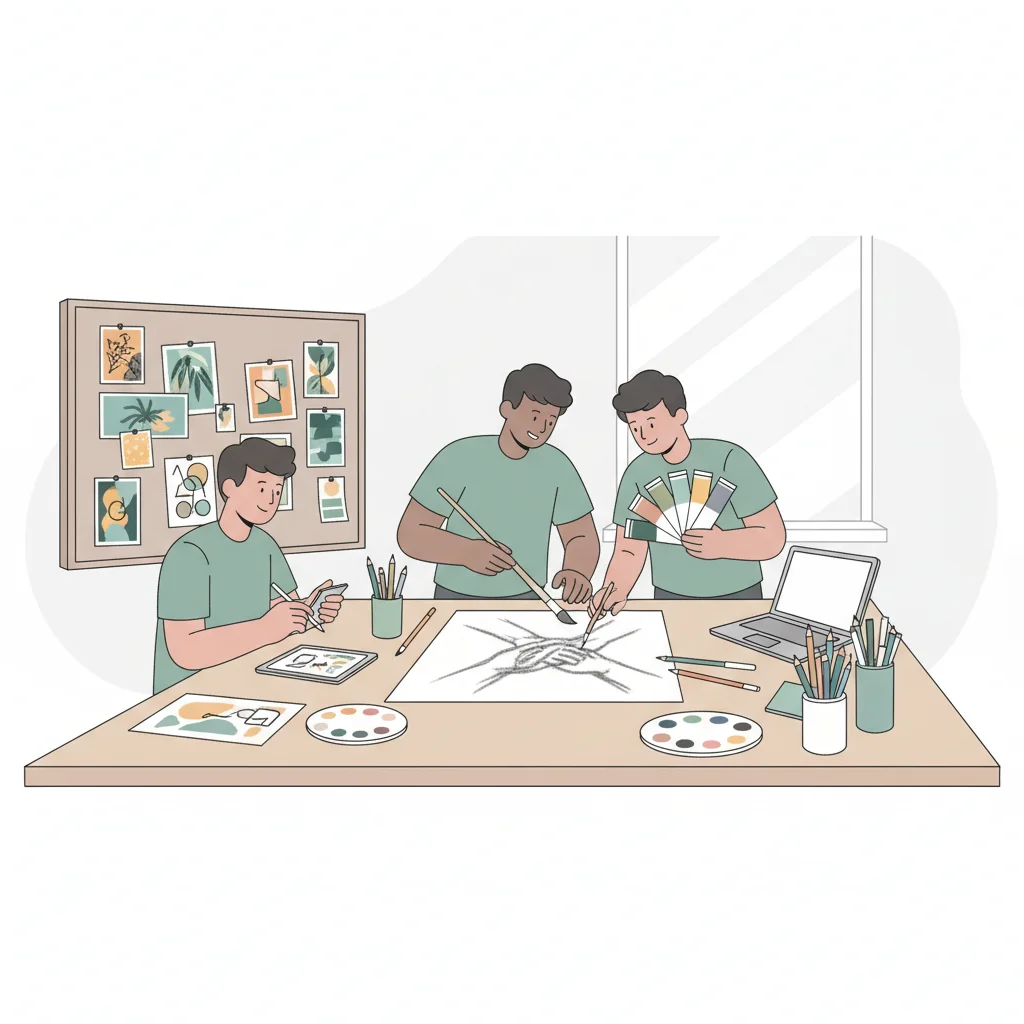
Creating Your Advocacy Art
How will you transform Smart's testimony into visual art? What medium best captures the emotional impact? Which narrative techniques will you incorporate? How can your art inspire action for change?