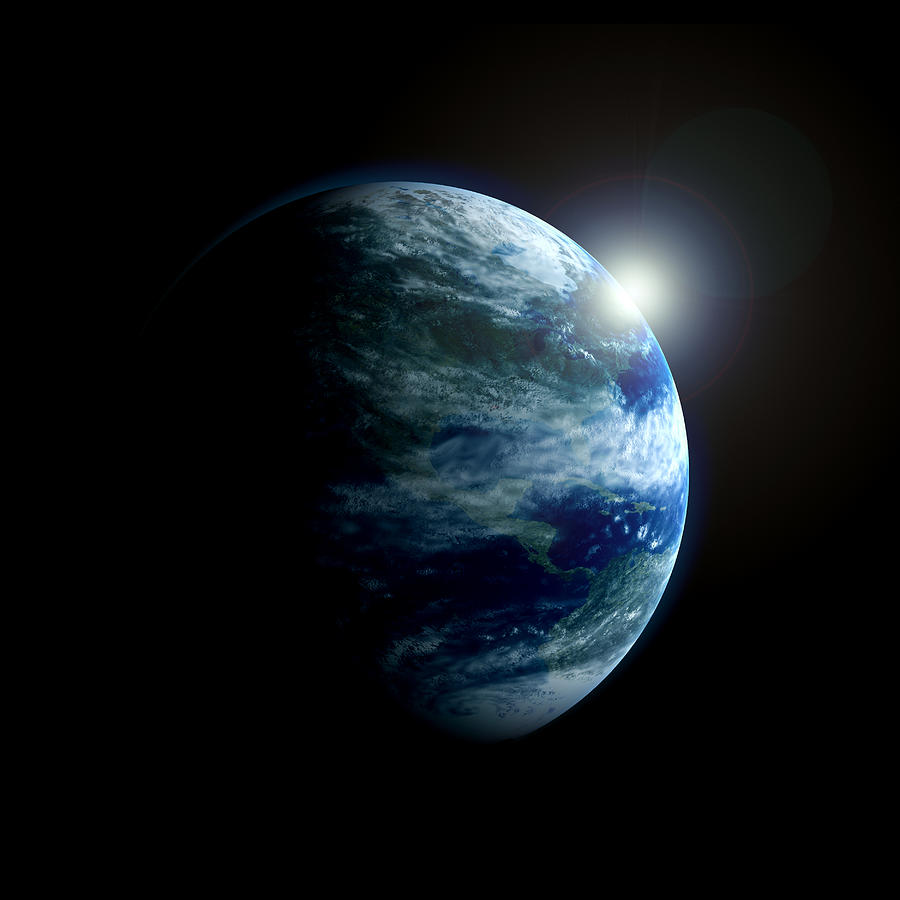
Modeling Earth-Sun-Moon System Cycles
Understanding patterns in space Grade 6 Science - 45 minutes

What patterns do you notice in the sky?
Think about what you see during the day What changes do you observe at night? How does the Moon look different over time?
Our Solar System: A Cosmic Dance
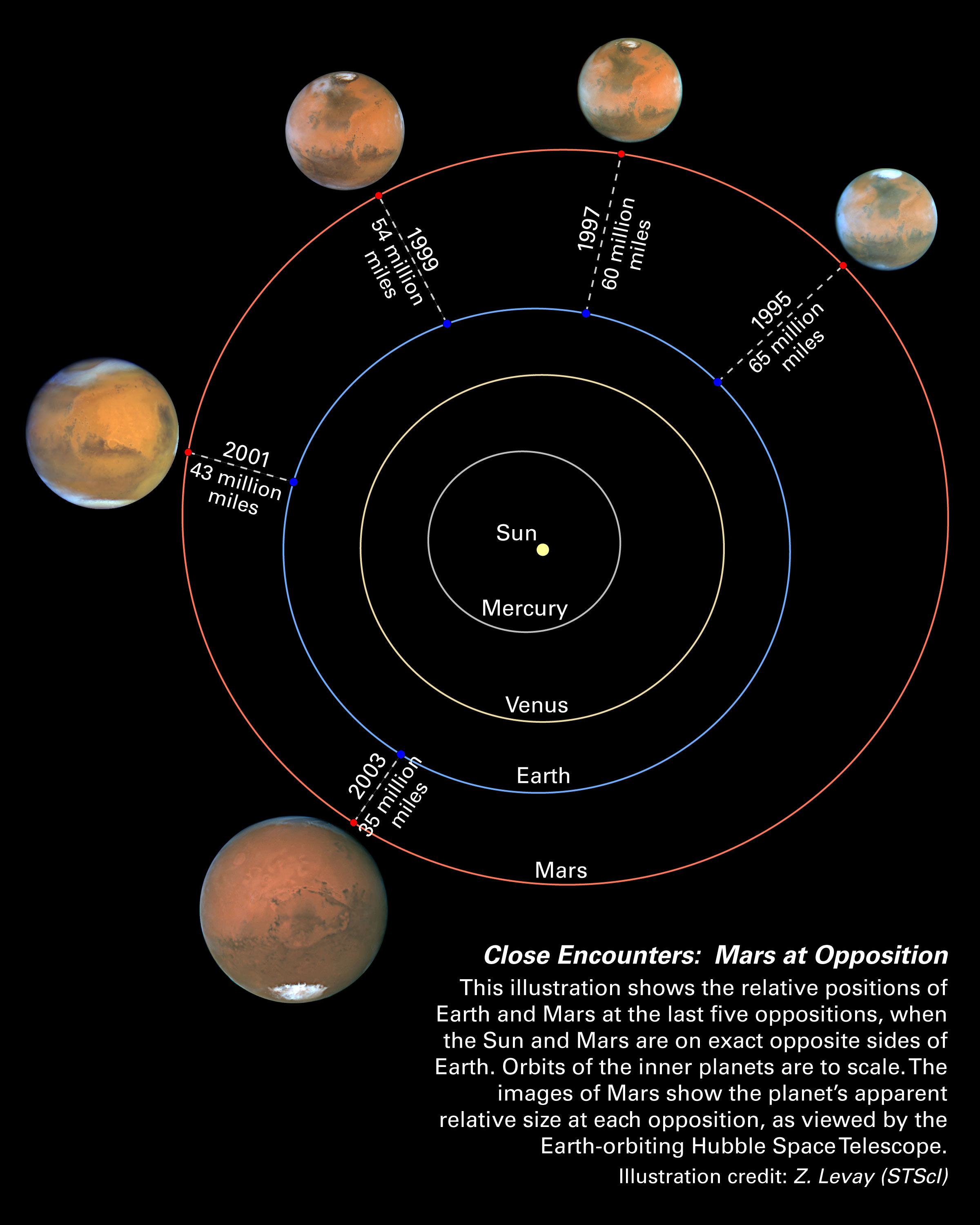
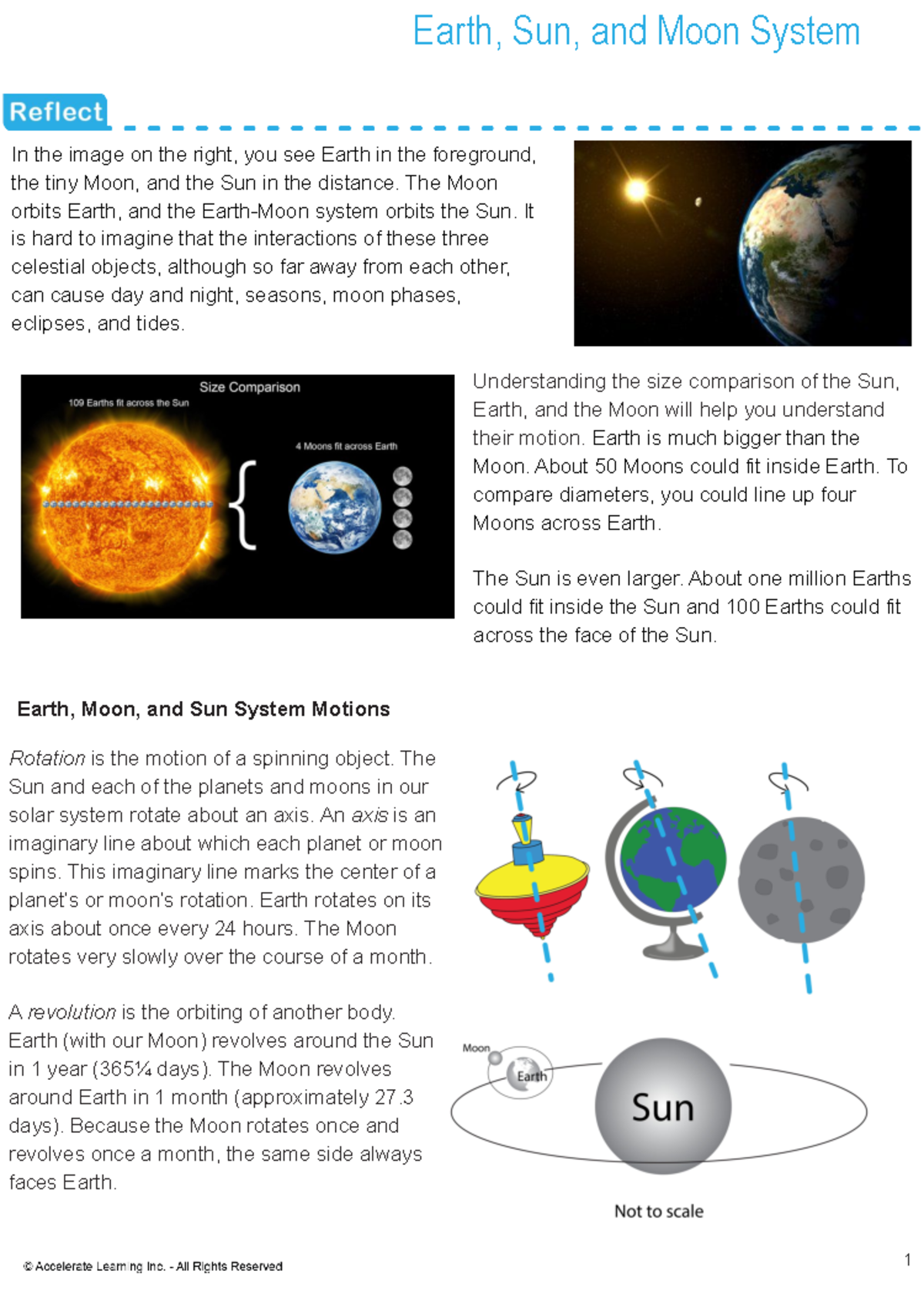
The Sun is the center of our solar system Earth orbits the Sun once per year The Moon orbits Earth once per month Gravity holds everything together
Scale of the Solar System

Model Building Activity
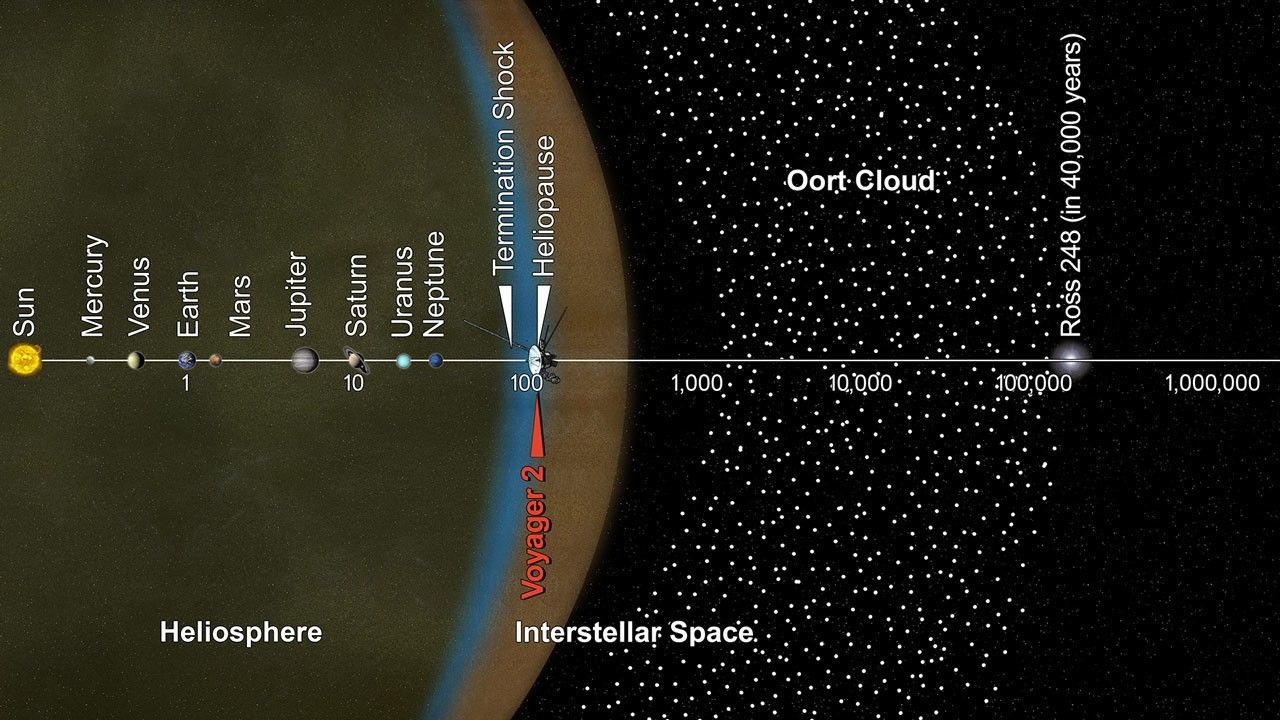
Use a basketball for the Sun A marble for Earth A peppercorn for the Moon Measure distances using steps
Why Do We Have Day and Night?
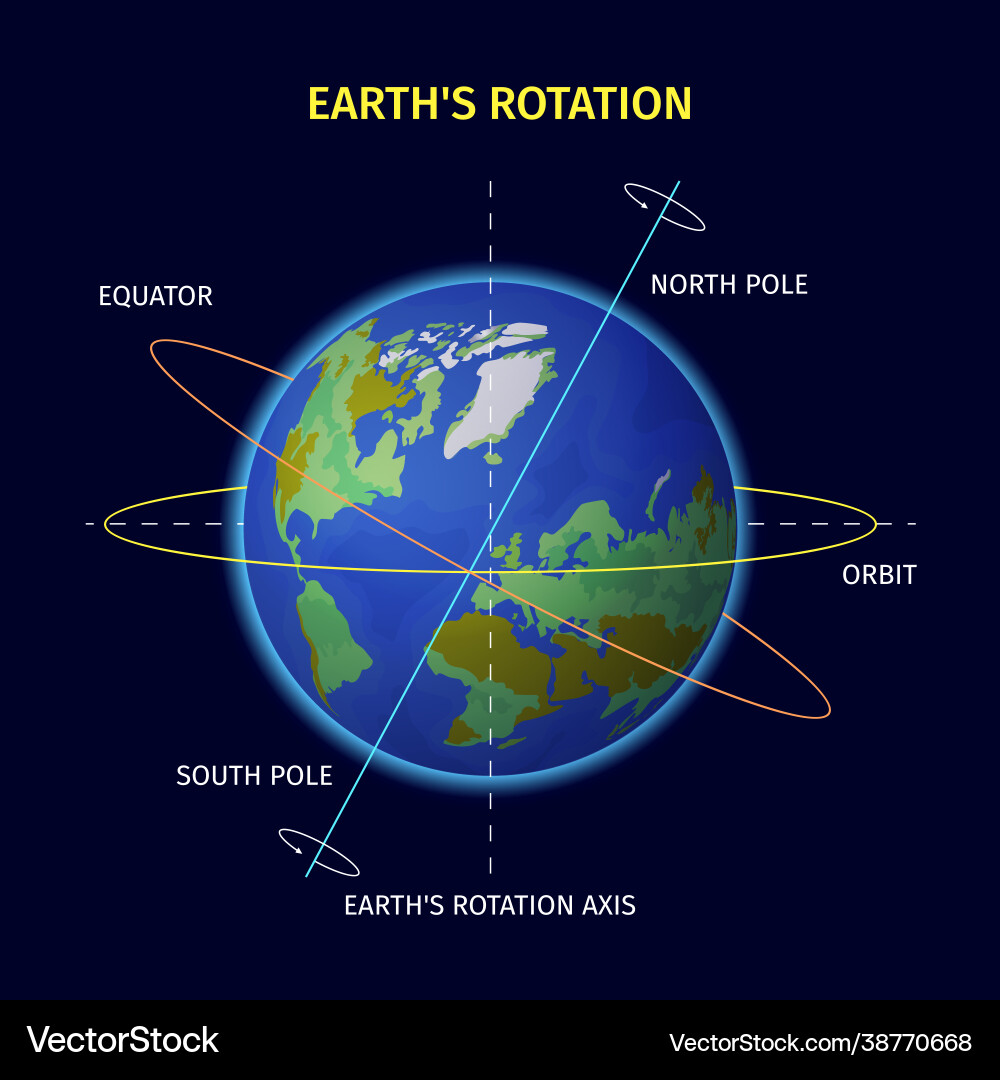
Earth spins on its axis once every 24 hours The side facing the Sun experiences day The side facing away experiences night This rotation creates our daily cycle
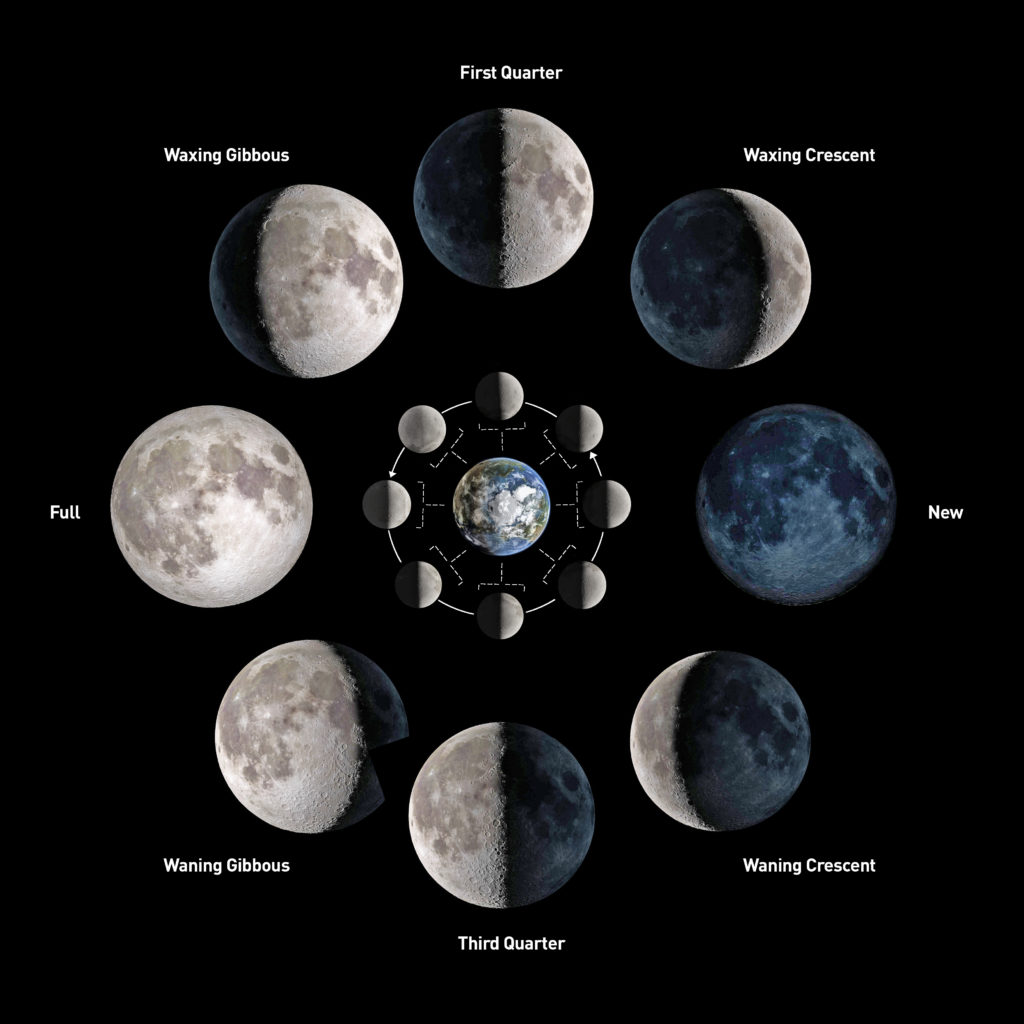
Moon Phases: A Monthly Pattern
{"left":"New Moon - Moon between Earth and Sun\nWaxing Crescent - Small sliver appears\nFirst Quarter - Half moon visible\nWaxing Gibbous - More than half lit","right":"Full Moon - Entire face illuminated\nWaning Gibbous - Shrinking from full\nThird Quarter - Half moon again\nWaning Crescent - Thin sliver remains"}

What Causes the Seasons?
Earth's axis is tilted 23.5 degrees Different parts of Earth receive varying amounts of sunlight When tilted toward the Sun, we have summer When tilted away, we have winter
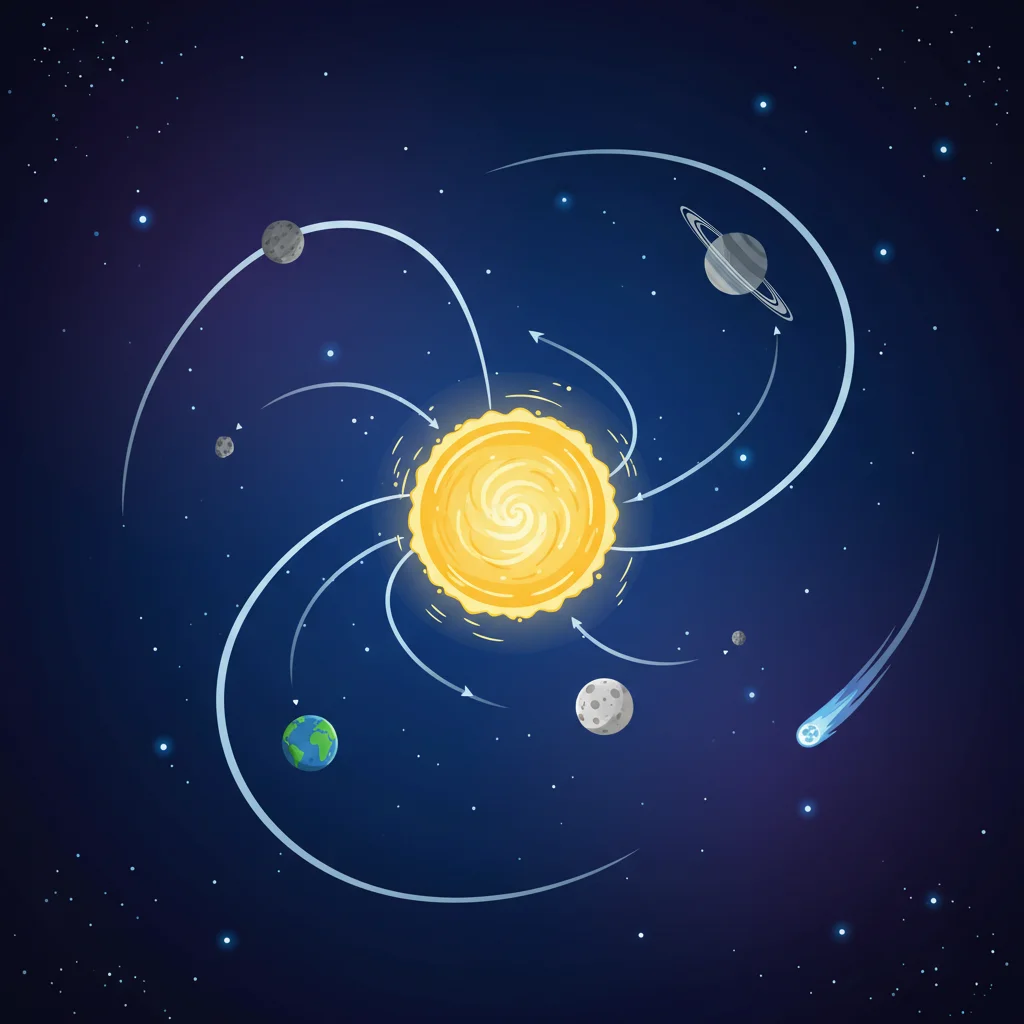
What would happen if there was no gravity?
Would Earth stay in orbit around the Sun? Would the Moon stay near Earth? Would we stay on Earth's surface?
Putting It All Together
Gravity keeps the Earth-Sun-Moon system together Earth's rotation causes day and night cycles Moon's orbit creates lunar phases Earth's tilted orbit causes seasons These patterns repeat predictably