
Meaning Beyond Words: Denotation vs Connotation
Year 7 English Language Arts Understanding the power of word choice
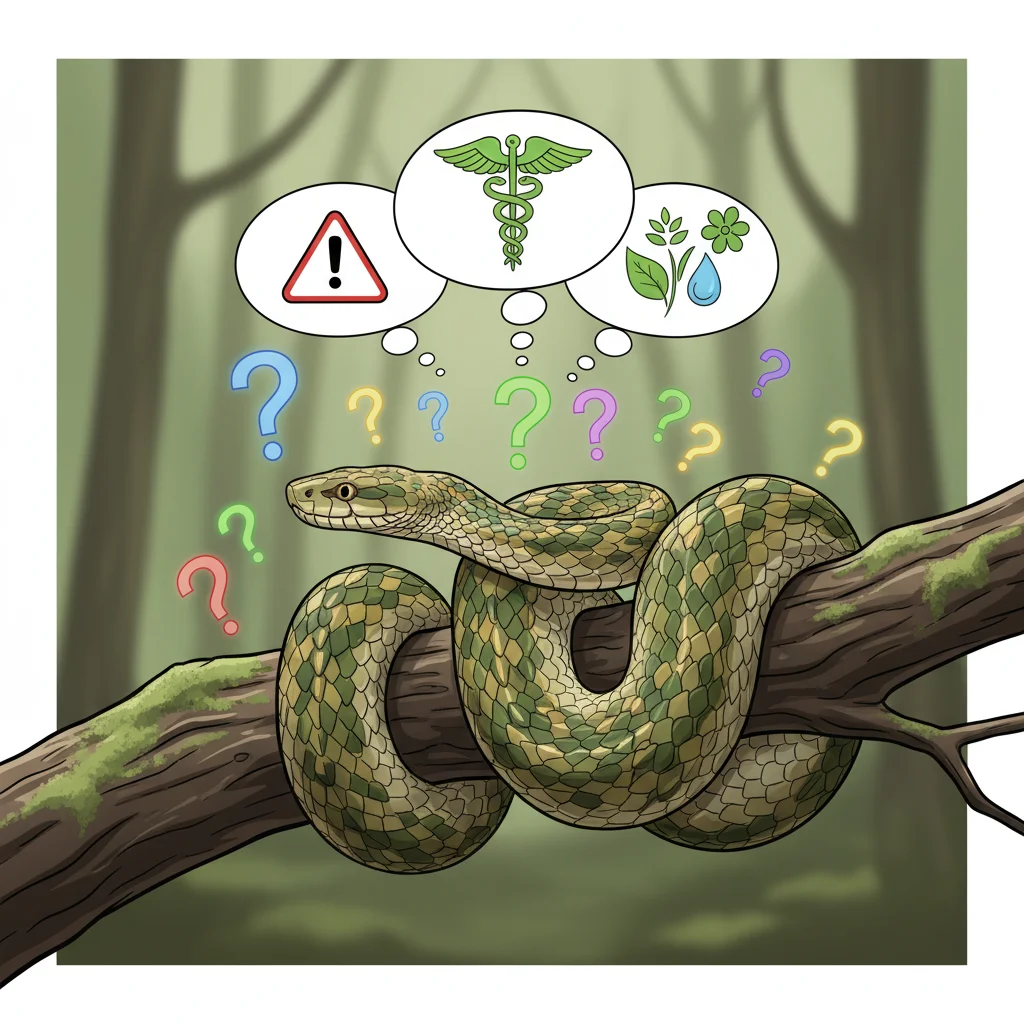
Hook: What Does 'Snake' Mean to You?
Think about the word 'snake' What is its literal meaning? What feelings does it give you? Share your thoughts with a partner
Key Vocabulary: Denotation
Denotation = Dictionary meaning The literal, factual definition What you'd find in a dictionary Example: Snake = a long, legless reptile
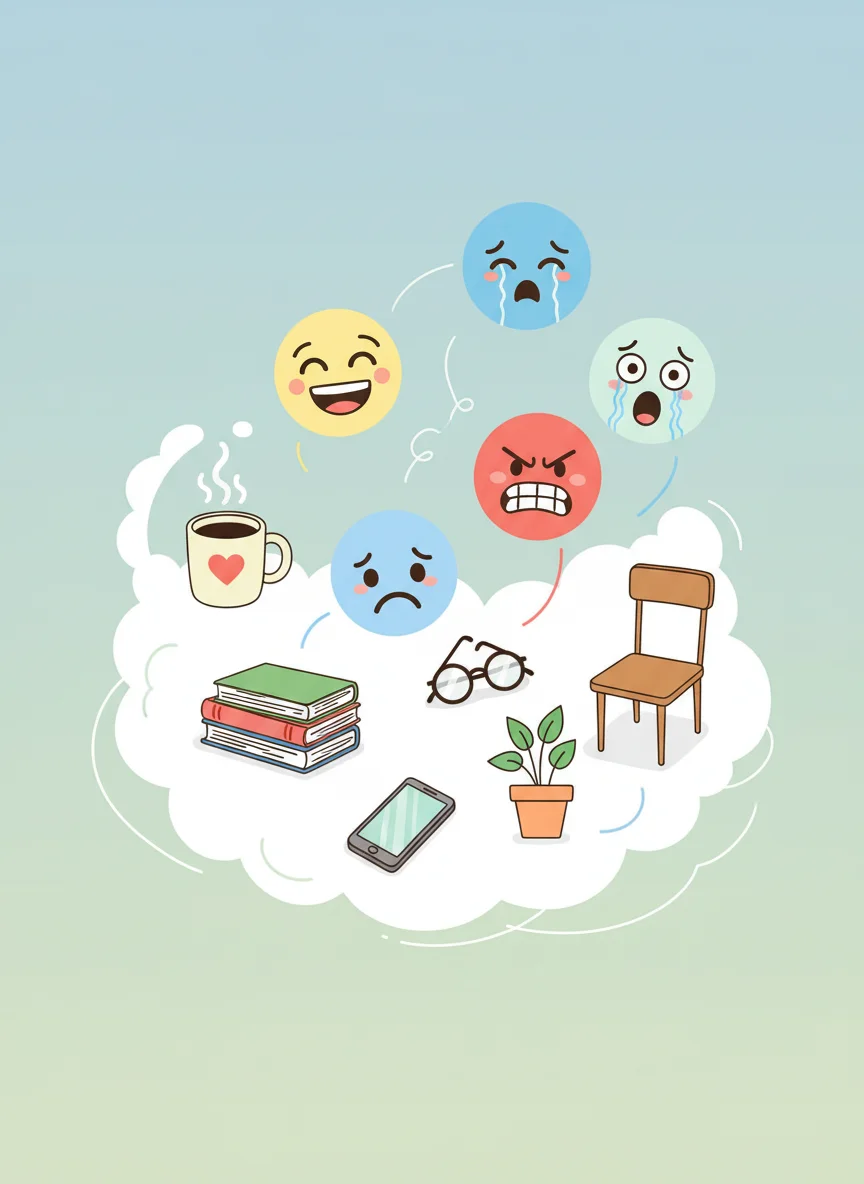
Key Vocabulary: Connotation
Connotation = Emotional meaning Feelings and ideas associated with a word Goes beyond the dictionary definition Example: Snake = sneaky, dangerous, untrustworthy

Examples: Denotation vs Connotation
{"left":"HOME: A place where one lives permanently\nHOME: Comfort, safety, warmth, family\nCHILDISH: Behaving like a child","right":"CHILDISH: Immature, annoying, negative\nSLIM: Having a thin build\nSLIM: Attractive, healthy, positive"}
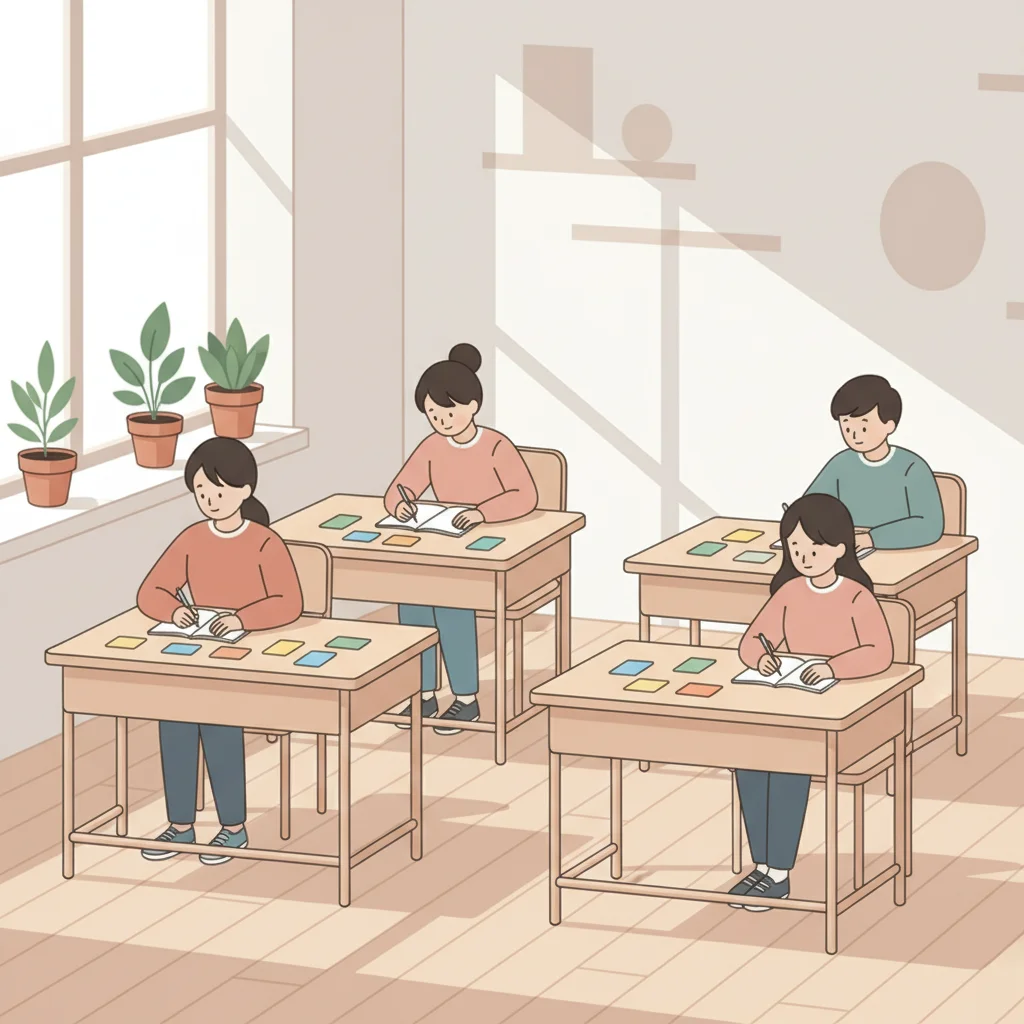
Guided Practice: Word Cards
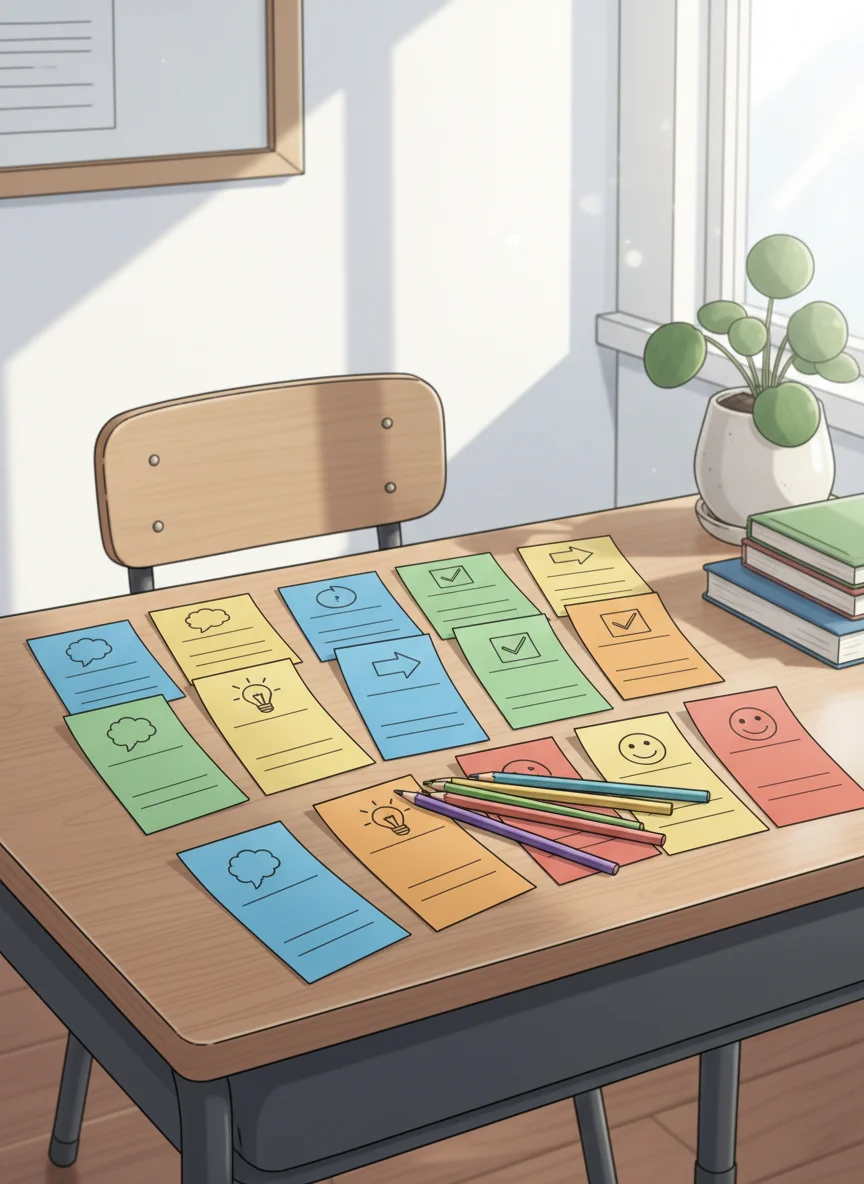
Work with a partner Pick three word cards Write one sentence for each word Show the connotation clearly in your sentence Be ready to share with the class!
Independent Application
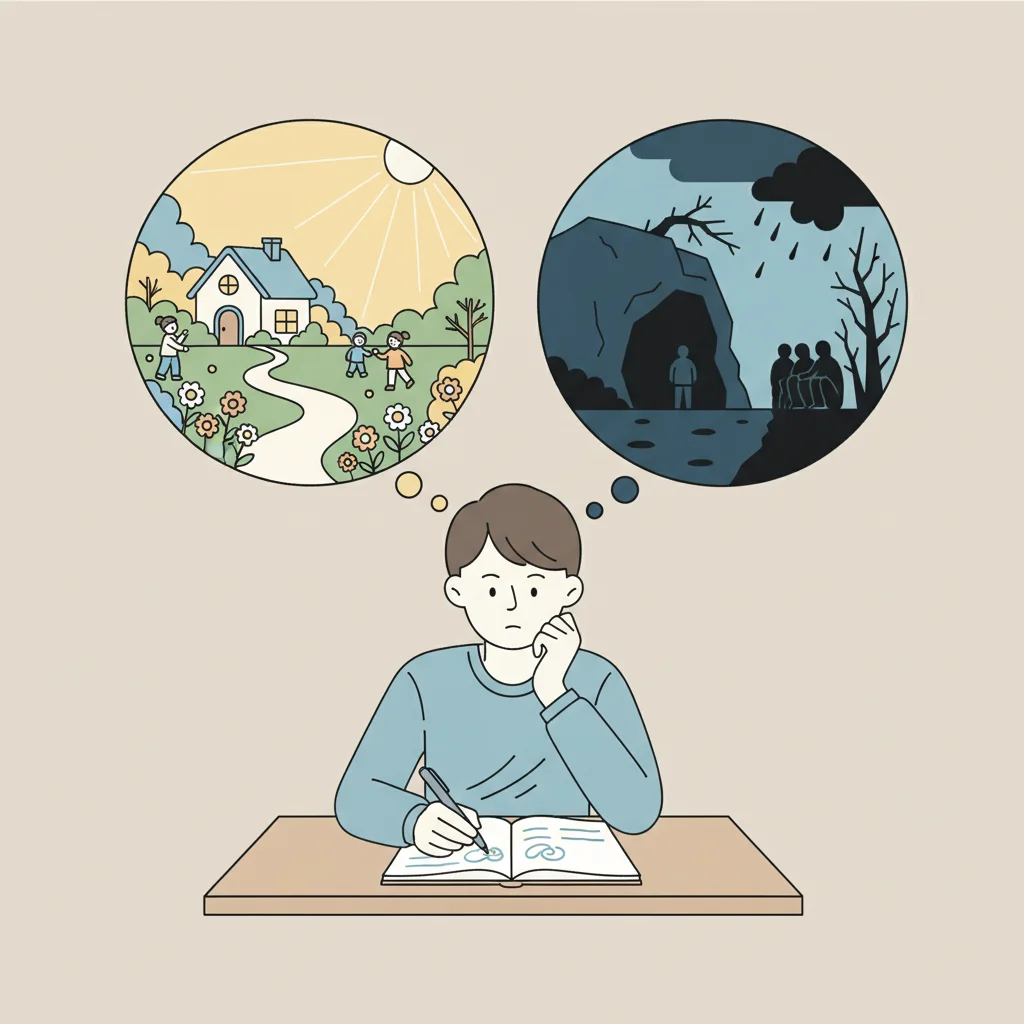
Write a short paragraph (3-5 sentences) Describe a place you like AND a place you don't like Use at least two words with different connotations Show your feelings through your word choices
Exit Ticket Assessment
Question 1: Define denotation and connotation in your own words Question 2: Write one sentence using a word with positive connotation and explain why it's positive Turn in your exit ticket before leaving Remember: Words carry feelings, not just facts!