
Mastering Professional Agendas: The Big 5
Grade 7 Technology Understanding the Foundation of Effective Meetings
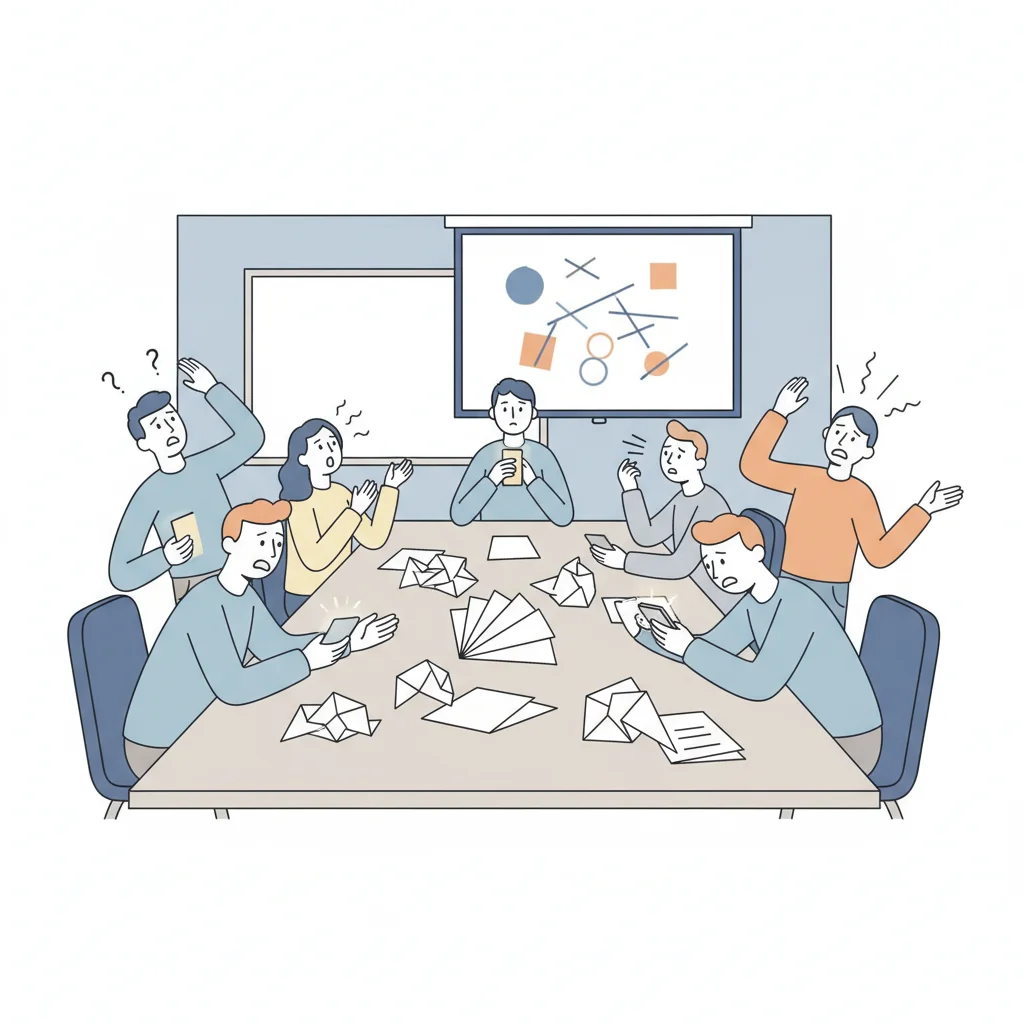
What Happens When There's No Plan?
Think about a time when you attended a meeting, group project, or event that felt disorganized What went wrong? How did it make you feel? What could have been done differently?
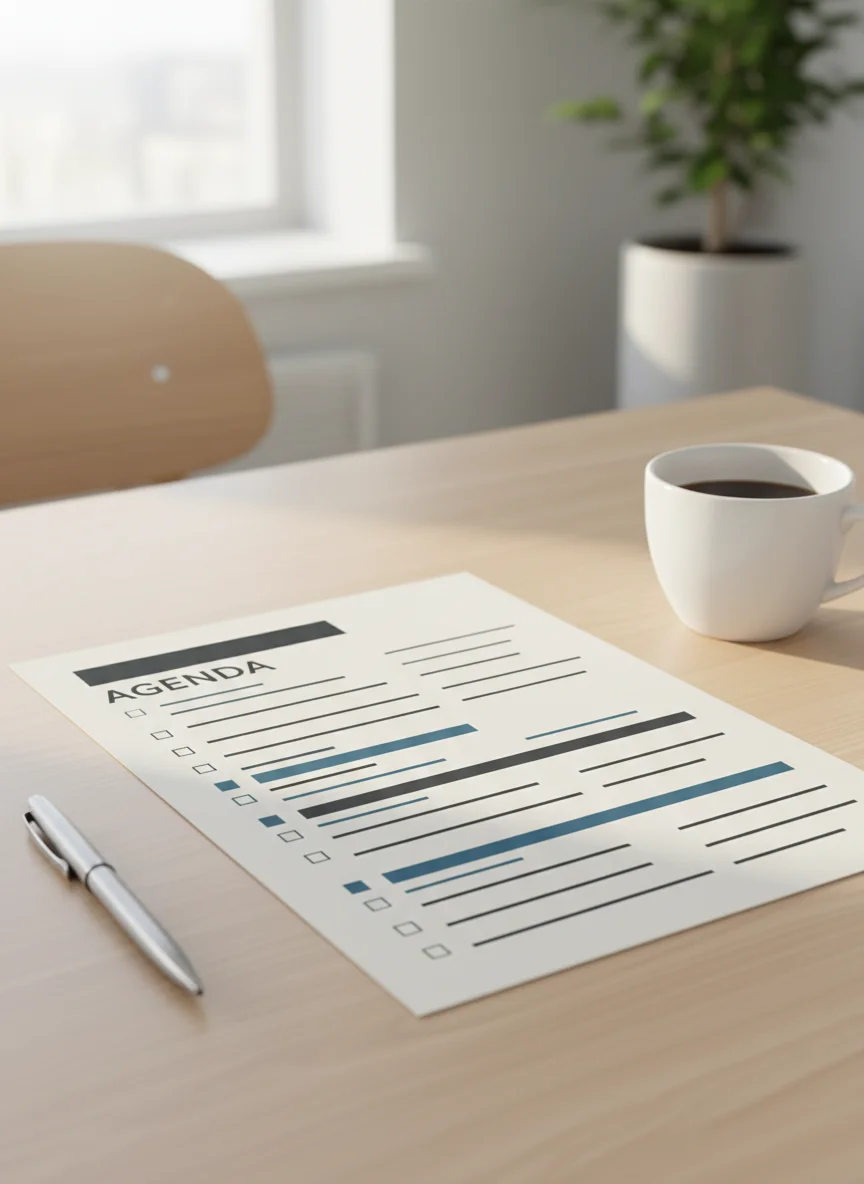
What is an Agenda?
A written plan that outlines the topics, activities, and time schedule for a meeting Acts as a roadmap to keep discussions focused and productive Helps participants prepare and know what to expect Essential tool in professional, academic, and personal settings
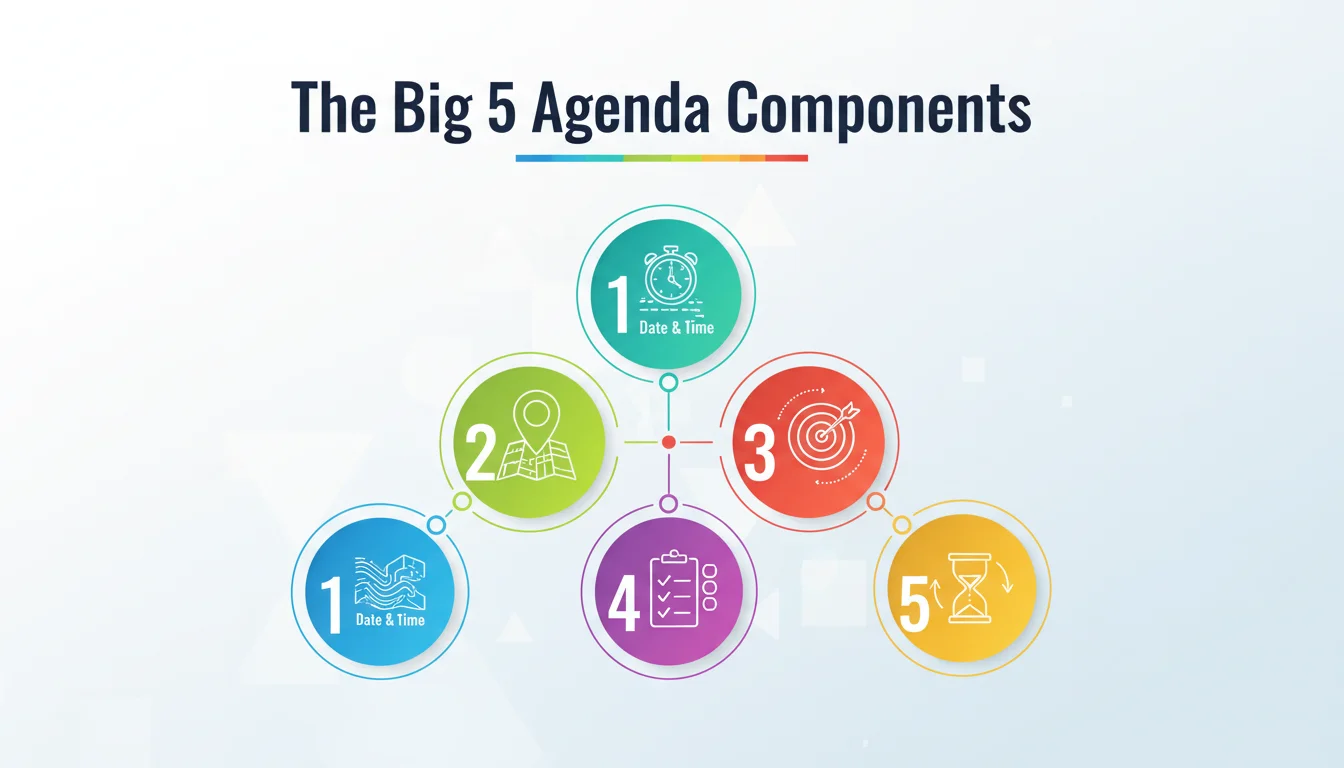
The Big 5 Components of an Effective Agenda
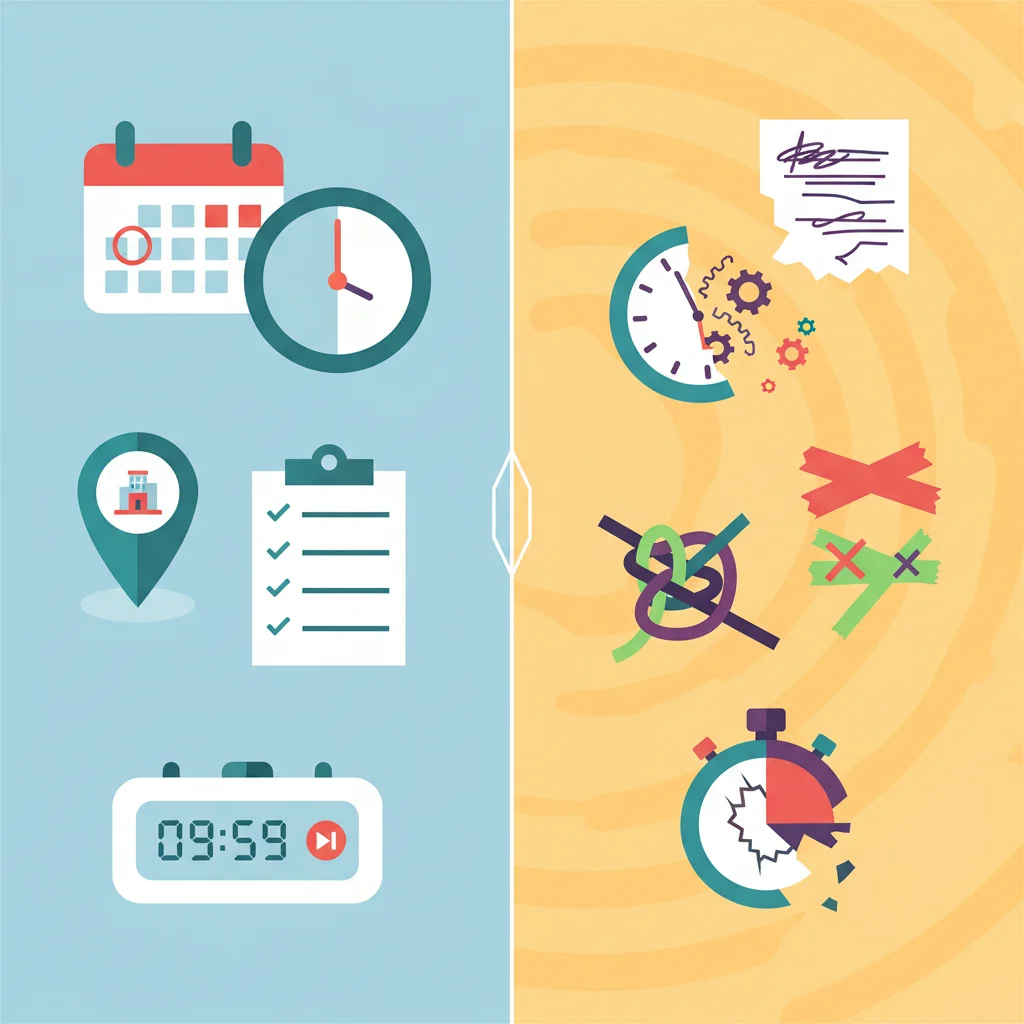
Breaking Down the Big 5
{"left":"Date & Time: When will the meeting happen? Include day, date, start time, and expected end time\nLocation: Where will it take place? Physical address, room number, or virtual meeting link\nPurpose: Why are you meeting? Clear statement of the main goal or objective","right":"Topics & Items: What will you discuss? Specific agenda items listed in logical order\nTime Allocations: How long for each topic? Realistic time estimates to keep on track"}

Agenda Detective Challenge
Work in pairs to analyze two sample agendas One effective agenda with all Big 5 components One ineffective agenda missing key elements Identify what's missing and suggest improvements Be ready to share your findings with the class

Why Professional Agendas Matter
Save time by keeping discussions focused and on-track Ensure all important topics are covered Help participants prepare and contribute meaningfully Create clear expectations and accountability Build professional communication skills for future careers

Key Takeaway
"An effective agenda is like a GPS for meetings - it tells you where you're going, how to get there, and how long it will take." Remember the Big 5: Date/Time, Location, Purpose, Topics, and Time Allocations