
Mastering Literary Language: A Week-Long Journey
Grade 8 English Language Arts Exploring the Power of Words in Literature RL 8.4 Focus: Figurative Language & Word Choice

Pre-Assessment: What Do You Already Know?
What makes some writing more powerful than others? Can you think of a book or poem that used interesting language? What's the difference between literal and figurative language?

Day 1: Building Our Foundation
Literal vs. Figurative Language Introduction to Literary Devices Why Authors Choose Specific Words Setting Up Our Literary Language Toolkit
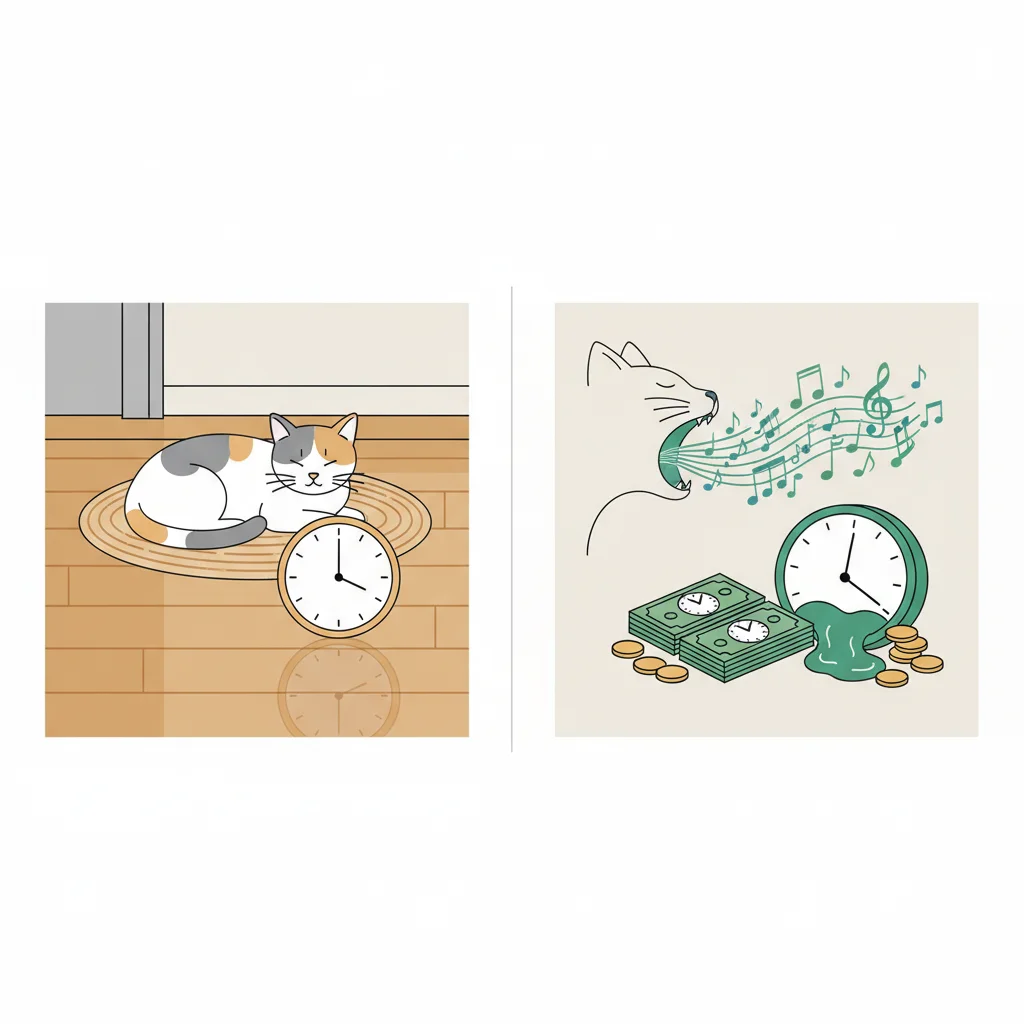
Literal vs. Figurative: Can You Tell the Difference?
{"left":"The cat sat on the mat.\nHer voice was music to my ears.\nIt's raining cats and dogs.","right":"The temperature is 75 degrees.\nTime is money.\nThe clock struck midnight."}

Day 2: Metaphor Detective Challenge
Find the hidden metaphors in these famous quotes Work in teams of 3-4 students Use your Literary Language Toolkit Present your findings to the class
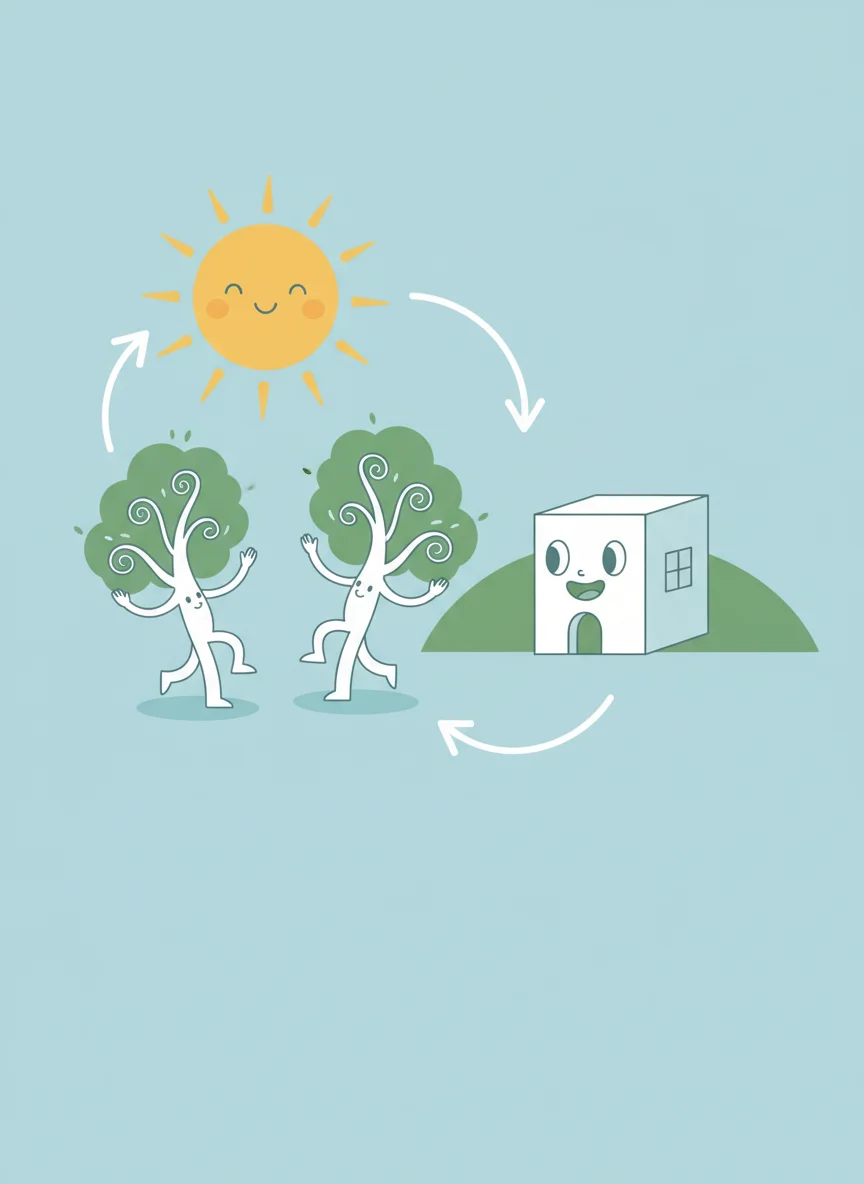
Day 3: The Power of Similes and Personification
Similes: Making Comparisons with 'Like' and 'As' Personification: Giving Human Qualities to Non-Human Things How These Devices Create Vivid Images Practice Identifying and Creating Examples

Words Have Power
'The difference between the almost right word and the right word is really a large matter—'tis the difference between the lightning bug and the lightning.' - Mark Twain

Day 4: Analyzing Author's Word Choice in Context

Day 5: Literary Language in Action
Choose a passage from our current class novel Apply the IMPACT method Create a presentation showing your analysis Demonstrate how word choice affects meaning and mood
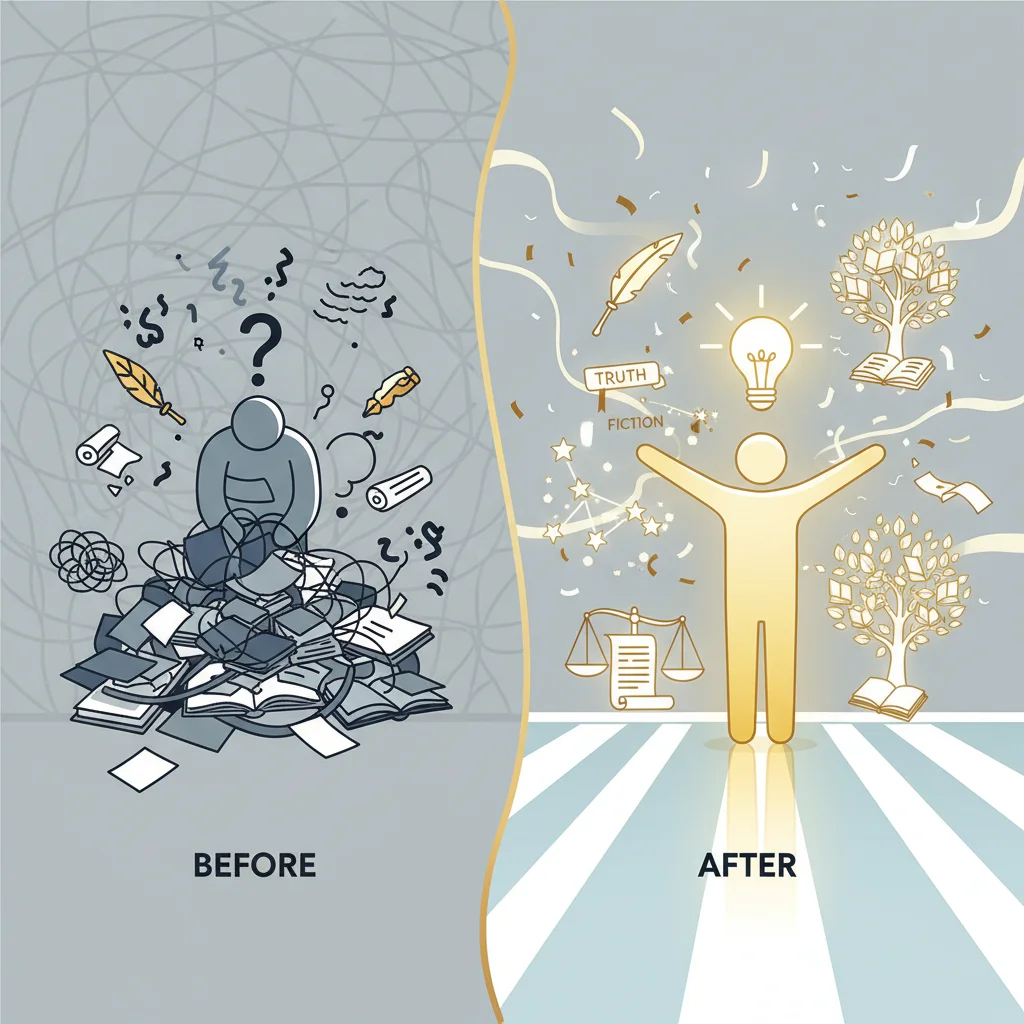
Post-Assessment: How Far Have You Come?
How does figurative language enhance a reader's experience? Explain how an author's word choice can change the mood of a passage What literary devices would you use to describe your favorite place? Compare your understanding now to Monday's pre-assessment