Introduction to Atomic Theory
Understanding the Building Blocks of Matter Grade 10 Science Exploring Atomic Structures - Lesson 1
What is an Atom?
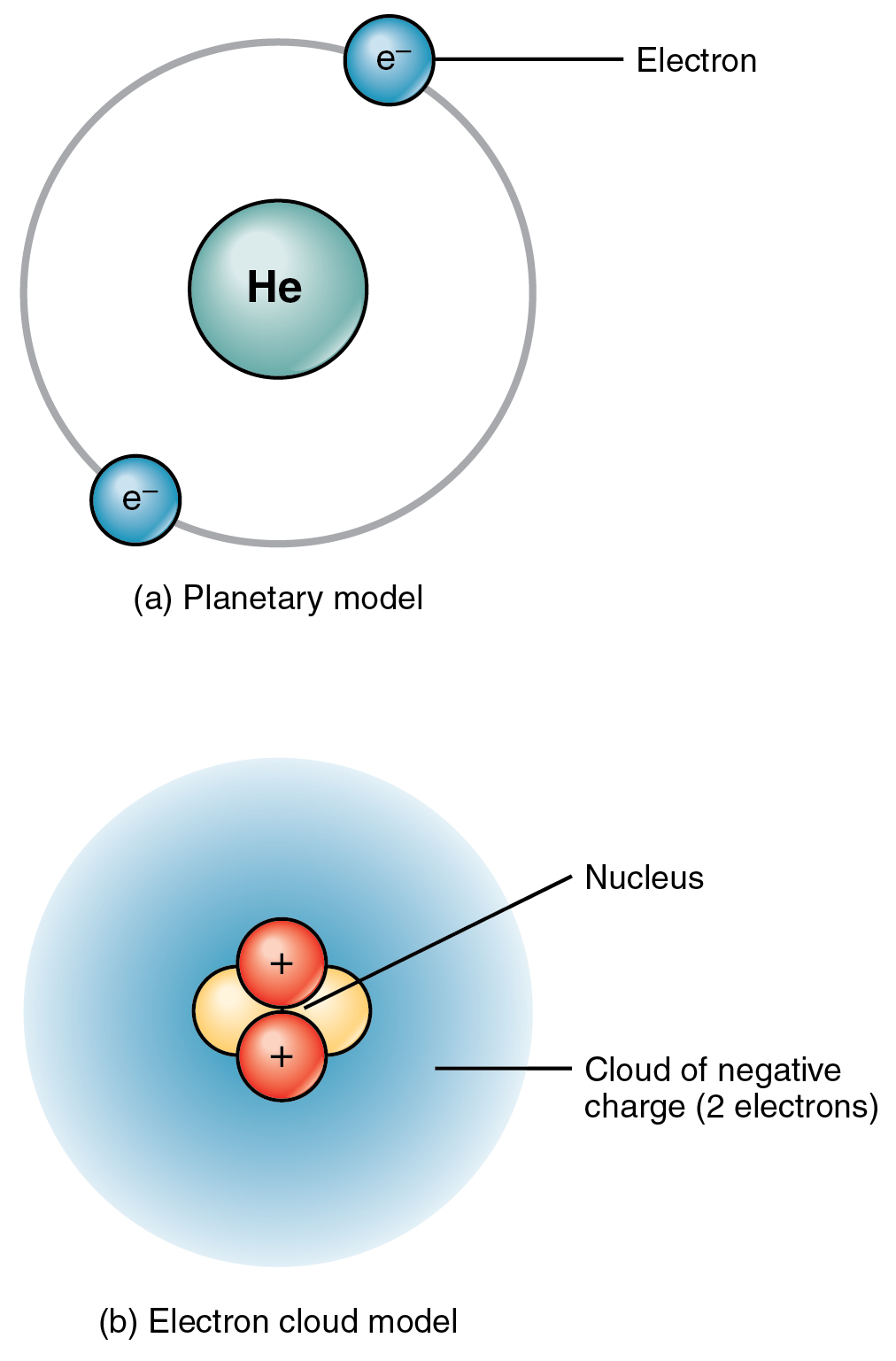
The smallest unit of matter that retains properties of an element Made up of even smaller subatomic particles Everything around us is composed of atoms Cannot be seen with the naked eye - incredibly tiny
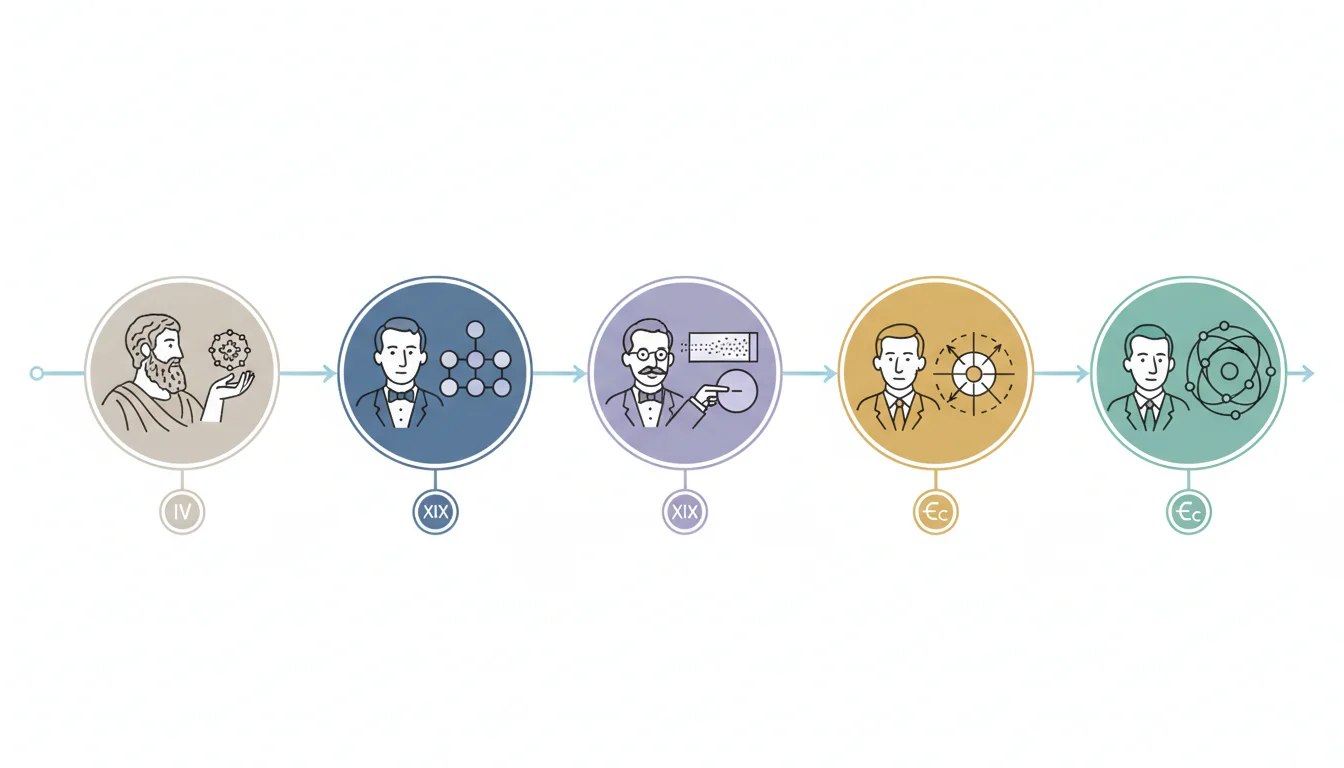
Timeline of Atomic Theory Development

Subatomic Particles
Protons: Positively charged particles in the nucleus Neutrons: Neutral particles in the nucleus Electrons: Negatively charged particles orbiting the nucleus Mass is mostly concentrated in the nucleus
Atomic Models Comparison
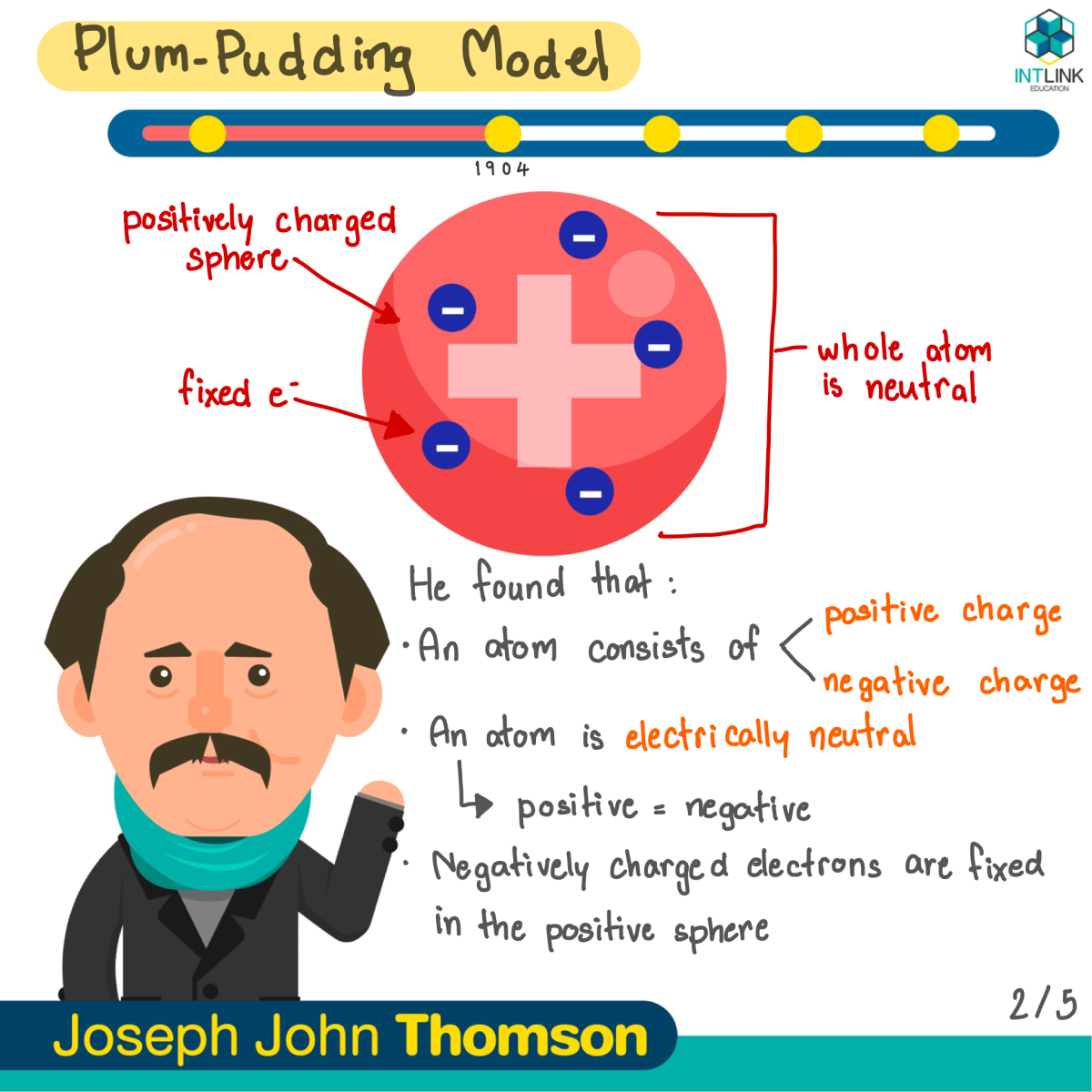
{"left":"Thomson's 'Plum Pudding' Model: Electrons embedded in positive sphere like raisins in pudding\nRutherford's Nuclear Model: Dense positive nucleus with electrons orbiting around it","right":"Bohr's Model: Electrons in specific energy levels or shells around nucleus\nModern Quantum Model: Electron probability clouds rather than fixed orbits"}
Build an Atom Activity
Work in pairs to create atomic models Use colored balls or candies for different particles Build atoms for the first 10 elements Identify patterns in atomic structure
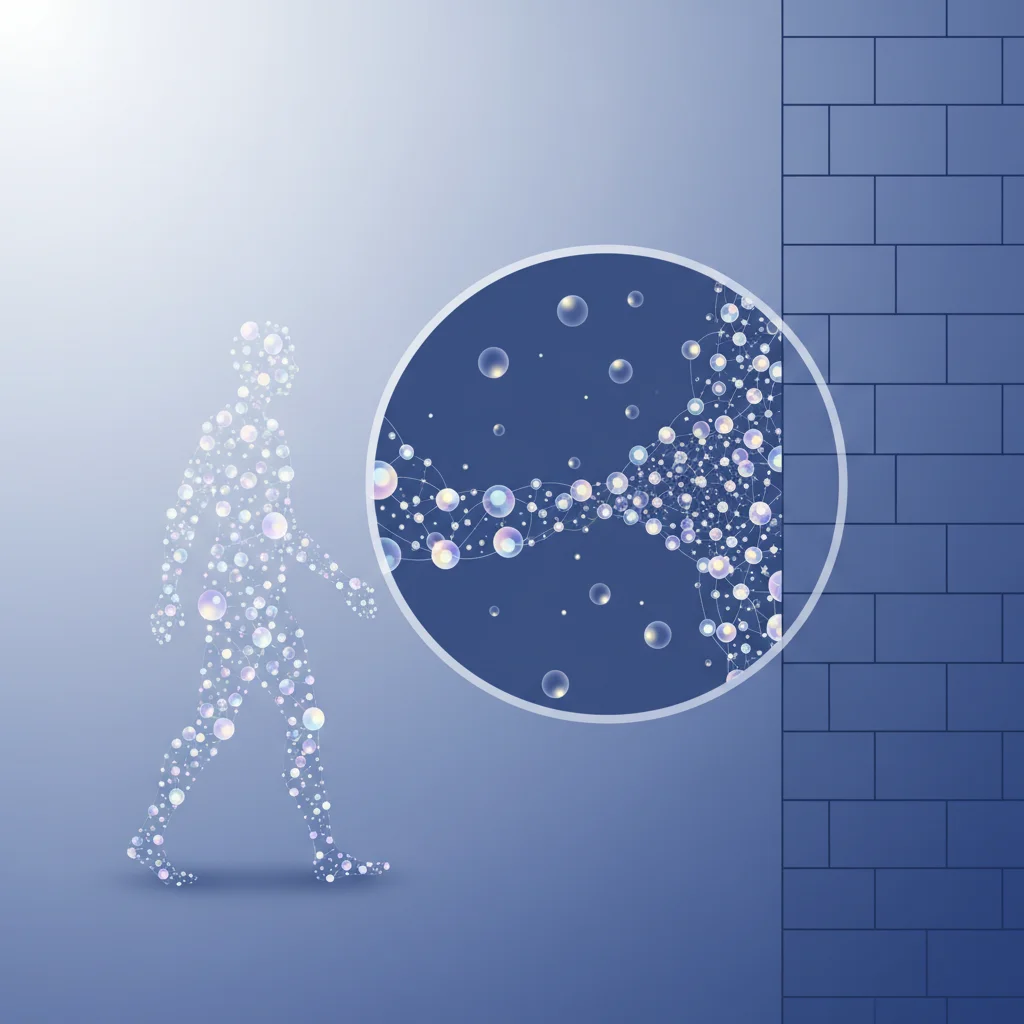
Think and Discuss
If atoms are mostly empty space, why can't we walk through walls? How do the properties of subatomic particles determine an element's characteristics? What would happen if we could remove or add protons to an atom?
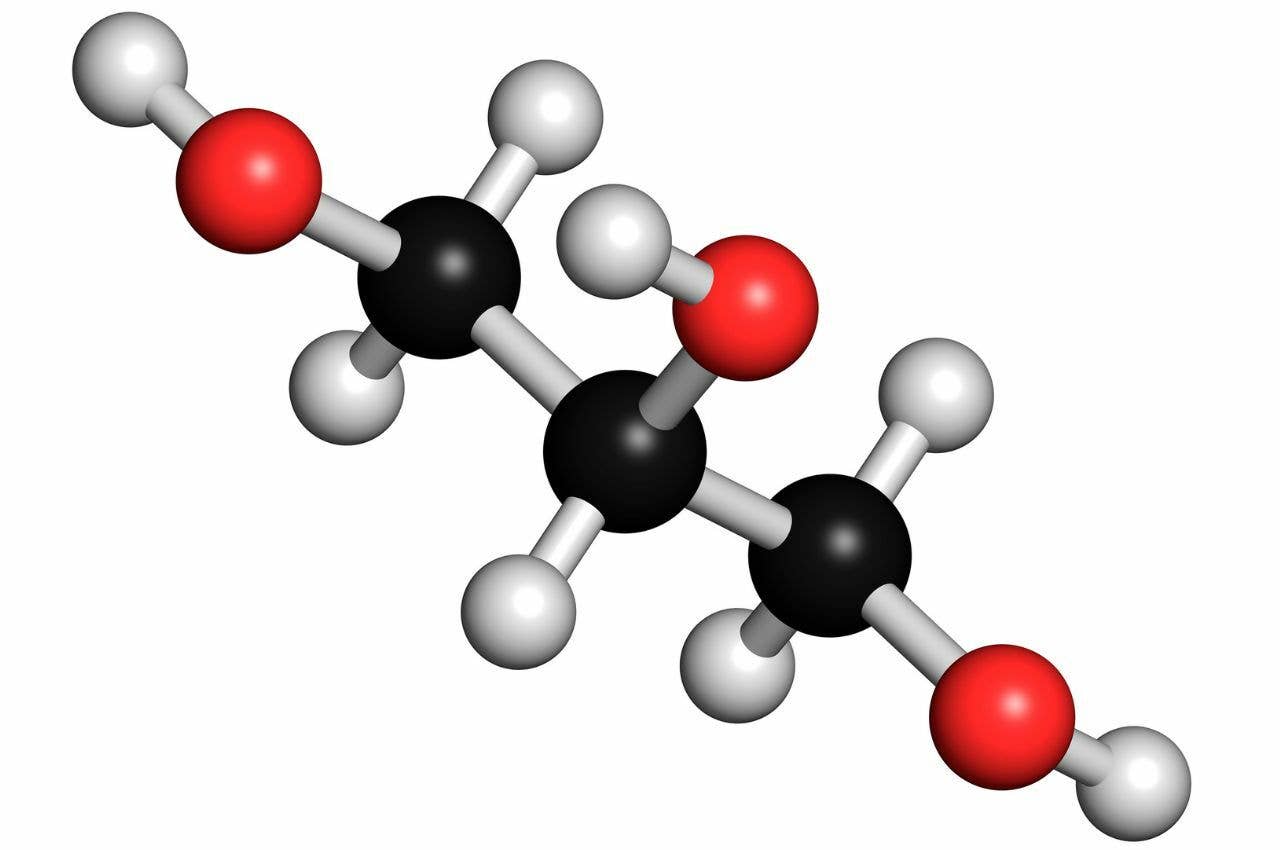
Key Takeaways
Atoms are the fundamental building blocks of all matter Atoms consist of protons, neutrons, and electrons Our understanding of atomic structure has evolved over time Atomic theory explains the properties and behavior of elements Next: We'll explore how atoms combine to form compounds