
Inside the Recording Studio World
Exploring Professional Music Production Technology, Culture, and Business Grade 12 Technology Education
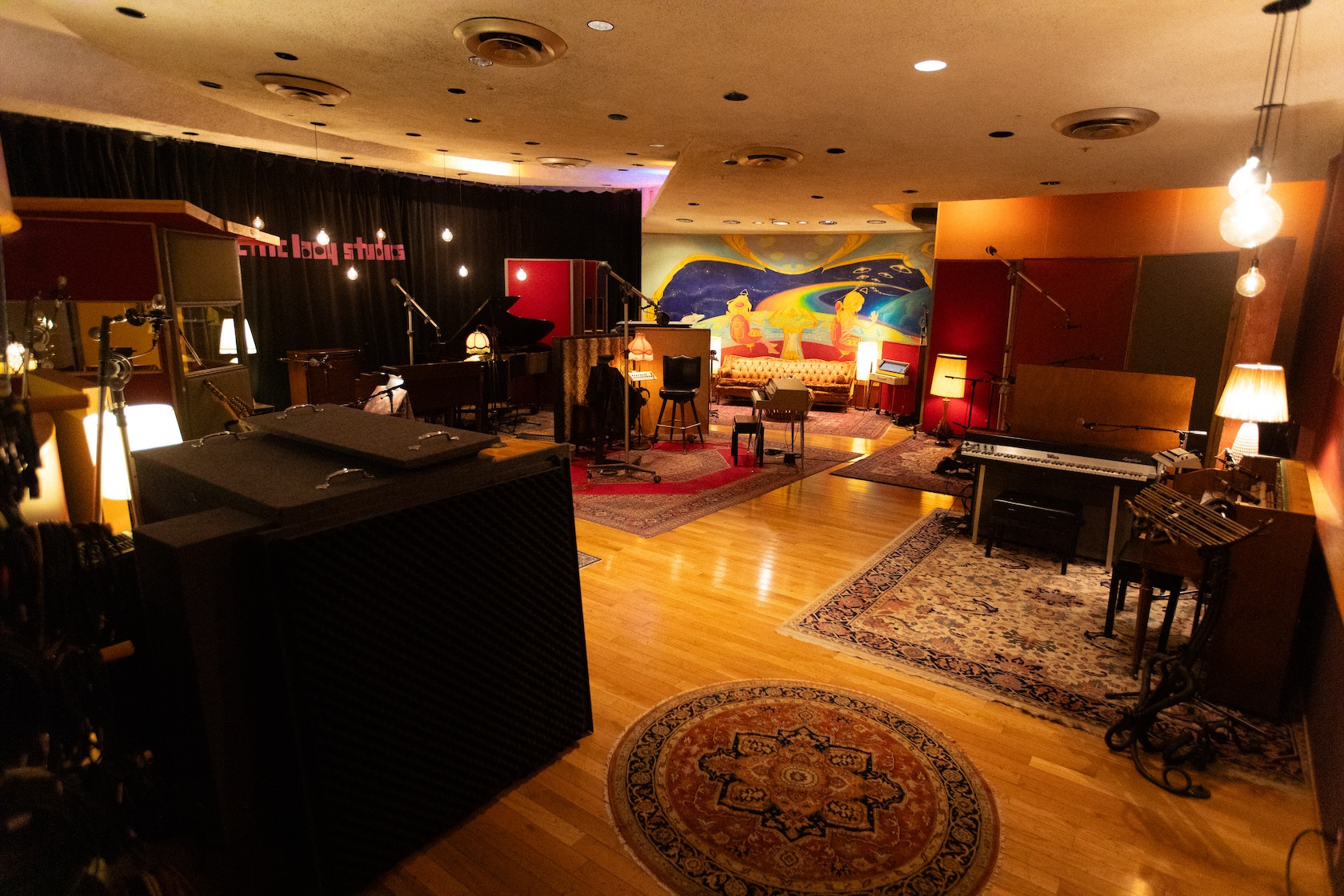
Studio Culture & Creative Environment
Studios foster creativity and technical precision Collaborative spaces where artists and engineers work together Designed to minimize distractions and maximize focus Cultural significance in music history and innovation

Soundproofing Challenge
Examine the studio layout diagram provided Identify where sound issues might occur Suggest placement for acoustic treatment Consider sound isolation between rooms

Home vs. Professional Studios
{"left":"Lower cost and accessibility\nLimited acoustic treatment\nBasic equipment and software\nConvenient for demos and practice","right":"Higher cost but superior quality\nProfessional acoustic design\nHigh-end equipment and expertise\nIndustry-standard results"}

Music Production Business Models
Independent DIY production - artists control entire process Record label studios - major investment, professional results Commercial rental studios - hourly rates, shared resources Online production services - remote collaboration, global access
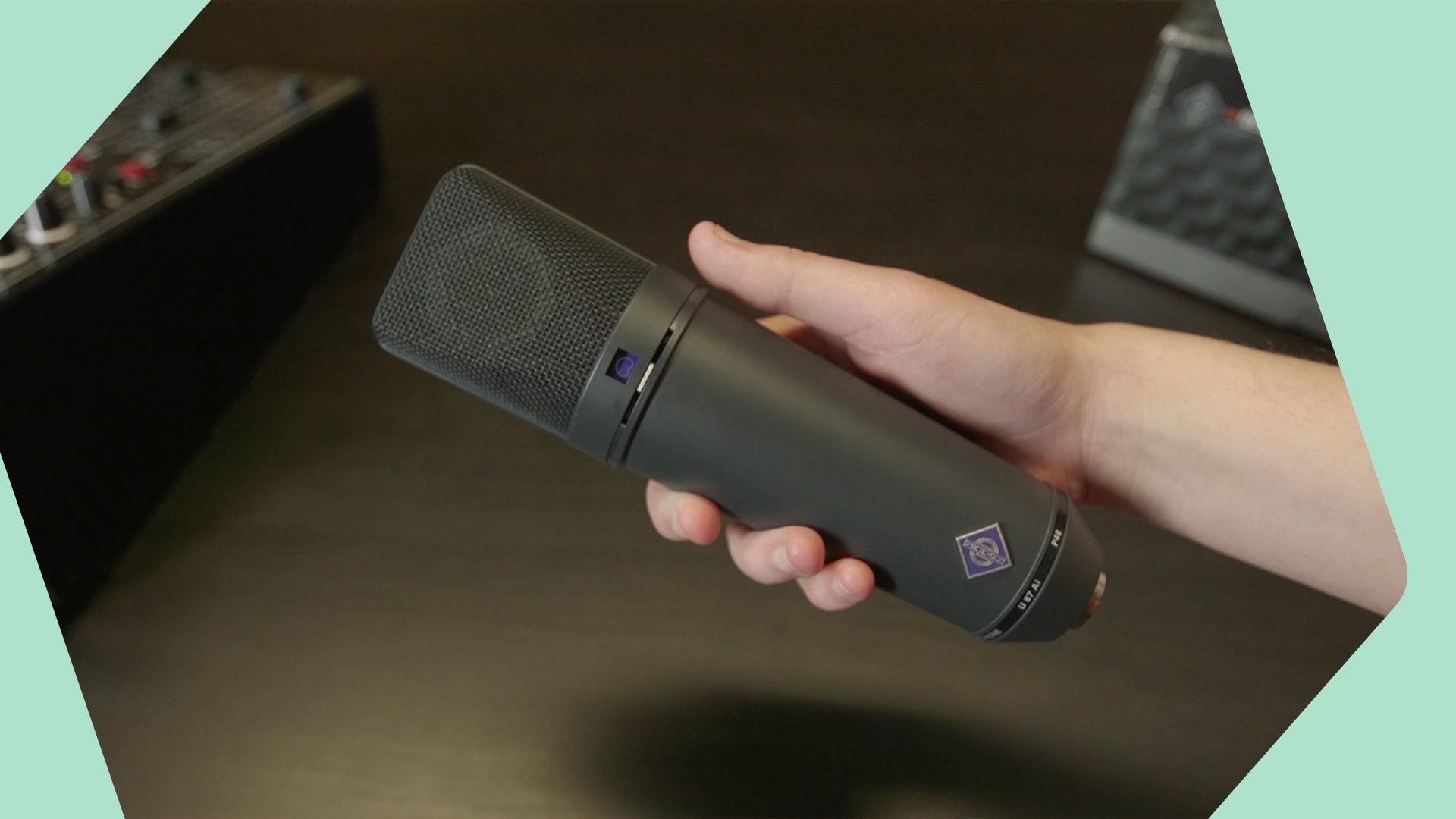
Essential Studio Equipment Guide

Critical Thinking Discussion
Which business model would you choose as an aspiring artist? How has technology democratized music production? What are the trade-offs between convenience and quality? How do different studio environments affect creativity?
Key Takeaways & Future Applications
Studio design directly impacts sound quality and creativity Multiple business models serve different needs and budgets Technology continues to evolve and democratize music production Understanding these concepts opens career pathways in audio technology