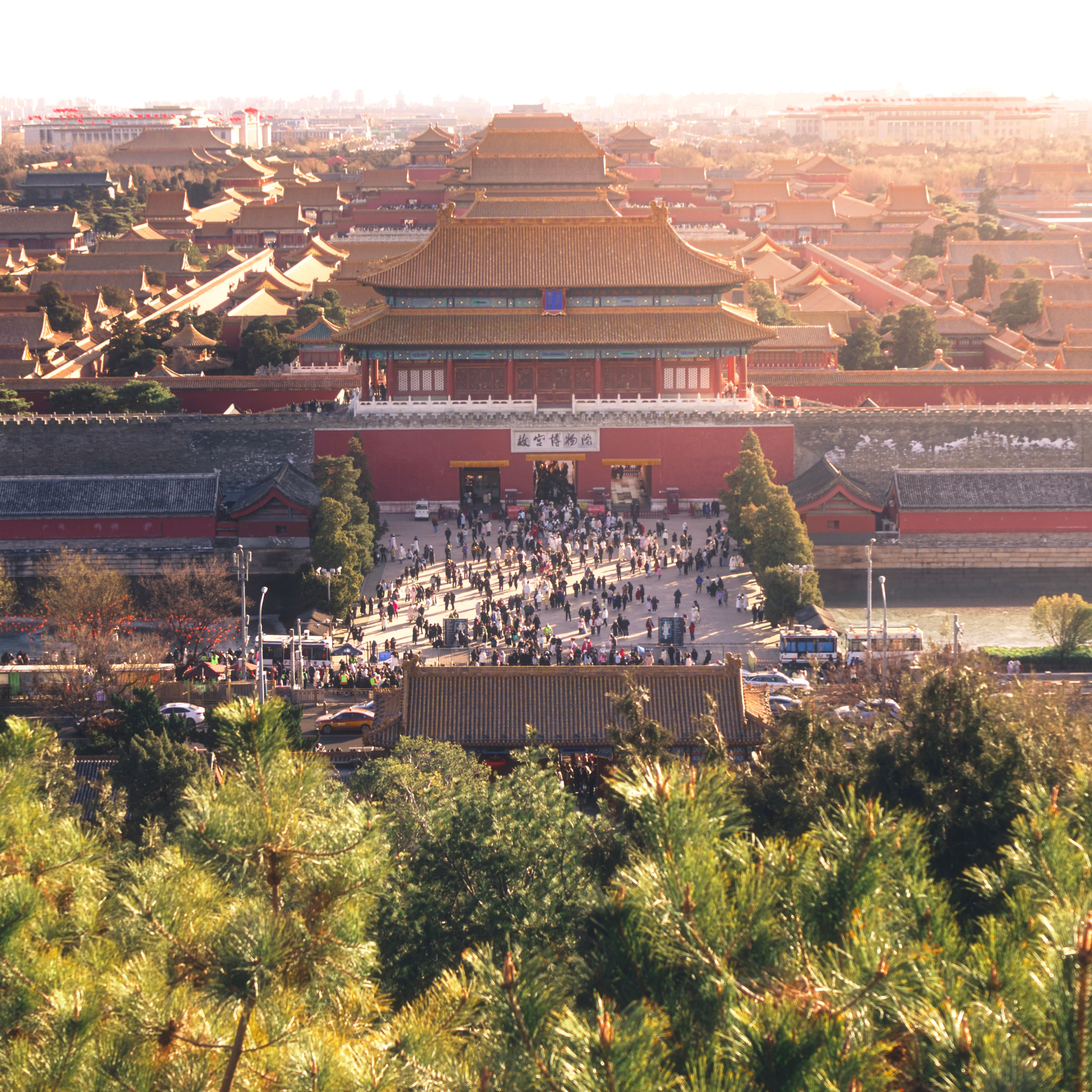
Imperial China's Revolutionary Collapse
Revolution, War, and the Rise of Nationalism Grade 9 History 50-minute presentation
Learning Goals - I Can Statements
I can identify the key events that led to the fall of the Qing Dynasty I can explain the goals of Sun Yixian and the Kuomintang I can analyze the impact of the May Fourth Movement on Chinese society I can describe the struggle between Nationalists and Communists I can evaluate the significance of the Long March

Think-Pair-Share: Leading a New Nation
THINK: Imagine your country's government has suddenly collapsed PAIR: Discuss with a partner what kind of new government you would want to build SHARE: Present your ideas to the class Consider: What values would guide your decisions?
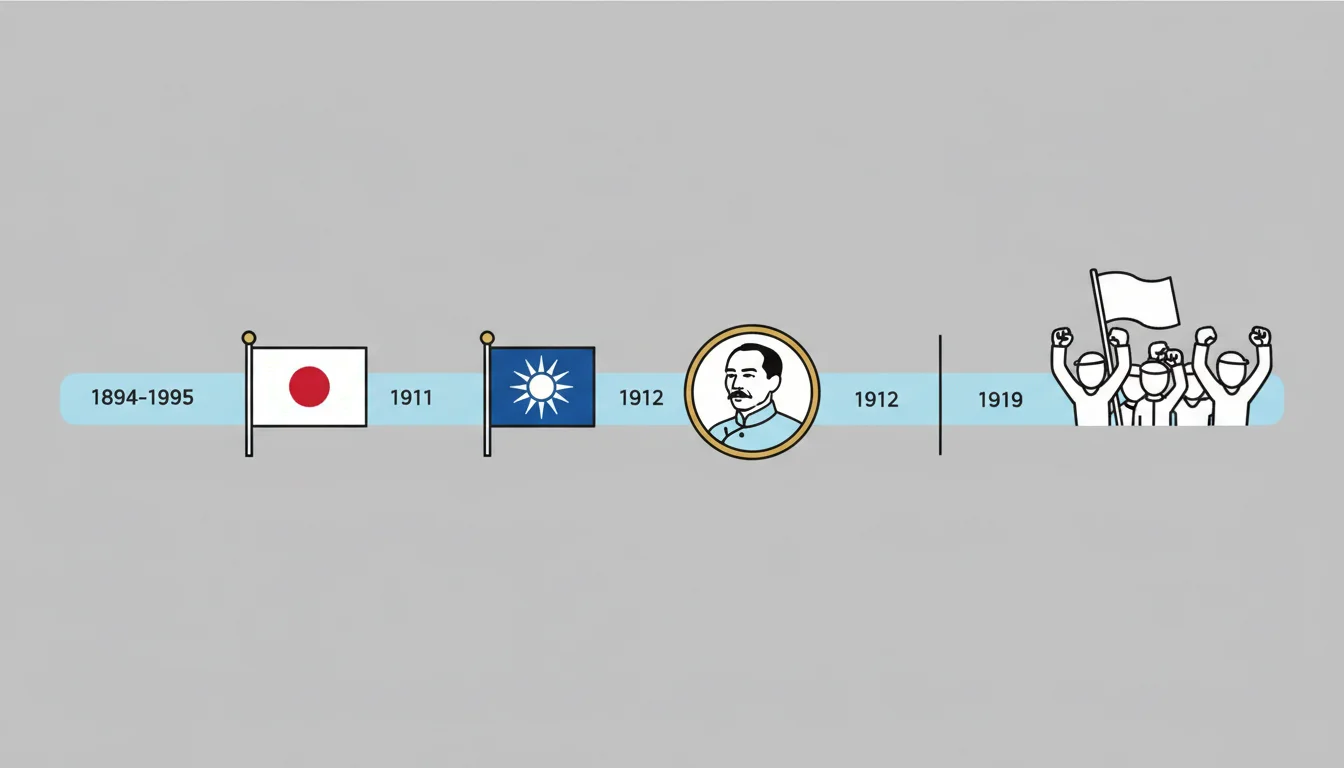
Timeline: Collapse of Imperial China
The Qing Dynasty's Fatal Weakness
The Sino-Japanese War (1894-1895) exposed China's military weakness Foreign powers gained more influence and territory Internal rebellions challenged imperial authority Economic problems and corruption weakened the government The 'Mandate of Heaven' appeared lost
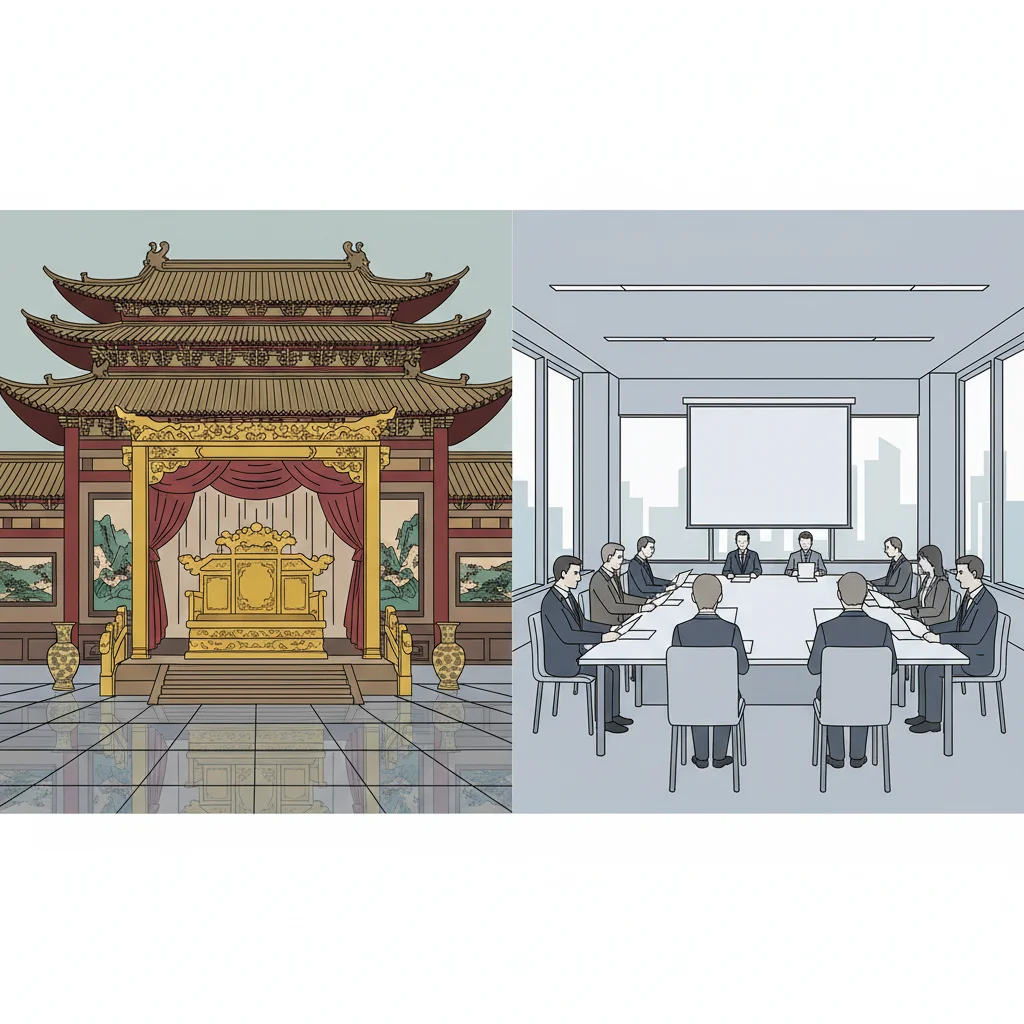
Dynastic Rule vs. Revolutionary Ideas
{"left":"Power passed down through royal families\nStrict social hierarchy with Emperor at top\nMandate of Heaven legitimized rule\nConfucian values dictated social order\nFocus on tradition and stability","right":"Power should belong to the people\nSociety should be more equal\nMerit and ability should determine leadership\nModern ideas and technology embraced\nRapid change and progress valued"}
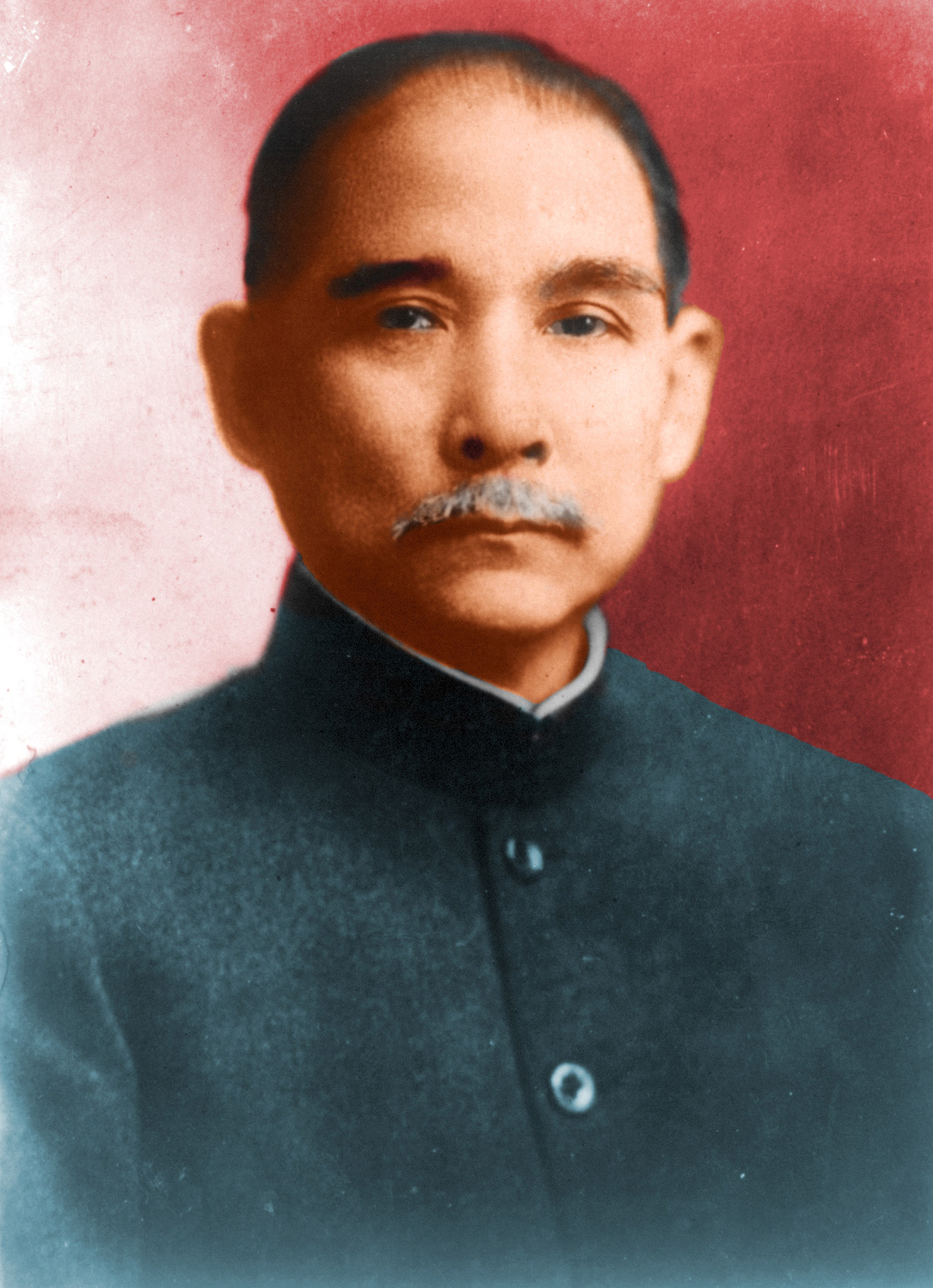
Sun Yixian: Father of Modern China
Led the revolutionary movement against the Qing Dynasty Founded the Kuomintang (Nationalist Party) Promoted the 'Three Principles of the People' Nationalism - unite China and end foreign control Democracy - government by and for the people Livelihood - economic security for all citizens

Check for Understanding: Revolutionary Goals
Which of Sun Yixian's 'Three Principles' do you think was most important for China's future? A) Nationalism - uniting China B) Democracy - government by the people C) Livelihood - economic security Defend your choice with evidence!

The May Fourth Movement: Student Power
Started on May 4, 1919, as student protests in Beijing Opposed the Treaty of Versailles giving German territory in China to Japan Demanded modernization and rejection of traditional culture Promoted science, democracy, and nationalism Led to the rise of Communist ideas in China Showed the power of organized student activism
Historical Figure Q&A: Interview with Sun Yixian
Work in pairs: one student plays Sun Yixian, the other is a journalist Journalist: Prepare 3 questions about his goals for China Sun Yixian: Answer based on what you've learned about his Three Principles Switch roles and repeat Sample questions: 'Why did you oppose the Qing Dynasty?' 'How will democracy work in China?'