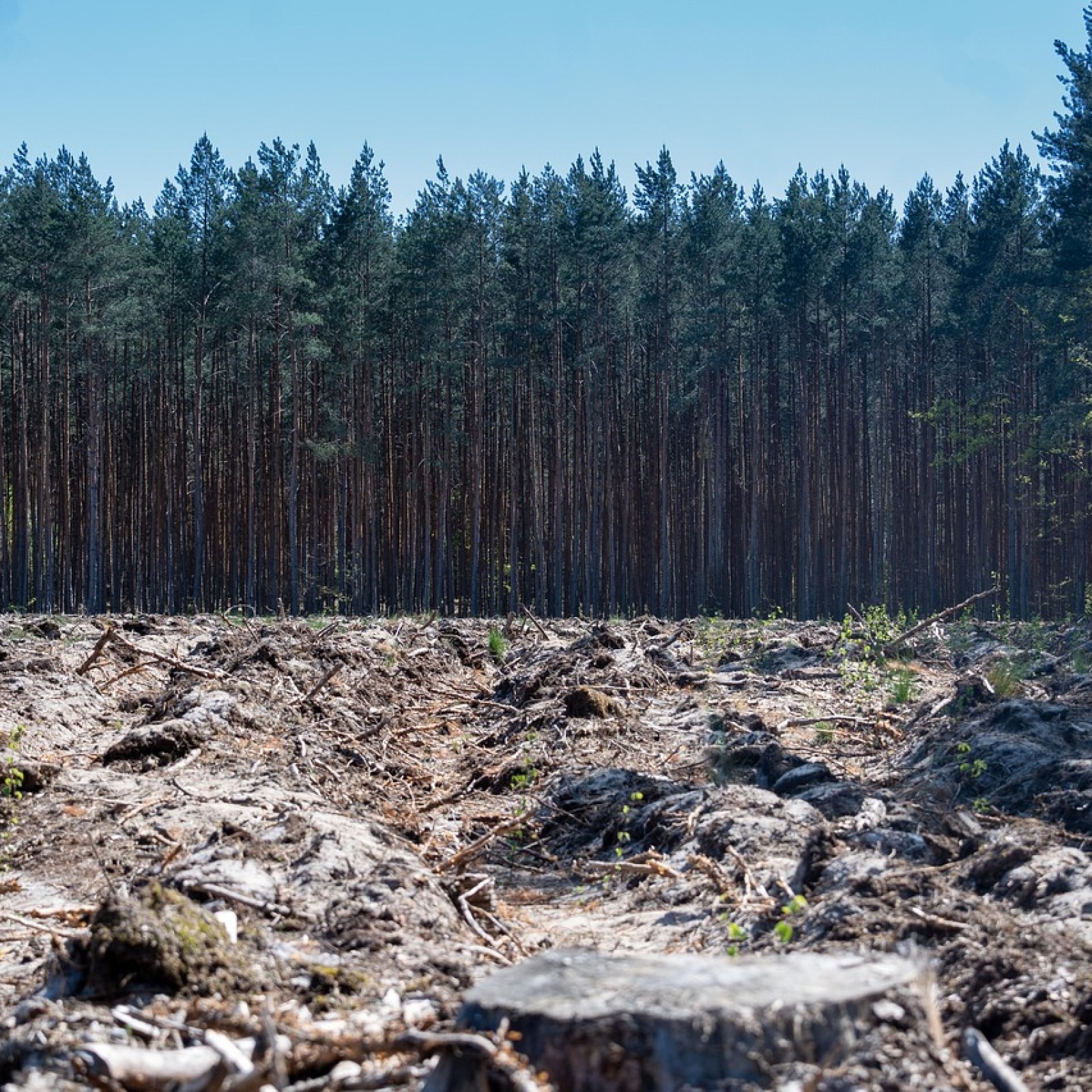
Habitat Changes and Population Impacts
Understanding how environmental changes affect animal populations Grade 5 Science - NGSS 5.L4U3.11

Think About It
A forest area is cut down to build houses. What might happen to animals that lived in that forest? Why might some populations decrease?
Learning Objectives
I can identify how habitat changes affect organisms I can explain how human actions impact ecosystems I can use evidence to explain population changes
What is a Habitat?
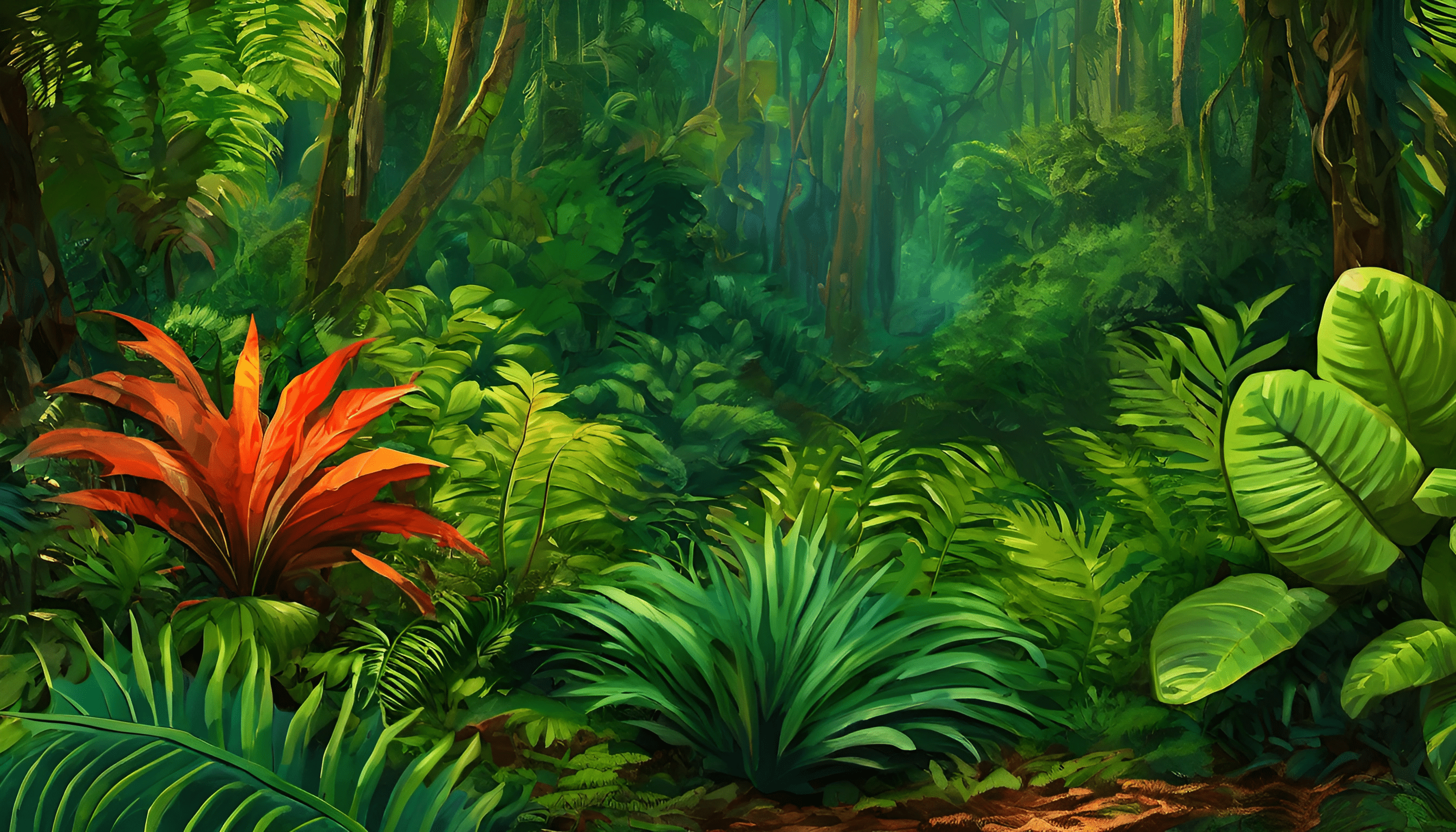
A habitat is the natural home of an organism Provides food, water, shelter, and space Different animals need different habitats Examples: forests, oceans, deserts, grasslands

Types of Habitat Changes
{"left":"Natural Changes\nFires\nFloods\nDroughts\nClimate change","right":"Human Changes\nConstruction\nFarming\nPollution\nLogging"}
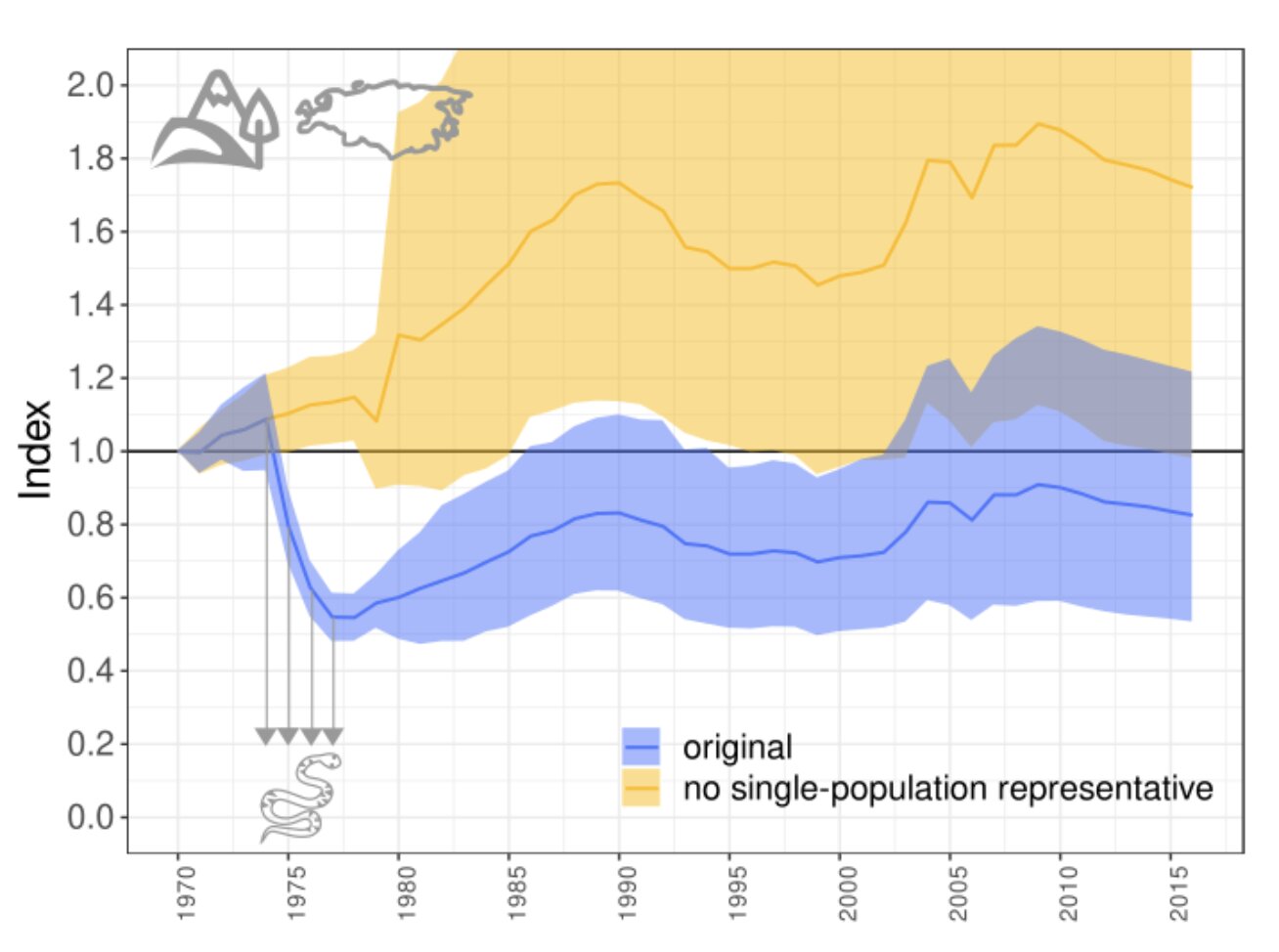
Population Effects of Habitat Change
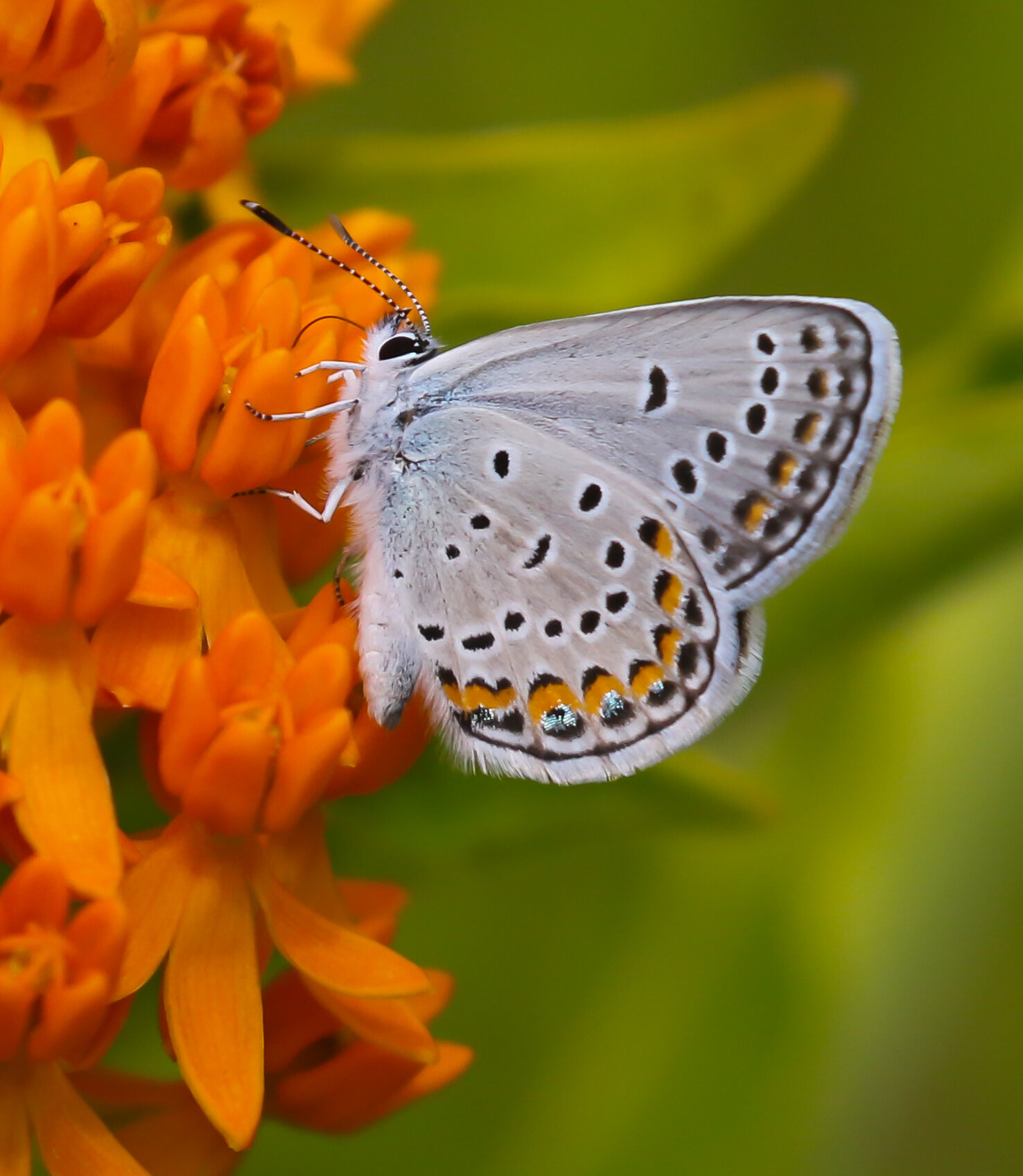
Case Study: The Karner Blue Butterfly
Lives only where wild lupine plants grow Wild lupine needs sunlight and open areas Butterfly larvae depend completely on lupine Population changes with lupine availability

Analyzing Evidence
Read the passage about Karner blue butterflies and wild lupine Question: Which statement is BEST supported by the passage? A. Butterfly populations always decrease when habitats change B. Butterfly populations can increase if humans maintain the environment C. Butterflies can survive without wild lupine plants

Working Together
In which TWO ways does maintaining an area affect the wild lupine population? A. It allows them to receive more sunshine B. It reduces competition between plants C. It provides more water D. It attracts more butterflies
Key Takeaway
"Understanding how habitat changes affect populations helps us make better decisions about protecting wildlife and their homes."