
Glaciers: Ice Giants in Motion
Exploring Earth's Frozen Rivers Year 6 Science Understanding How Ice Shapes Our Planet

What Do You Think?
What is a glacier? How do you think glaciers form? Where might we find glaciers on Earth?
What is a Glacier?
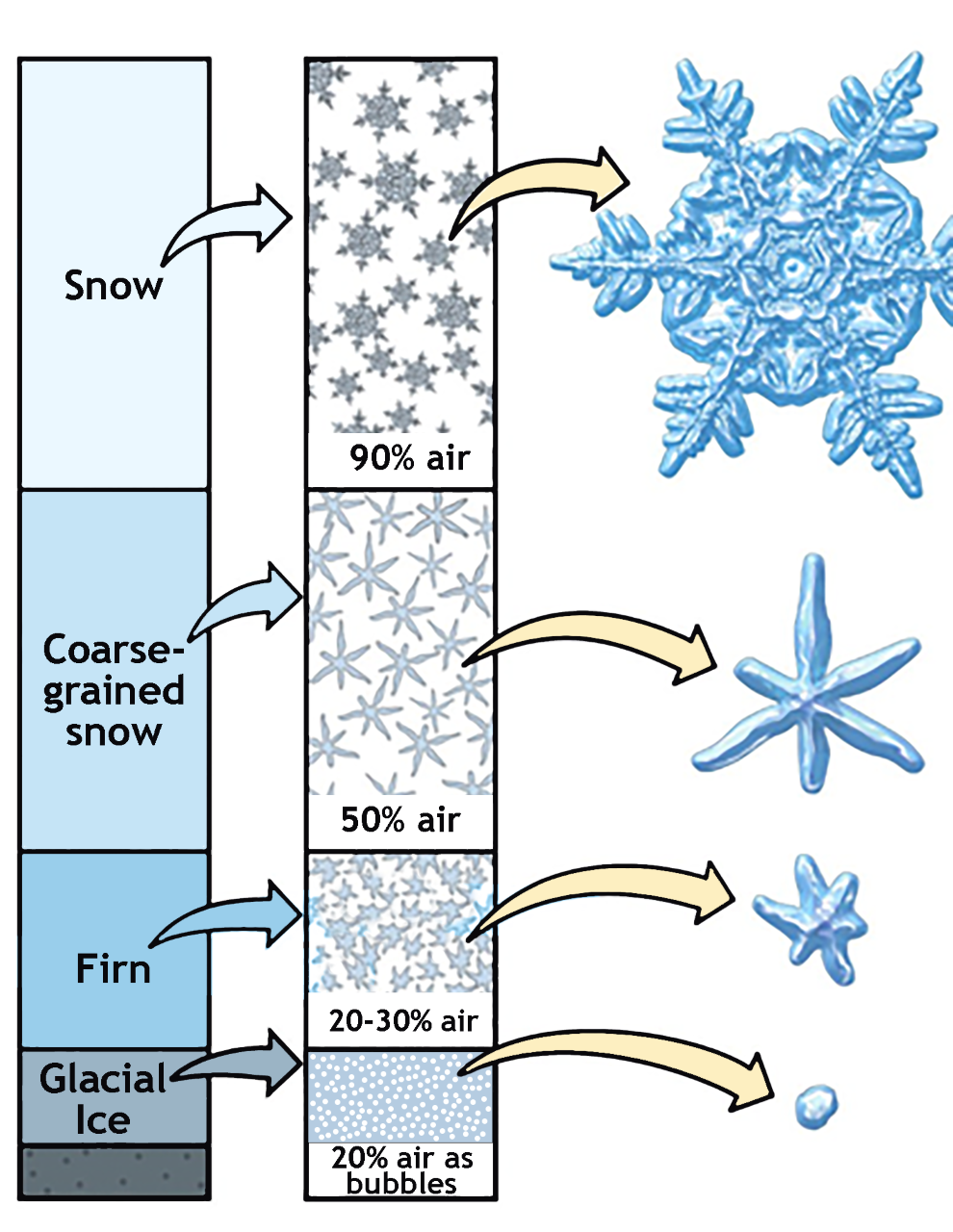
A glacier is a large mass of ice that moves slowly over land Formed from compressed snow that has accumulated over many years Glaciers can be hundreds or thousands of years old They flow like very slow rivers made of ice

How Glaciers Form

Types of Glaciers
{"left":"Alpine Glaciers - Form in mountain valleys\nFlow down from high peaks like frozen rivers","right":"Continental Ice Sheets - Cover large areas of land\nMuch thicker and larger than alpine glaciers"}
How Glaciers Move
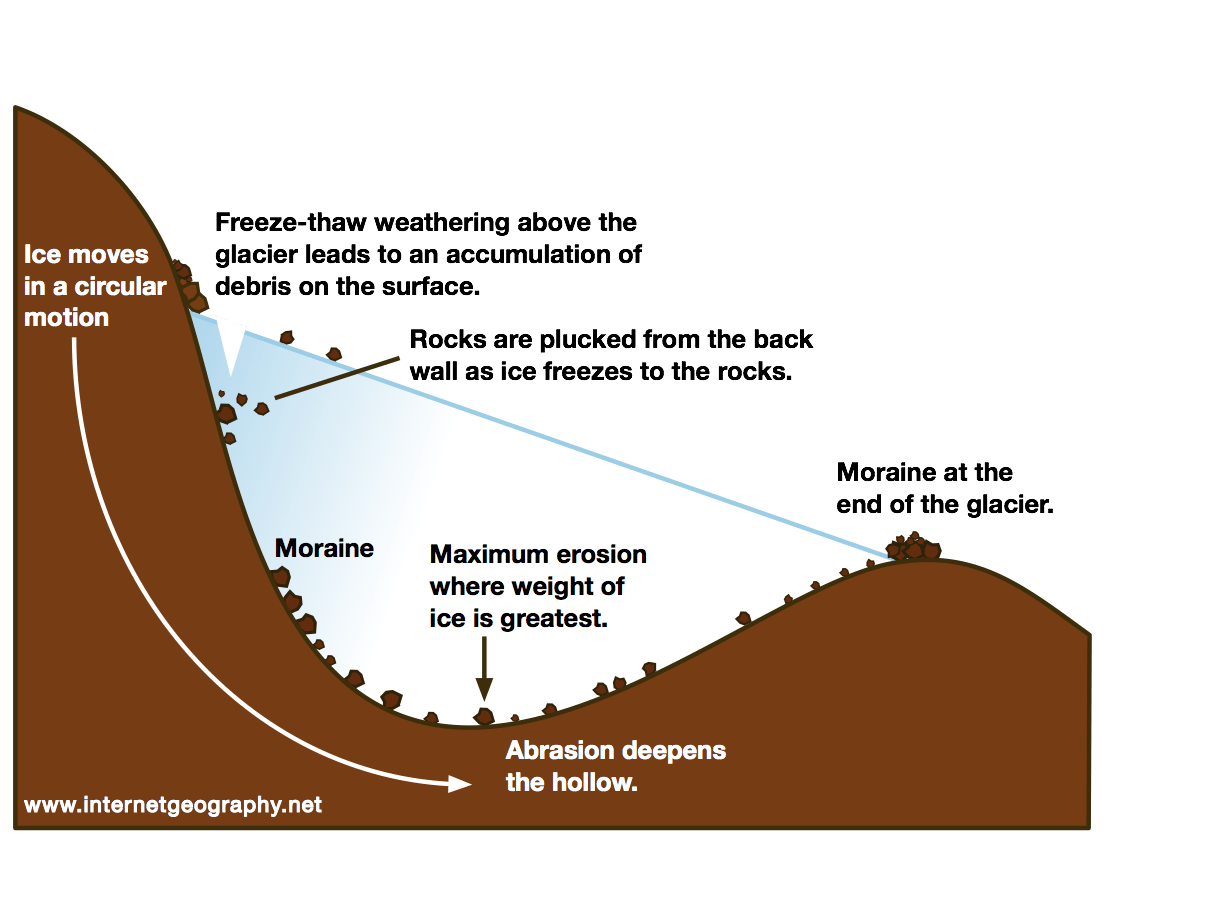
Glaciers flow downhill due to gravity The ice moves very slowly - only a few feet per year The bottom of the glacier slides on a thin layer of water As glaciers move, they carve and shape the landscape
Glacier Movement Activity
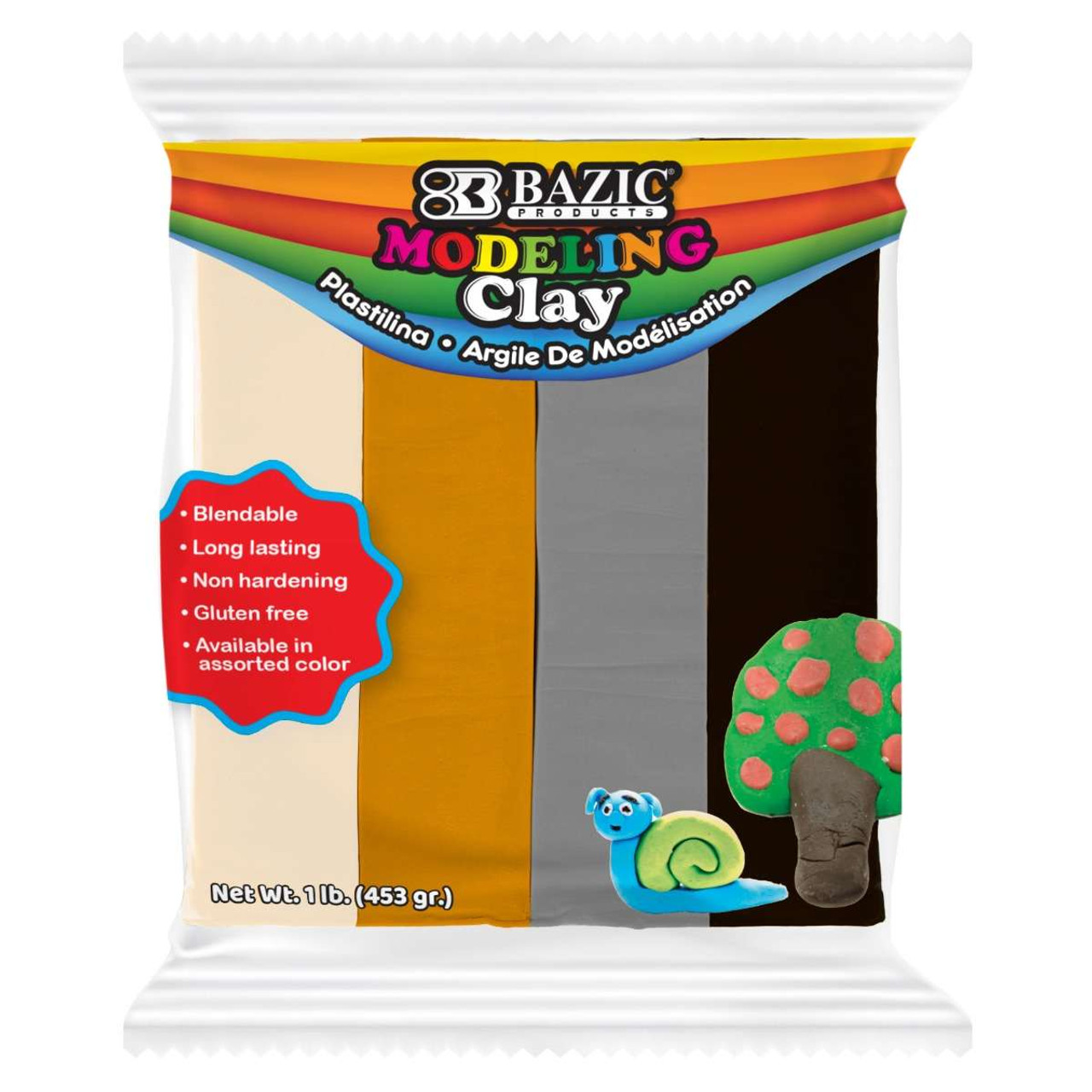
Work with a partner Use modeling clay to create a 'glacier' Place it on a sloped surface Observe how it slowly 'flows' downhill Draw what you observe
Glacial Landforms
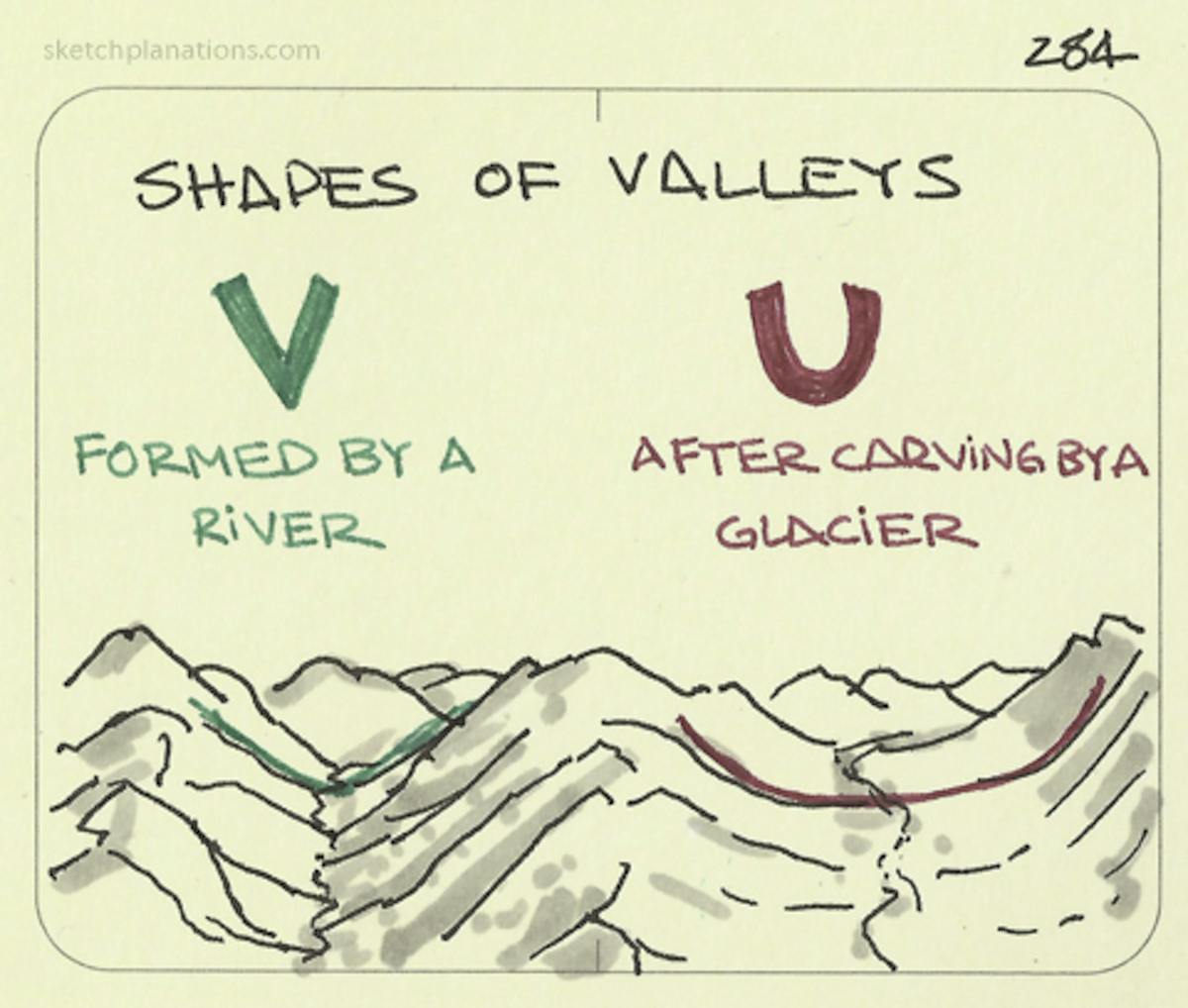
U-shaped valleys carved by glaciers Moraines - piles of rocks and debris left behind Fjords - deep valleys filled with ocean water Cirques - bowl-shaped areas where glaciers began
Climate Connection
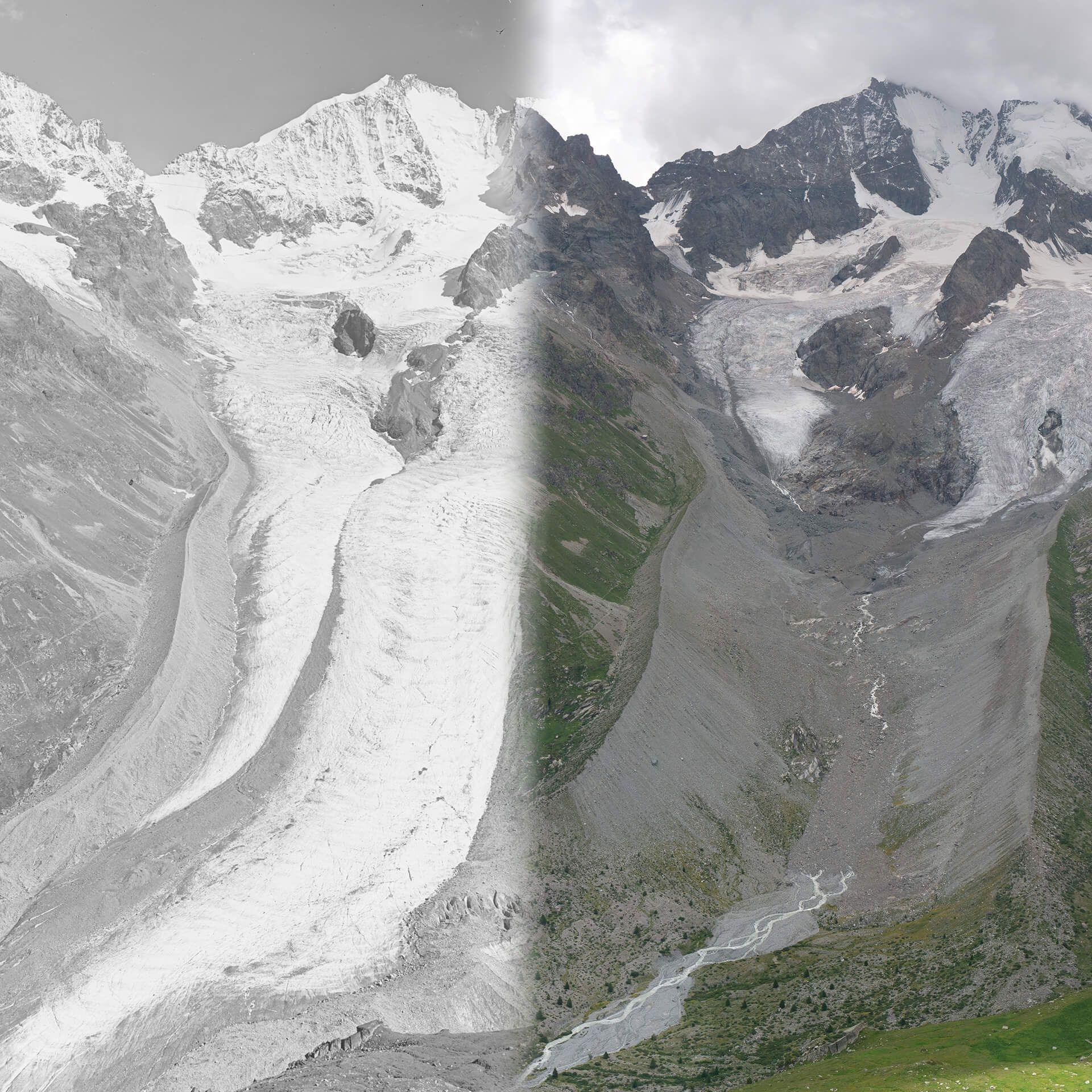
How do you think climate change affects glaciers? What happens when glaciers melt? Why should we care about glaciers?
Glaciers Today
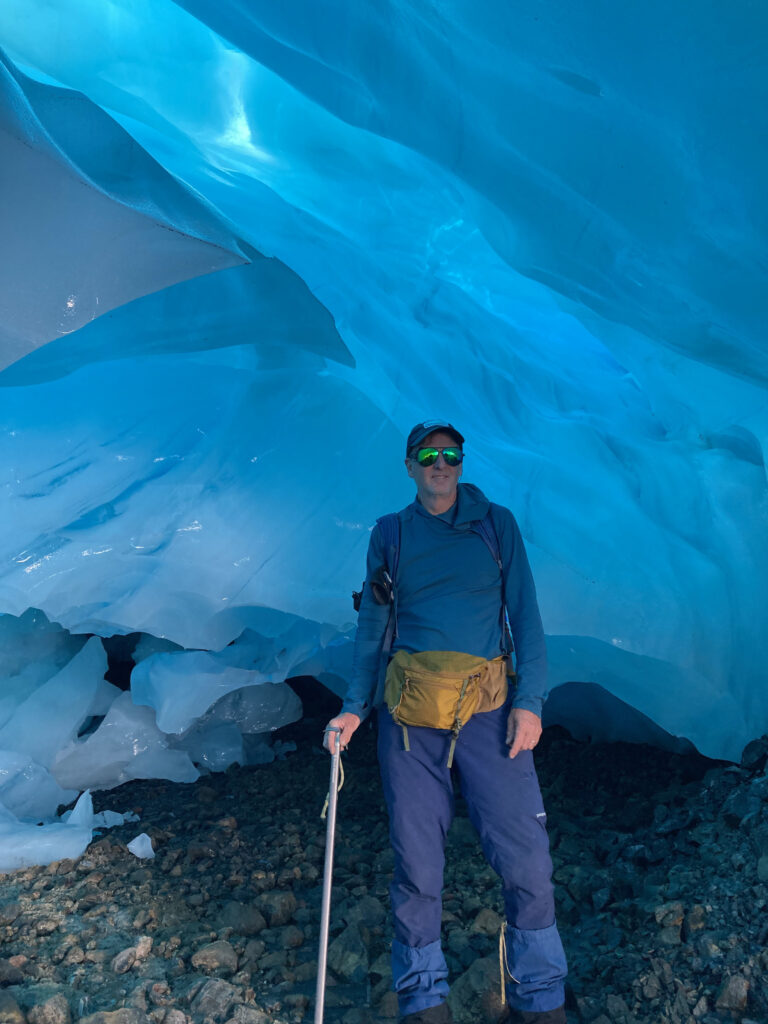
Most glaciers around the world are shrinking They provide fresh water for millions of people Scientists study glaciers to understand climate change We can help by learning about and protecting our environment