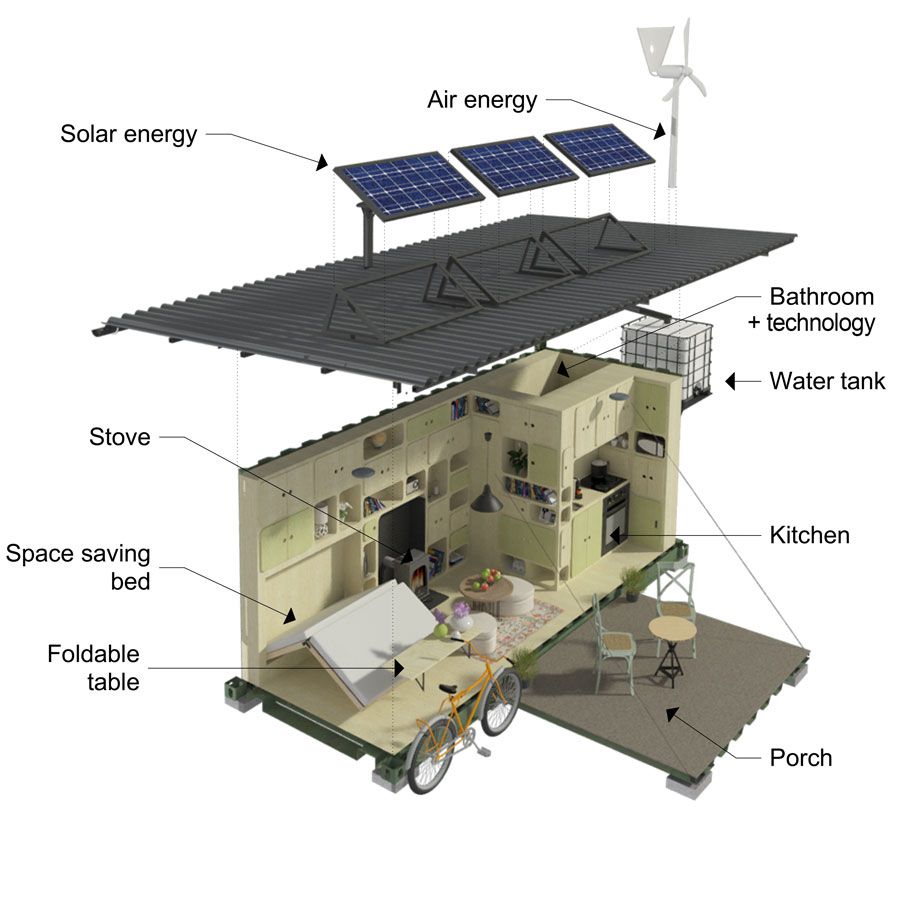
Geometry Meets Home Energy Efficiency
Grade 12 Mathematics Applying geometric concepts to real-world energy solutions 40-minute interactive lesson
Bellringer: Think About It
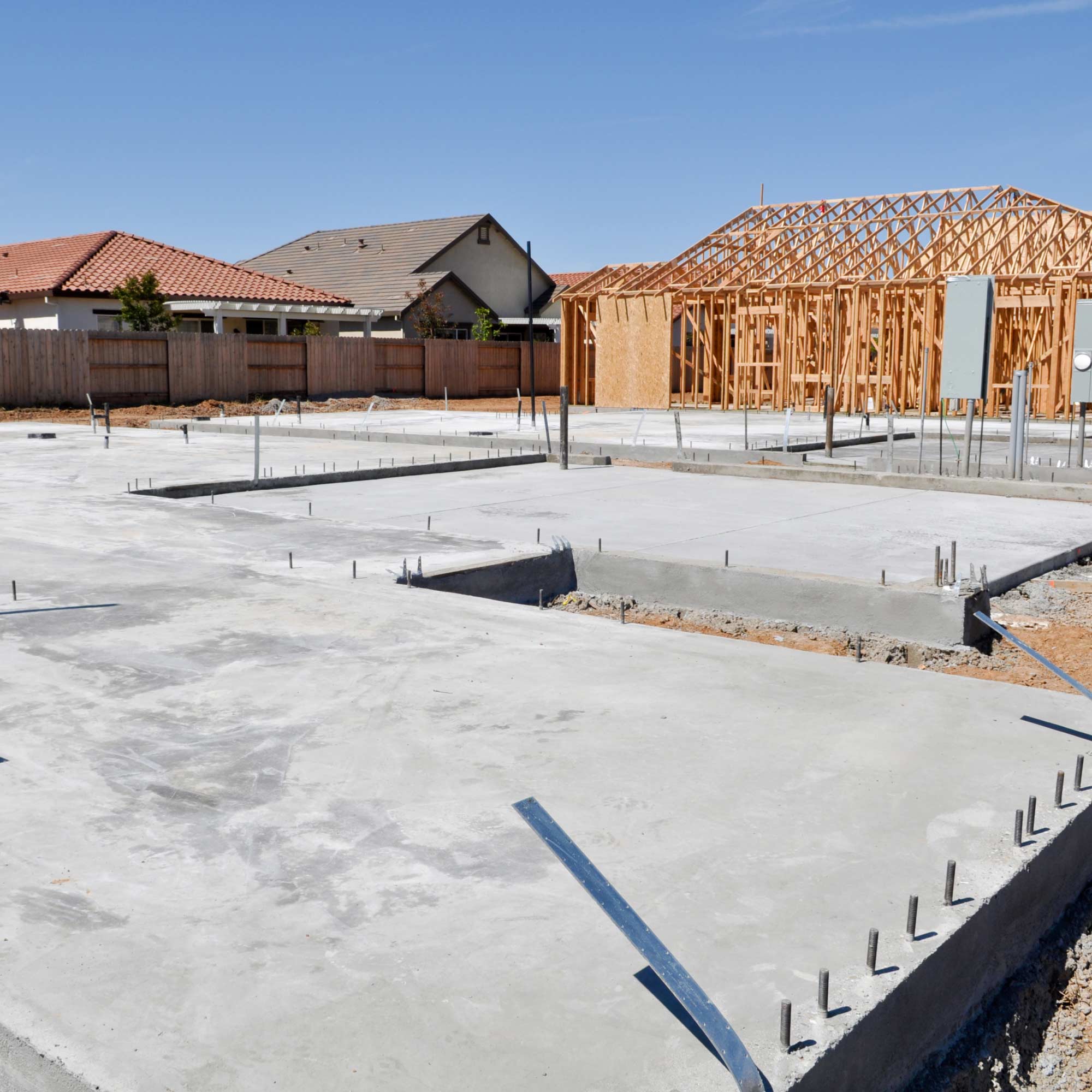
Imagine you are building a new house. Why might understanding the shape and size of your foundation be important when choosing insulation? Write a short response, then we'll share ideas.

Geometry Review: Foundation Shapes
Surface Area = total area of all exposed surfaces Volume = amount of space inside the foundation Rectangle: SA = 2(lw + lh + wh), V = lwh Cylinder: SA = 2πr² + 2πrh, V = πr²h Why does surface area matter for insulation?
Understanding R-Values
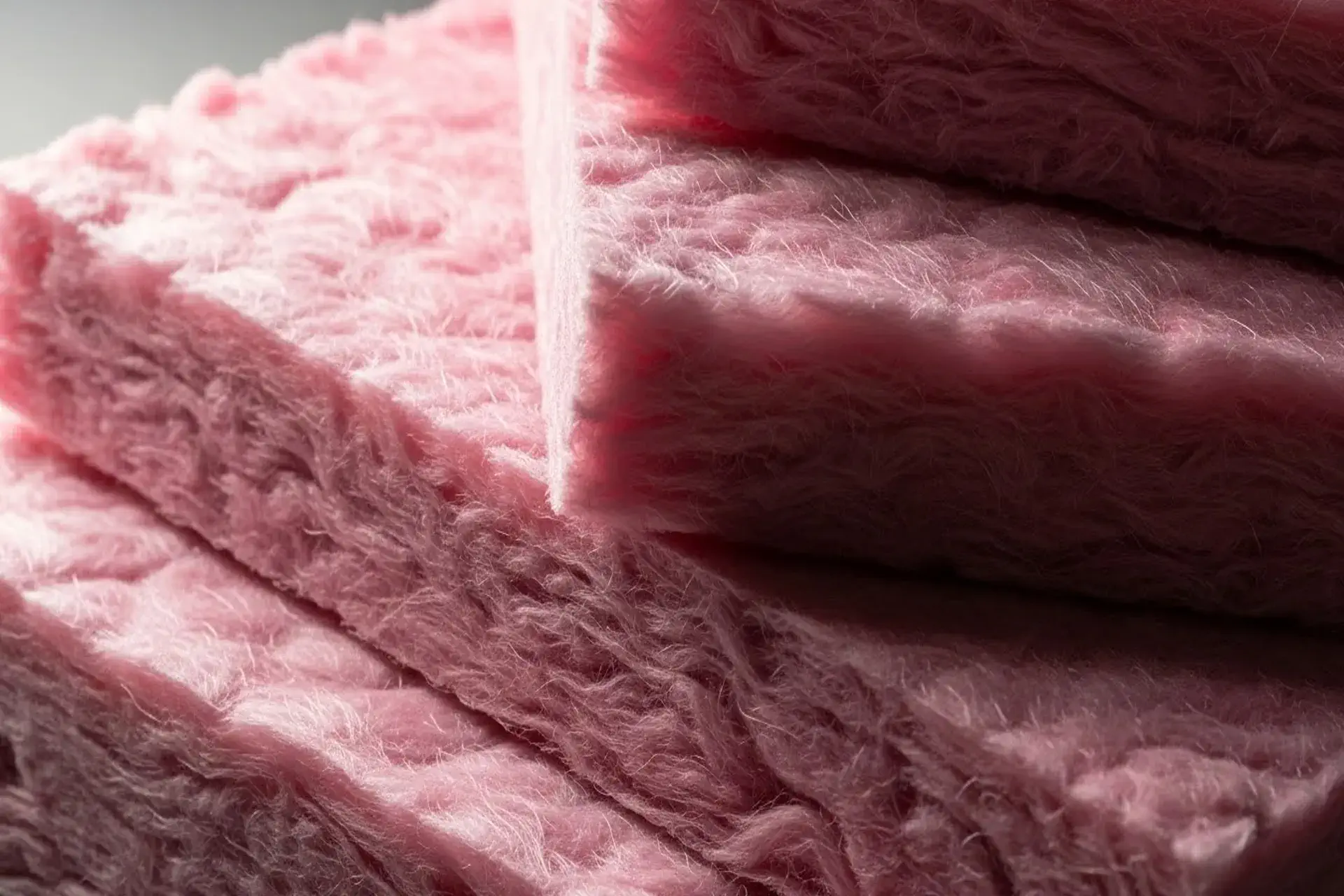
R-value = resistance to heat flow Higher R-value = better insulation Measured in ft²·°F·hr/BTU Common materials: Fiberglass (R-3.2 per inch), Foam (R-6.5 per inch) Total R-value = thickness × R-value per inch

Group Challenge: Foundation Analysis
Groups of 5 students each Calculate surface area and volume of your assigned foundation Determine insulation requirements using R-values Predict energy efficiency based on your calculations Prepare to present your findings

Foundation Shapes: Energy Impact
{"left":"Rectangular foundations have predictable surface areas\nMore corners = more heat loss points\nCylindrical foundations minimize surface area for given volume","right":"Curved surfaces distribute thermal stress better\nSimple shapes are easier to insulate uniformly\nComplex shapes may have insulation gaps"}

Critical Thinking Discussion
How does foundation shape influence energy efficiency? Can energy loss be minimized more through geometry or better insulation? How would local climate affect your insulation choices? What other factors besides R-values and geometry matter?

Key Takeaway
Mathematics helps us make informed decisions about energy efficiency in our daily lives. Geometry + Science = Smart Building Design