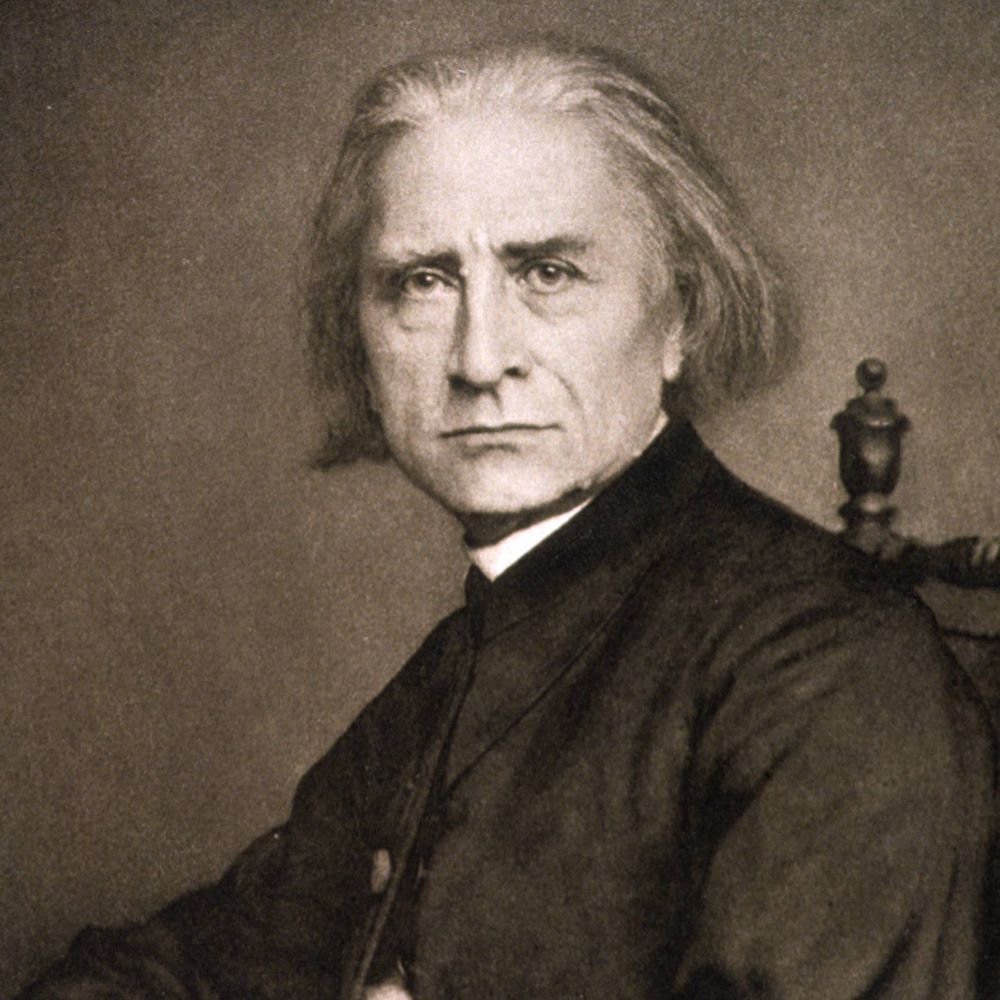
Franz Liszt: Piano Virtuoso Explorer
Discovering the life and music of a Hungarian piano legend Year 7 Music - Interactive Learning Journey

Learning Goals - I Can Statements
I can identify key facts about Franz Liszt's life and musical career I can explain why Liszt was important to piano music history I can recognize the sound of Hungarian Rhapsody No. 2 I can demonstrate simple musical techniques on classroom instruments
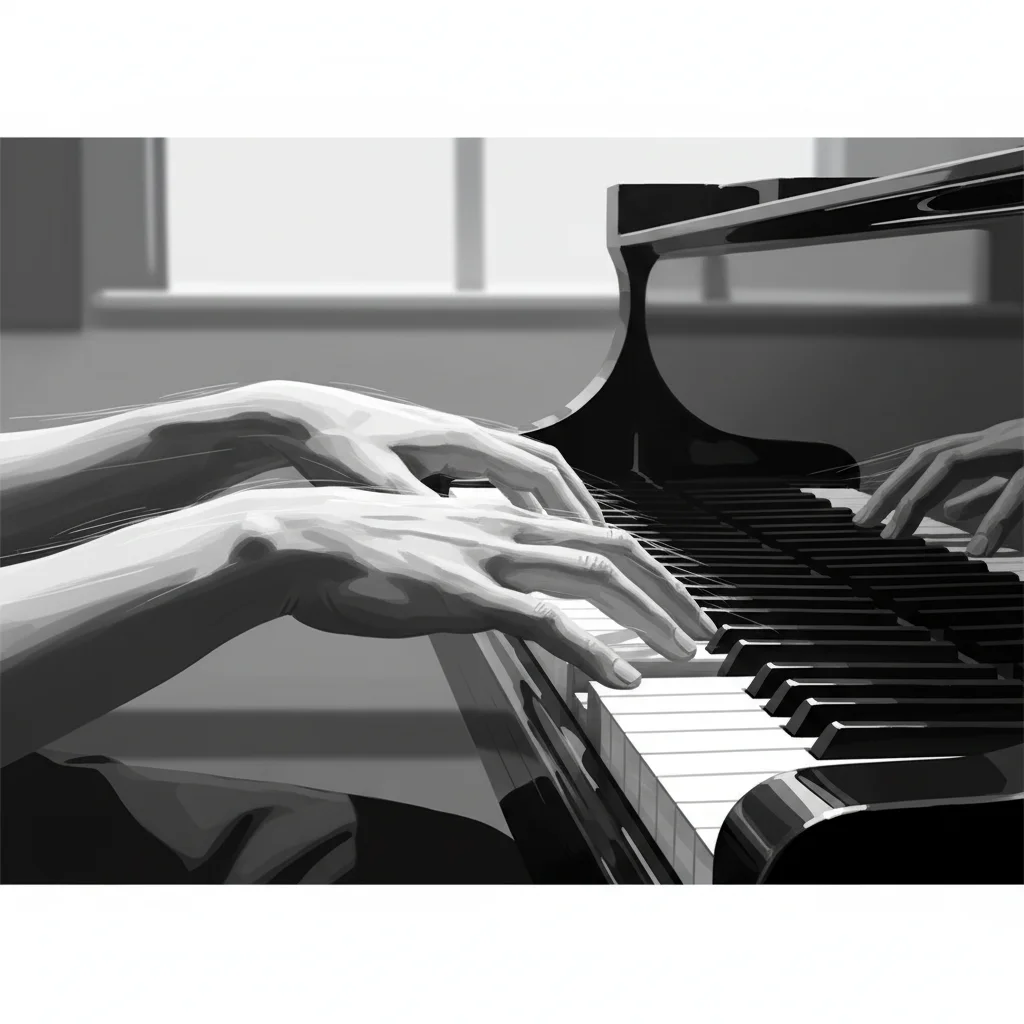
What Makes a Piano Virtuoso?
Think about the most skilled musicians you know What special abilities would a piano 'virtuoso' need? Share your ideas with a partner

Franz Liszt: The Basics
Born: October 22, 1811 in Hungary Died: July 31, 1886 (age 74) Known as the greatest piano virtuoso of the 19th century Composer, performer, and teacher Nicknamed 'The Piano Wizard'
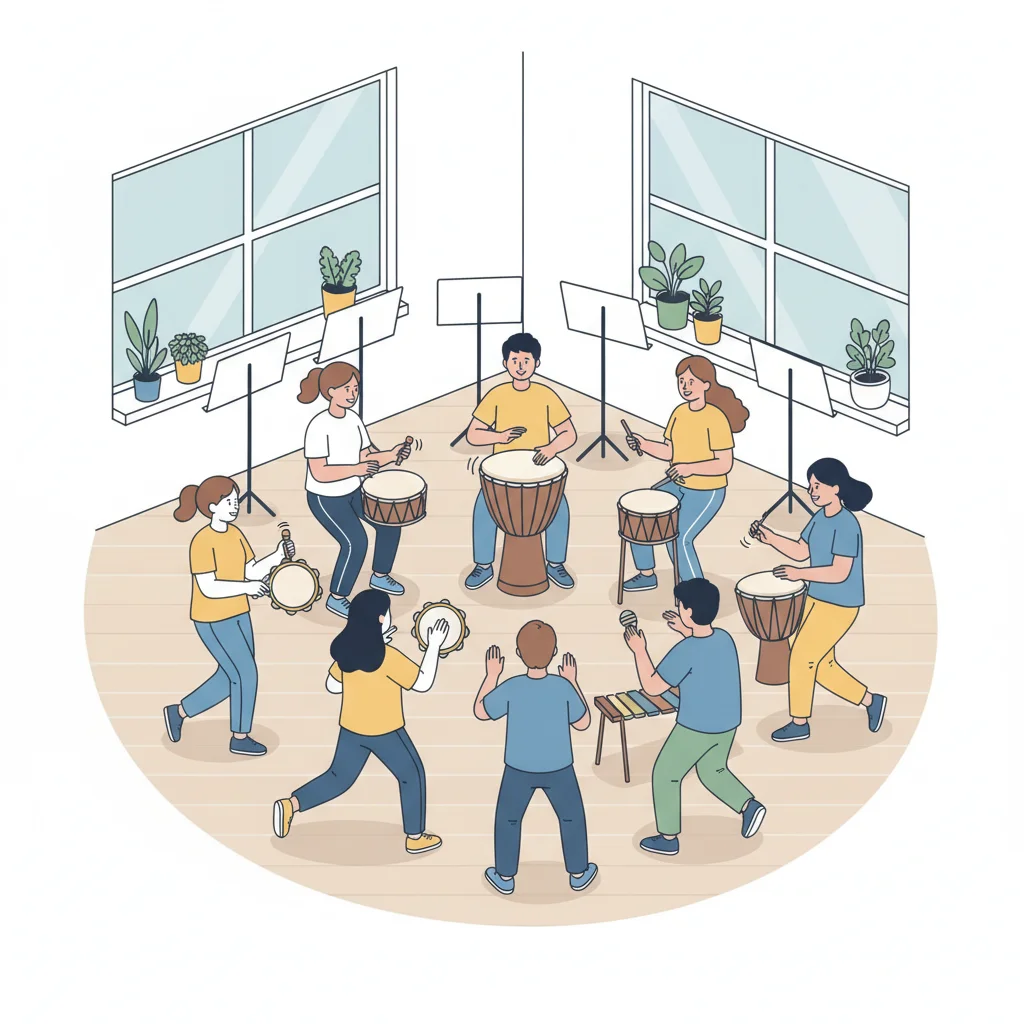
Rhythm Challenge: Liszt's Energy
Listen to a short clip of Hungarian Rhapsody No. 2 Use drums and percussion to match the rhythm Start slow, then build to the fast section Feel the excitement Liszt created!

Franz Liszt's Life Journey
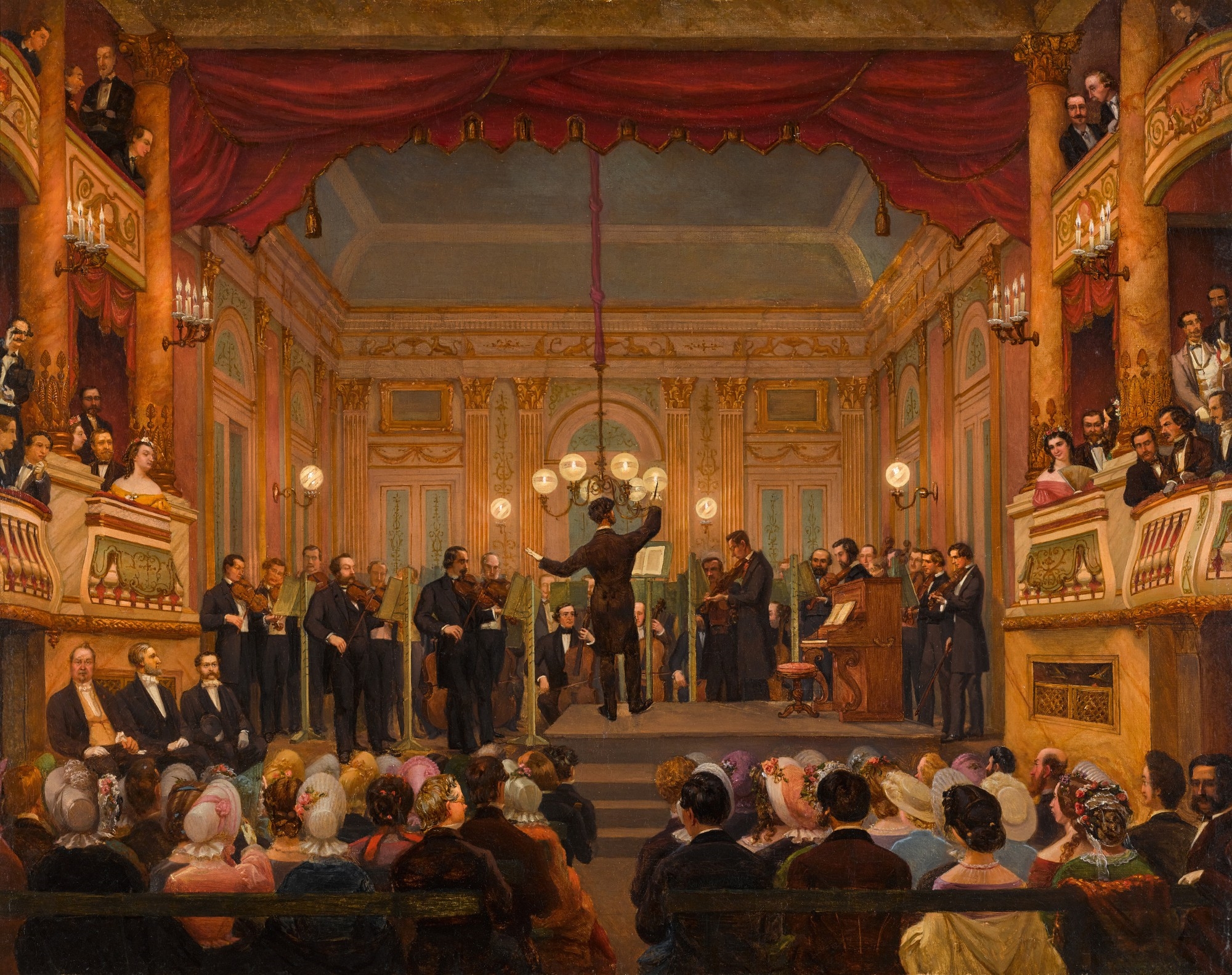
Reading Passage: Why Liszt Changed Music Forever
Franz Liszt revolutionized piano playing with incredible technique He invented the solo piano recital - performing alone on stage Created new ways to make the piano sound like an entire orchestra Influenced countless composers who came after him Made classical music exciting and dramatic for audiences
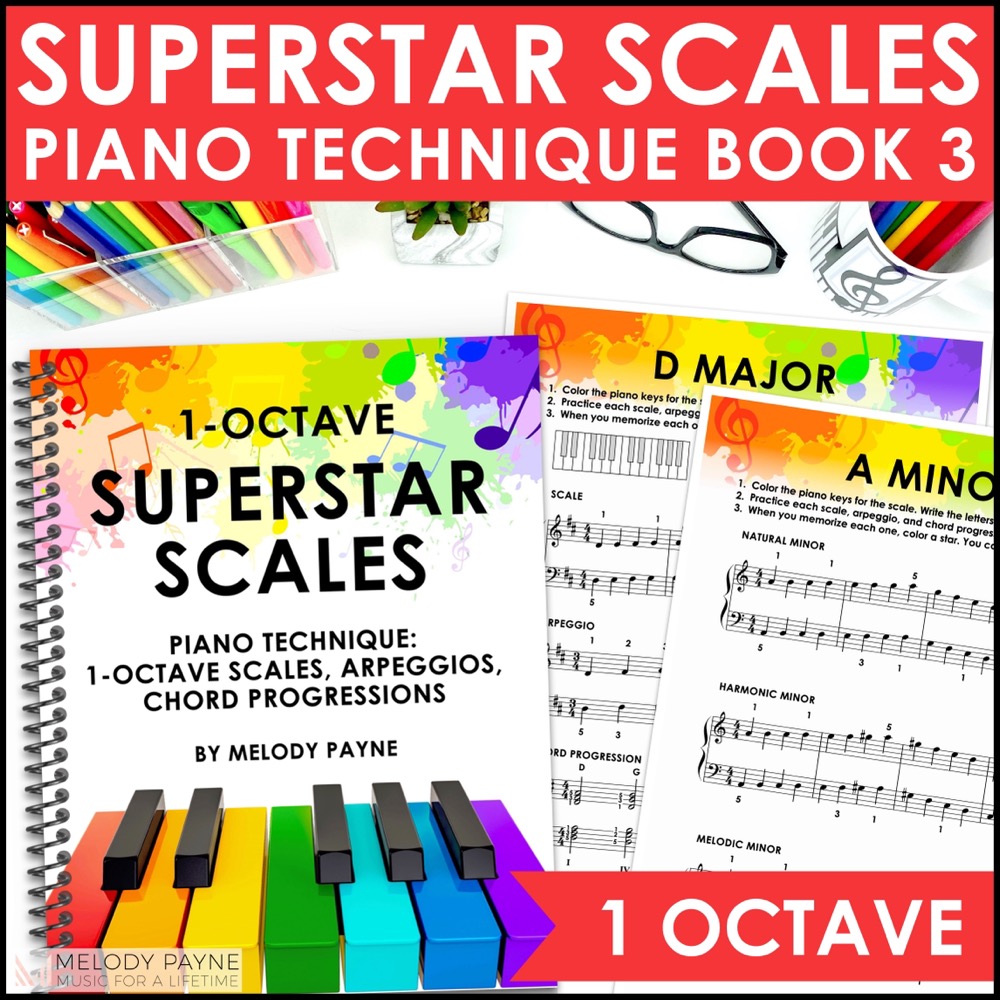
Liszt's Musical Innovations
{"left":"Technical Innovations: Lightning-fast scales and arpeggios\nEmotional Expression: Made piano music tell dramatic stories","right":"Performance Style: Added theatrical gestures and showmanship\nComposition Techniques: Used Hungarian folk melodies in classical forms"}
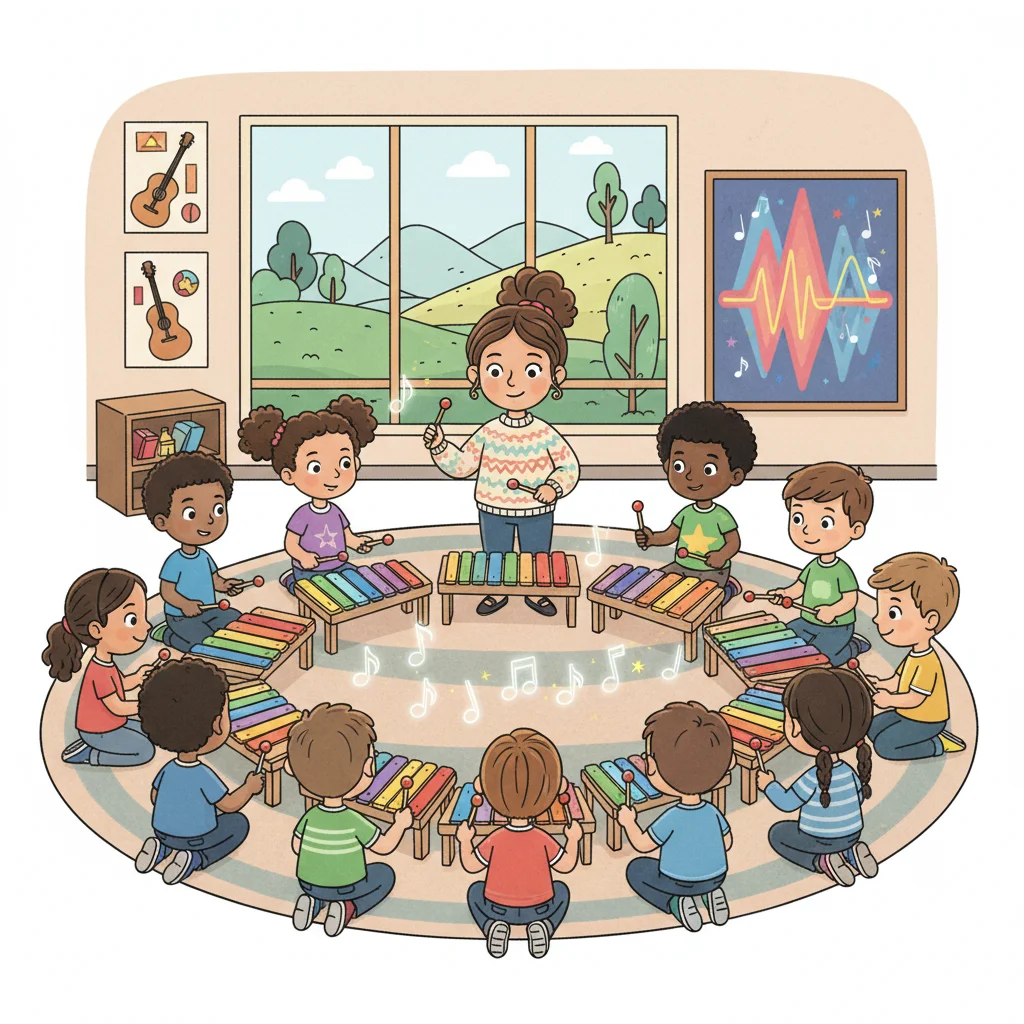
Explore Hungarian Rhapsody No. 2
Listen to the famous opening melody Try playing the main theme on xylophones Notice how the music tells a story Identify slow vs. fast sections
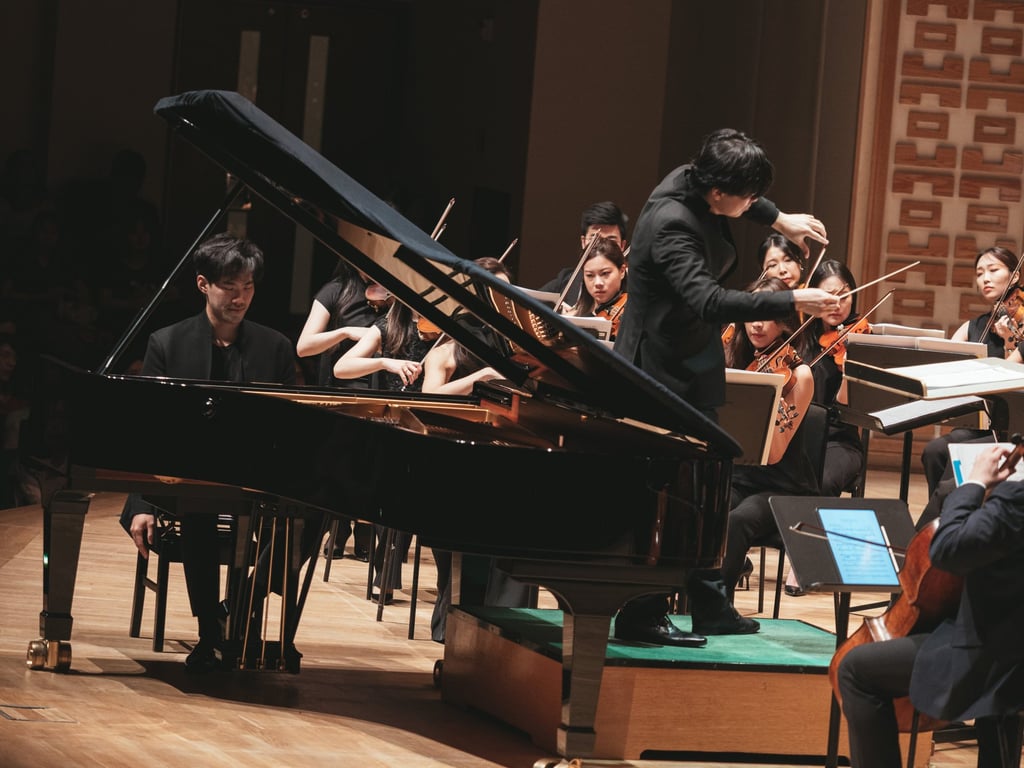
Liszt's Legacy Today
His music is still performed in concerts worldwide Modern pianists study his techniques Hungarian Rhapsody No. 2 appears in movies and cartoons He proved that solo piano music could be as exciting as any orchestra Inspired the concept of the 'rock star' performer