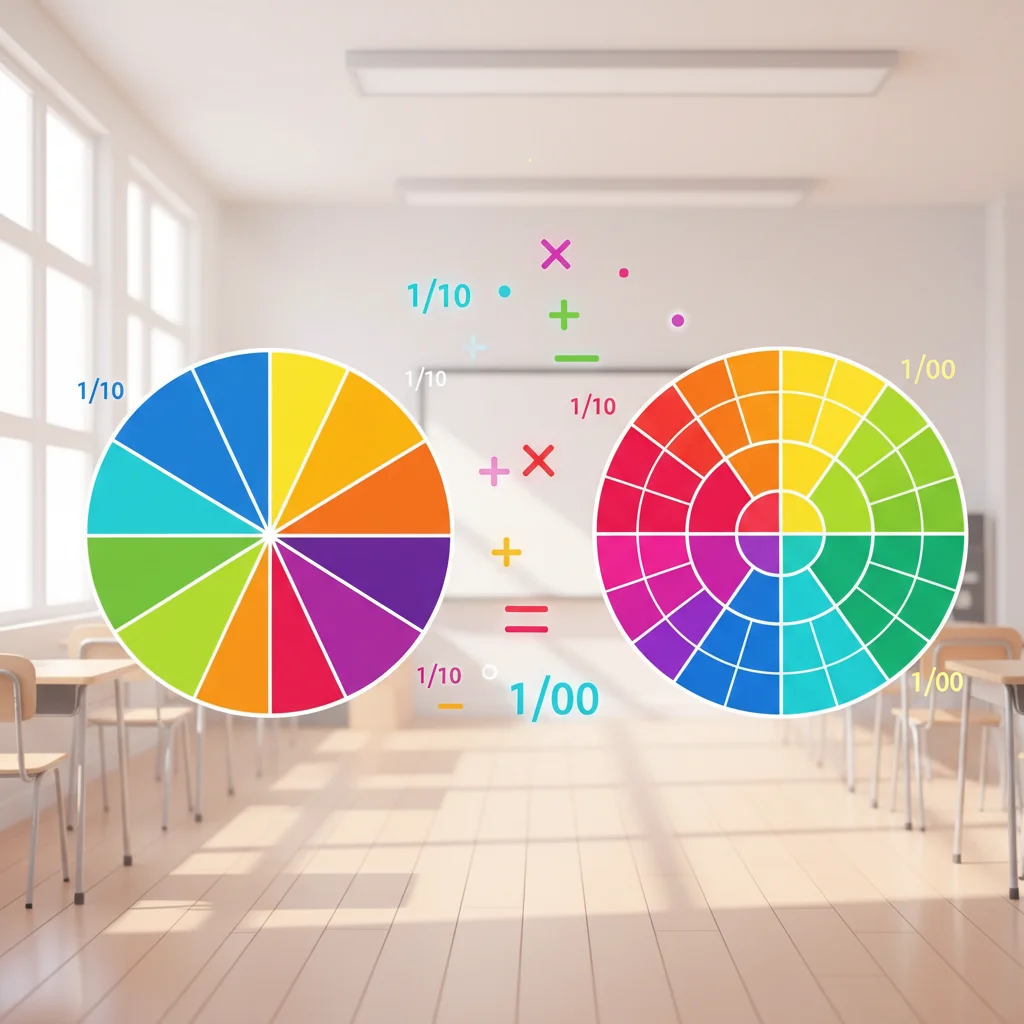
Fractions: Tenths and Hundredths Made Easy
Grade 4 Mathematics Understanding decimal fractions Building fraction foundations
Learning Objectives - I Can Statements
I can write fractions with denominators of 10 I can write fractions with denominators of 100 I can add fractions with tenths and hundredths I can compare tenths and hundredths using models
What Are Tenths?
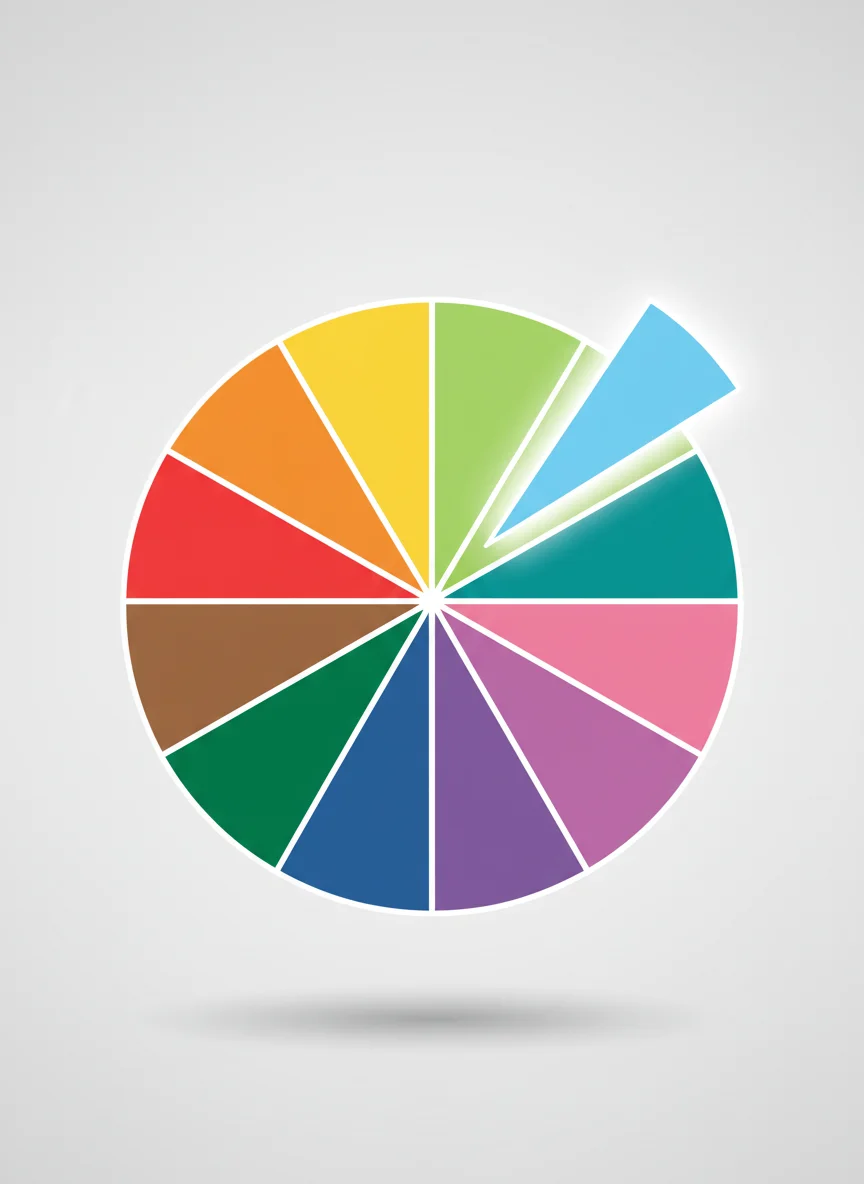
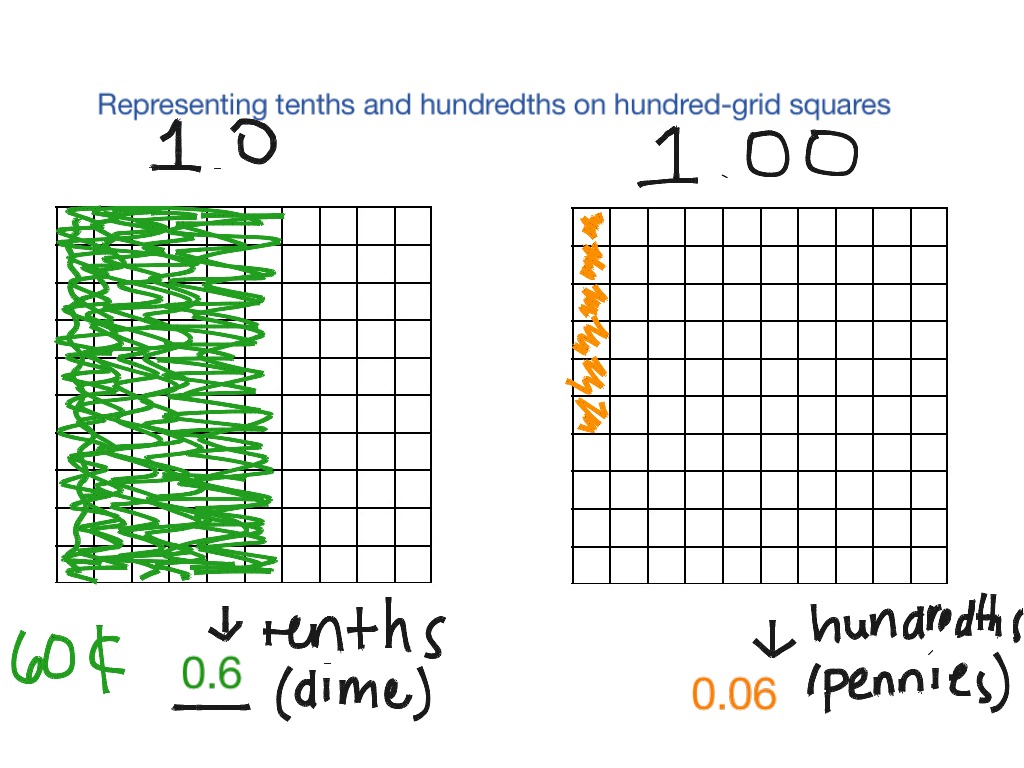
A tenth is 1 part out of 10 equal parts Written as fractions: 1/10, 2/10, 3/10... The bottom number (denominator) is always 10 Think of it like dividing something into 10 pieces

Hands-On Activity: Modeling Tenths
Use fraction strips to show tenths Color 3/10 of your strip Compare with a partner Share what you notice
What Are Hundredths?
A hundredth is 1 part out of 100 equal parts Written as fractions: 1/100, 2/100, 3/100... The bottom number (denominator) is always 100 Much smaller pieces than tenths!

Comparing Tenths and Hundredths
{"left":"7/10 = 70/100\n3/10 = 30/100","right":"1/10 = 10/100\n5/10 = 50/100"}

Think and Discuss
Which is larger: 4/10 or 40/100? How do you know? What strategy did you use?
Adding Tenths and Hundredths
First, make the denominators the same Convert tenths to hundredths Example: 3/10 + 7/100 = 30/100 + 7/100 = 37/100 Add the numerators, keep the denominator

Practice Problems
Solve: 6/10 + 11/100 Draw a model to show your thinking Check your answer with a partner Extension: Create your own problem

Success Criteria & Next Steps
I can identify tenths and hundredths in fractions I can convert between tenths and hundredths I can add fractions with different denominators Next: We'll explore decimal notation!