Fraction Fundamentals for Grade 3
Understanding Parts of a Whole 45-minute lesson Grade 3 Mathematics
Lesson Overview
Duration: 45 minutes Grade 3 Mathematics Unit: Exploring Equivalent Fractions Lesson 1 of 15 Focus: Introduction to Fractions
Common Core Standards
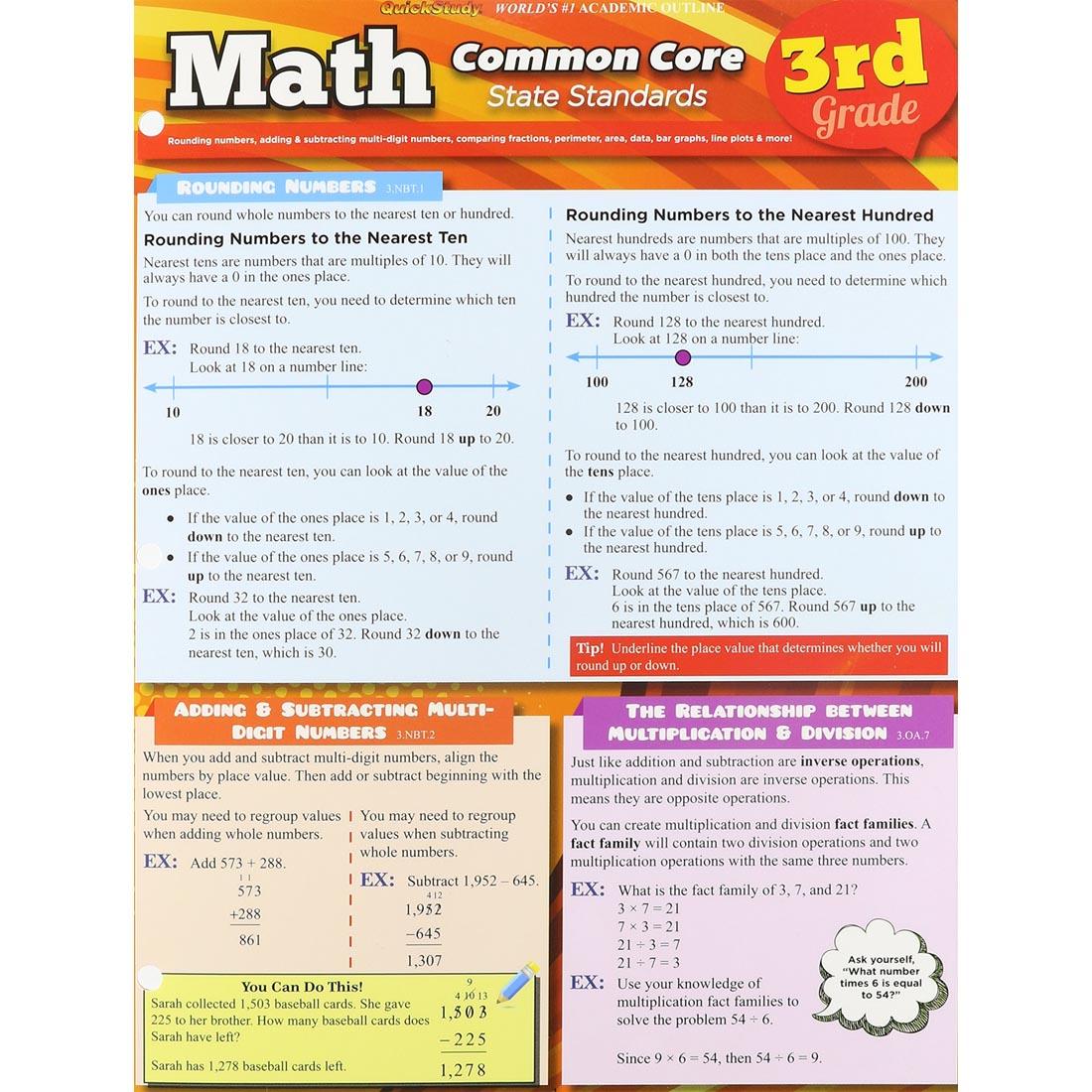
CCSS.Math.Content.3.NF.A.1: Understand fractions as parts of a whole CCSS.Math.Content.3.NF.A.2: Represent fractions on a number line Building foundation for equivalent fractions Preparing for advanced fraction concepts
Learning Objectives
Define fractions and identify numerator and denominator Cut wholes into equal parts and name fractions Model fractions using visual aids Represent simple fractions on a number line
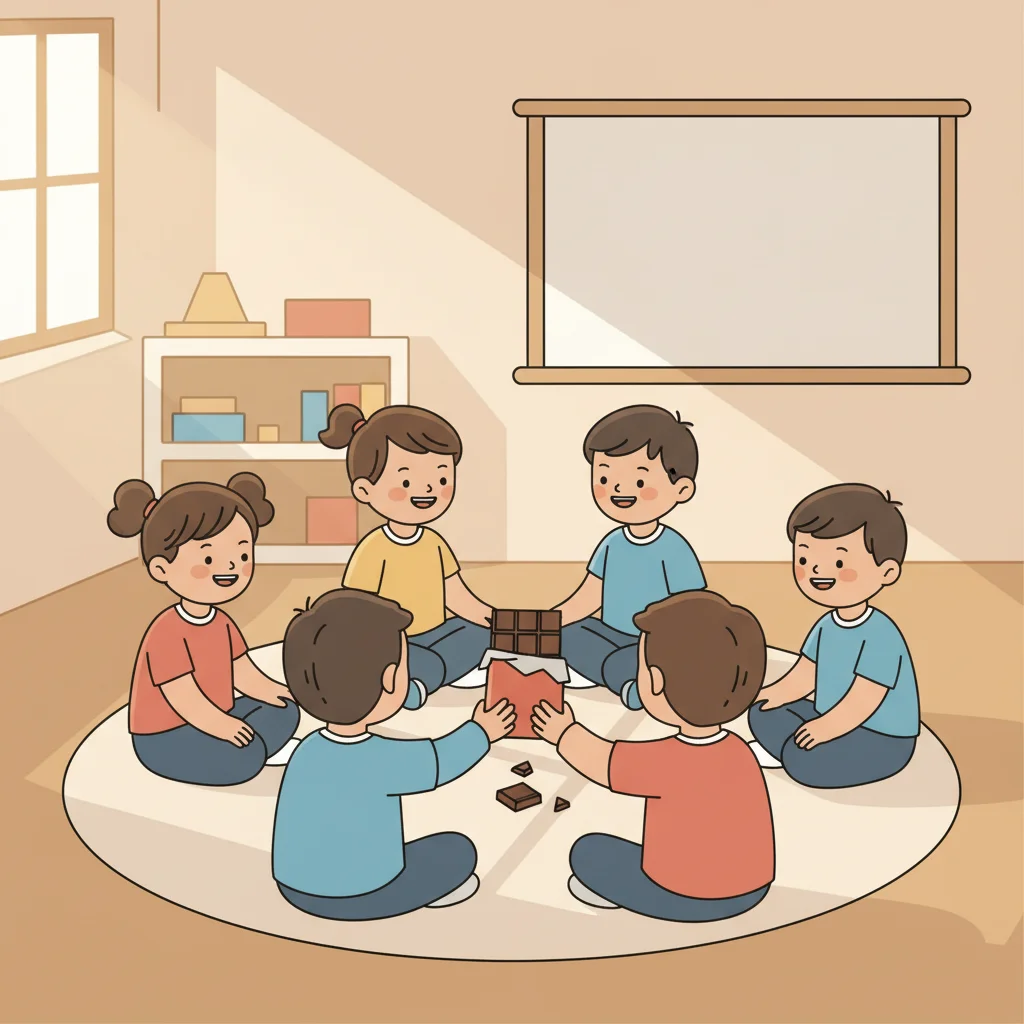
Engage: The Chocolate Bar Challenge
Imagine you have a chocolate bar How would you share it equally with 3 friends? Think about dividing into parts What does 'equal' mean?

What is a Fraction?
A fraction is a way to name parts of a whole It shows how many equal pieces we have Every fraction has two important parts Fractions help us describe partial amounts
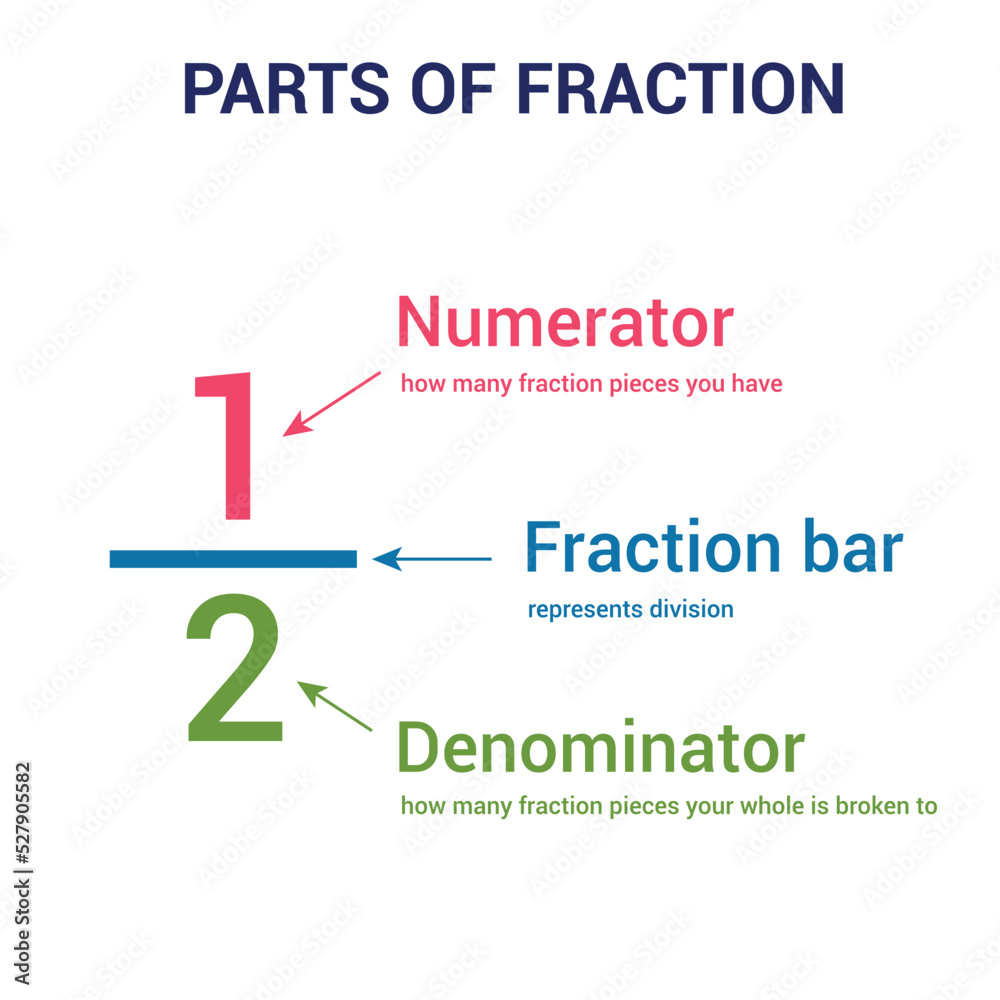
Parts of a Fraction
{"left":"Numerator: The number on top\nShows how many parts we have","right":"Denominator: The number on bottom\nShows how many equal parts in the whole"}
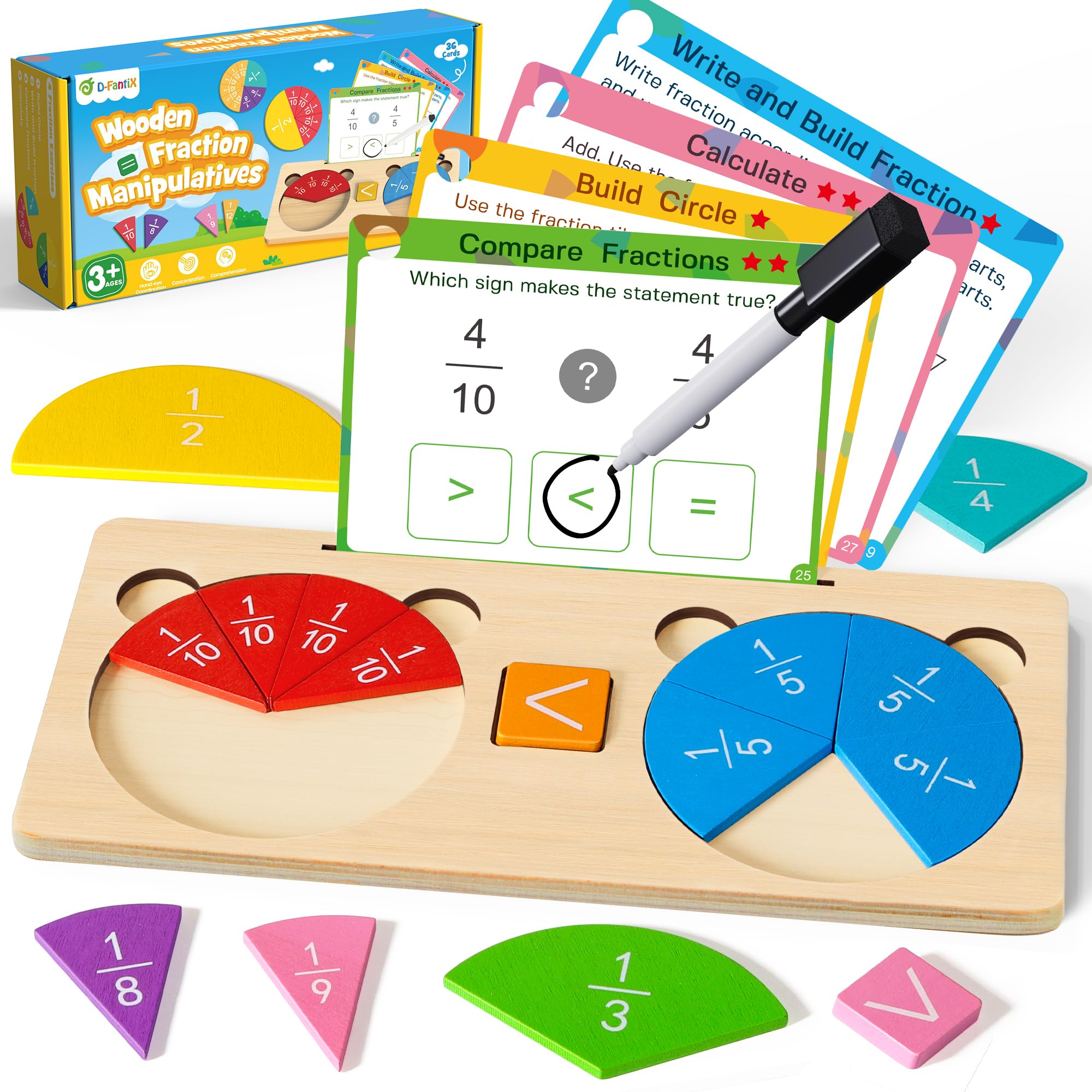
Hands-On Activity: Fraction Circles
Work in groups of 3-4 students Use fraction circles and bars Show me one half! Find three-fourths! Identify the fractions you create

Materials We'll Use Today
Fraction circles and bars Pre-cut paper shapes Number line strips Sticky notes for marking Colored pencils and crayons
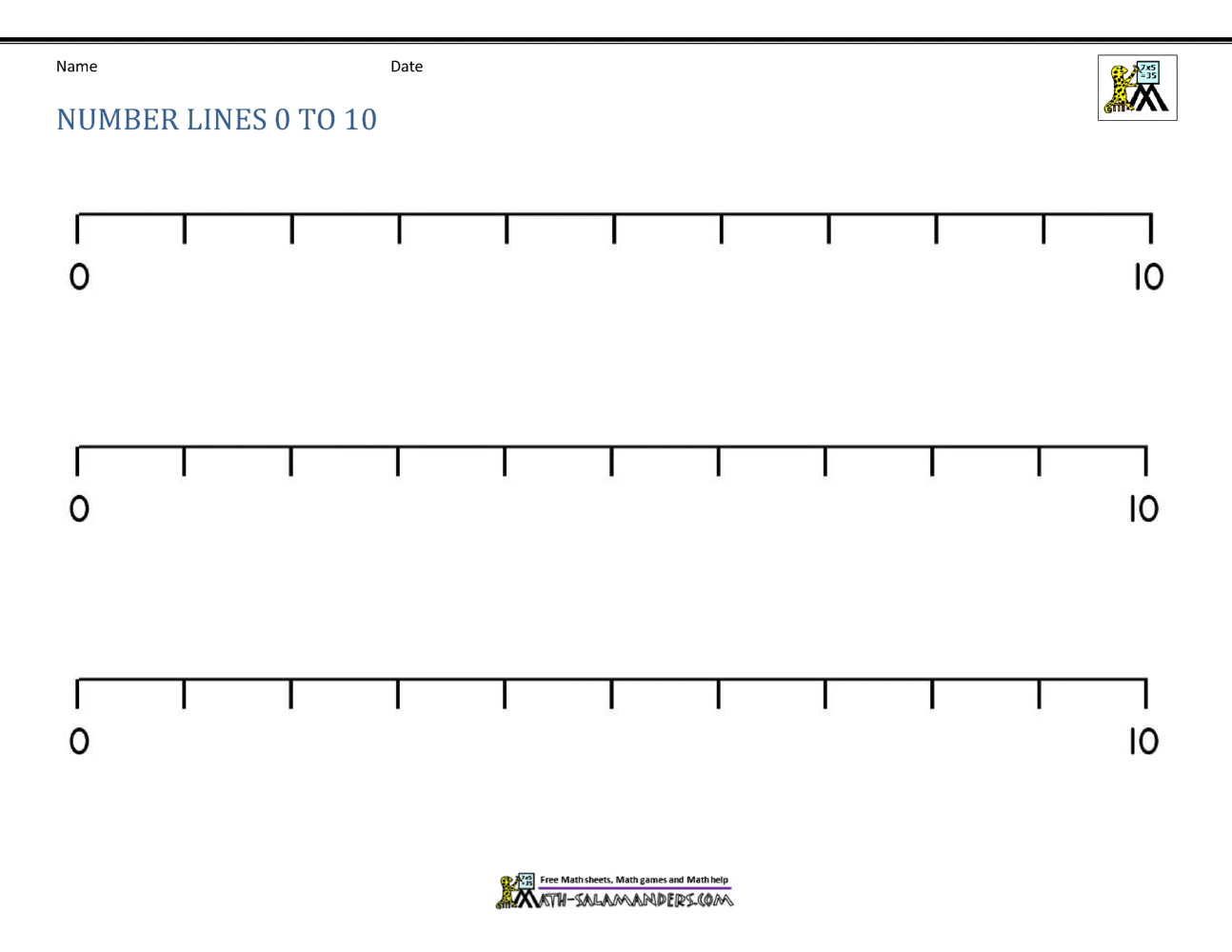
Fraction Number Line
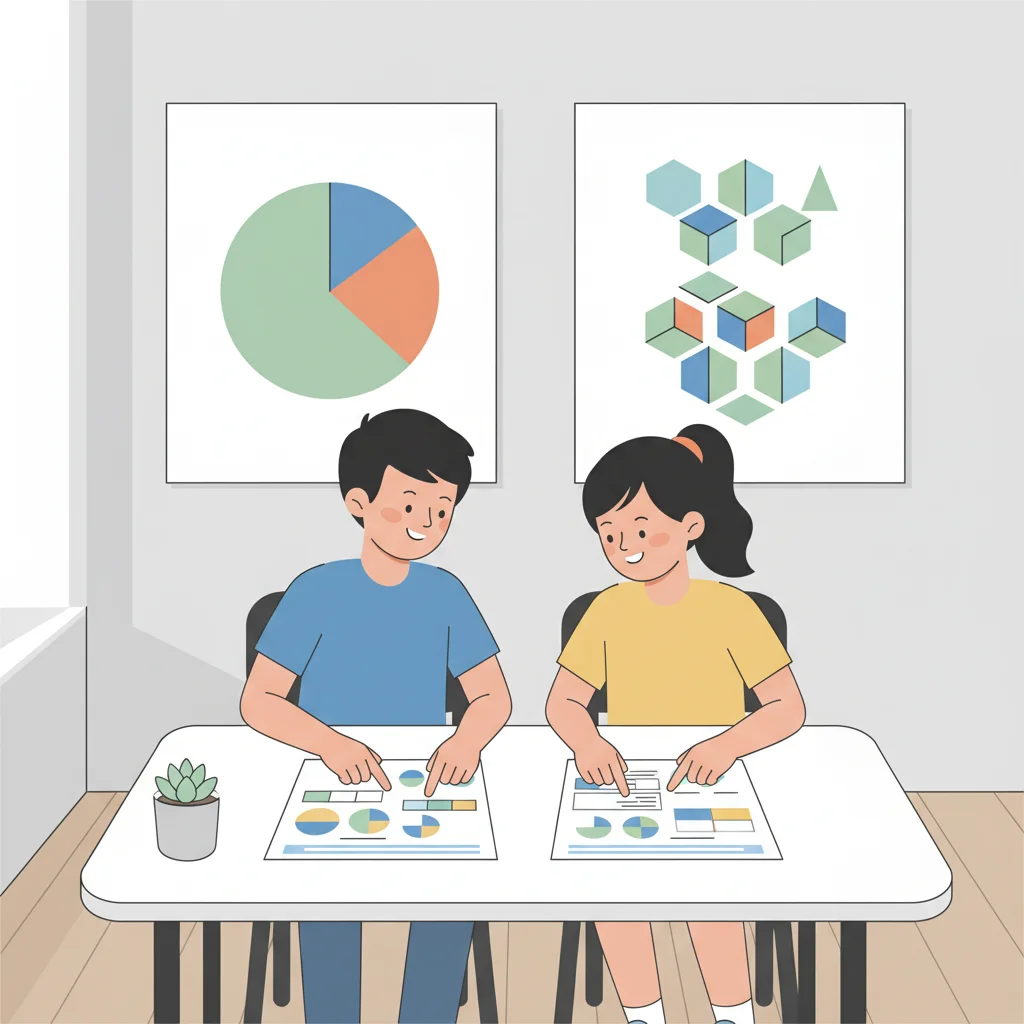
Quick Check: Think-Pair-Share
Find a partner Explain what the numerator means Explain what the denominator means Share one example with the class
What We Learned Today
Fractions name parts of a whole Numerator = parts we have Denominator = total equal parts Fractions can be shown on number lines Next: We'll explore equivalent fractions!