Exploring Roots, Notation, and Numbers
Grade 8 Mathematics Square Roots, Cube Roots, Scientific Notation, and Real Numbers
What Are Square Roots?
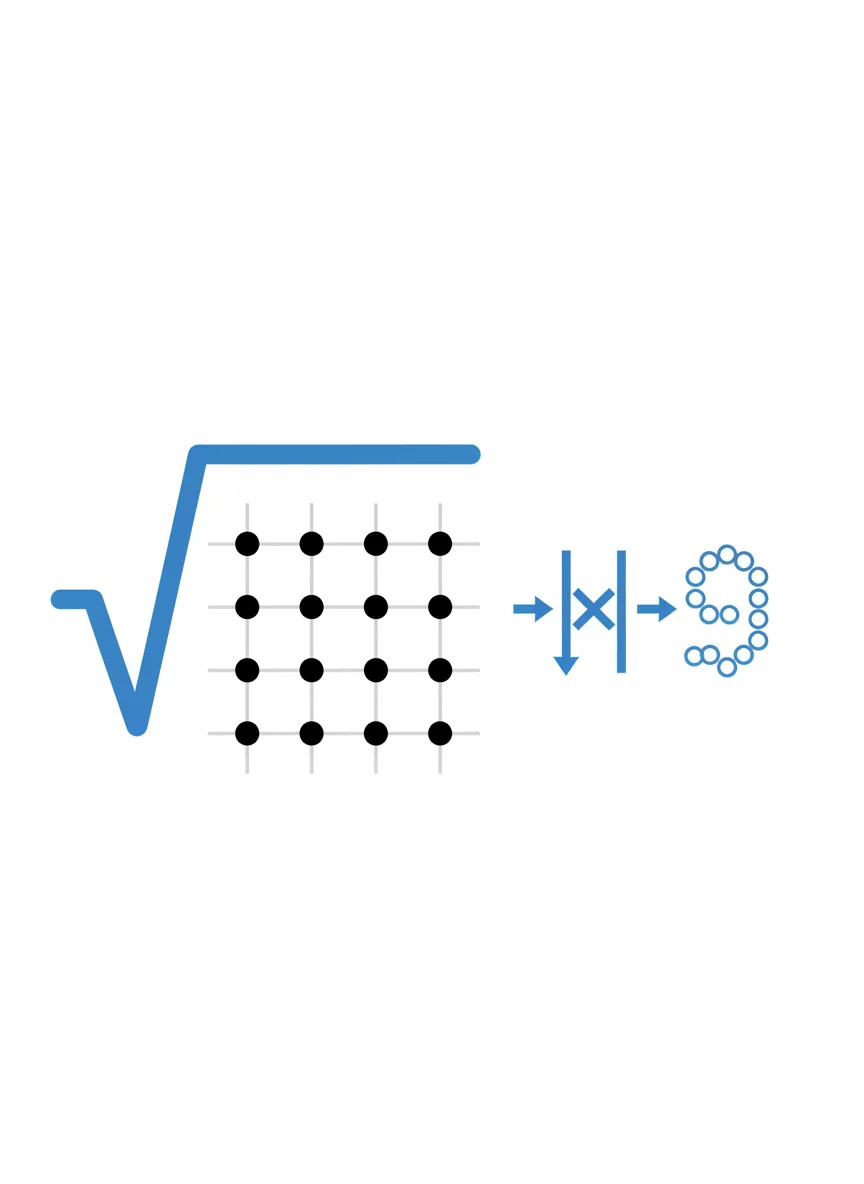
A square root asks: 'What number times itself gives this result?' The symbol √ represents square root √9 = 3 because 3 × 3 = 9 √16 = 4 because 4 × 4 = 16
Perfect Squares Practice
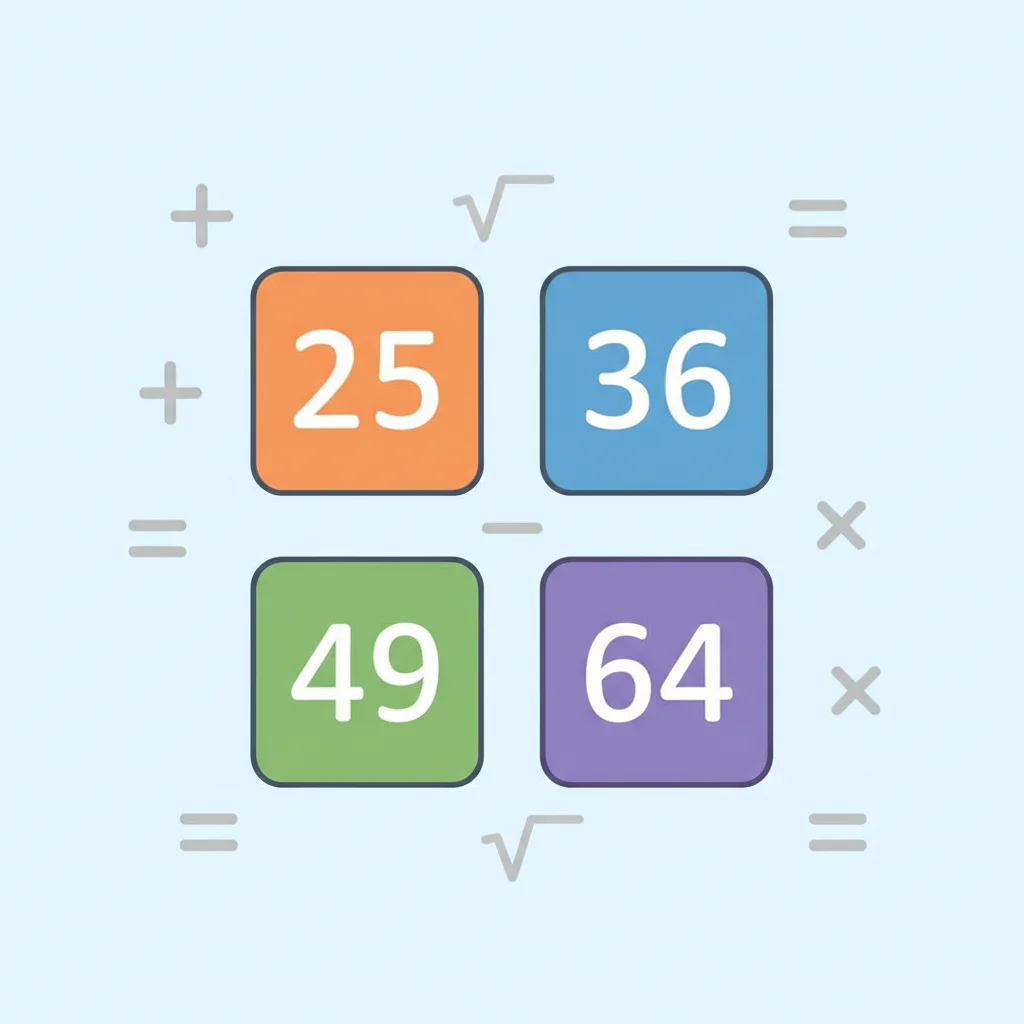
Find the square roots: √25 = ? √36 = ? √49 = ? √64 = ?
Understanding Cube Roots
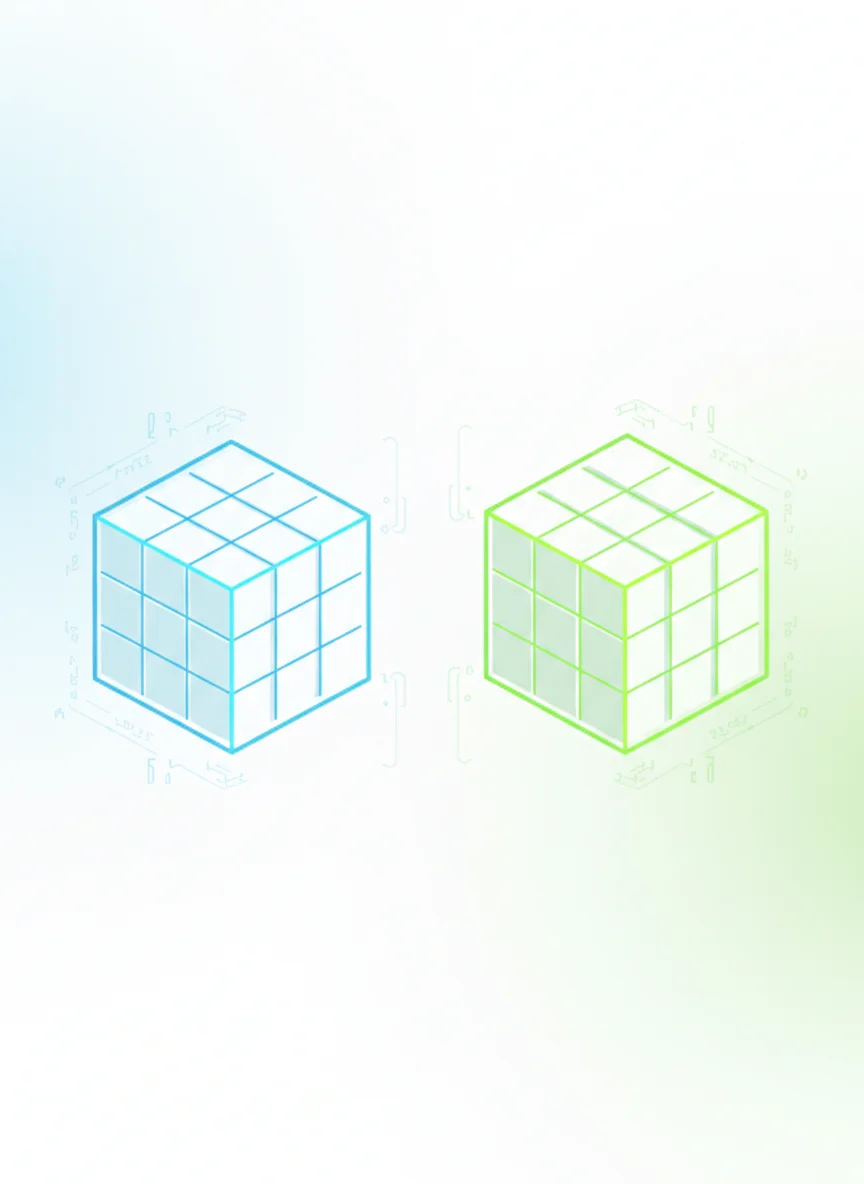
A cube root asks: 'What number times itself three times gives this result?' The symbol ∛ represents cube root ∛8 = 2 because 2 × 2 × 2 = 8 ∛27 = 3 because 3 × 3 × 3 = 27
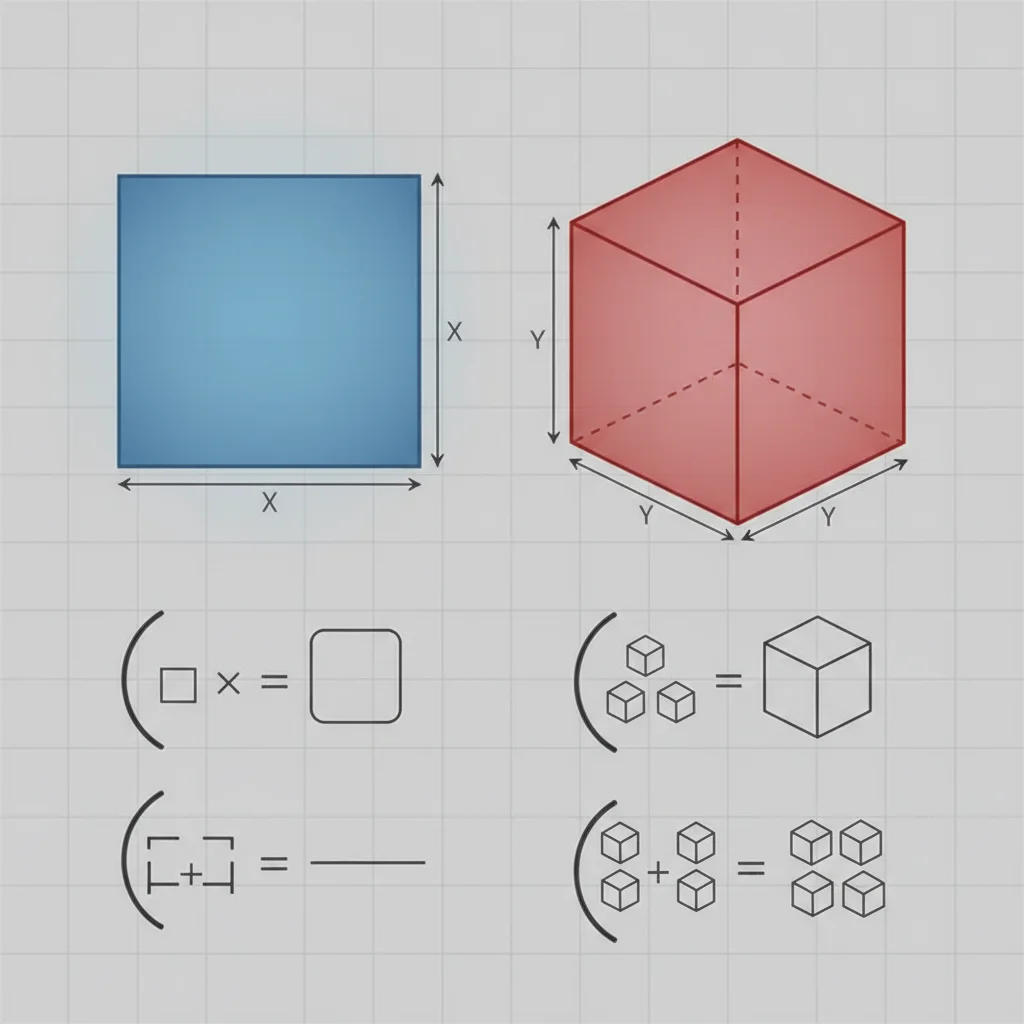
Square Roots vs Cube Roots
{"left":"Square roots involve multiplying a number by itself once\nExample: √16 = 4 (because 4² = 16)\nUsed for area calculations\nSymbol: √","right":"Cube roots involve multiplying a number by itself twice more\nExample: ∛64 = 4 (because 4³ = 64)\nUsed for volume calculations\nSymbol: ∛"}

Quick Check: Roots
Which is larger: √100 or ∛100? Explain your reasoning! Think about what each expression means...
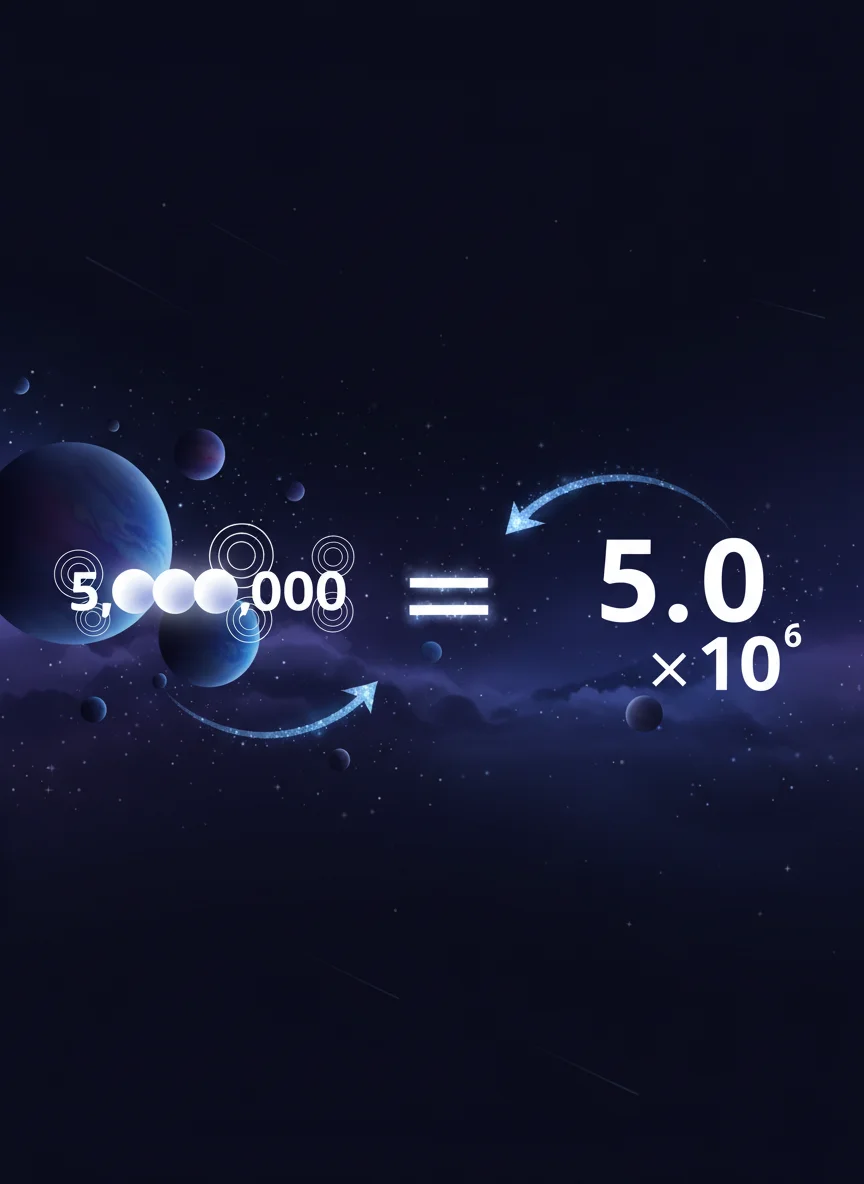
Introduction to Scientific Notation
A way to write very large or very small numbers Uses powers of 10 Format: a × 10ⁿ (where 1 ≤ a < 10) Example: 5,000,000 = 5.0 × 10⁶
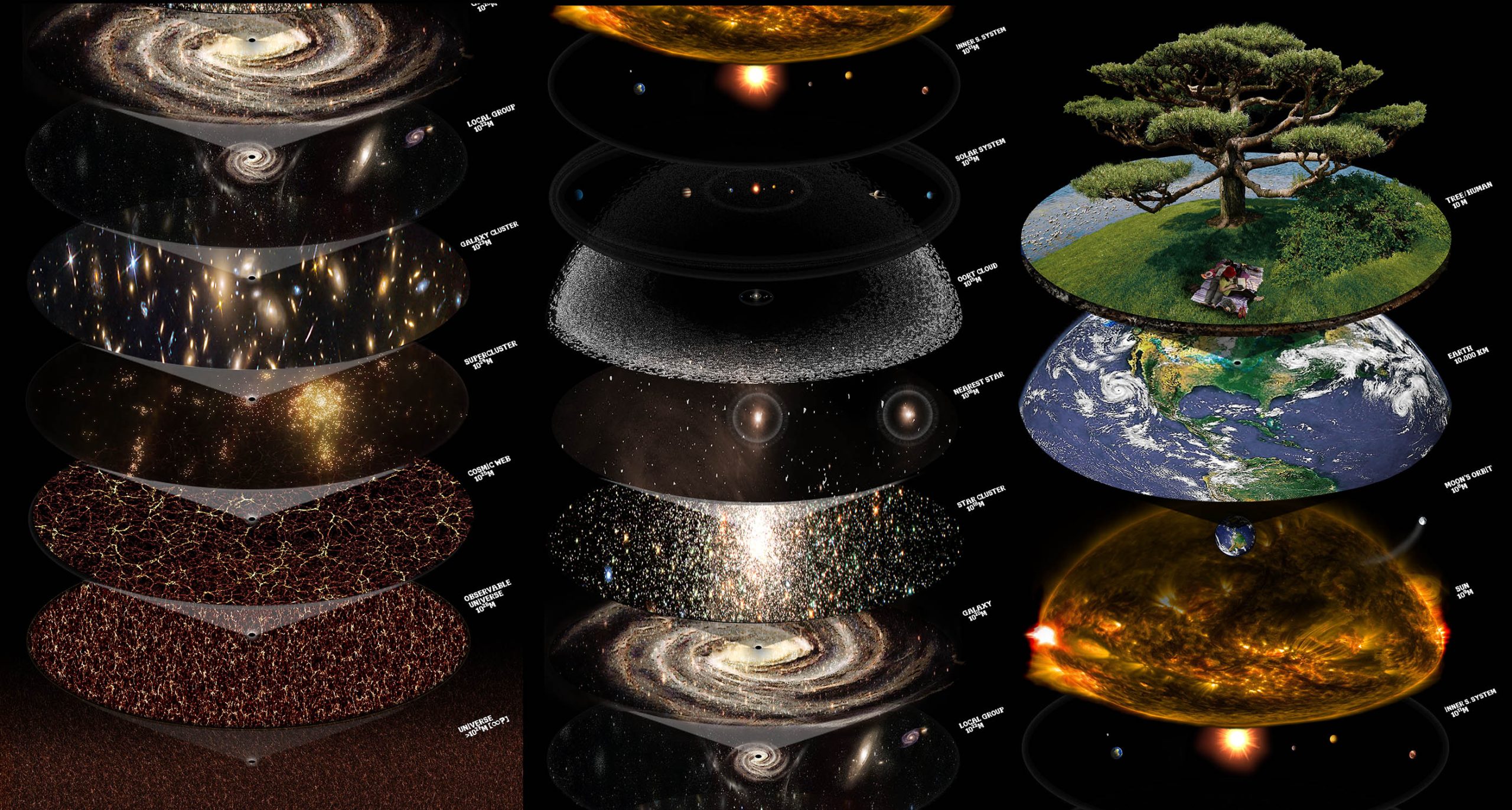
Powers of 10 in Our World
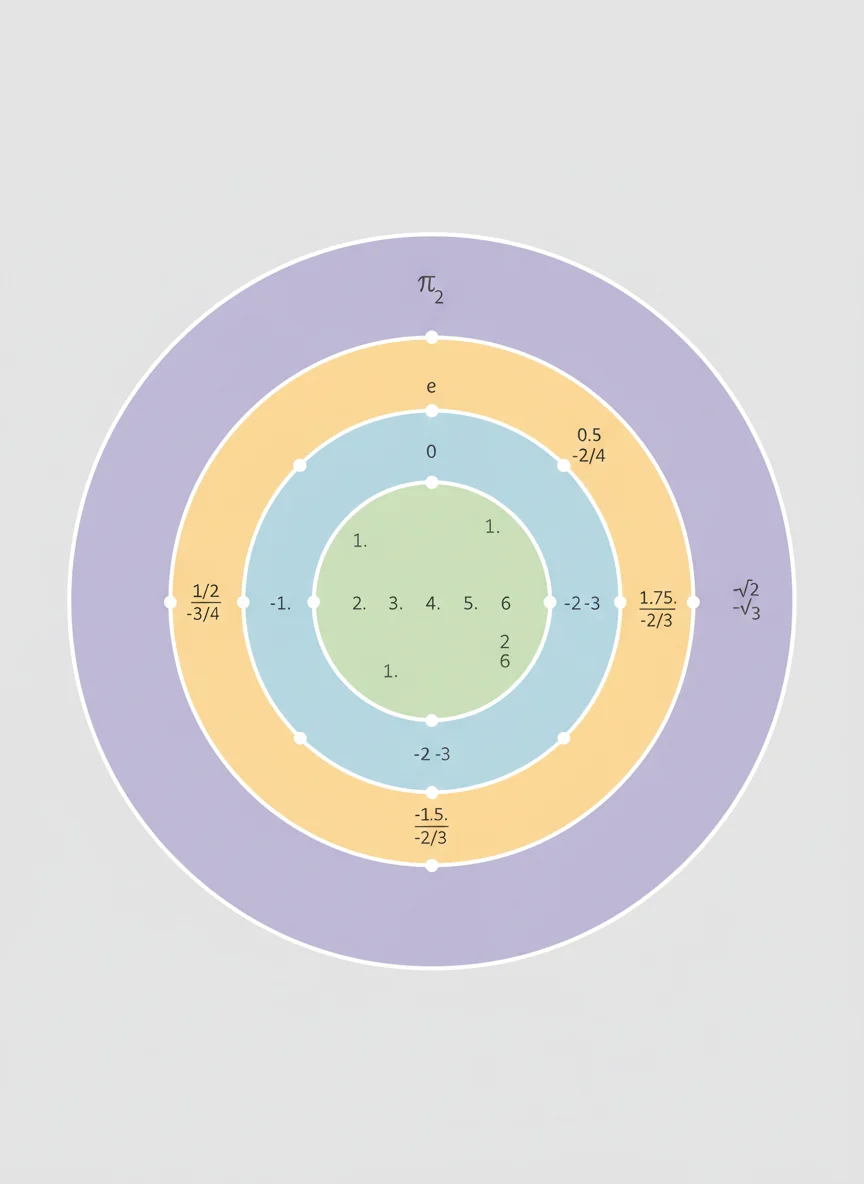
Real Numbers: The Complete Picture
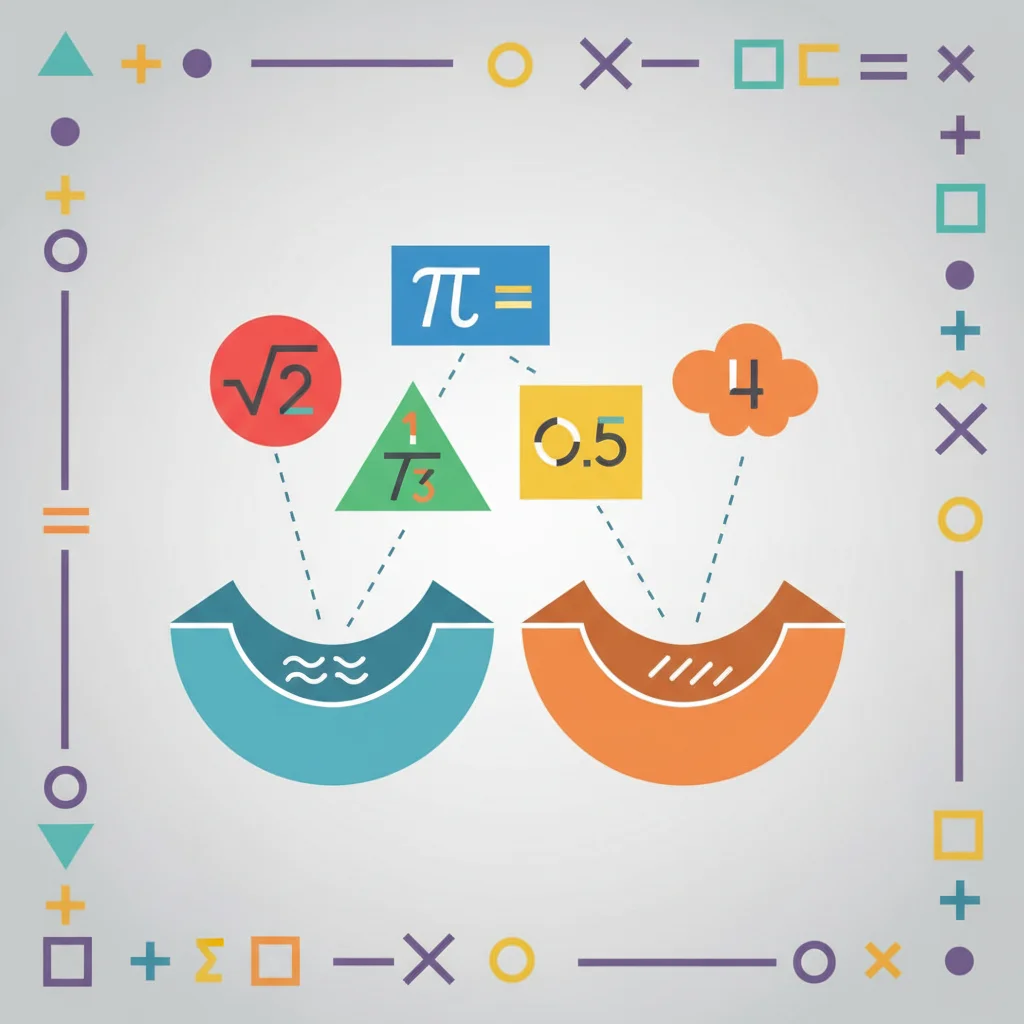
Natural numbers: 1, 2, 3, 4, ... Whole numbers: 0, 1, 2, 3, ... Integers: ..., -2, -1, 0, 1, 2, ... Rational numbers: fractions and decimals that terminate or repeat Irrational numbers: decimals that never end or repeat (like √2, π)
Putting It All Together
Classify each number: √16 ∛8 2.5 × 10³ π Which are rational? Which are irrational?