
Exploring Diction Deeply: Word Power
English I/I English Language Arts Understanding How Authors Choose Words 60-Minute Lesson

Learning Objectives
Diction: The author's choice of words and phrases Connotation: The emotional or cultural meaning behind a word Denotation: The dictionary definition of a word Tone: The attitude of the author toward the subject Mood: The feeling created in the reader Formal vs. Informal diction Colloquialism: Informal everyday speech

What is Diction?
Diction: The author's choice of words and phrases Connotation: The emotional or cultural meaning behind a word Denotation: The dictionary definition of a word Tone: The attitude of the author toward the subject Mood: The feeling created in the reader Formal vs. Informal diction Colloquialism: Informal everyday speech

Key Vocabulary
Diction: The author's choice of words and phrases Connotation: The emotional or cultural meaning behind a word Denotation: The dictionary definition of a word Tone: The attitude of the author toward the subject Mood: The feeling created in the reader Formal vs. Informal diction Colloquialism: Informal everyday speech

The Power of Words
'The difference between the almost right word and the right word is really a large matter—'tis the difference between the lightning bug and the lightning.' - Mark Twain

Formal vs. Informal Diction
Formal: 'The gentleman proceeded to his residence' Informal: 'The guy went home' Both say the same thing, but create different impressions Authors choose based on audience, purpose, and character

Passage 1: Of Mice and Men
Steinbeck uses formal, descriptive diction Creates vivid imagery of the setting Words like 'recumbent,' 'mottled,' and 'debris' Establishes a serious, literary tone
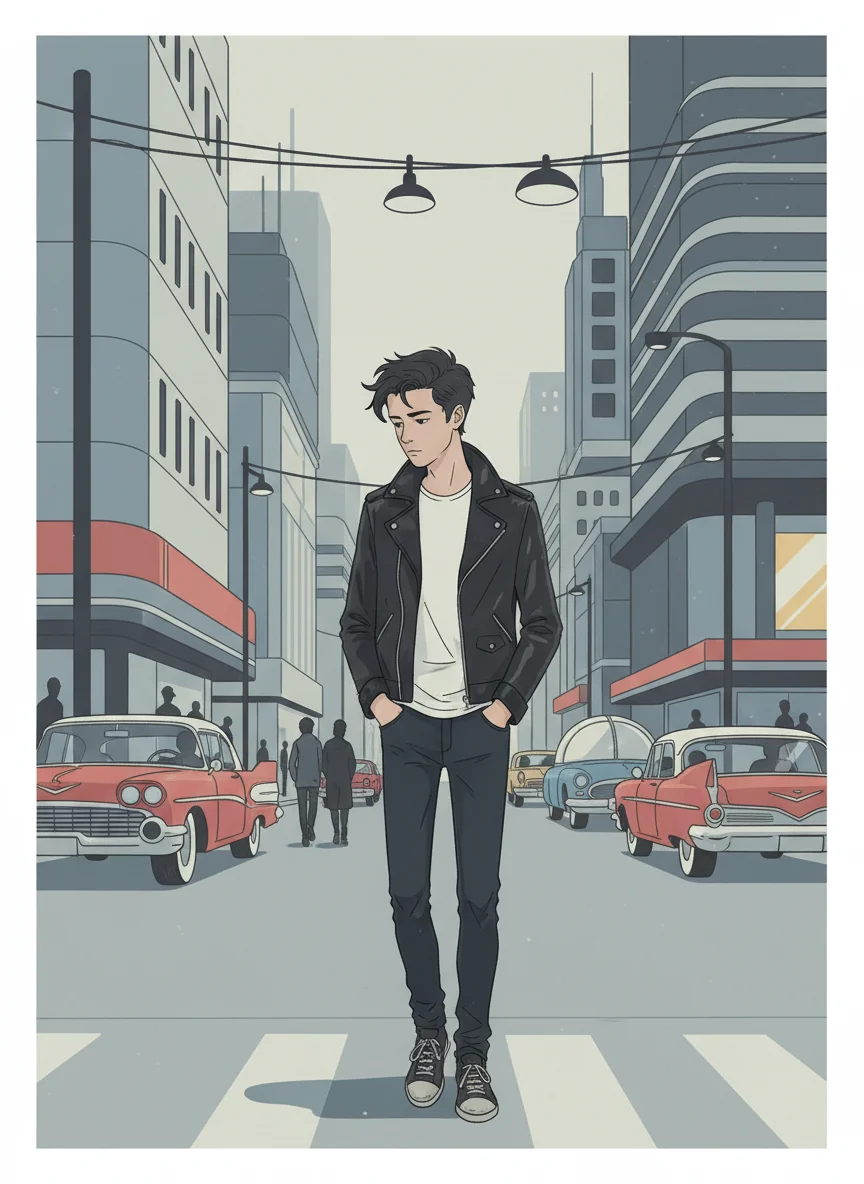
Passage 2: The Catcher in the Rye
Salinger uses colloquial, informal diction Reflects teenage speech patterns Words like 'phony,' 'crumby,' and 'goddam' Creates an authentic, conversational tone
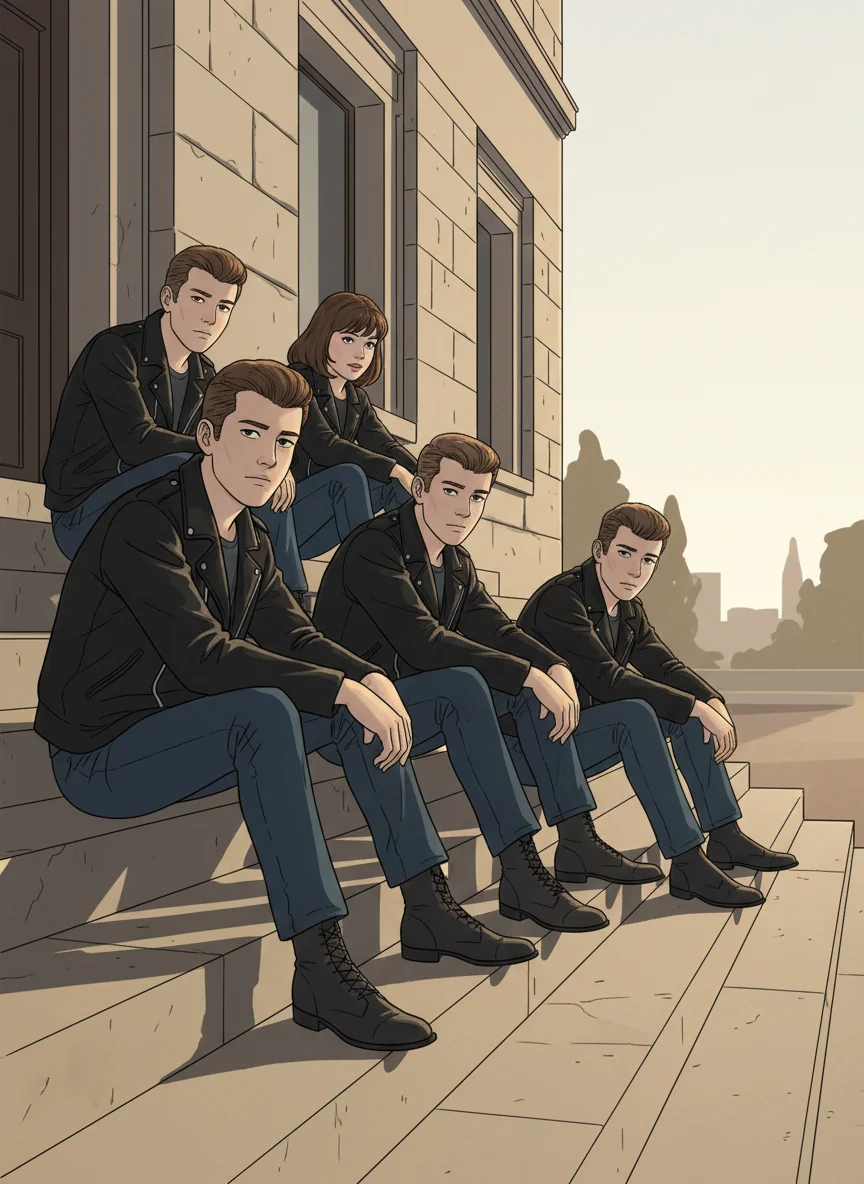
Passage 3: The Outsiders
Hinton uses youthful, conversational diction Includes slang and emotional language Words reflect teenage perspective and social class Creates empathy and authenticity

Passage 4: A Christmas Carol
Dickens uses formal, Victorian-era diction Rich descriptive language and imagery Words like 'phantoms,' 'melancholy,' and 'solitary' Creates atmospheric, reflective mood

Guided Practice: Diction Detective
Work with a partner to analyze a new passage Identify 5 words with strong connotation Categorize as formal or informal Explain how each word affects tone or mood

Discussion Questions
How does diction influence your perception of a character or setting? Can word choice change the meaning of a text? Why might an author choose informal diction in some texts but formal in others?
3 more slides available after you open the deck.
Download all 15 slides