Exploring Brahms' Rhythmic Symphony Patterns
A Musical Journey into Symphony No. 1 Grade 7 Music 80-Minute Exploration

Learning Objectives - I Can Statements
I can identify rhythm patterns in Brahms' Symphony No. 1 I can perform rhythmic excerpts using classroom instruments I can collaborate to compose rhythmic ensembles I can explain how tempo and dynamics create mood I can use dyslexia-friendly strategies for musical terms

"Music is the universal language of mankind."
- Henry Wadsworth Longfellow Today we explore how Brahms spoke this language through rhythm

Meet Johannes Brahms (1833-1897)
German Romantic composer Known for complex rhythmic patterns Symphony No. 1 took 21 years to complete! Famous for powerful, emotional music Master of rhythm and accent patterns
Warm-Up: Listen and Feel the Rhythm
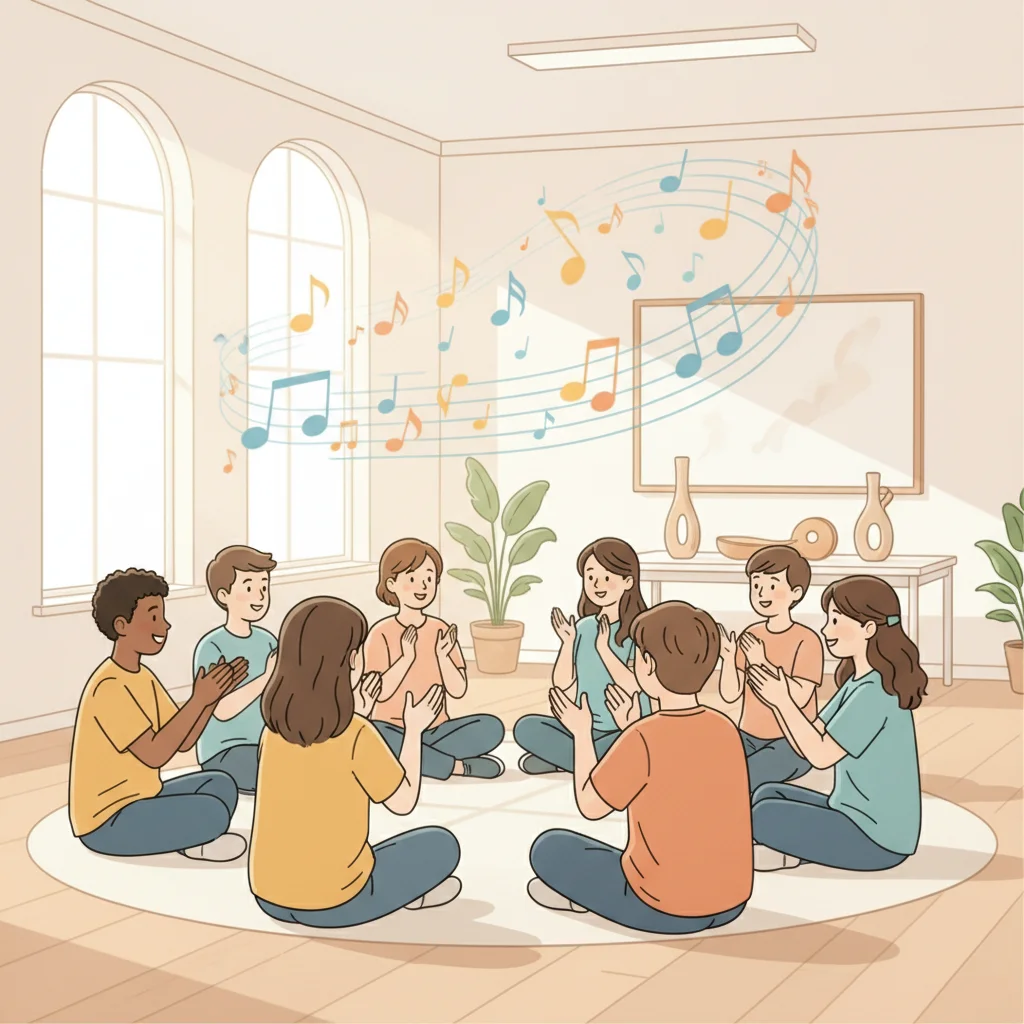
Listen to 2 minutes of Brahms' Symphony No. 1, 4th movement Clap along with the strong beats Notice: What feelings does the rhythm create? Pair-share your observations
Understanding Brahms' Rhythmic Elements
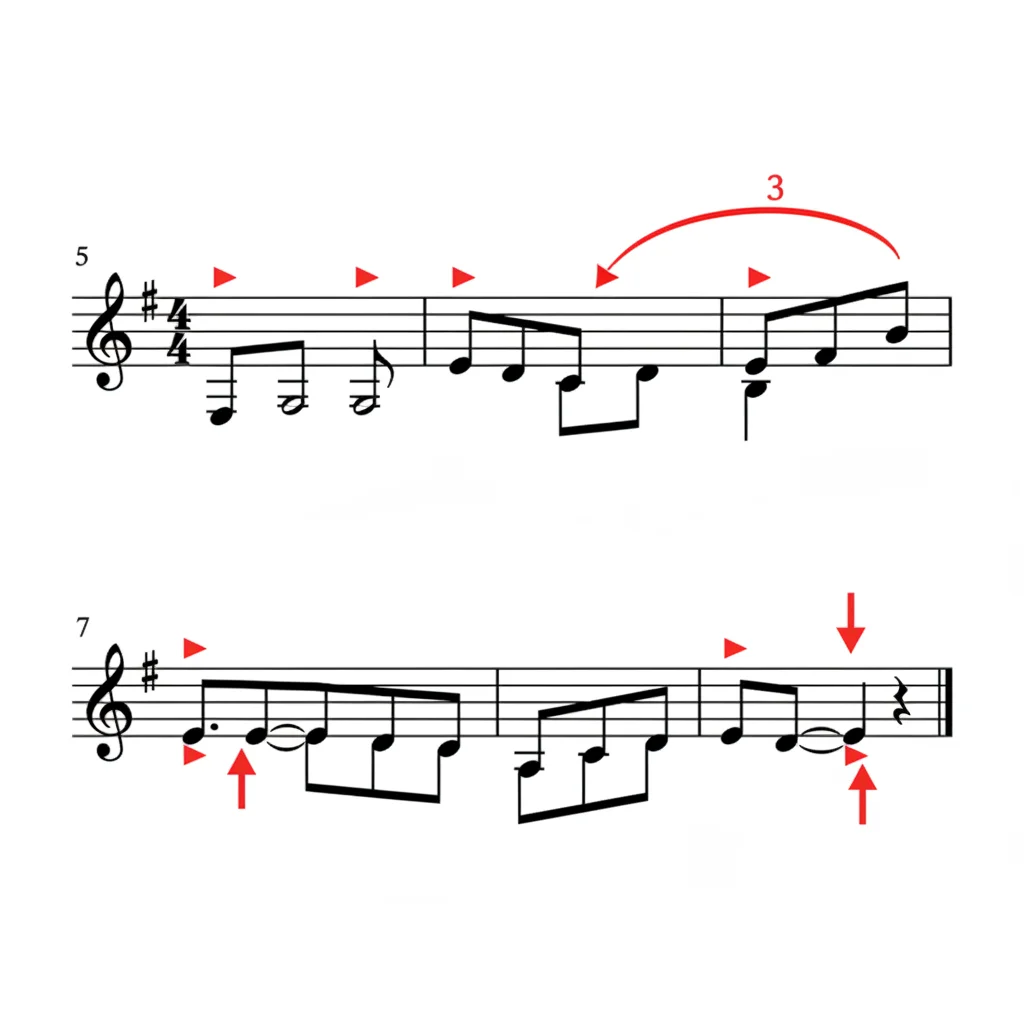
{"left":"Strong accents on unexpected beats\nSyncopation creates musical tension\nDynamic changes enhance rhythm","right":"Tempo shifts build excitement\nComplex patterns layer together\nPercussion-like effects in strings"}
Hands-On Performance Groups
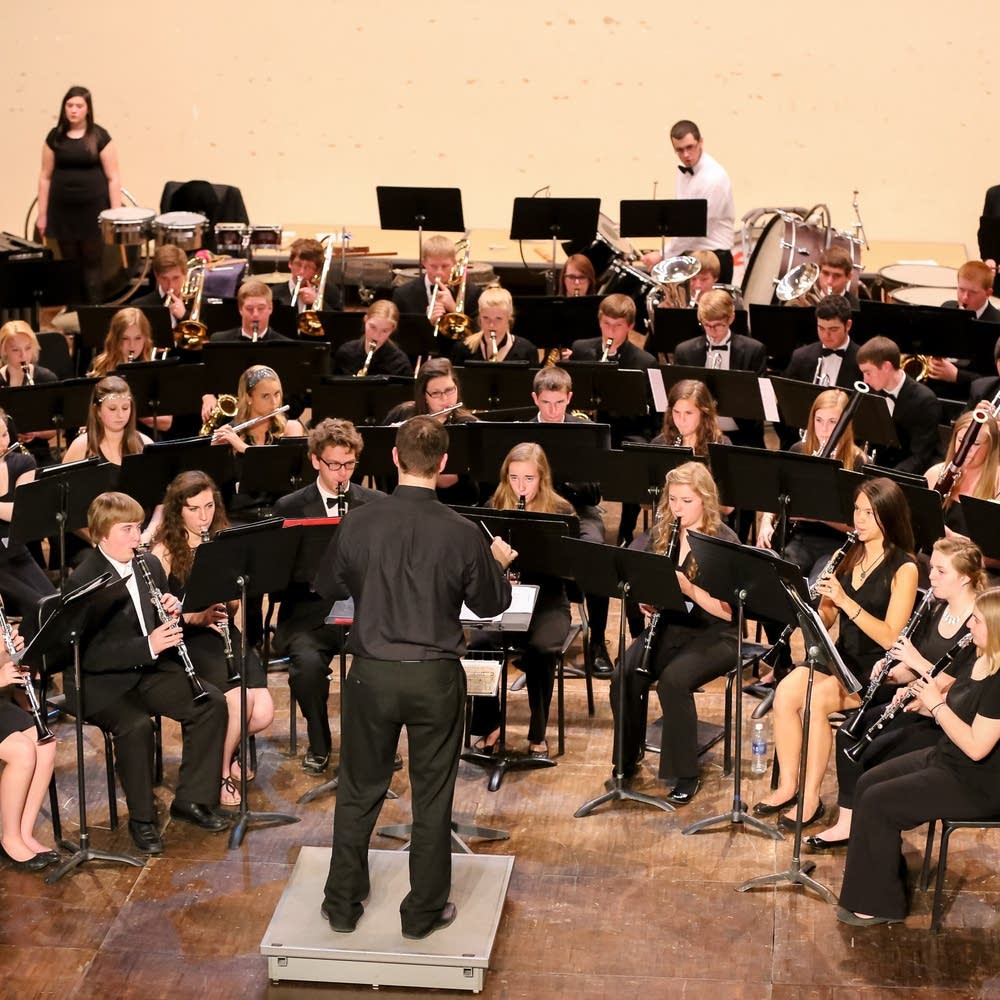
Group 1: Piano - harmonic accompaniment Group 2: Xylophone - melodic rhythmic lines Group 3: Drums - percussive accents Practice separately, then combine! Use conducting cues for tempo and dynamics

Creative Composition Challenge
Create your own 16-bar rhythmic piece Use Brahms-inspired accents and tempo changes Work in your instrument groups Write notation using dyslexia-friendly sheets Perform for the class!

Reflection Questions
How did Brahms' rhythms affect the mood of the music? What was challenging about performing the rhythmic patterns? How did our compositions reflect Brahms' style? What discoveries did you make about rhythm today?
What We've Accomplished Today
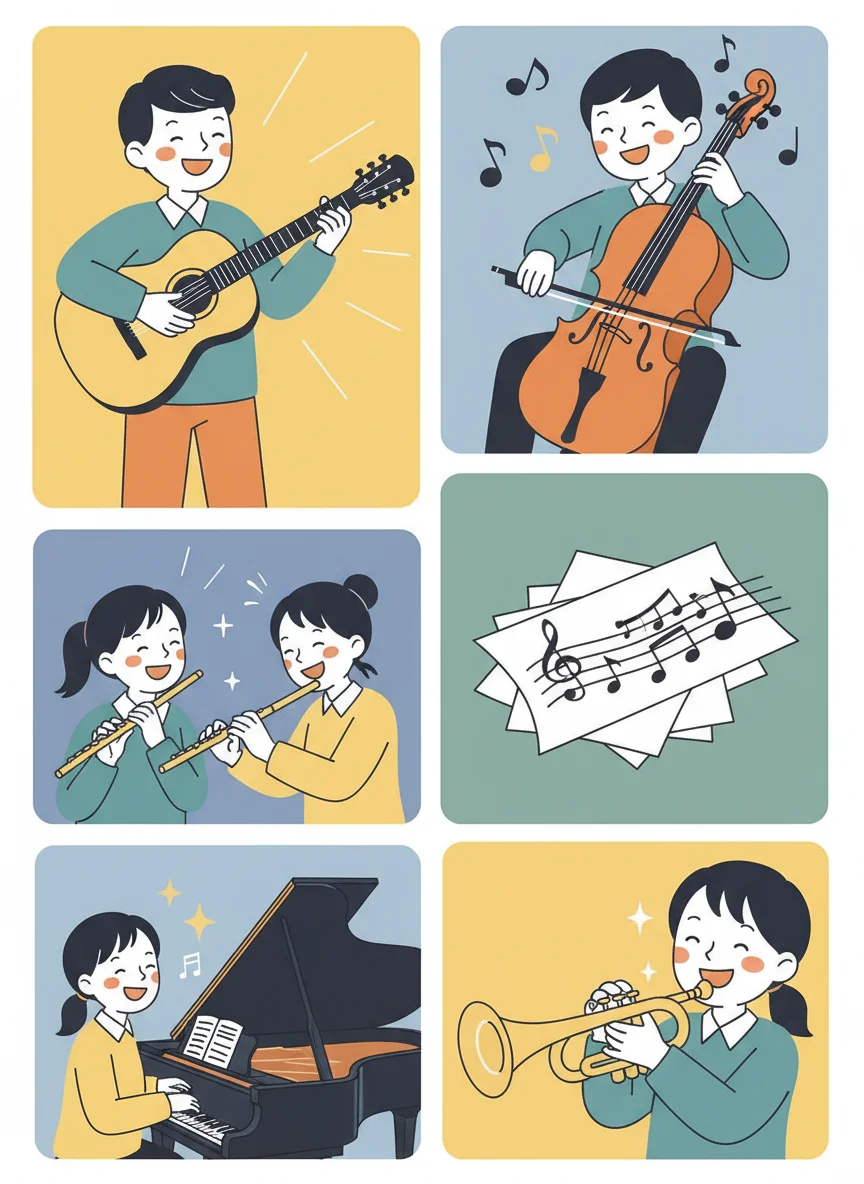
Identified Brahms' unique rhythmic patterns Performed as a collaborative ensemble Created original compositions inspired by Brahms Used dyslexia-friendly learning strategies Connected rhythm to musical emotion and mood