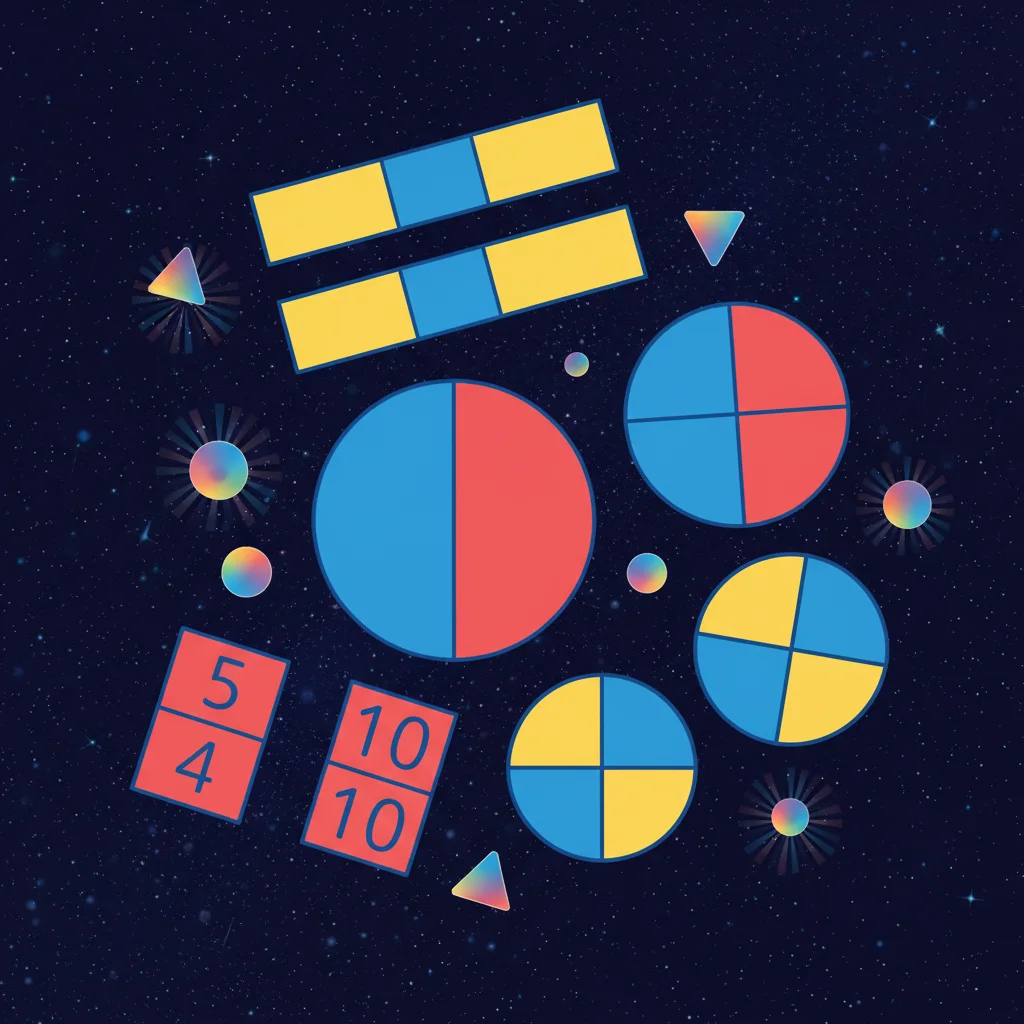
Equivalent Fractions: Visual Models and Methods
Grade 3 Mathematics Discovering fractions that are equal Using visual models and strategies
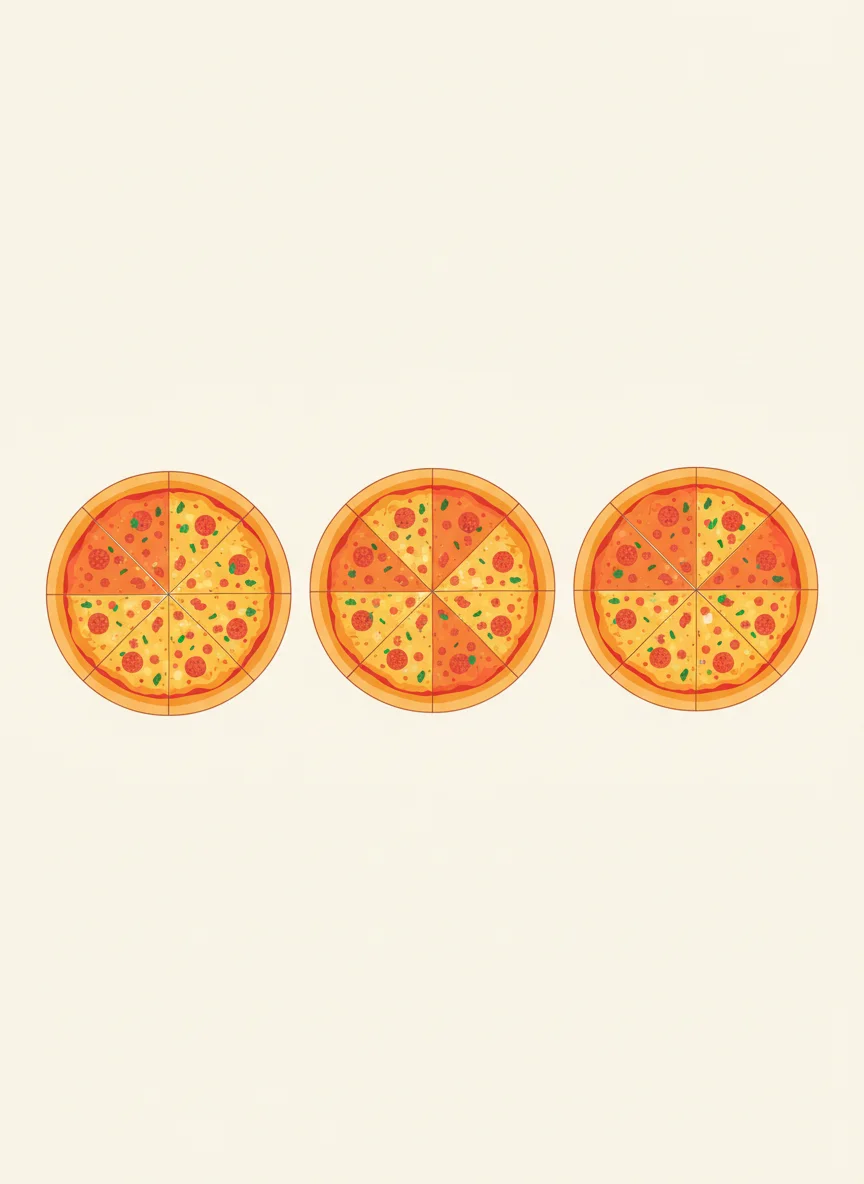
What Are Equivalent Fractions?
Fractions that have the same value They look different but mean the same amount Like different ways to say the same thing Example: 1/2 = 2/4 = 4/8

Fraction Wall Visual Model

Using Fraction Circles
Circles divided into equal parts Shade the same amount different ways Compare by placing pieces on top Visual proof that fractions are equal
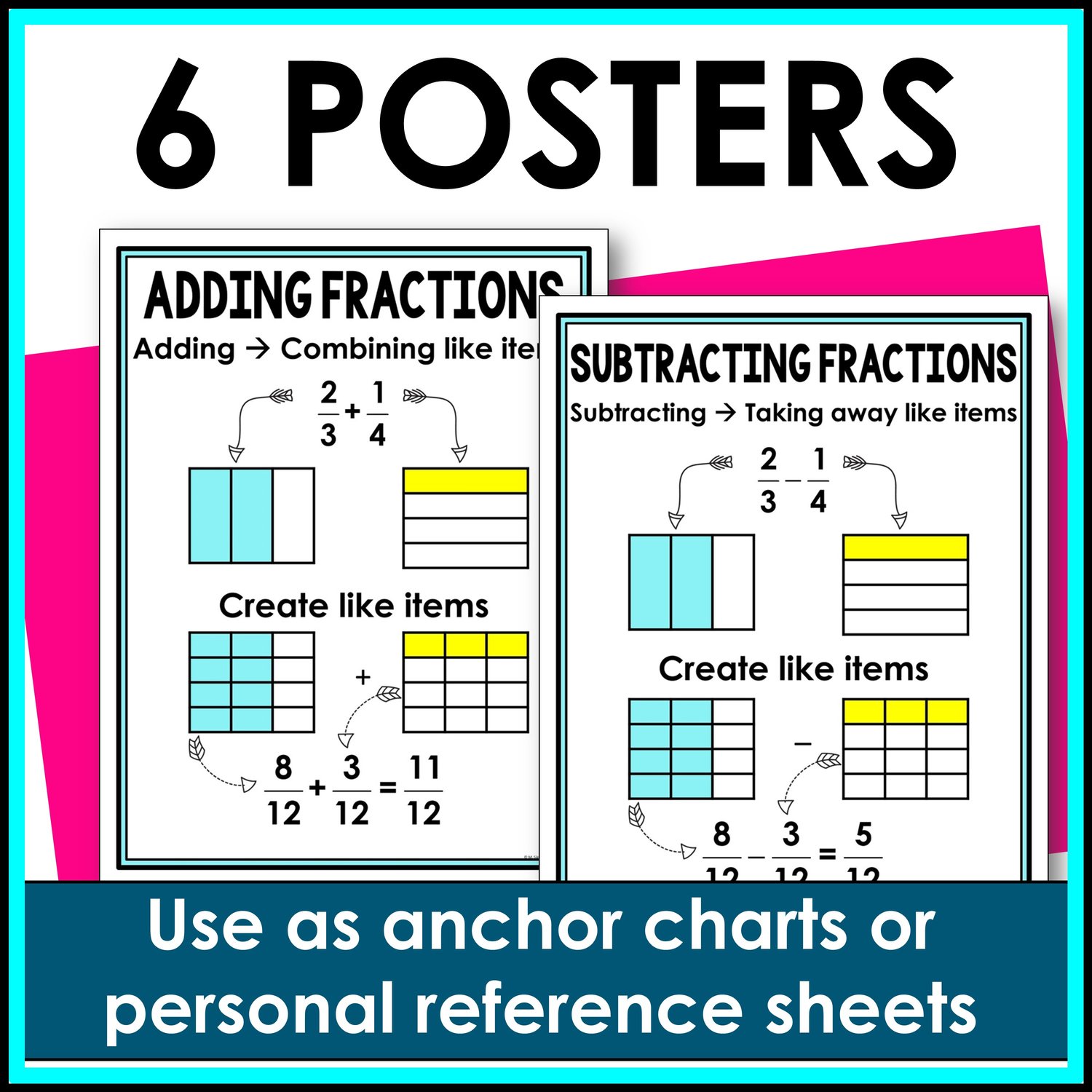
Multiplication Method vs Division Method
{"left":"Multiply top and bottom by same number\nExample: 1/2 × 3/3 = 3/6\nBoth numerator and denominator change\nValue stays the same","right":"Divide top and bottom by same number\nExample: 6/8 ÷ 2/2 = 3/4\nFind common factors\nSimplify to lowest terms"}
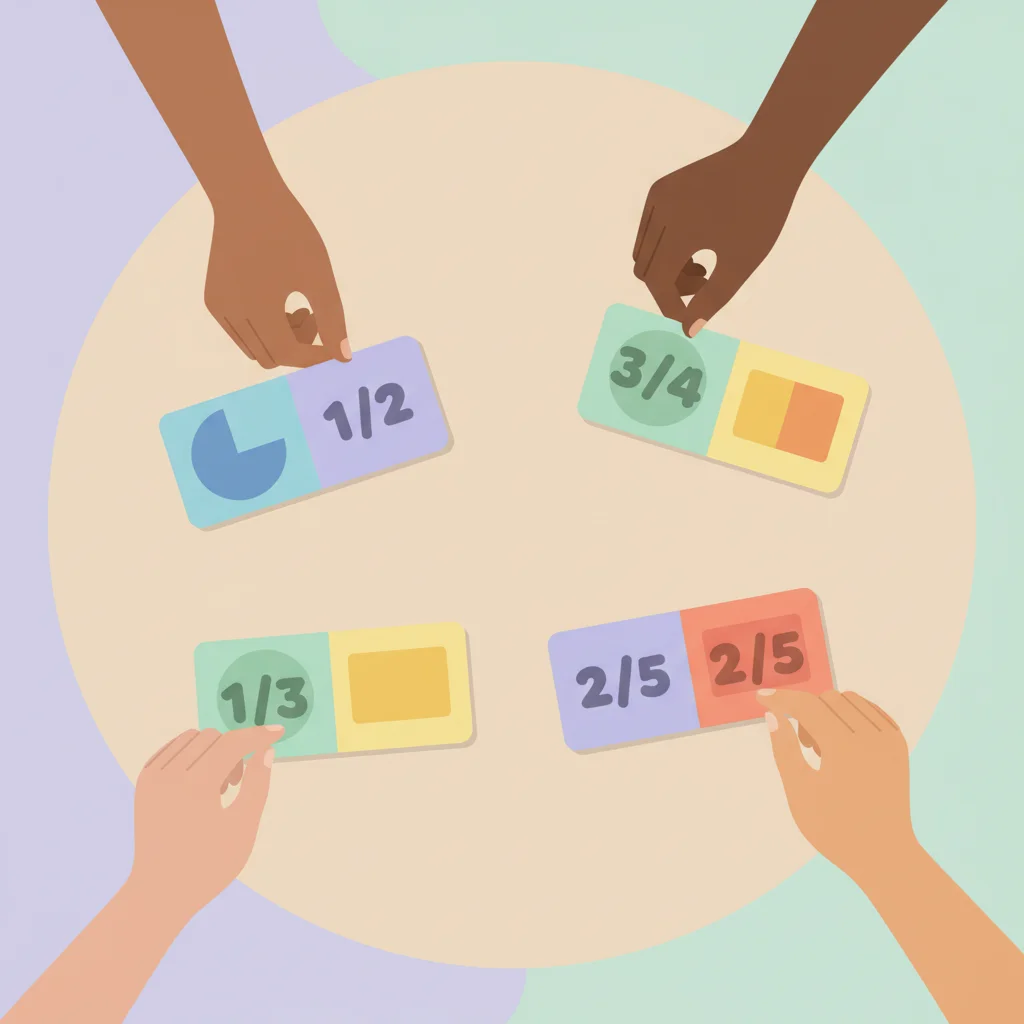
Fraction Match Game
Find pairs of equivalent fractions Use visual models to check your work Match: 1/3 with 2/6, 4/12 Match: 3/4 with 6/8, 9/12 Work with a partner
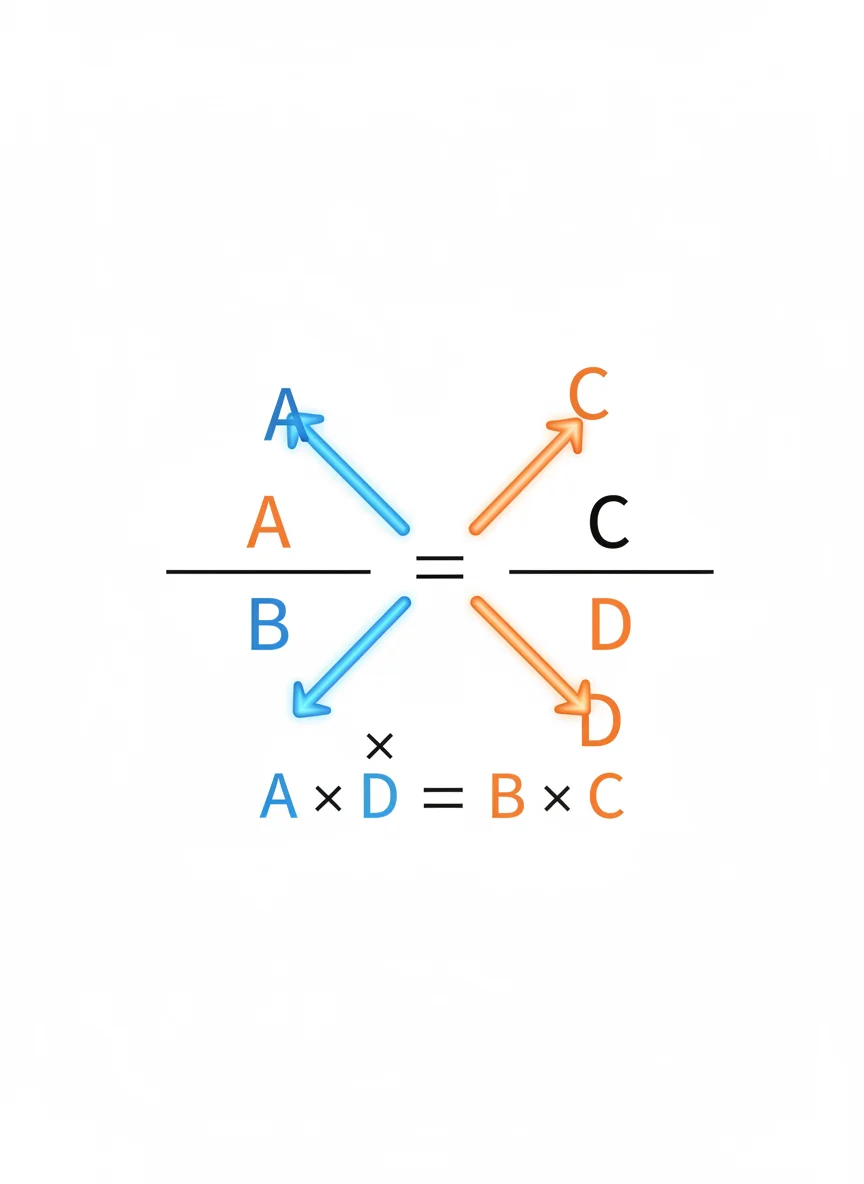
Cross Multiplication Check
Quick way to test if fractions are equal Multiply diagonally across If products are equal, fractions are equivalent Example: 2/3 and 4/6 → 2×6 = 12, 3×4 = 12 ✓

Challenge Question
Which fraction is NOT equivalent to 3/4? A) 6/8 B) 9/12 C) 12/15 D) 15/20 Use any method to solve!
Differentiation Strategies
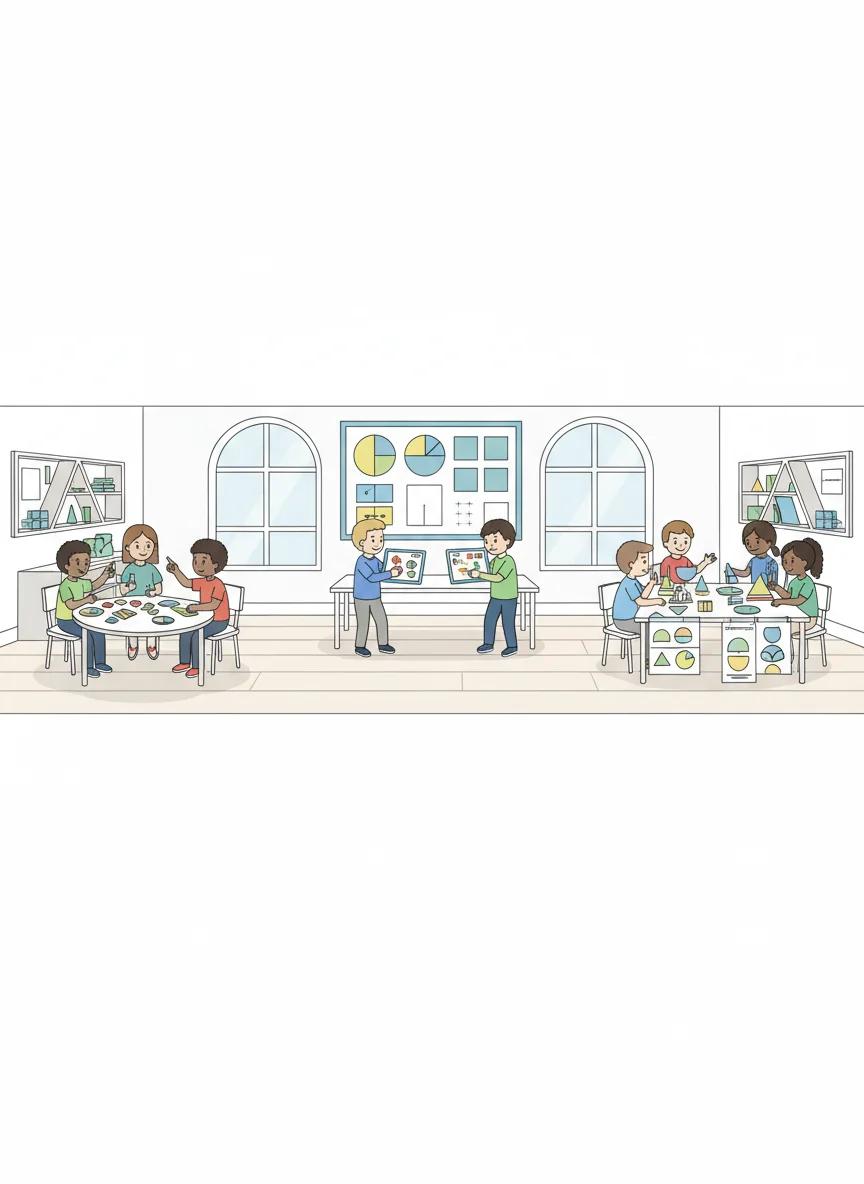
Struggling learners: Use concrete manipulatives first Visual learners: Emphasize fraction walls and circles Advanced learners: Find multiple equivalents for complex fractions Dyslexia support: Use color-coding and verbal explanations
Summary and Next Steps
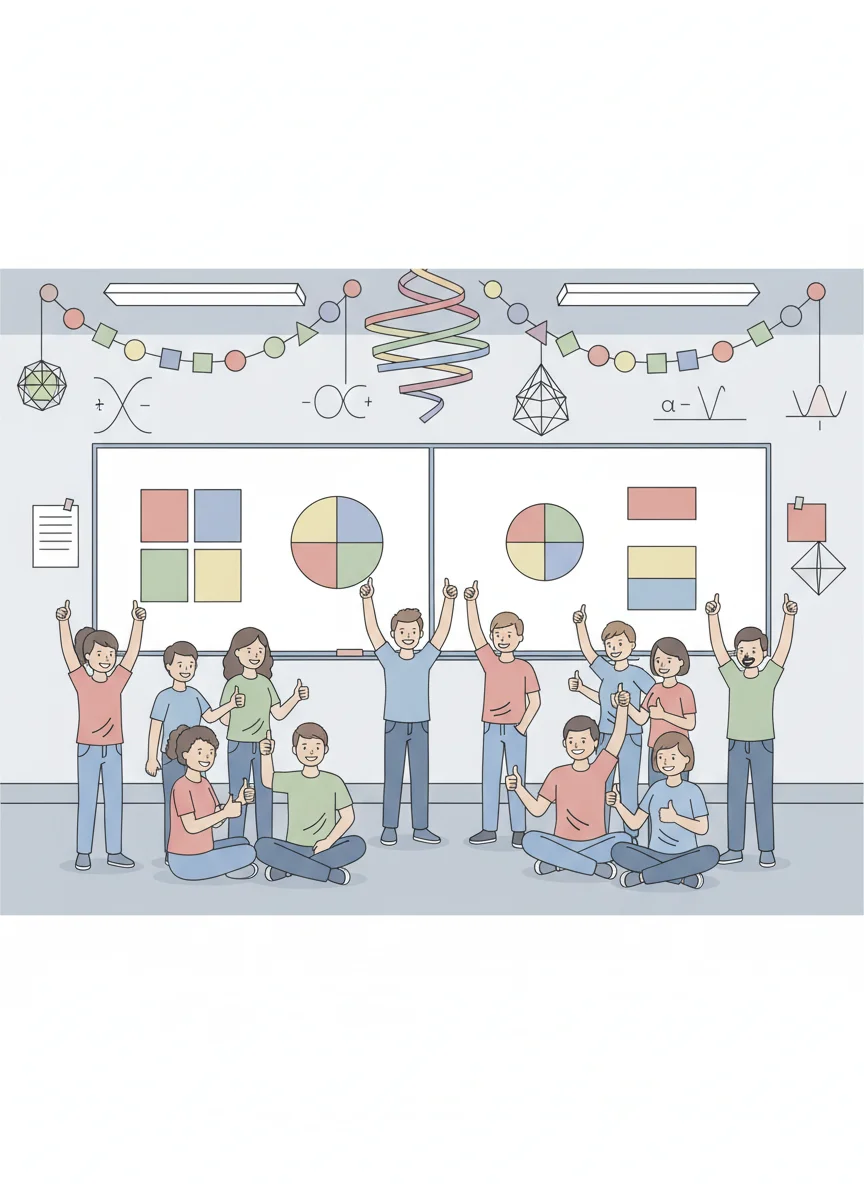
Equivalent fractions have the same value Use visual models to understand relationships Multiply or divide by same number Cross multiply to check equivalence Practice with real-world examples