Early Republic: Rights and Responsibilities
Understanding the Bill of Rights Exploring Individual Freedoms Examining Democratic Responsibilities
Think-Pair-Share: Essential Freedoms
What freedoms do you think are most important to protect in a democratic society? Why are these freedoms essential? Share your thoughts with a partner Prepare to discuss with the class
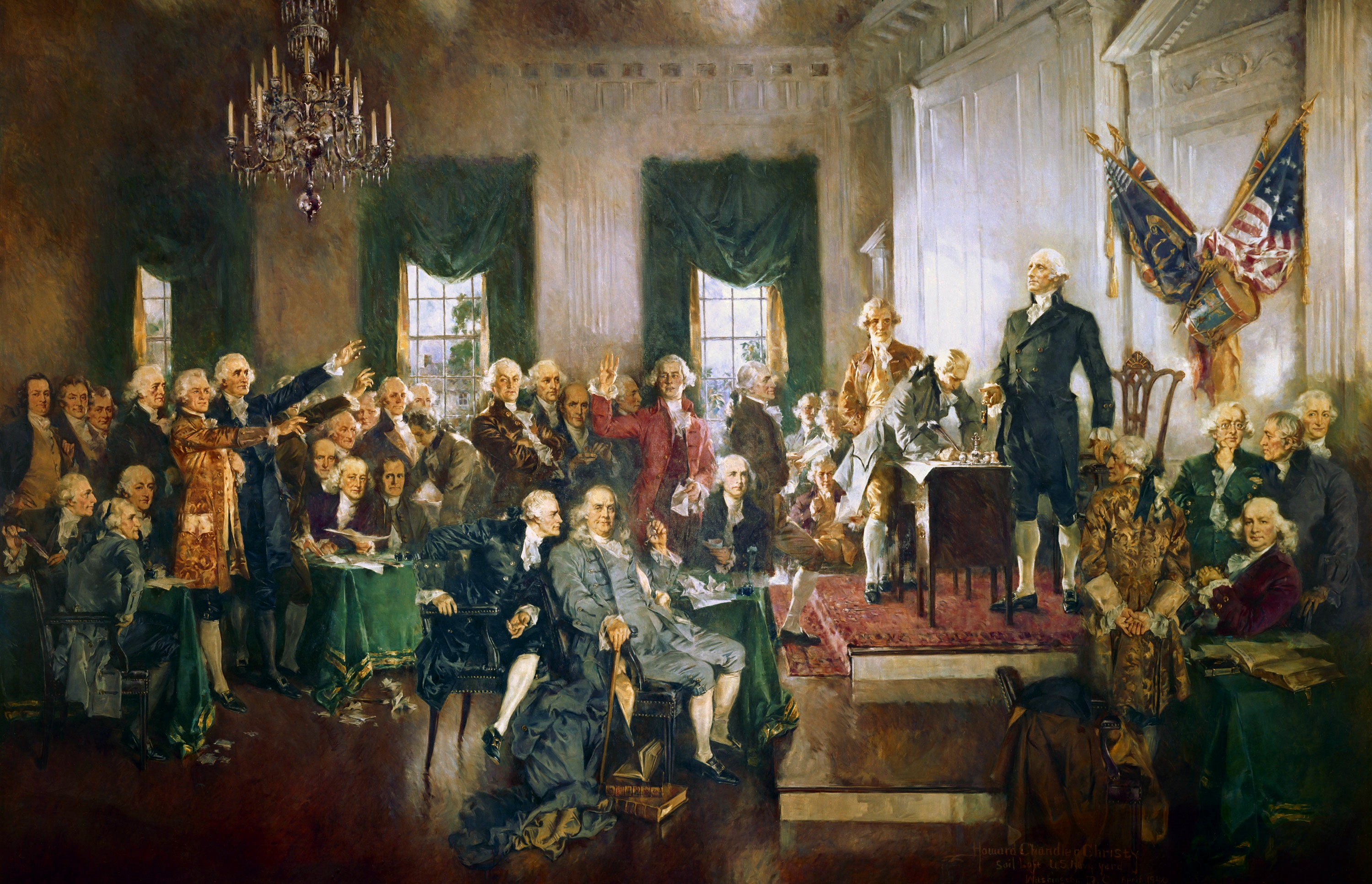
Historical Context: Why the Bill of Rights?
The Constitution was ratified in 1788 Many states feared a strong federal government Anti-Federalists demanded protection of individual rights The first 10 amendments were added in 1791 These amendments limit government power and protect citizens

The First Ten Amendments

Amendment Exploration Carousel
10 stations around the room - one amendment per station Small groups of 3 students rotate every 2-3 minutes At each station, answer two guiding questions: 1. What right or freedom does this protect? 2. Why was this important for early Americans? Add modern examples or questions on sticky notes
Rights vs. Responsibilities
The Bill of Rights protects our freedoms... But what responsibilities come with these rights? How do we balance individual freedom with community needs? Can you think of examples where rights might conflict?
Creative Visual Representation Project
Groups of 5-6 students Choose 2-3 amendments to represent visually Create posters including: • The right/freedom protected • A historical or modern example • Why it matters today Use creativity: symbols, drawings, text, quotes
The Bill of Rights Today
These 230-year-old amendments still protect us daily Modern applications: social media, digital privacy, religious freedom Ongoing debates about balancing security and liberty Your generation will continue interpreting these rights Understanding your rights helps you participate in democracy