
Comparing Multiple Budget Methods
Grade 9 Business • Personal Finance Unit Lesson 10 of 13 • 60 minutes

Lesson Objectives
Create budgets using three different methods with the same scenario Analyze effectiveness and practicality of each approach Visualize budget data through charts and graphs Use mathematical reasoning to optimize spending decisions Reflect critically on budgeting choices and financial goals
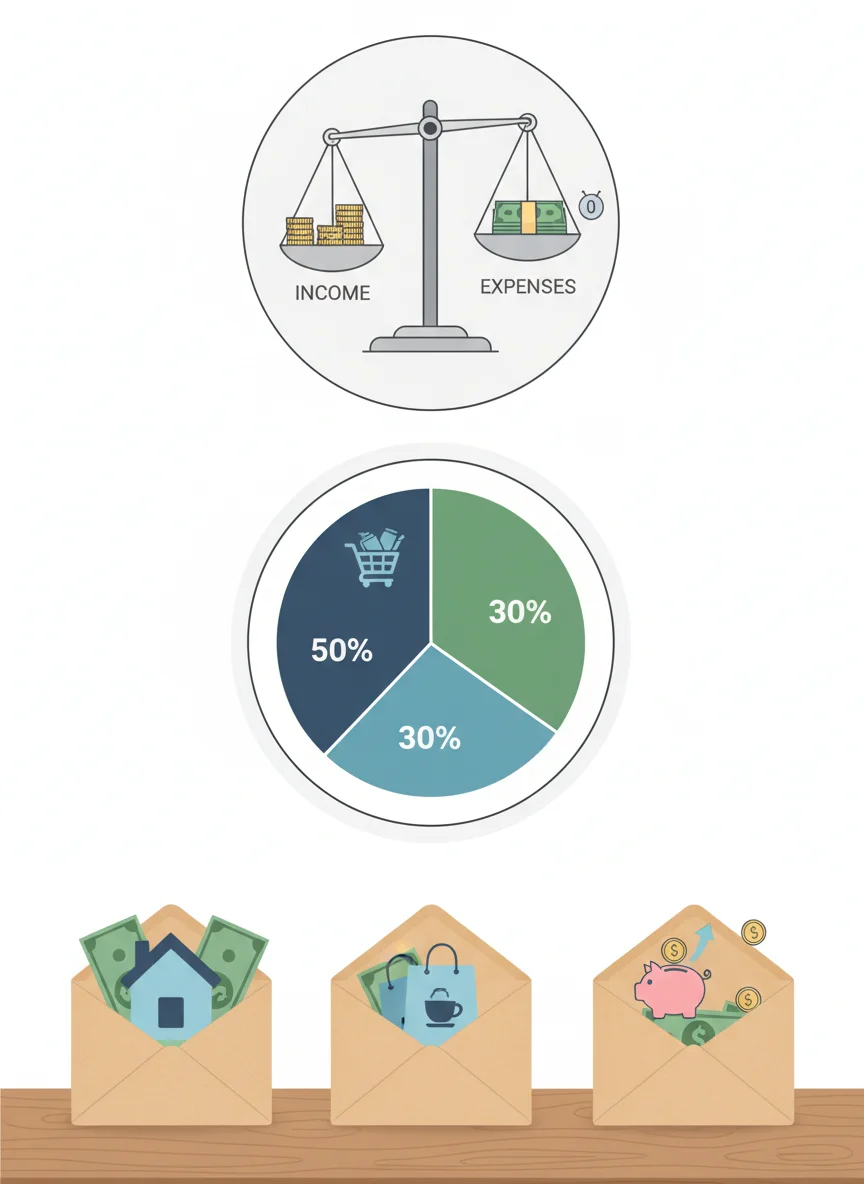
Three Budgeting Methods Overview
Zero-Based Budget: Every dollar gets assigned a specific purpose 50/30/20 Rule: 50% needs, 30% wants, 20% savings Envelope System: Cash allocated to specific spending categories
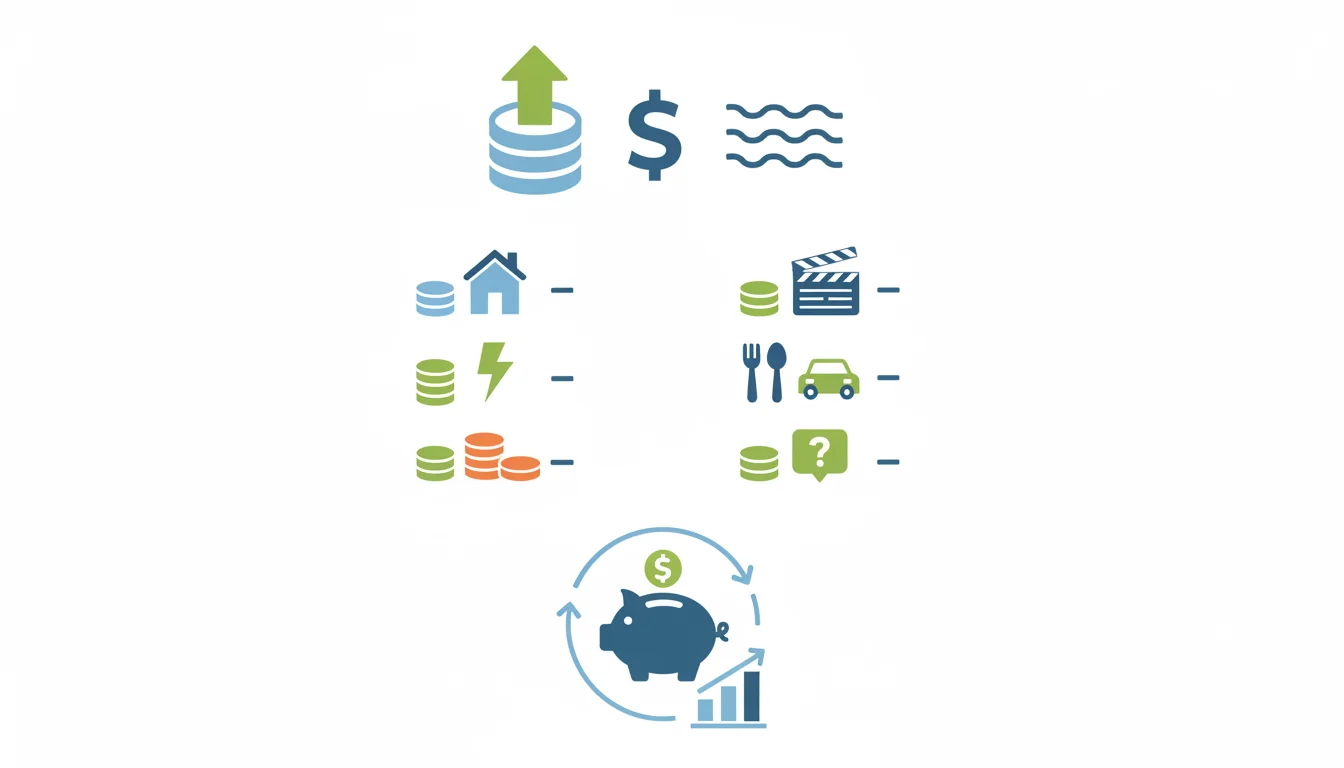
Financial Scenario
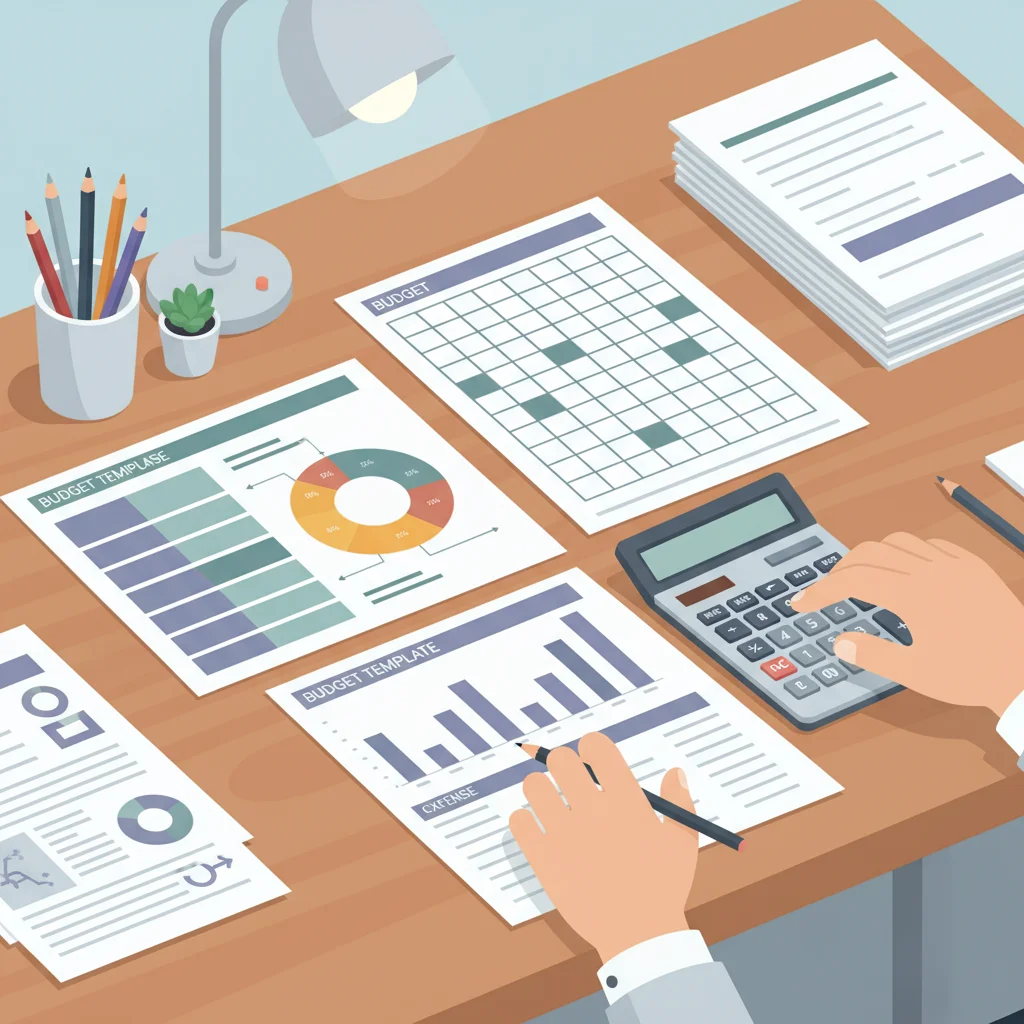
Budget Creation Activity
Step 1: Create a Zero-Based Budget (every dollar assigned) Step 2: Apply the 50/30/20 Rule to the same scenario Step 3: Design an Envelope System with cash categories Use worksheets and calculator for accurate calculations

Data Visualization Instructions
Create a comparative bar chart or pie charts Show spending allocation for each budget method Highlight differences in savings and discretionary spending Use graph paper or spreadsheet software

Analysis & Reflection
Which budget method seems most effective for this scenario? Consider: Ease of use, flexibility, savings goals, realistic spending What trade-offs do you notice between methods? Which approach would you personally prefer and why?

Assessment & Extension
Quick Quiz: Define each budgeting method and identify key differences Calculate budget percentages and category allocations Discuss advantages and disadvantages of each approach Extension: Create a personal budget using your preferred method