
Chemical Naming and Equation Balancing
Grade 10 Physical Science IUPAC Conventions & Conservation of Mass Building Foundation for Chemistry Success
Why Do Chemists Need Naming Rules?
Imagine if every country called water something different Scientists worldwide need a common language IUPAC (International Union of Pure and Applied Chemistry) creates universal rules Prevents confusion in research and communication
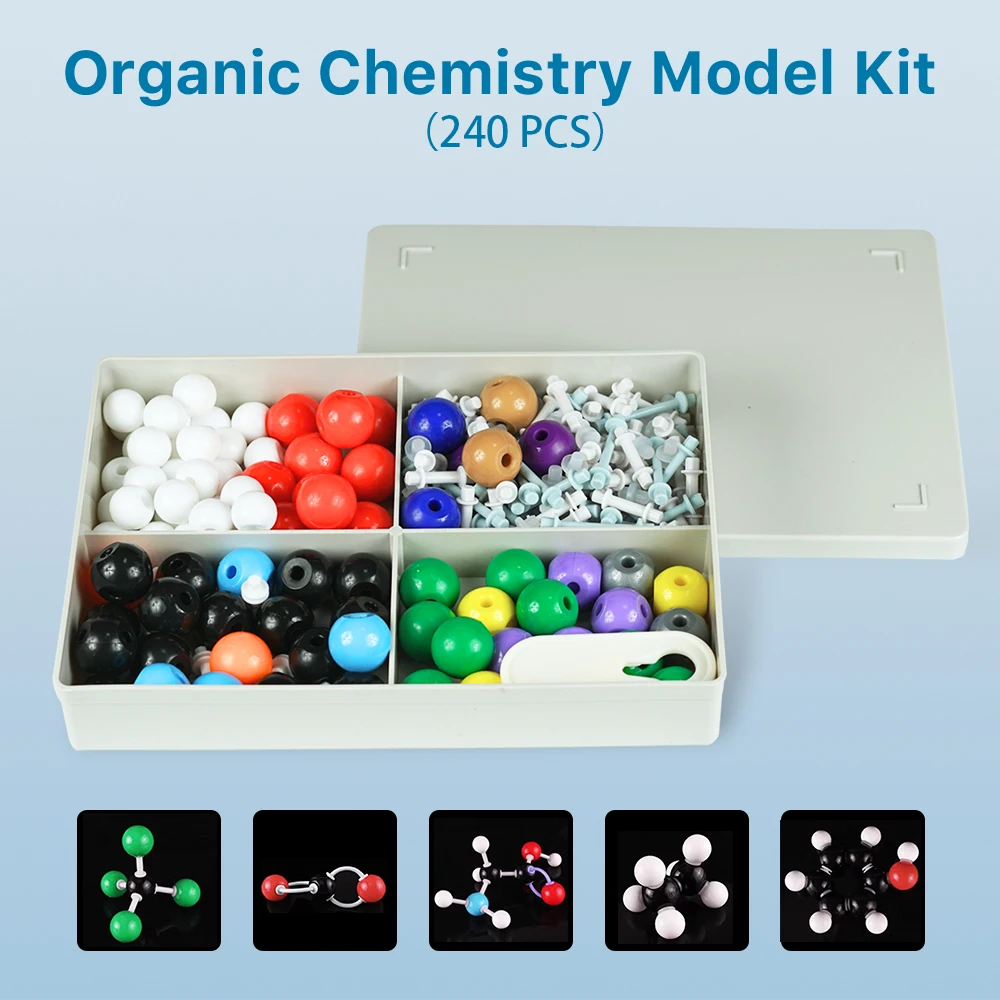
Build and Name Challenge
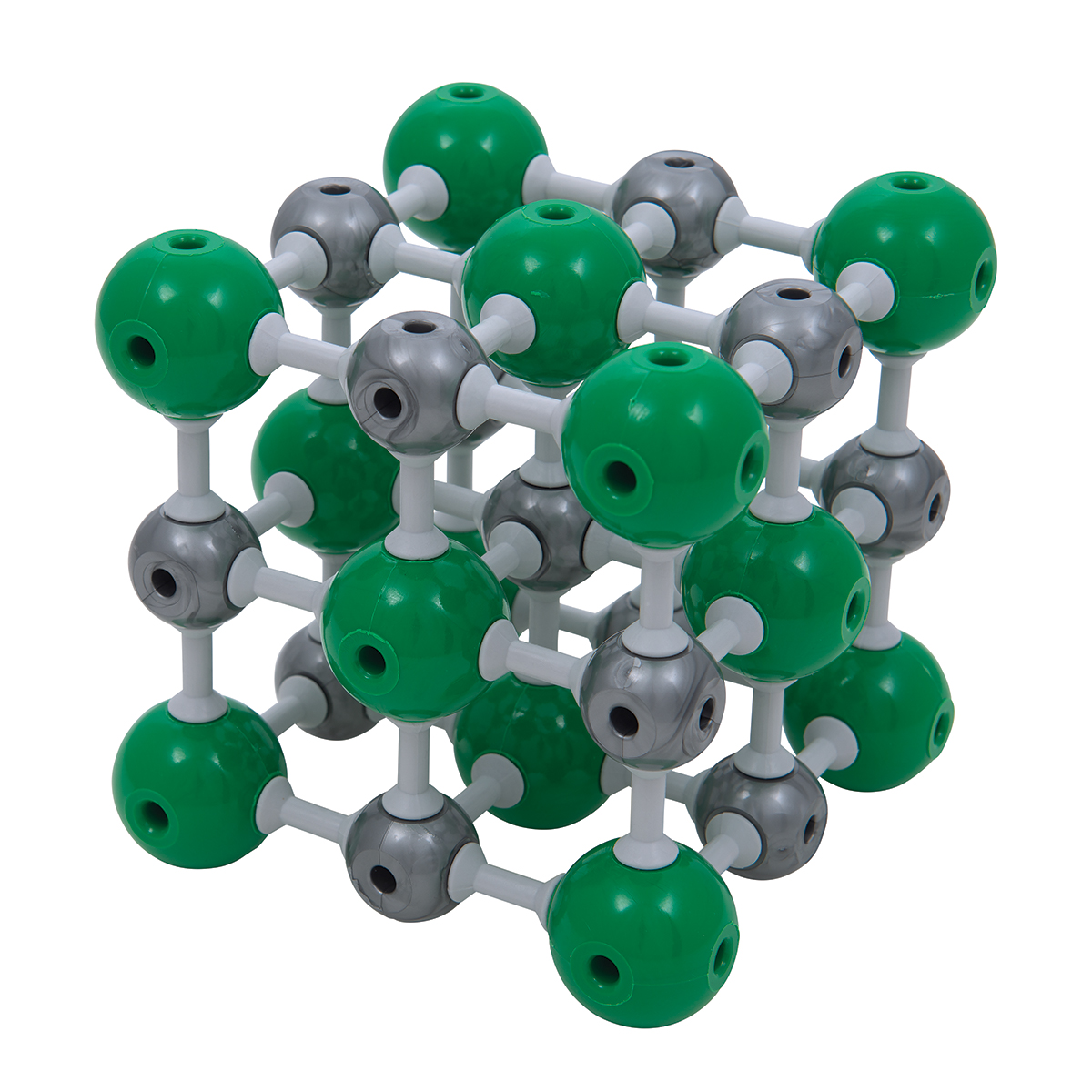
Use virtual molecular models to build simple compounds Start with H₂O, CO₂, and NaCl Identify patterns in how elements combine Practice writing chemical formulas
Common vs. IUPAC Names
{"left":"Water vs. Dihydrogen monoxide\nSalt vs. Sodium chloride","right":"Baking soda vs. Sodium hydrogen carbonate\nAmmonia vs. Nitrogen trihydride"}

Law of Conservation of Mass
"In a chemical reaction, matter is neither created nor destroyed, only rearranged." - Antoine Lavoisier, Father of Modern Chemistry
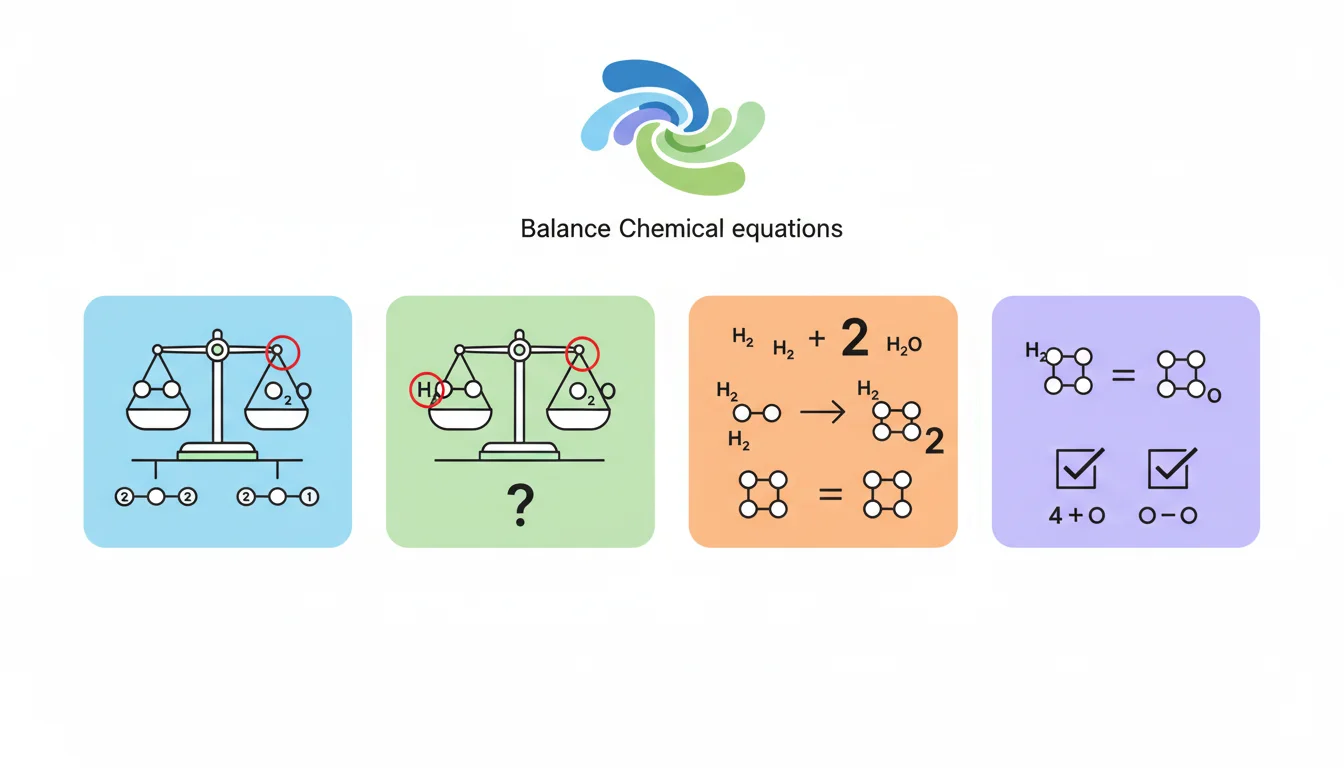
Balancing Equations: Step-by-Step Process

Equation Balancing Practice
Try balancing: C + O₂ → CO₂ Check: Mg + HCl → MgCl₂ + H₂ Challenge: Fe + O₂ → Fe₂O₃ Show your mathematical reasoning for each step

Mastery Check: Key Takeaways
I can name compounds using IUPAC conventions I understand why chemical equations must be balanced I can systematically balance chemical equations I can apply the Law of Conservation of Mass Ready for tomorrow's advanced practice!