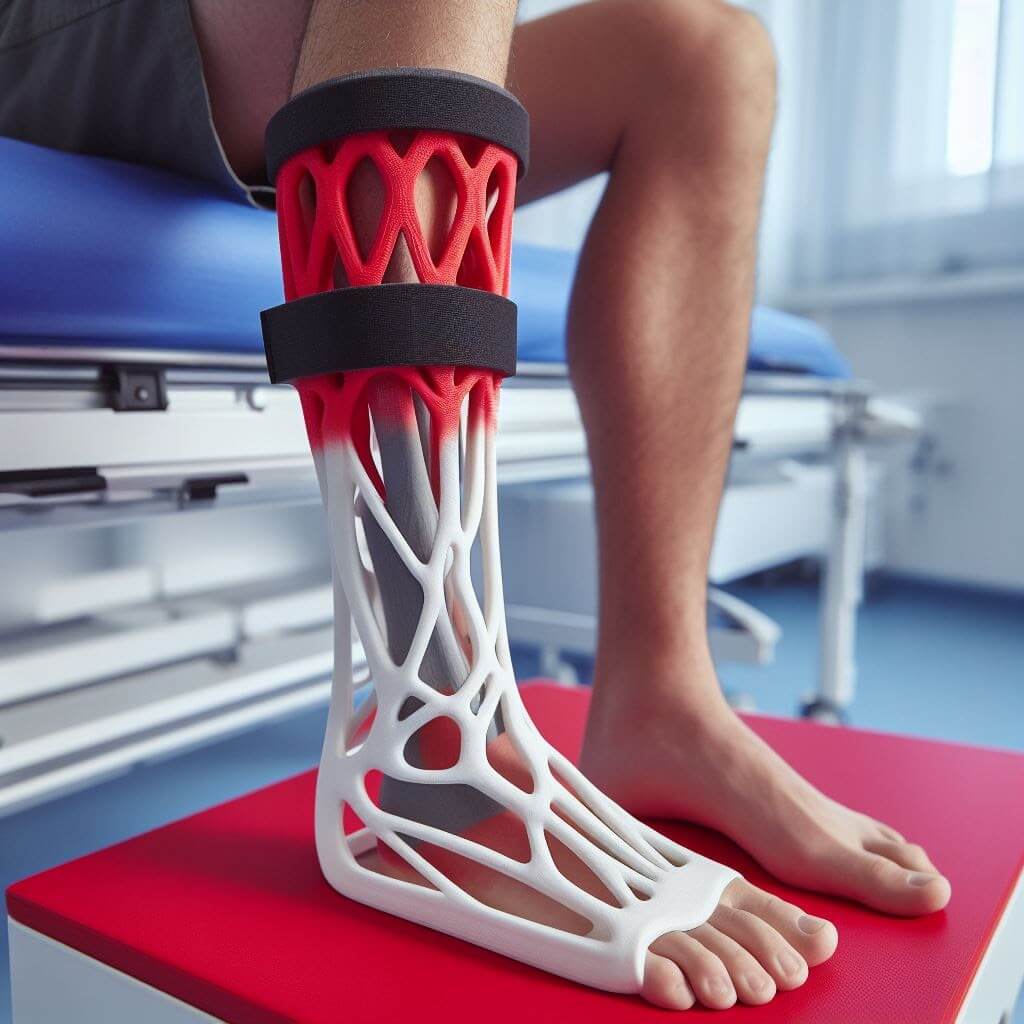
3D Printing Transforms Modern Medicine
Technology Innovation in Healthcare Grade 9 Technology IB MYP Design Technology
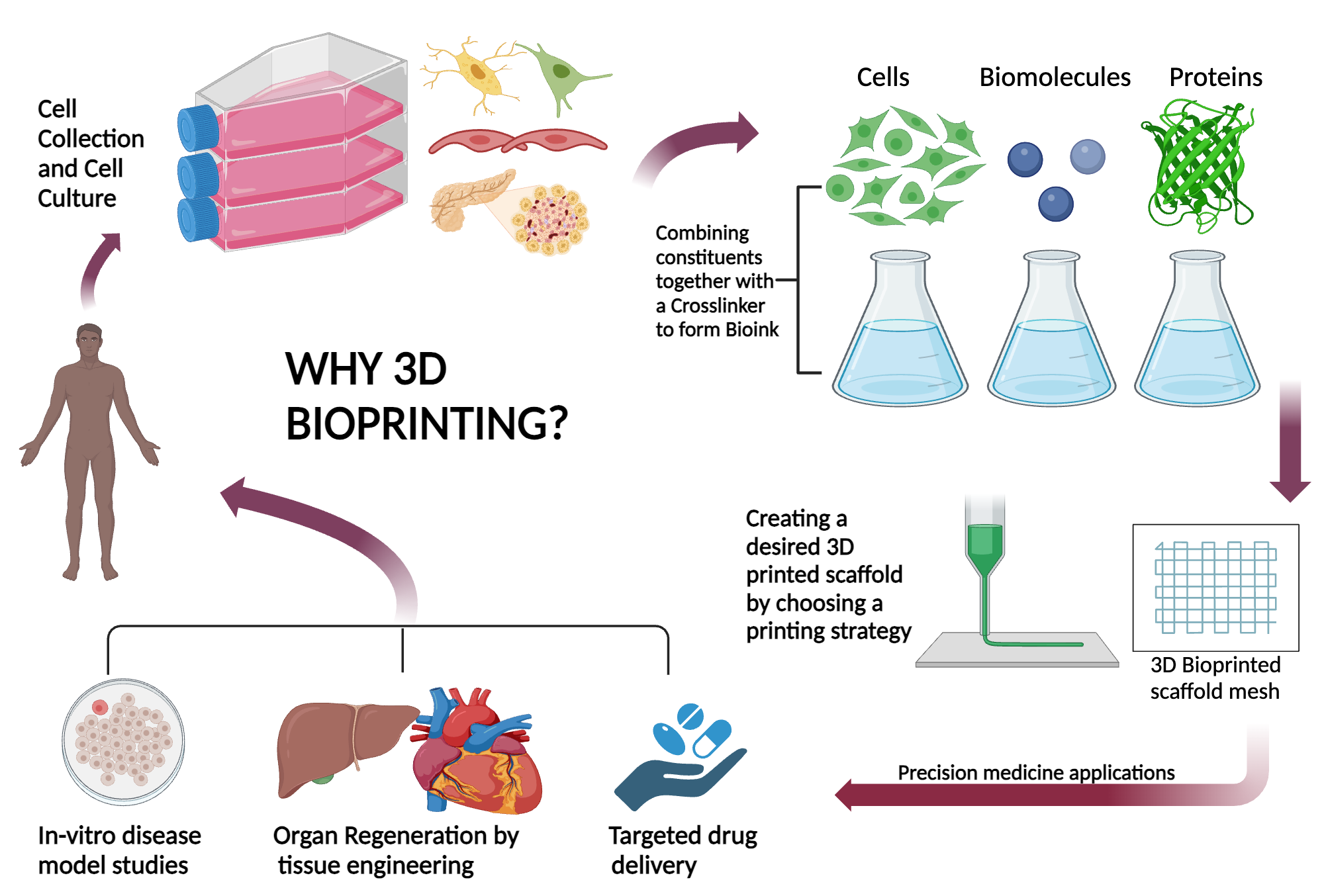
How 3D Printing is Revolutionizing Medicine
Creating custom prosthetics for individual patients Printing surgical tools and implants Producing detailed organ models for surgery planning Developing new drug delivery systems Reducing costs and improving accessibility

Case Study Investigation
Form groups of 5 students each Each group receives one case study: • Custom Prosthetics • 3D Printed Organ Models • Surgical Tools Analyze: What problem does this solve? How does 3D printing improve traditional methods? What challenges or ethical concerns exist?
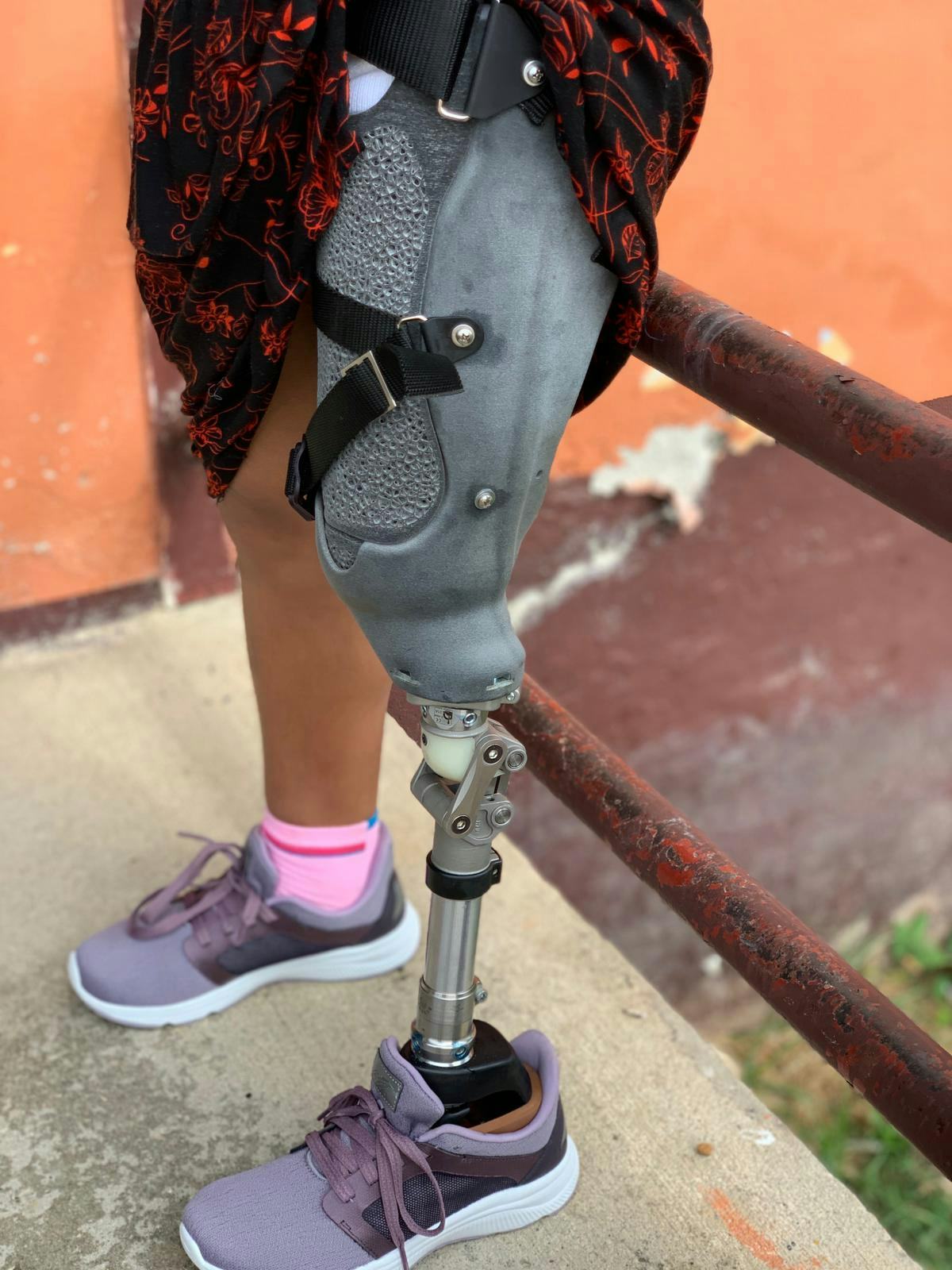
Custom Prosthetics: Personalized Solutions
Traditional prosthetics are expensive and generic 3D printing creates custom-fitted devices Faster production time (days vs. weeks) Lower cost makes prosthetics more accessible Improved comfort and functionality for users
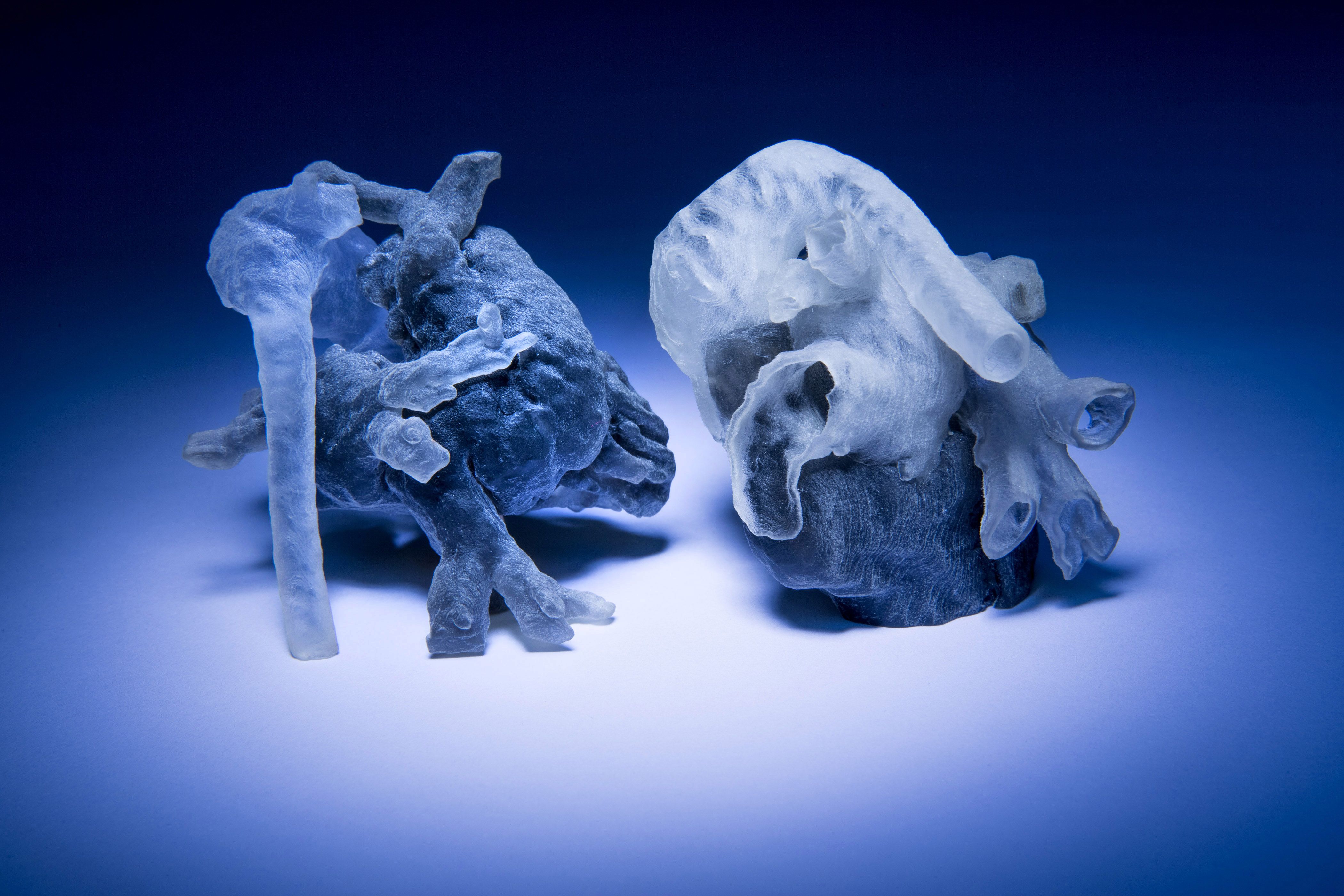
3D Organ Models: Surgical Planning Revolution
Surgeons can practice complex operations beforehand Patient-specific models from CT and MRI scans Reduces surgery time and complications Improves surgical outcomes and safety Valuable for medical education and training
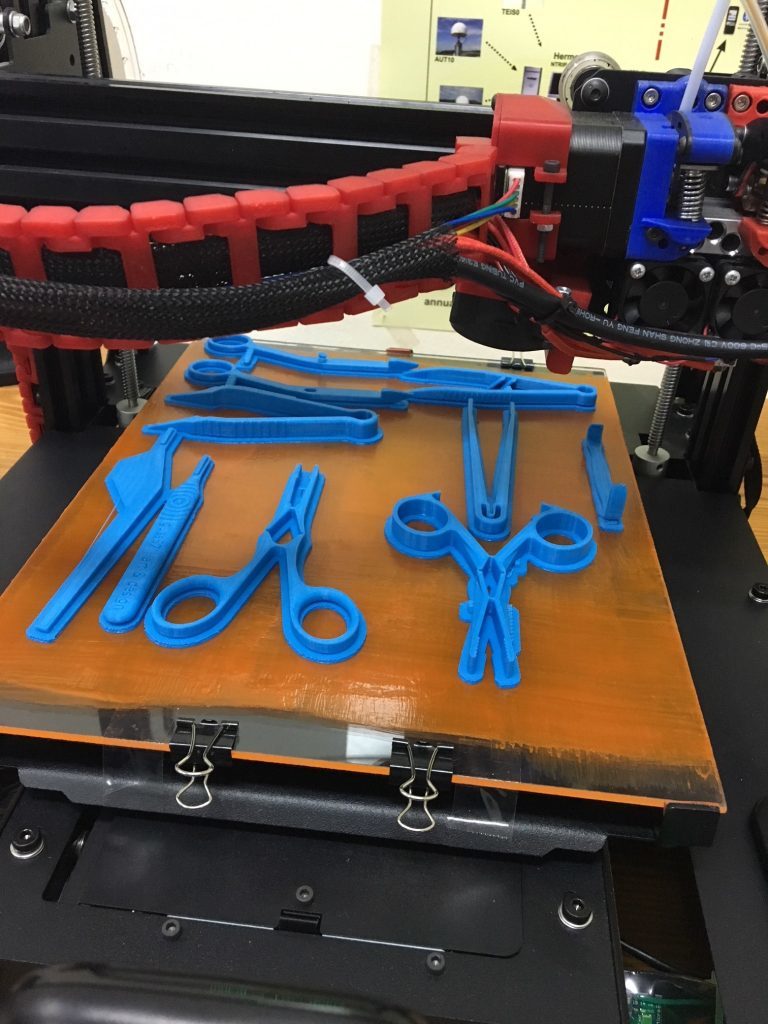
Surgical Tools: Faster, Cheaper, Better
Traditional manufacturing takes weeks or months 3D printing produces tools in hours or days Custom instruments for specific procedures Reduced costs for hospitals and patients Enables innovation in surgical techniques

Critical Thinking Challenge
Which 3D printing medical innovation do you think has the greatest potential? Consider both benefits and challenges: • Cost and accessibility • Safety and regulation • Global impact • Ethical implications
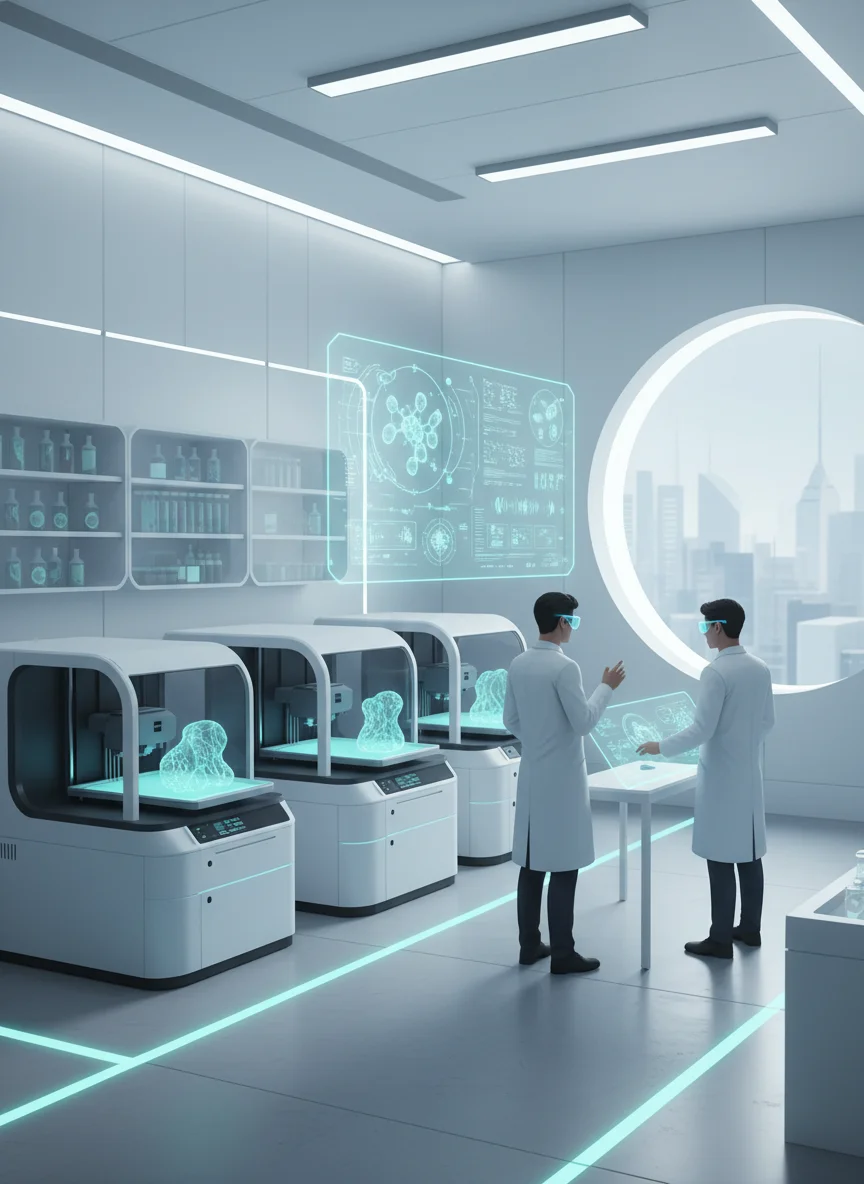
Looking Forward: The Future of Medical 3D Printing
Bioprinting with living cells and tissues Personalized medicine and drug delivery Reduced healthcare costs worldwide Ethical questions about human enhancement Next lesson: Design your own medical device prototype!