Macro vs Micro
A free maths worksheet ready for your classroom. Open in Kuraplan to grab the print-ready PDF, customize it for your students, or generate a fresh version in seconds.

Macro vs Micro Economics - Answer Sheet

📚 Part 1: Multiple Choice - Identifying Economic Concepts
Answer: A small bakery in Auckland deciding to increase bread prices
Explanation: This involves an individual business making pricing decisions, which is studied in microeconomics.
Answer: The entire economy's performance
Explanation: Macroeconomics studies the economy as a whole, including national indicators like GDP, inflation, and unemployment.
Answer: All options can be studied from both perspectives
Explanation: Energy prices affect individual businesses (micro) and national inflation (macro). Consumer spending affects individual markets (micro) and GDP (macro).
✏️ Part 2: Classification and Analysis
a) Reserve Bank of New Zealand raises interest rates: MA
b) A Wellington café reduces staff hours due to low sales: MI
c) National unemployment rate falls to 3.2%: MA
d) Two supermarket chains compete for customers in Christchurch: MI
e) Government introduces new tax policy: MA
Sample Answer: Microeconomics studies individual parts of the economy like single businesses, consumers, or specific markets. Macroeconomics looks at the whole economy including things like national inflation, unemployment, and government policies that affect everyone.
Sample Answer:
Microeconomic effect: A delivery company in Hamilton may need to increase delivery charges to cover higher fuel costs, affecting their customers and competitors.
Macroeconomic effect: Higher petrol prices contribute to national inflation, potentially leading the Reserve Bank to adjust interest rates and affecting the entire economy's purchasing power.
🎯 Part 3: Real-World Application
Sample Answers:
• Local competition from other coffee shops
• Customer demand in their specific area
• Cost of hiring additional staff
• Rent prices for larger premises
• Supplier costs for coffee beans and equipment
Sample Answer: Rising inflation means prices for everyday goods like food, petrol, and housing increase. This reduces households' purchasing power, meaning families can buy less with the same income. Some families may need to cut spending on non-essential items or find ways to increase their income.
Sample Answer: If many individual businesses across New Zealand decide to reduce their workforce due to high costs (microeconomic decisions), this leads to higher national unemployment rates (macroeconomic effect). Higher unemployment then reduces overall consumer spending, which can slow economic growth across the entire country.
About This Worksheet
Free in Kuraplan
Sign up free, grab the PDF, and customize it for your class.
Print-Ready
Formatted for standard paper. Clean layout, easy to read.
AI-Generated
Created with Kuraplan's AI, designed for real classroom use.
For Teachers & Parents
Use in classrooms, for homework, tutoring, or homeschool.
Need a custom version of this worksheet?
Kuraplan's AI generates custom worksheets in seconds — differentiated for every learner, aligned to your curriculum.
Generate Custom Worksheets — FreeMore Maths Worksheets
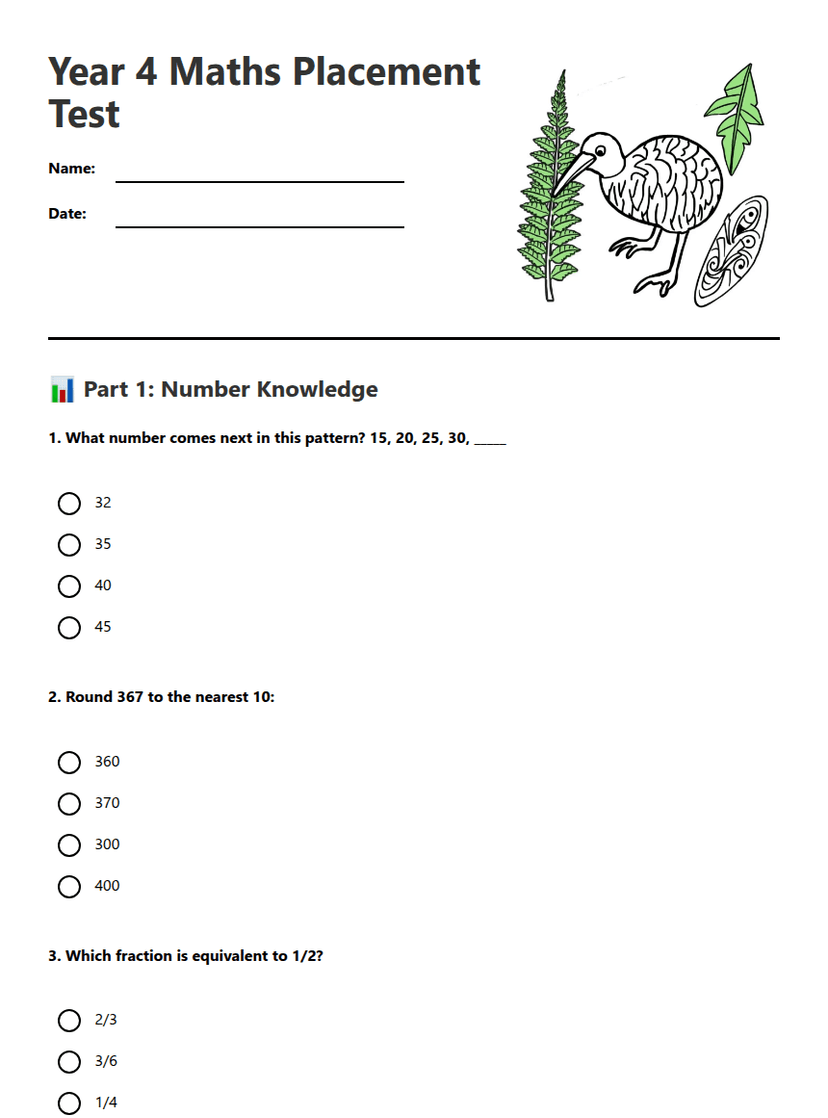
Year 4 Maths Placement Test
Free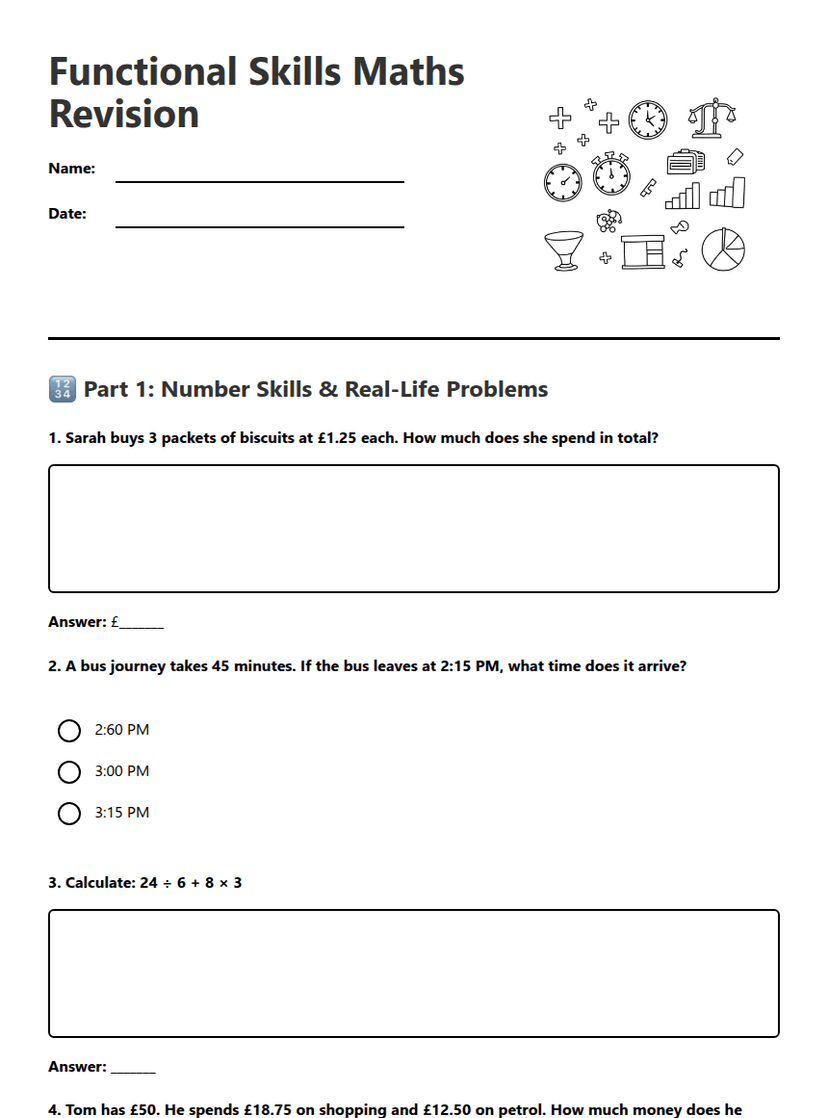
Functional Skills Maths Revision
Free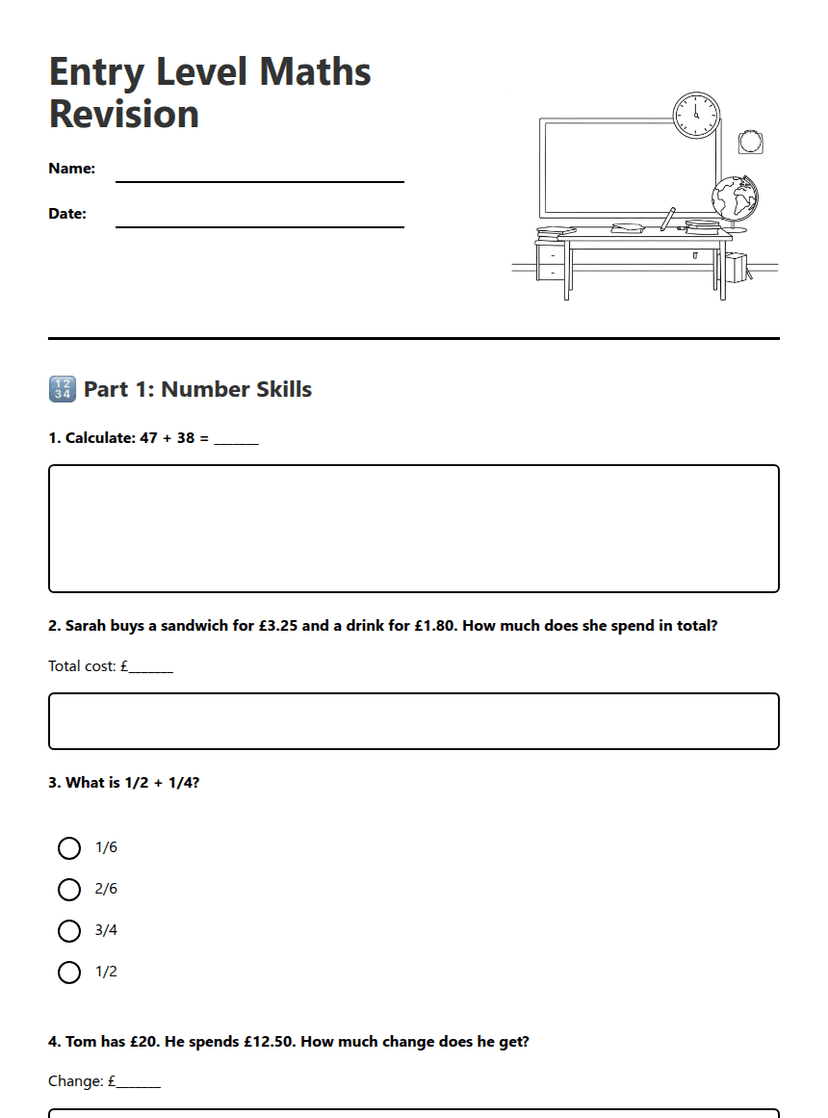
Entry Level Maths Revision
Free
Functional Skills Maths Assessment
Free
Functional Skills Maths Practice
Free
Maths Trivia Team Challenge
Free
Year 9 Maths Revision
Free