
Why Do We Follow Orders?
Exploring Obedience in Psychology A-Level Psychology Year 12
Learning Objectives
Explain the agentic state theory of obedience Understand legitimacy of authority as an explanation Analyze situational variables affecting obedience Evaluate the Authoritarian Personality as a dispositional explanation Apply knowledge to real-world scenarios

Think-Pair-Share
Why might someone follow orders they disagree with? Think for 1 minute individually Share with your partner for 2 minutes We'll hear some ideas as a class
What is Obedience?
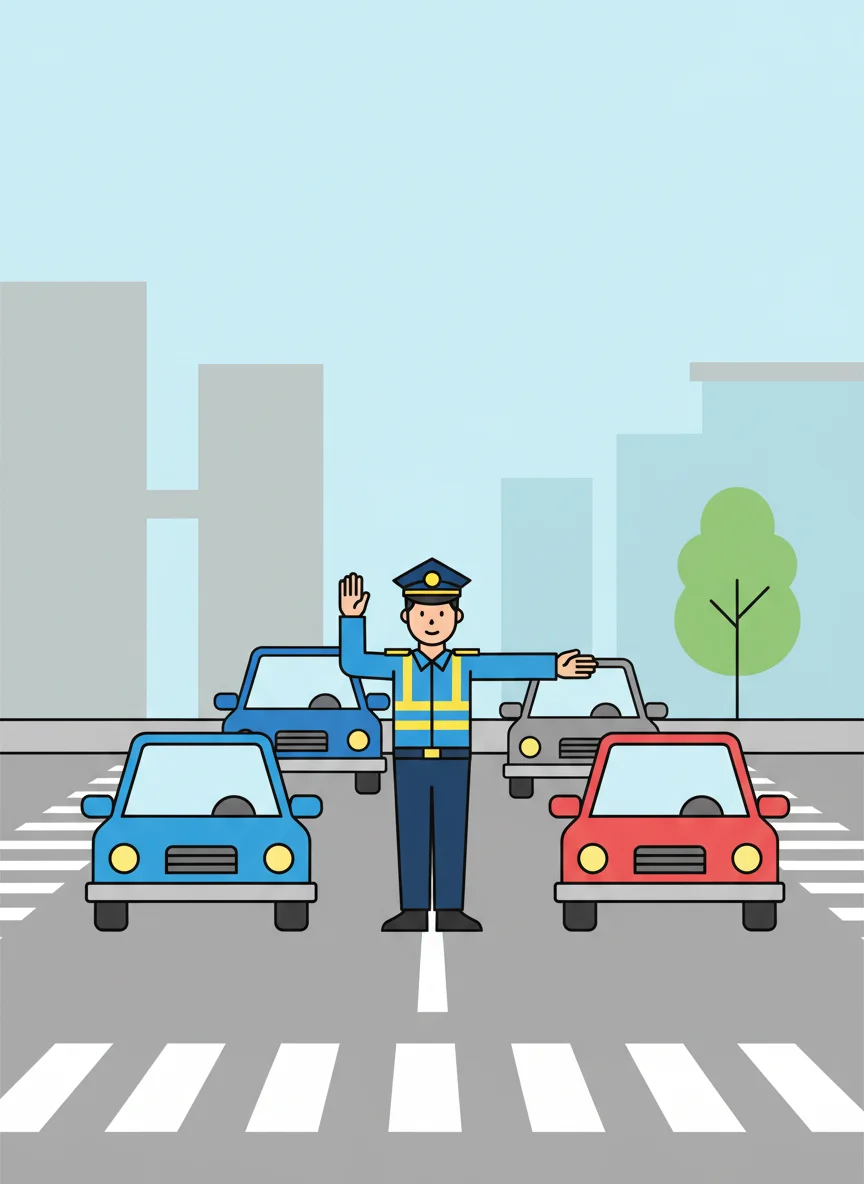
Following direct orders from an authority figure Different from conformity (peer pressure) Often involves acting against personal beliefs Can be positive (following traffic laws) or negative (harmful orders) Key focus: Why do we comply?

Stanley Milgram's Obedience Study (1963)
Role-Play Analysis
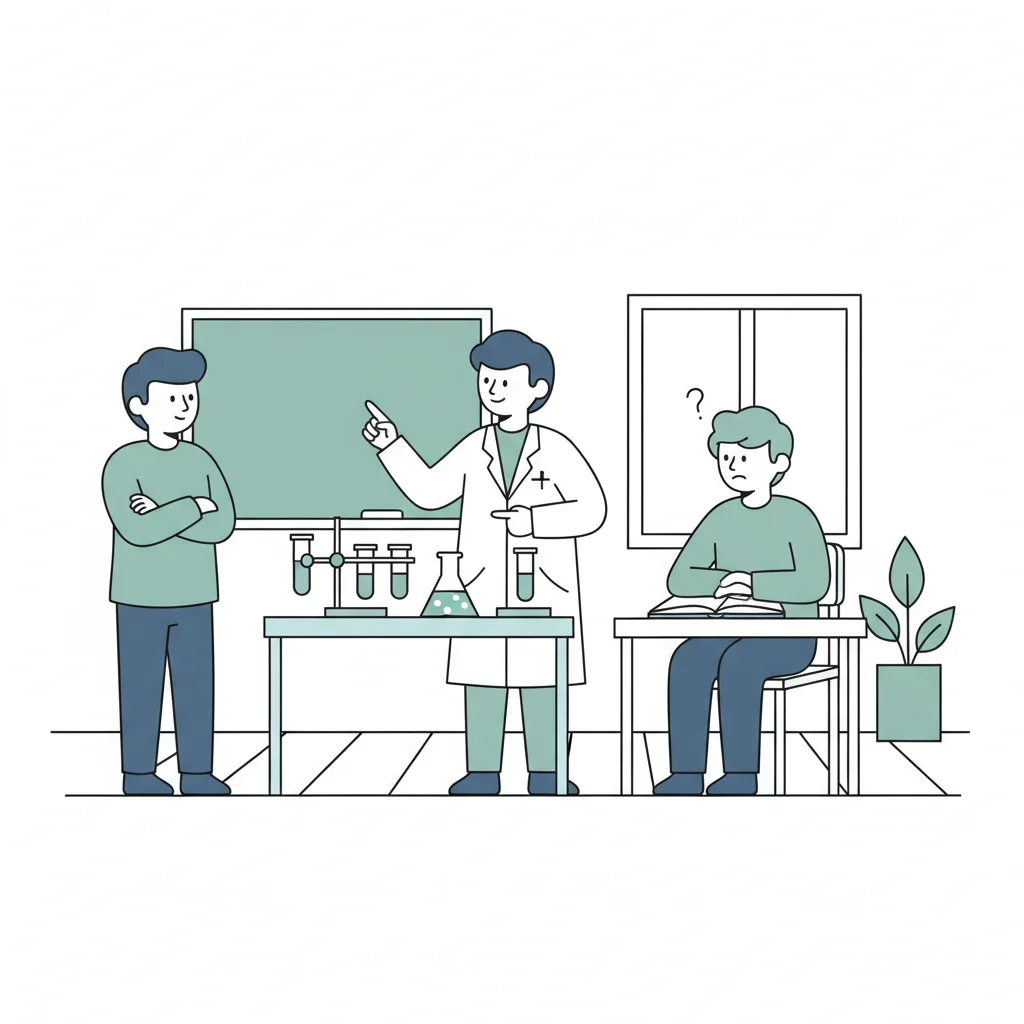
Groups of 3: Teacher, Learner, Experimenter Act out key moments from Milgram's study Focus on the psychological pressure points Discuss: What made participants continue? 5 minutes preparation, 2 minutes per group
Agentic State Theory
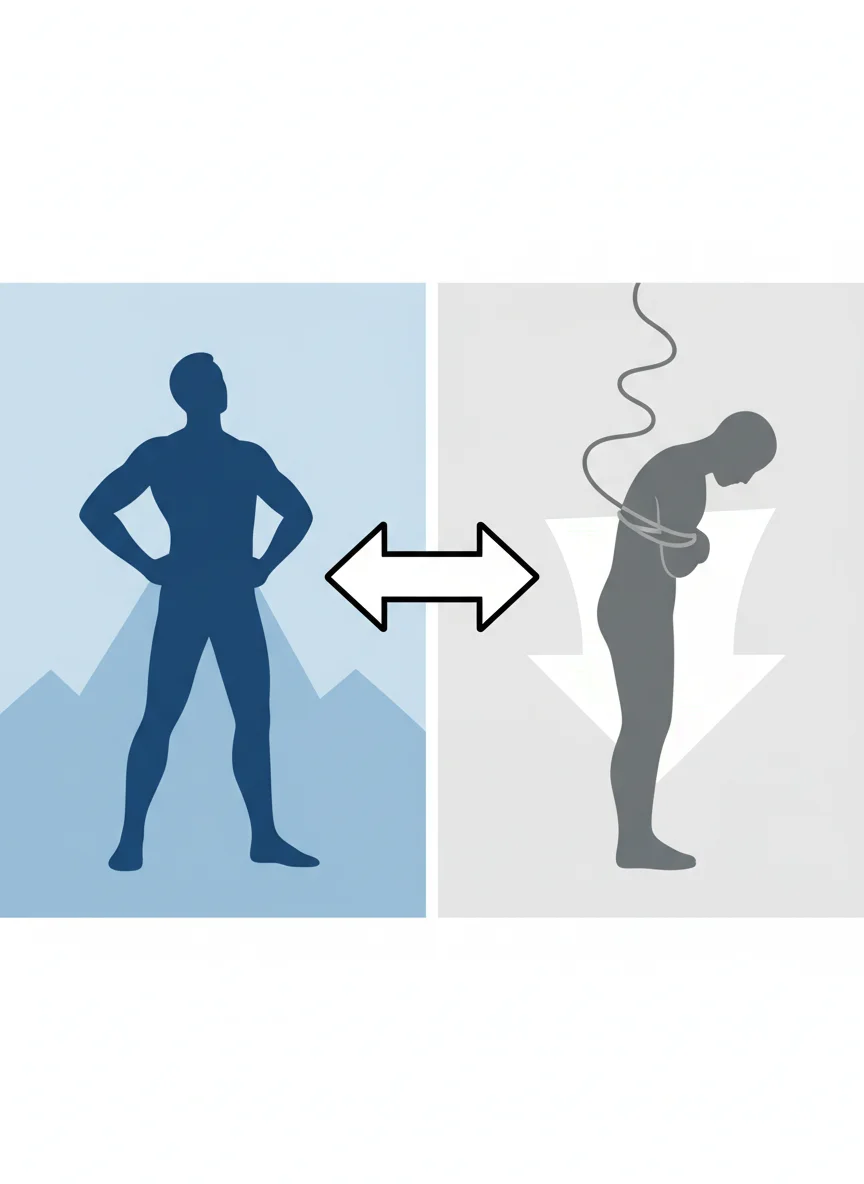
Milgram's explanation for obedience Autonomous state: acting independently Agentic state: acting as agent of authority Moral strain when orders conflict with conscience Agentic shift occurs when authority is perceived

Autonomous vs Agentic State
{"left":"Free will and personal responsibility\nIndependent decision making\nFollowing personal moral code\nSelf-directed behavior","right":"Acting as agent of authority\nReduced personal responsibility\nFollowing orders without question\nAuthority figure makes decisions"}
Legitimacy of Authority
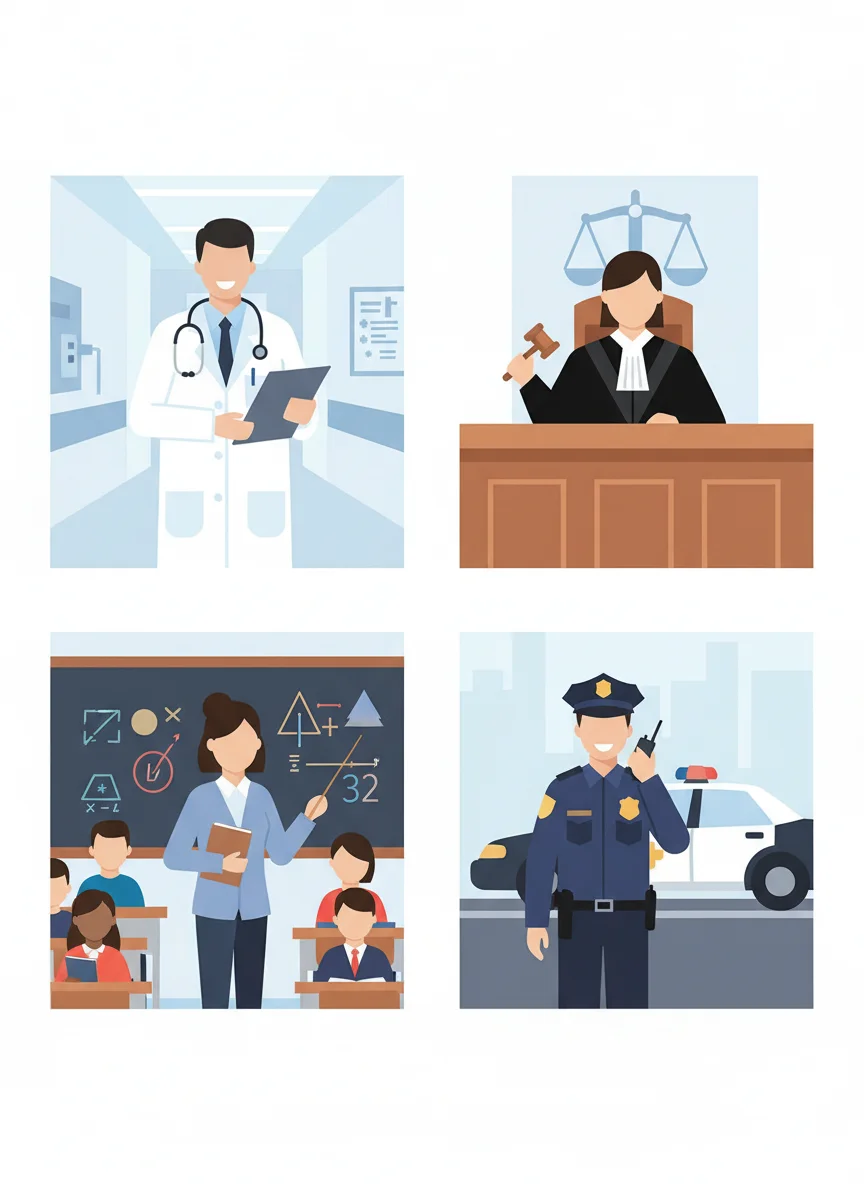
Authority must be perceived as legitimate Based on position, expertise, or social agreement Examples: police officers, teachers, doctors Cultural variations in authority recognition Challenges when authority lacks legitimacy
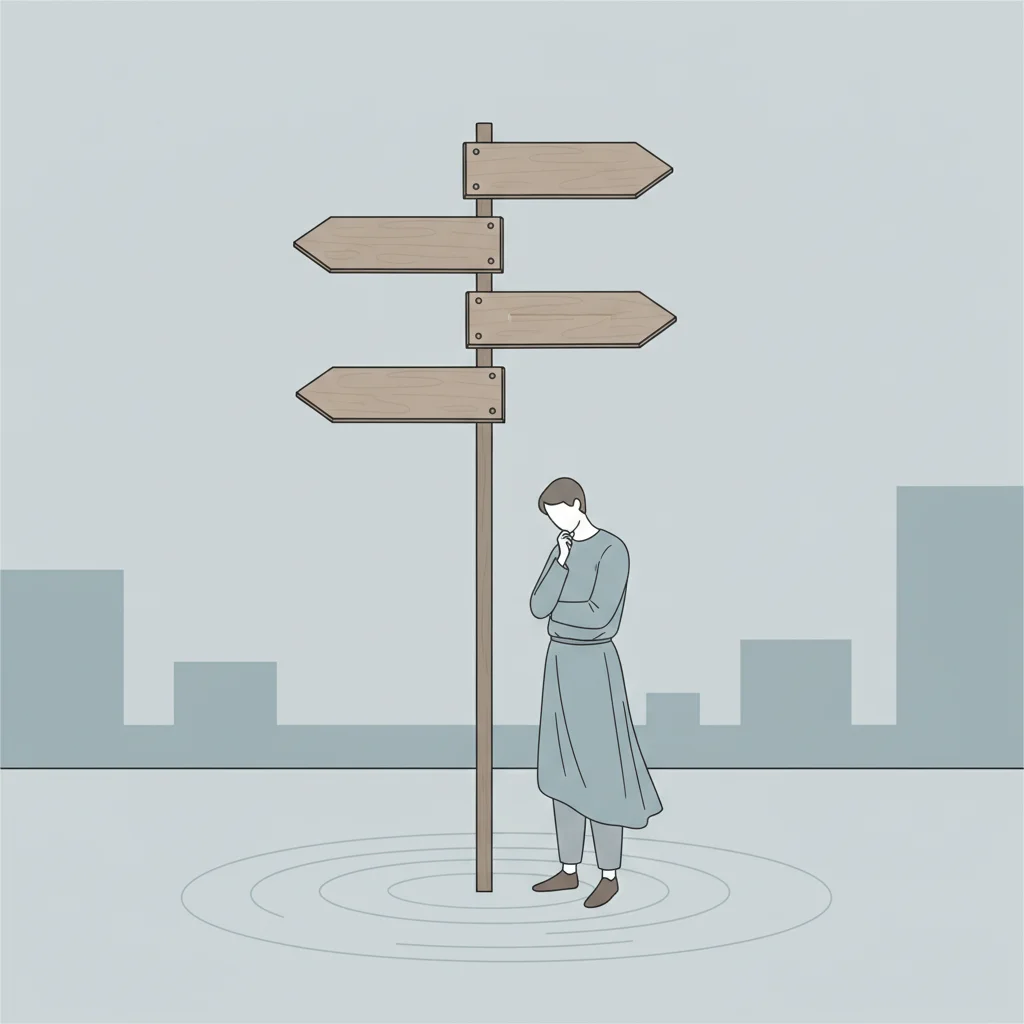
Authority Challenge
When might you question authority? What makes authority legitimate or illegitimate? Can you think of historical examples where people should have disobeyed? How do we balance obedience with moral responsibility?
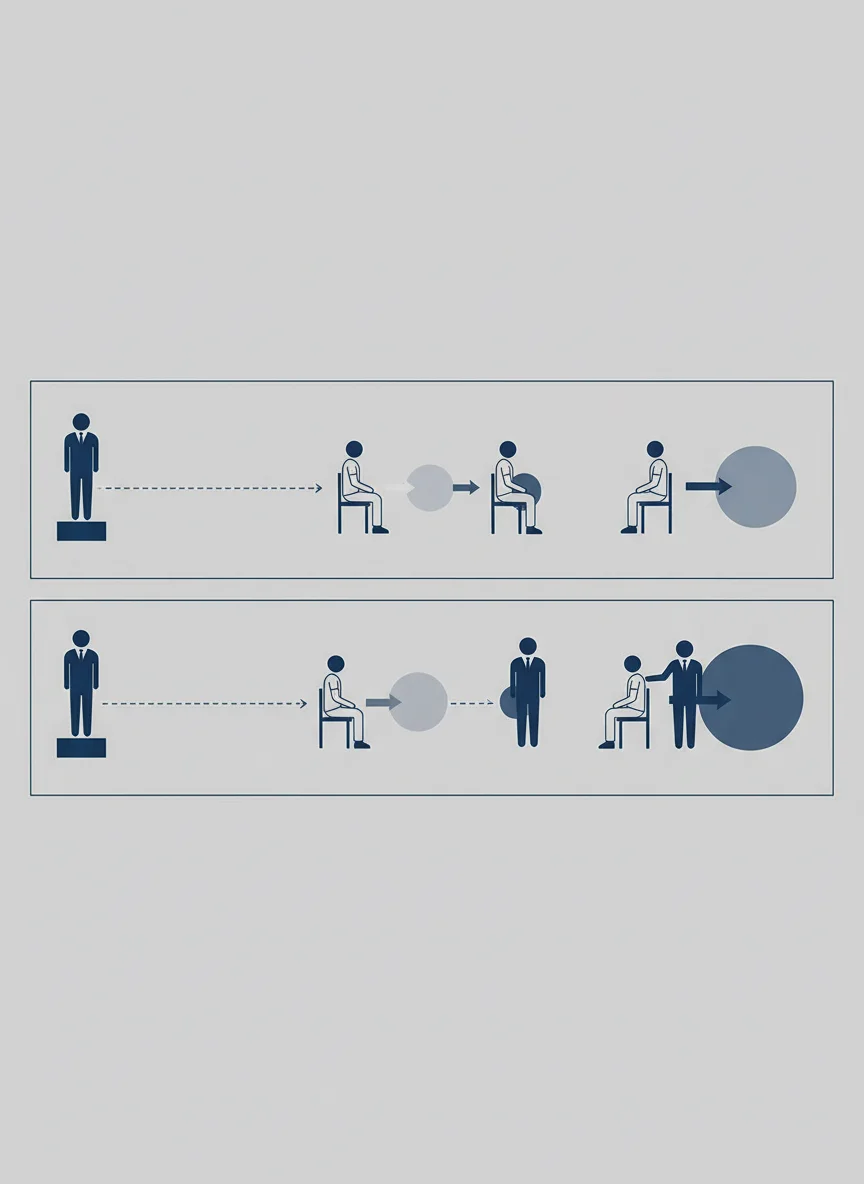
Situational Variables: Proximity
Physical distance affects obedience levels Remote condition: 65% to maximum shock Voice feedback: 62.5% to maximum Proximity: 40% to maximum Touch proximity: 30% to maximum

Situational Variables: Location
Yale University: 65% obedience Run-down office building: 47.5% obedience Prestigious locations increase compliance Environmental cues signal authority Context matters for legitimacy
8 more slides available after you open the deck.
Download all 20 slides