Understanding Autism in Teenagers Today
A comprehensive guide to autism spectrum disorder Supporting young people and celebrating neurodiversity Year 9 Health Education
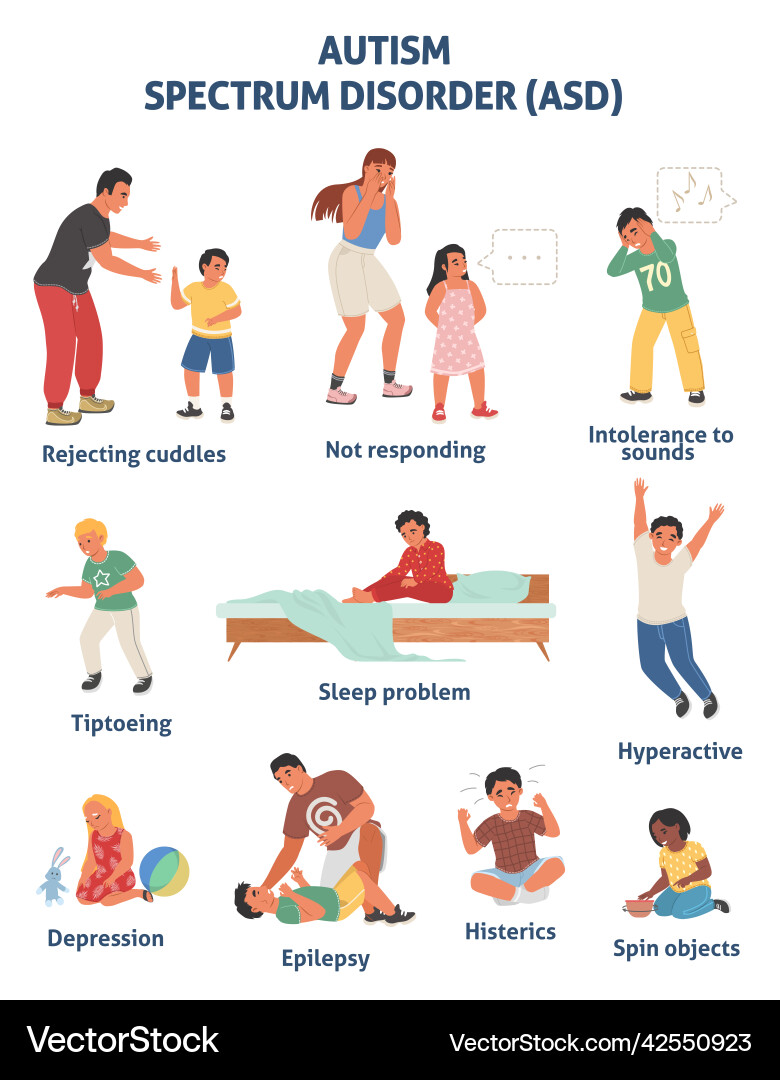
What is Autism Spectrum Disorder?
A neurodevelopmental condition affecting communication and behaviour Called a 'spectrum' because it affects people differently Present from birth but may be diagnosed at any age Affects approximately 1 in 100 people in the UK Not caused by vaccines, parenting, or diet
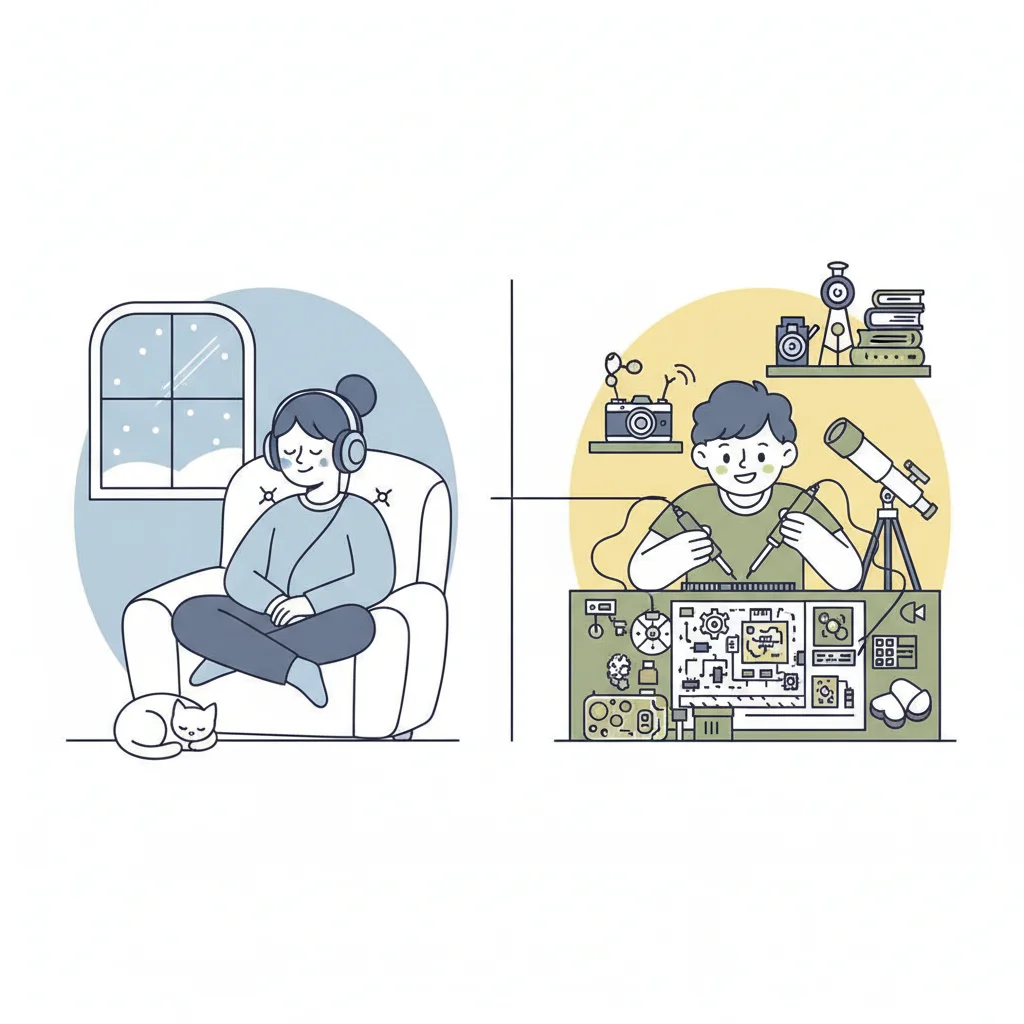
Core Characteristics of Autism
{"left":"Social communication differences\nRepetitive behaviours and routines\nSensory sensitivities\nIntense interests in specific topics","right":"Difficulty with social interactions\nChallenges with change and transitions\nMay have exceptional skills in certain areas\nDifferent ways of processing information"}
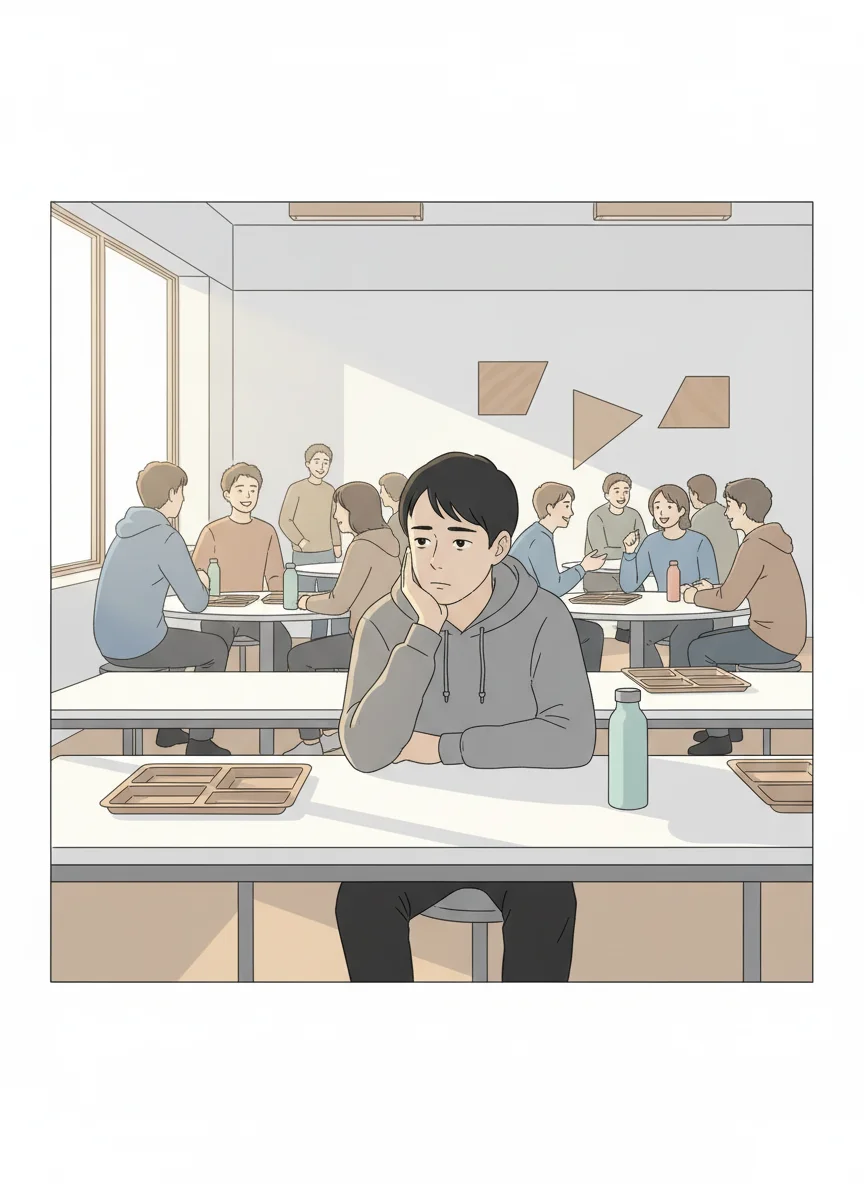
How Autism Presents in Teenagers
May mask or camouflage difficulties to fit in Increased awareness of being 'different' from peers Challenges with teenage social dynamics Difficulty understanding unwritten social rules May struggle with identity and self-esteem Puberty can intensify sensory sensitivities
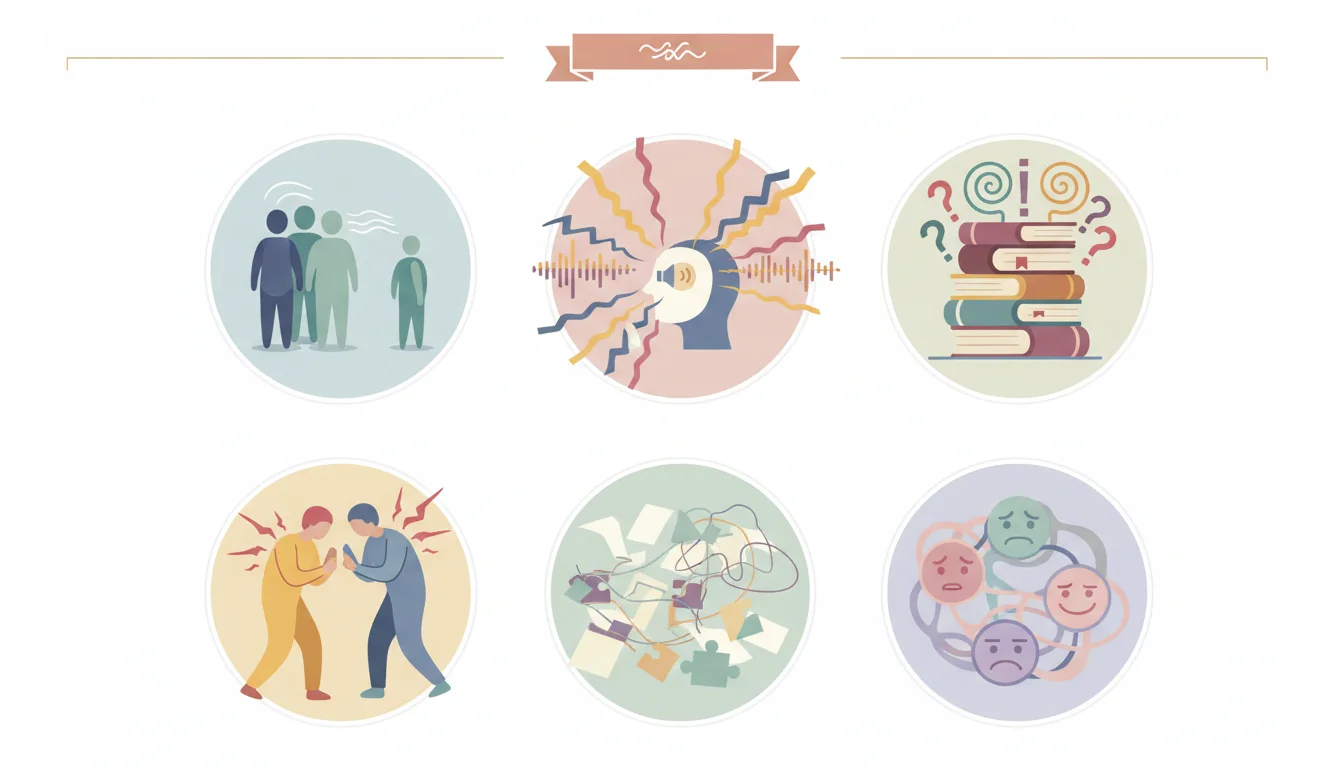
Common Challenges Faced by Autistic Teenagers
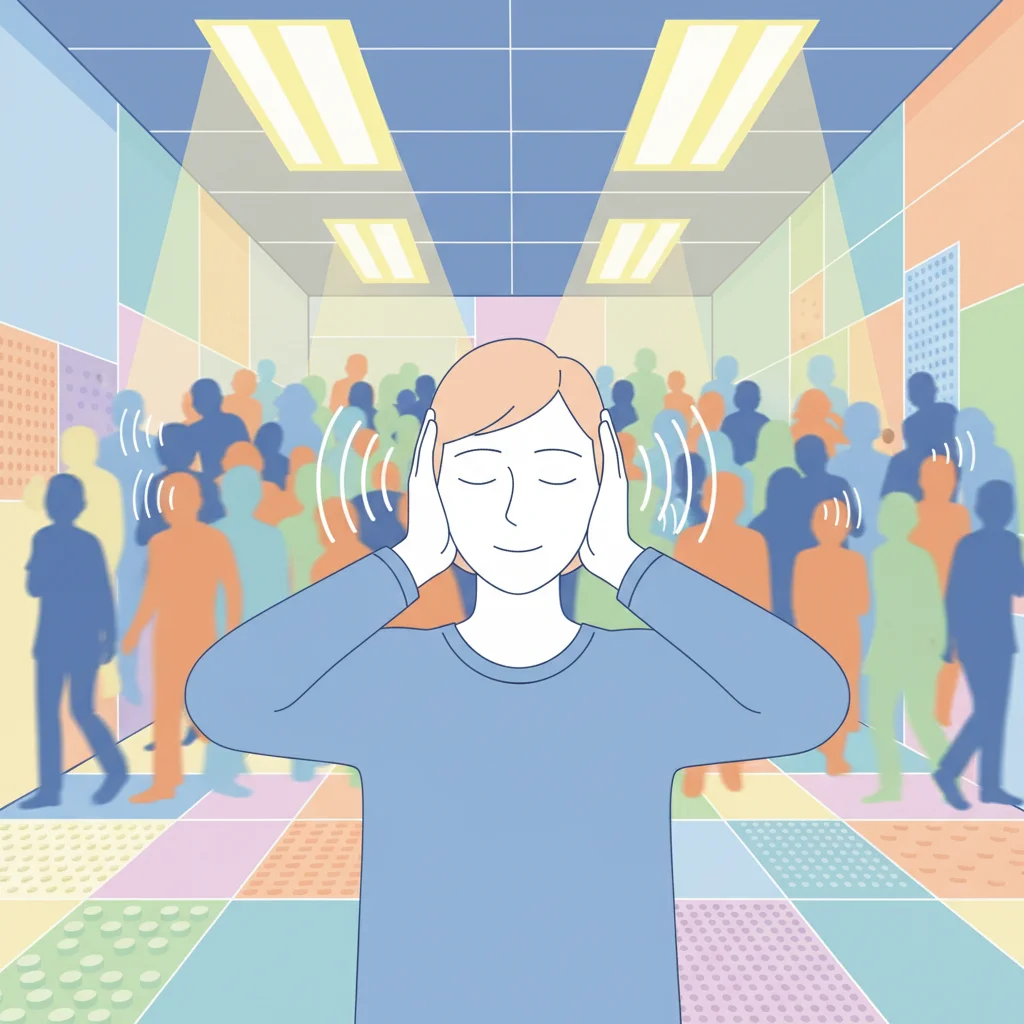
Sensory Experience Activity
Imagine wearing scratchy wool jumper all day Hearing every conversation in the room at once Fluorescent lights feeling like strobe lights Food textures feeling overwhelming How might this affect your concentration and mood?
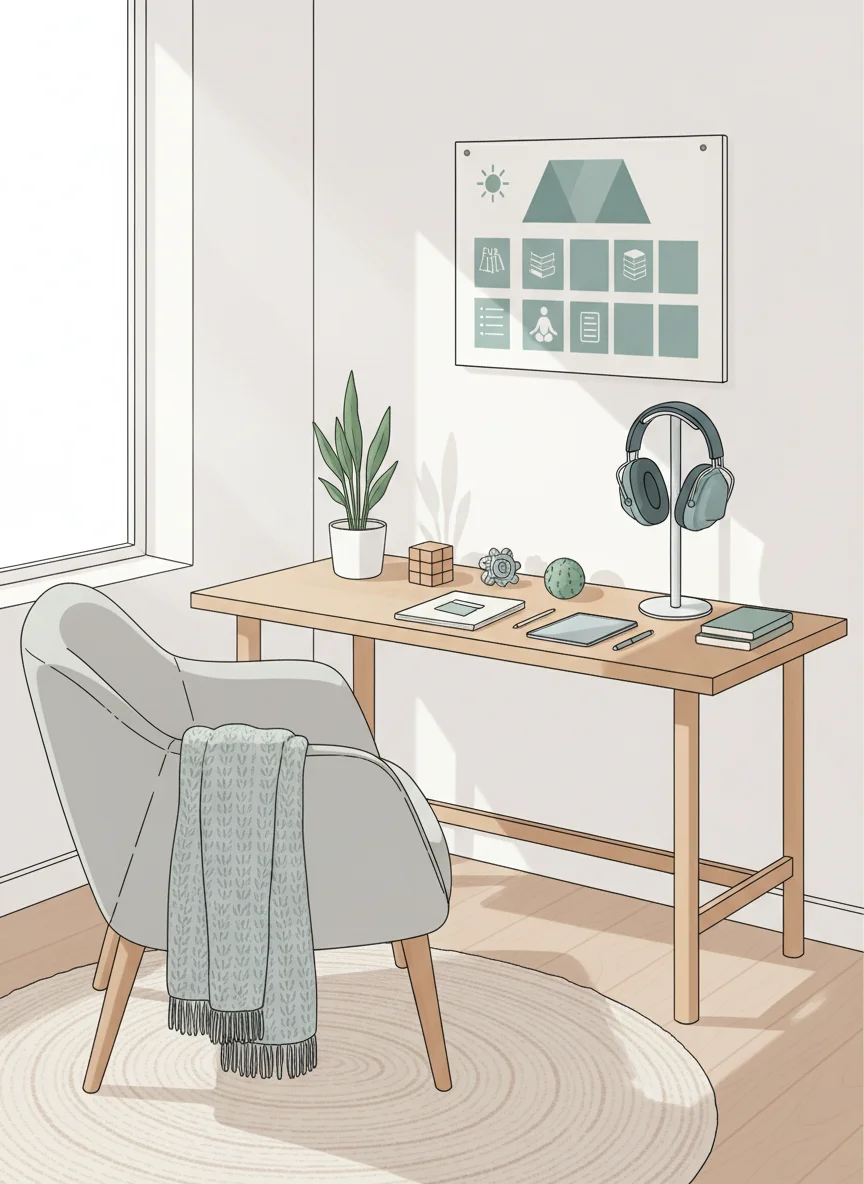
Coping Strategies and Support
Create predictable routines and structure Use visual schedules and clear instructions Provide quiet spaces for breaks Allow extra processing time Develop self-advocacy skills Build on special interests and strengths Practice social skills in safe environments

The Strengths and Gifts of Autism
'Autism is not a tragedy. Ignorance is the tragedy.' - Kerry Magro Many autistic people have exceptional abilities Attention to detail and pattern recognition Honest and direct communication style Deep expertise in areas of interest
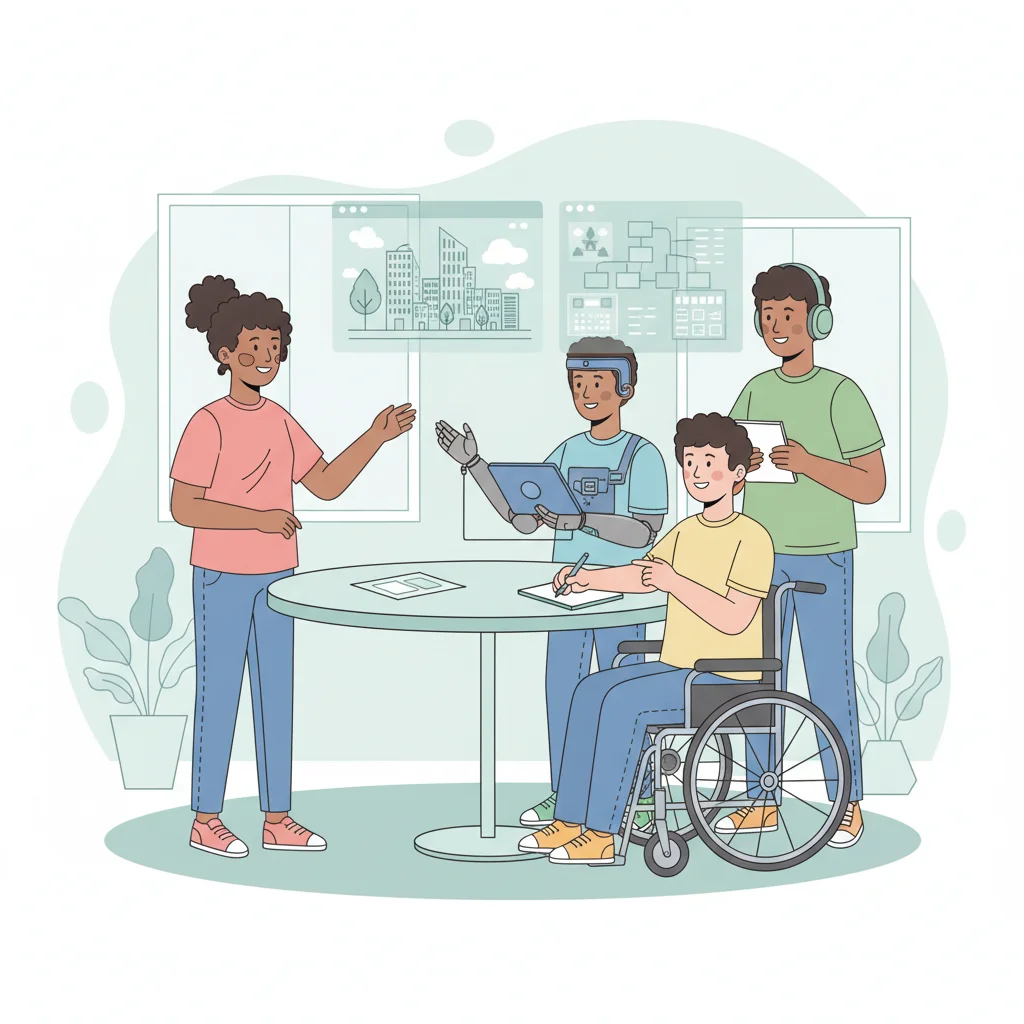
How Can We Create Inclusive Environments?
What changes could we make in our school? How can we be better friends and classmates? What assumptions might we need to challenge? How can we celebrate neurodiversity?
Key Takeaways
Autism is a neurological difference, not a disorder to be 'fixed' Every autistic person is unique with their own strengths Small accommodations can make a huge difference Acceptance and understanding benefit everyone We all have a role in creating inclusive communities Celebrate neurodiversity and different ways of thinking