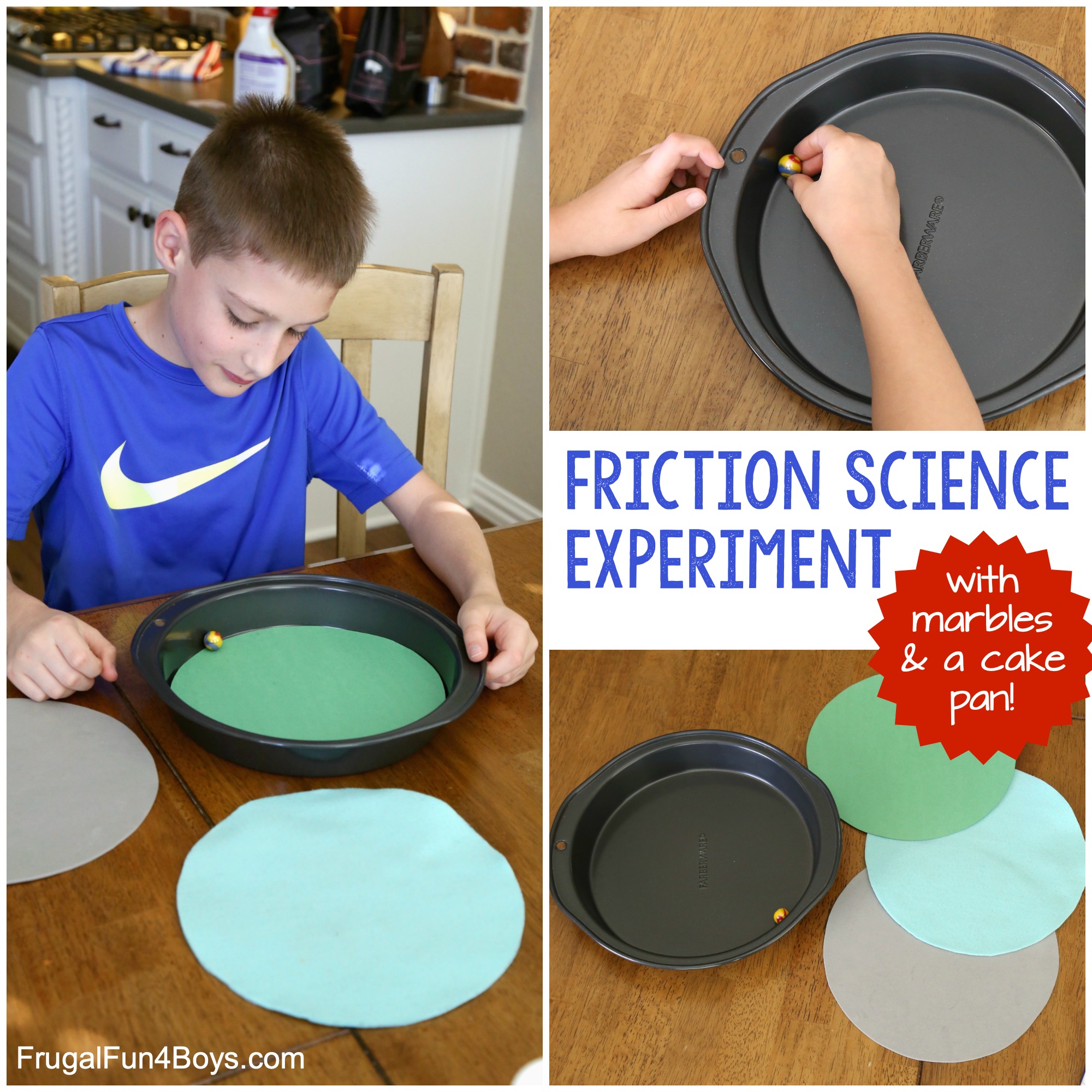
Surfaces and Moving Objects
How do different surfaces affect the movement of objects? Year 3 Science Investigation

Think About This!
Have you ever noticed how a ball rolls differently on grass compared to a smooth floor? What happens when you slide down different playground slides?
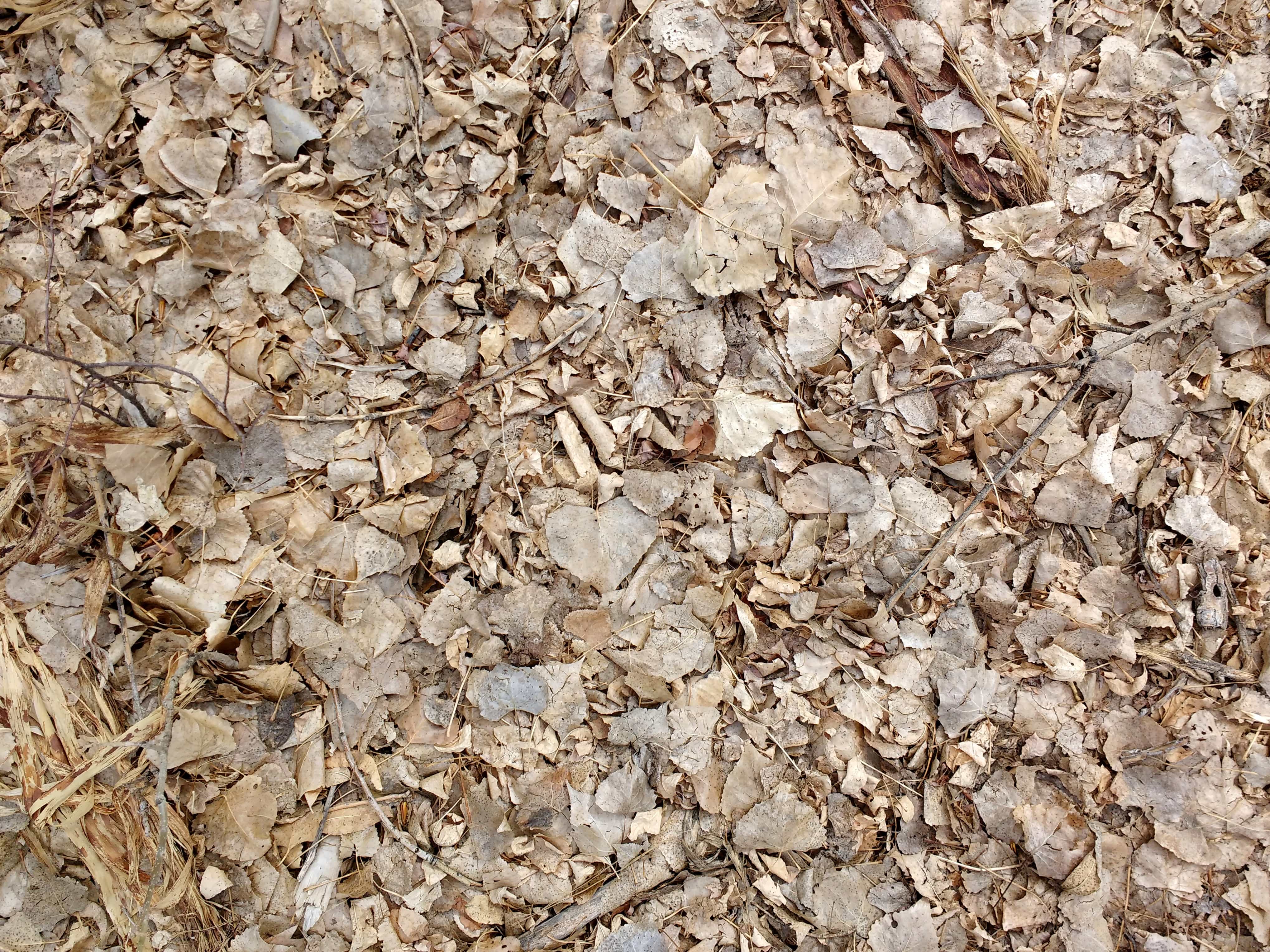
What is a Surface?
A surface is the top layer of something we can touch Surfaces can be smooth, rough, bumpy, or slippery Different surfaces feel different under our hands and feet
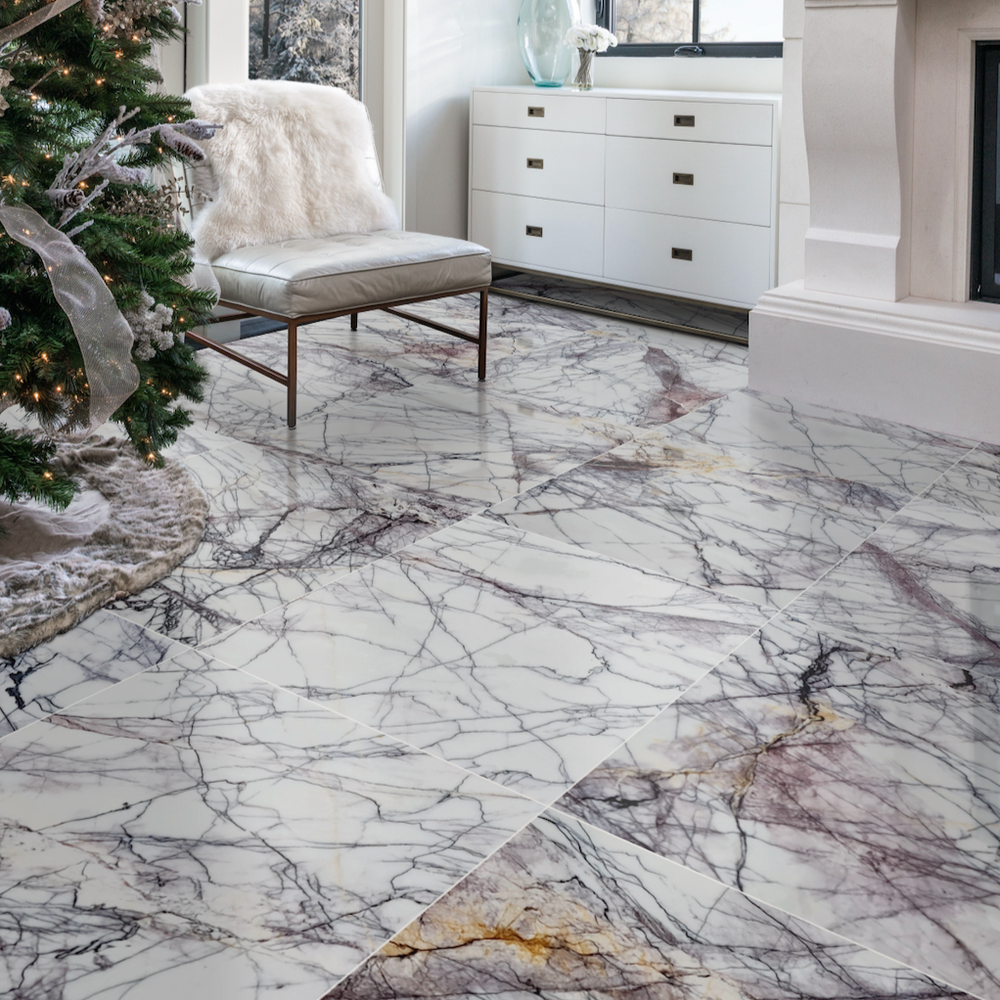
Smooth vs Rough Surfaces
{"left":"Smooth surfaces: glass, ice, polished wood, marble","right":"Rough surfaces: sandpaper, carpet, grass, concrete"}
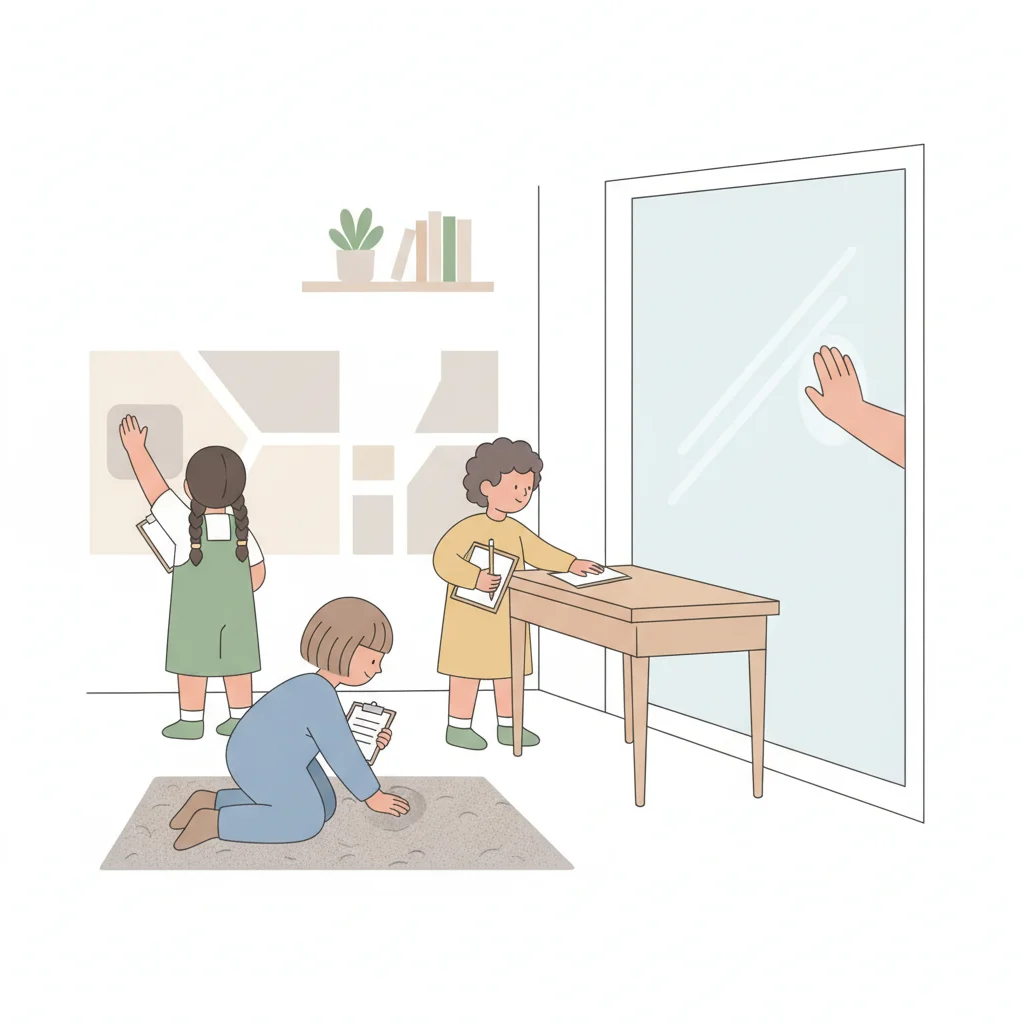
Surface Detective Activity
Touch different surfaces around the classroom Sort them into 'smooth' and 'rough' groups Draw or write what you find
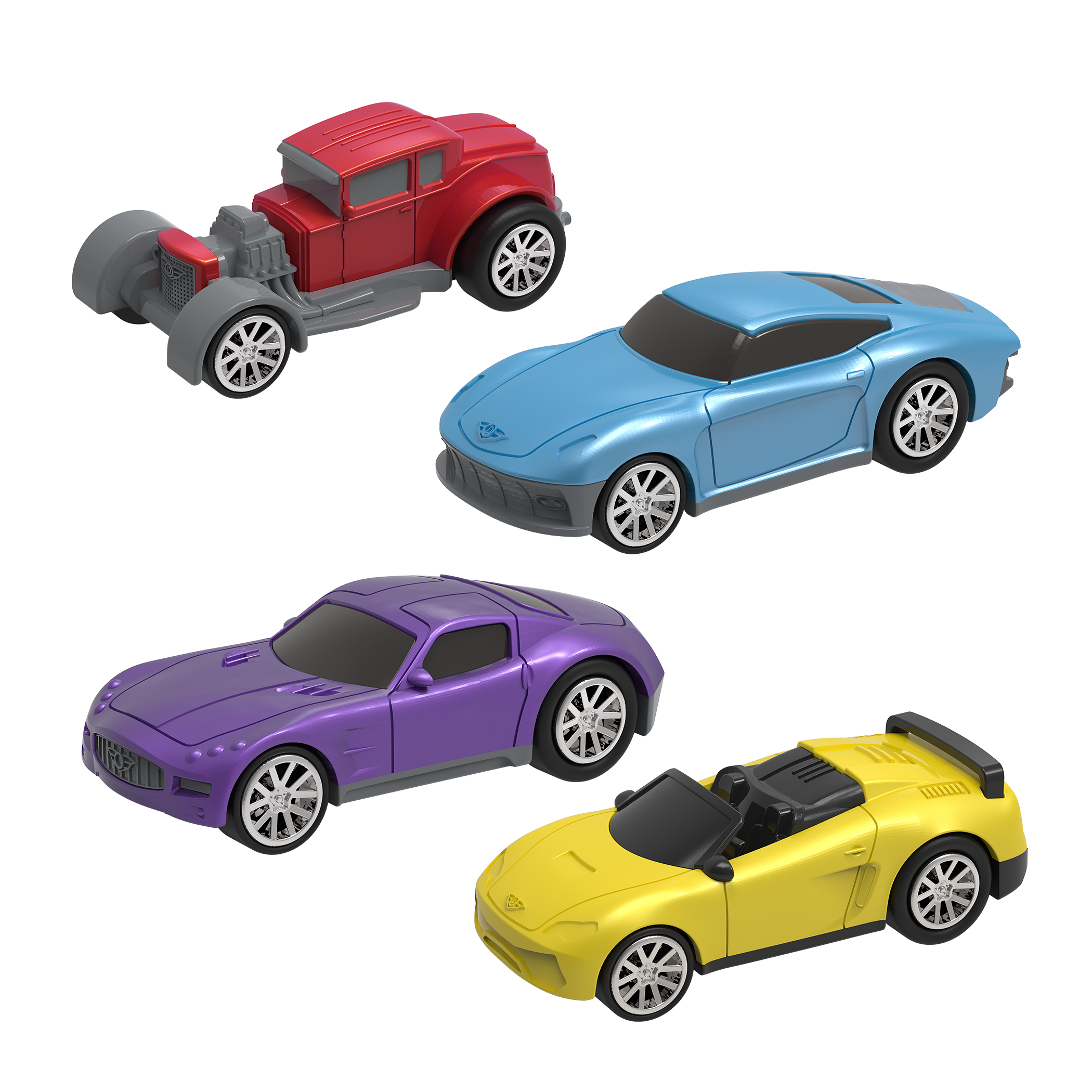
How Surfaces Affect Movement
Smooth surfaces let objects move easily and quickly Rough surfaces slow objects down This happens because of something called friction
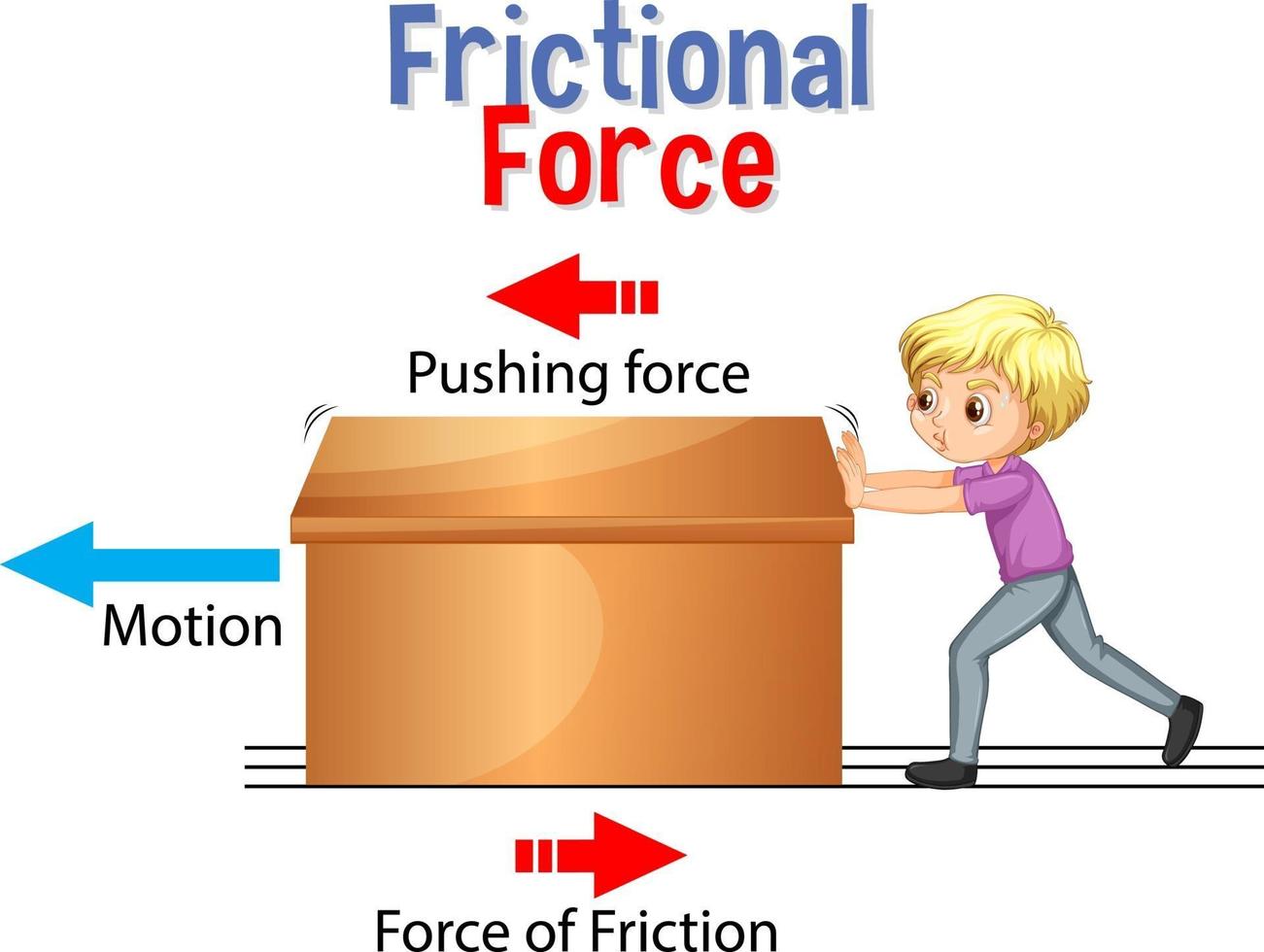
Friction in Action
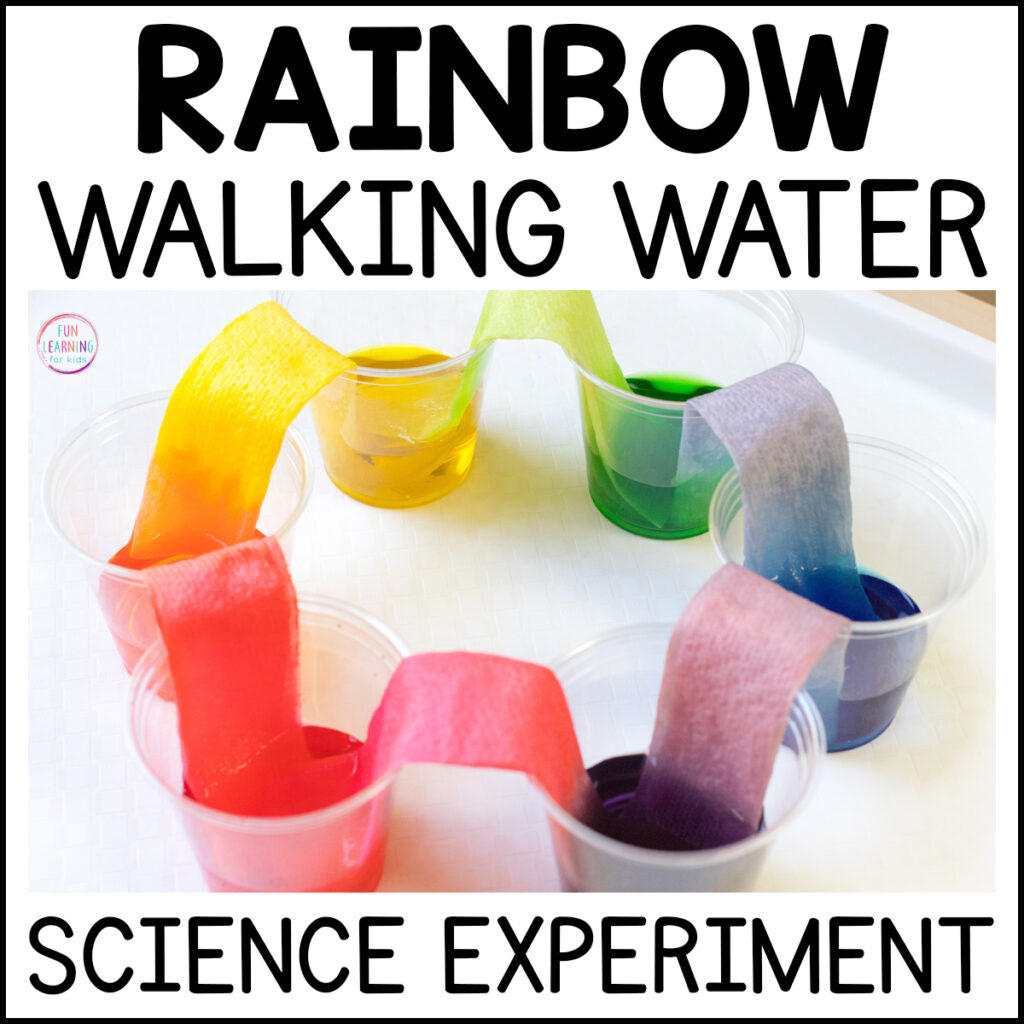
Rolling Ball Experiment
Roll a ball across different surfaces Time how long it takes to stop Record your results Which surface stopped the ball quickest?

Real-World Examples
Car tires have grooves for grip on roads Ice skates are smooth to glide on ice Football boots have studs for grip on grass Socks help us slide on smooth floors!

Remember This!
Smooth surfaces = less friction = objects move easily Rough surfaces = more friction = objects slow down