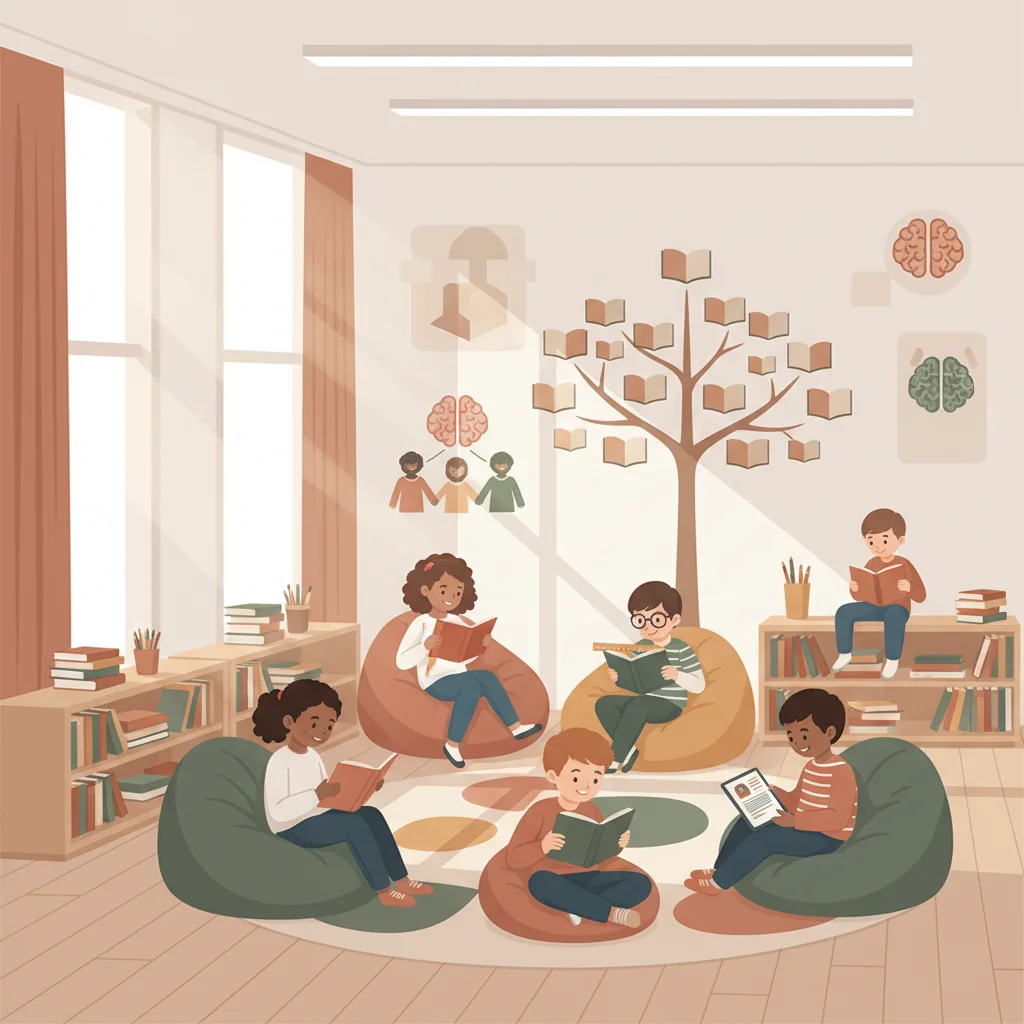
Reading Strategies for Struggling Learners
A Professional Development Workshop Year 5-7 Teachers 60 Minutes

Session Objectives
Identify characteristics of struggling readers and dyslexic students Apply evidence-based reading strategies in the classroom Design differentiated activities aligned with National Curriculum Create inclusive learning environments Share practical resources and assessment methods

National Curriculum Alignment
Word Reading: Secure decoding skills for age-appropriate texts Comprehension: Identify main ideas, themes, and summarising Inference: Draw conclusions and justify predictions with evidence Vocabulary: Increase understanding through context and morphology SEND Code of Practice: Inclusive teaching for all learners
Discussion Question
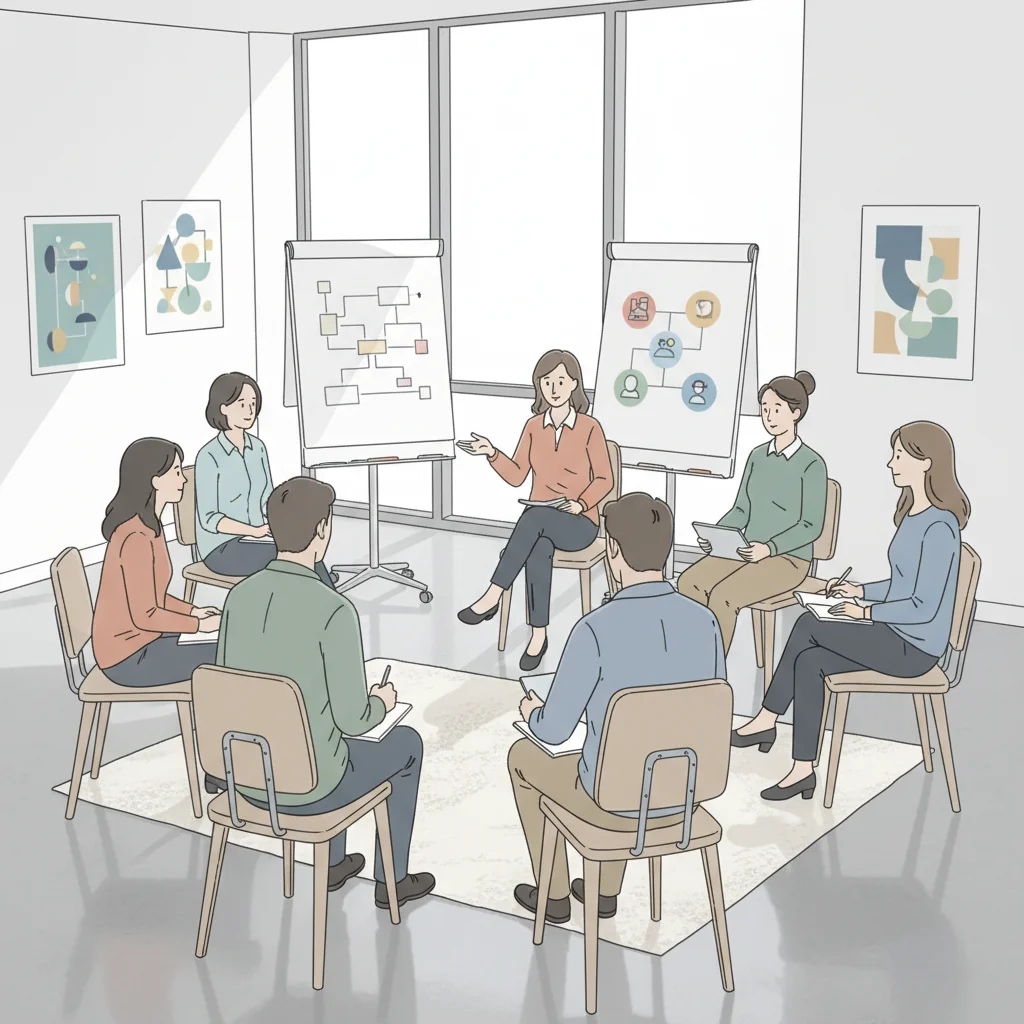
How might dyslexia present in a Year 6 classroom? What signs and misunderstandings should teachers look out for?
Understanding Struggling Readers
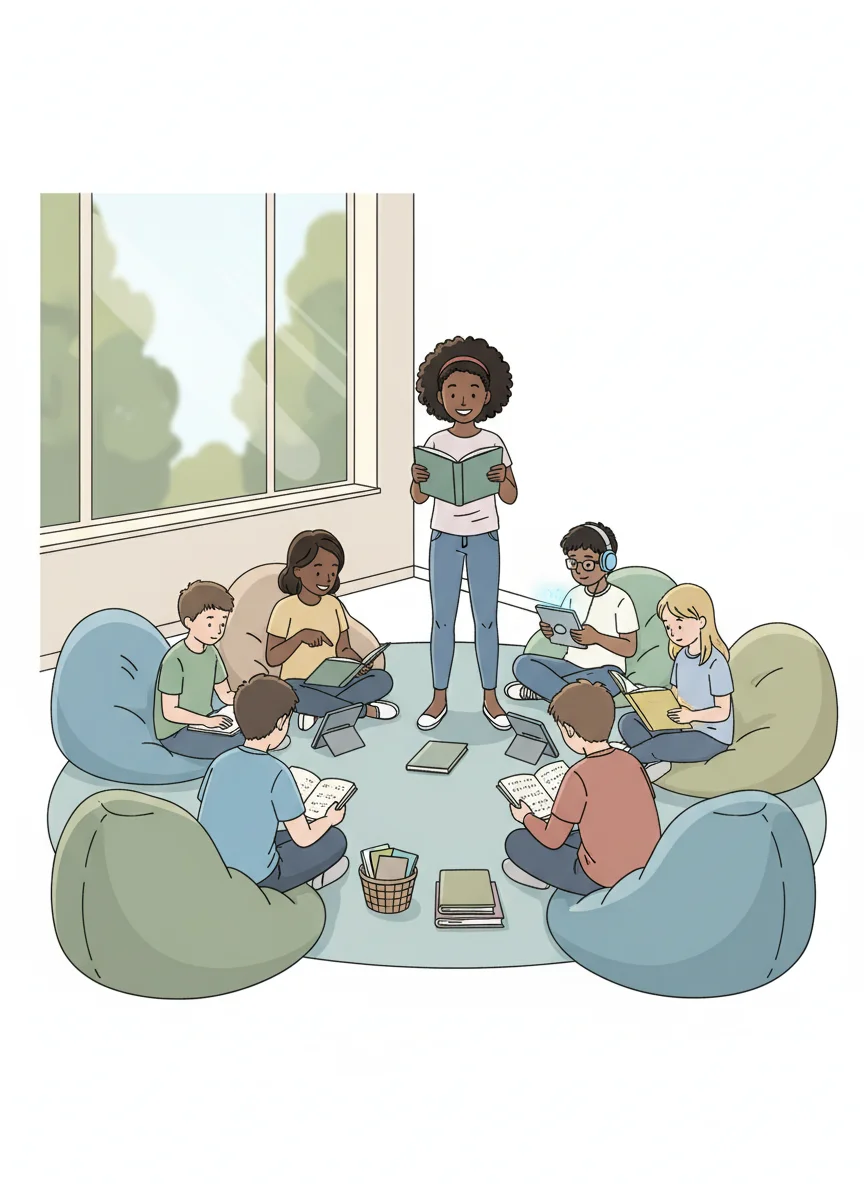
Decoding difficulties and phonological awareness gaps Slow reading rates affecting comprehension Difficulty with working memory and processing Strengths-based approach: creativity, problem-solving, verbal skills Distinguish between typical difficulties and specialist support needs
Phonics & Decoding Strategies
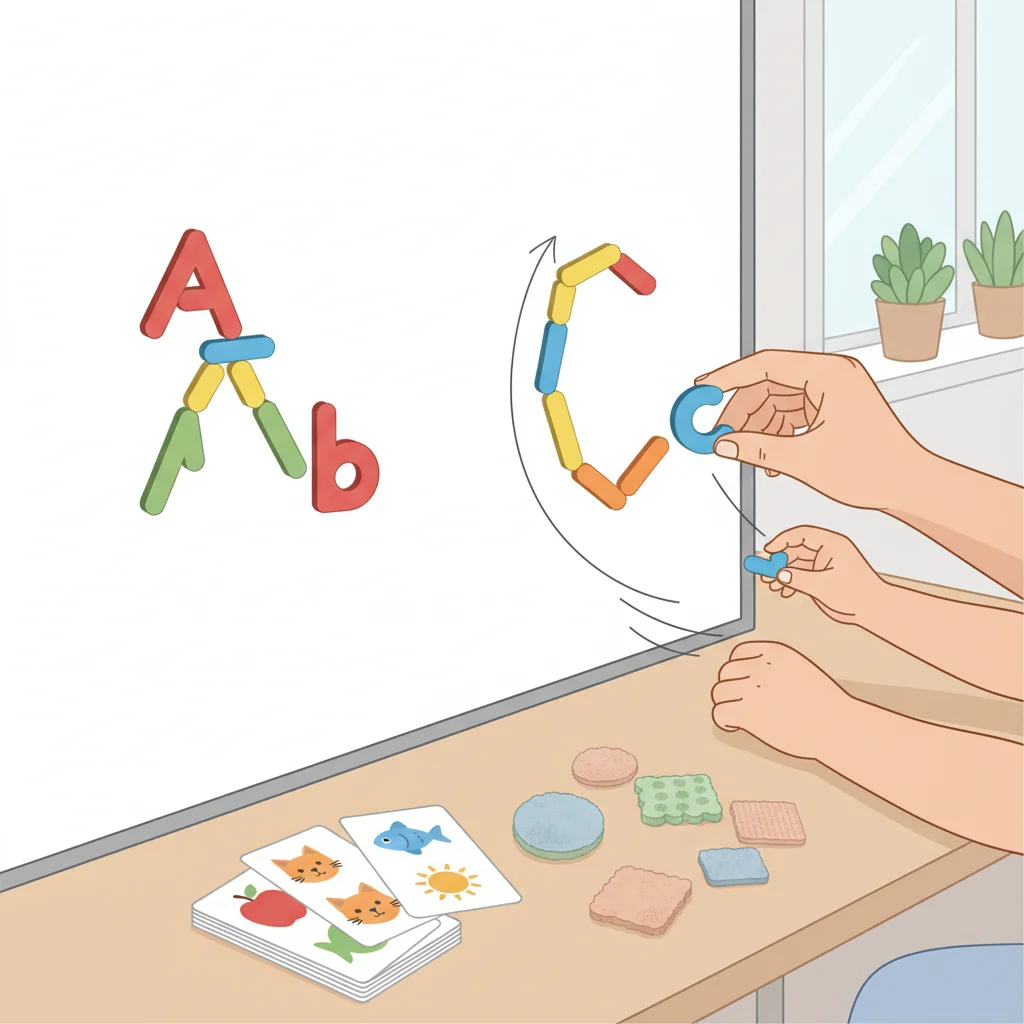
{"left":"Synthetic phonics approaches (Letters and Sounds)\nMultisensory teaching methods\nVisual: colored letters, word cards","right":"Auditory: sound blending, rhyming games\nKinaesthetic: magnetic letters, finger tracing\nExplicit morphology teaching (prefixes, suffixes)"}
Comprehension Techniques
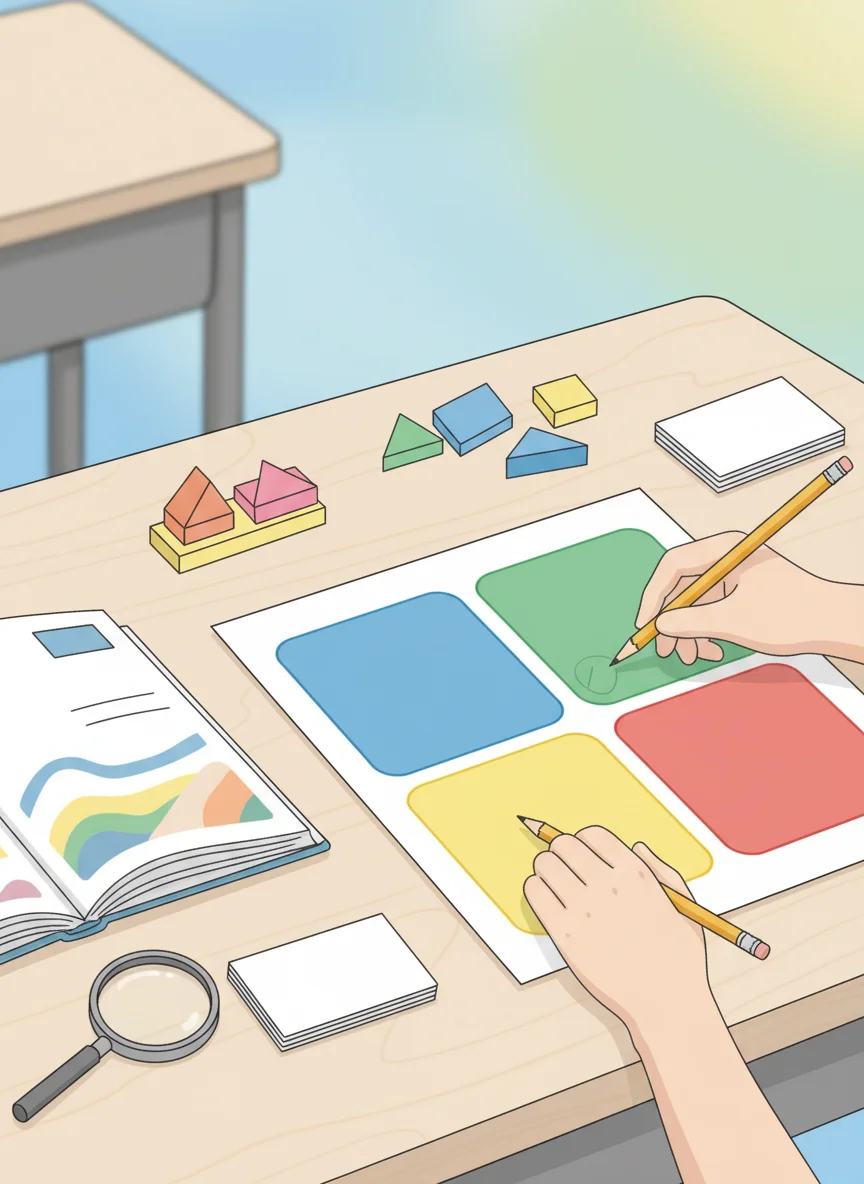
Questioning frameworks: Literal, Inferential, Evaluative Reciprocal Reading: Predicting, Questioning, Clarifying, Summarising Graphic organisers for story structure and vocabulary Think-aloud strategies to model comprehension Text marking and annotation techniques
Vocabulary Development Strategies

Supporting Reading Fluency
Guided repeated reading with peer assessment Paired reading techniques Choral reading for confidence building Audio books and assistive technology Progress monitoring and celebration of improvements

Creating Inclusive Classroom Environments
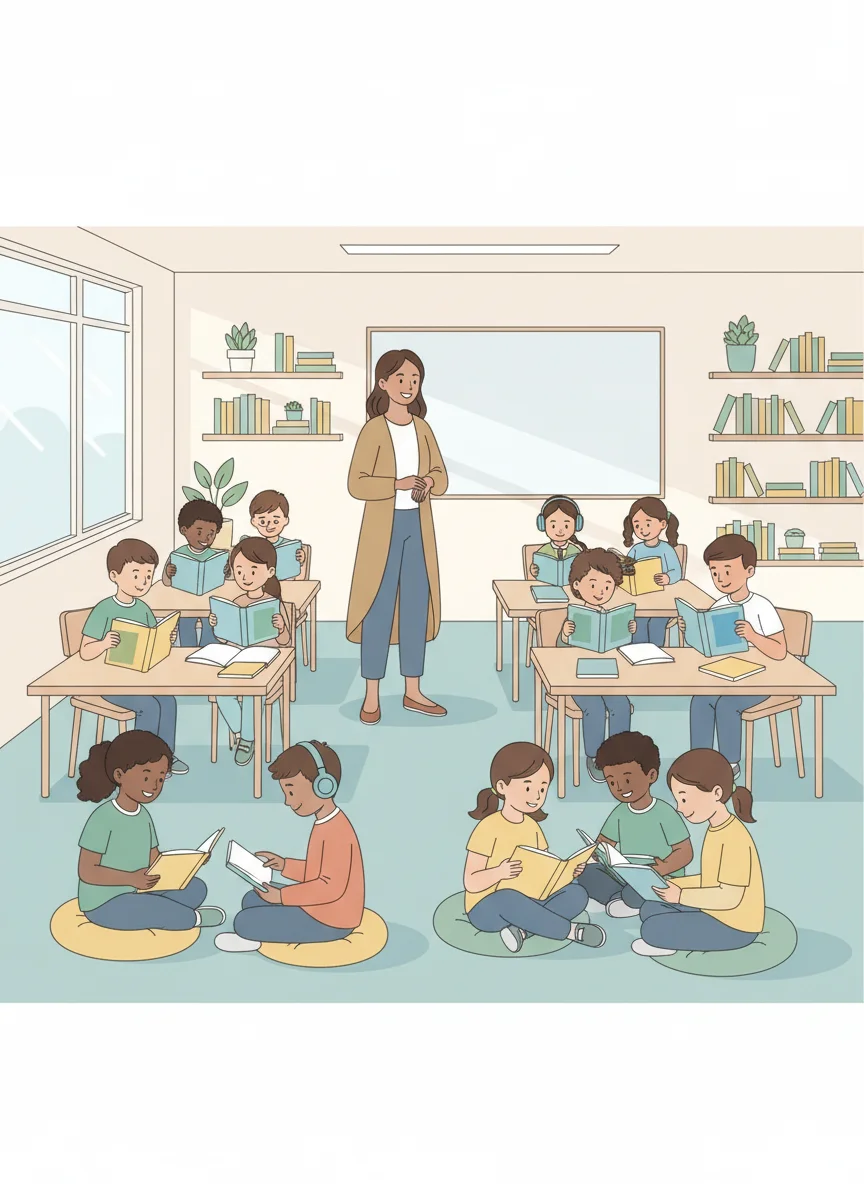
Colored overlays and dyslexia-friendly fonts Audio books and screen readers for accessibility Quiet reading corners with flexible seating Reduced visual distractions and clear layouts Choice in reading materials and formats

Group Activity: Lesson Design Challenge
Form groups of 4-5 teachers Design a 20-minute Year 6 reading activity Integrate at least two strategies from today's session Ensure National Curriculum alignment Prepare a 2-minute pitch for your activity Focus on supporting struggling readers
Key Takeaways & Next Steps
Trial one new strategy in your classroom this week Focus on strengths-based approaches with struggling readers Use multisensory techniques to support all learners Create inclusive environments that reduce reading anxiety Share outcomes at our next staff meeting Access additional resources and local dyslexia support groups