
Psychology of Obedience: Complete A-Level Guide
Understanding why people follow orders Milgram's groundbreaking research Explanations and situational factors Year 12 Psychology

Learning Objectives & Success Criteria
Explain agentic state and legitimacy of authority theories Analyze Milgram's obedience studies and variations Evaluate situational variables: proximity, location, uniform Assess the Authoritarian Personality as dispositional explanation Apply knowledge to real-world scenarios

Starter Question: What Makes People Obey?
Think of a time you followed an instruction without questioning it What factors influenced your decision to obey? Discuss with a partner for 2 minutes
What is Obedience?
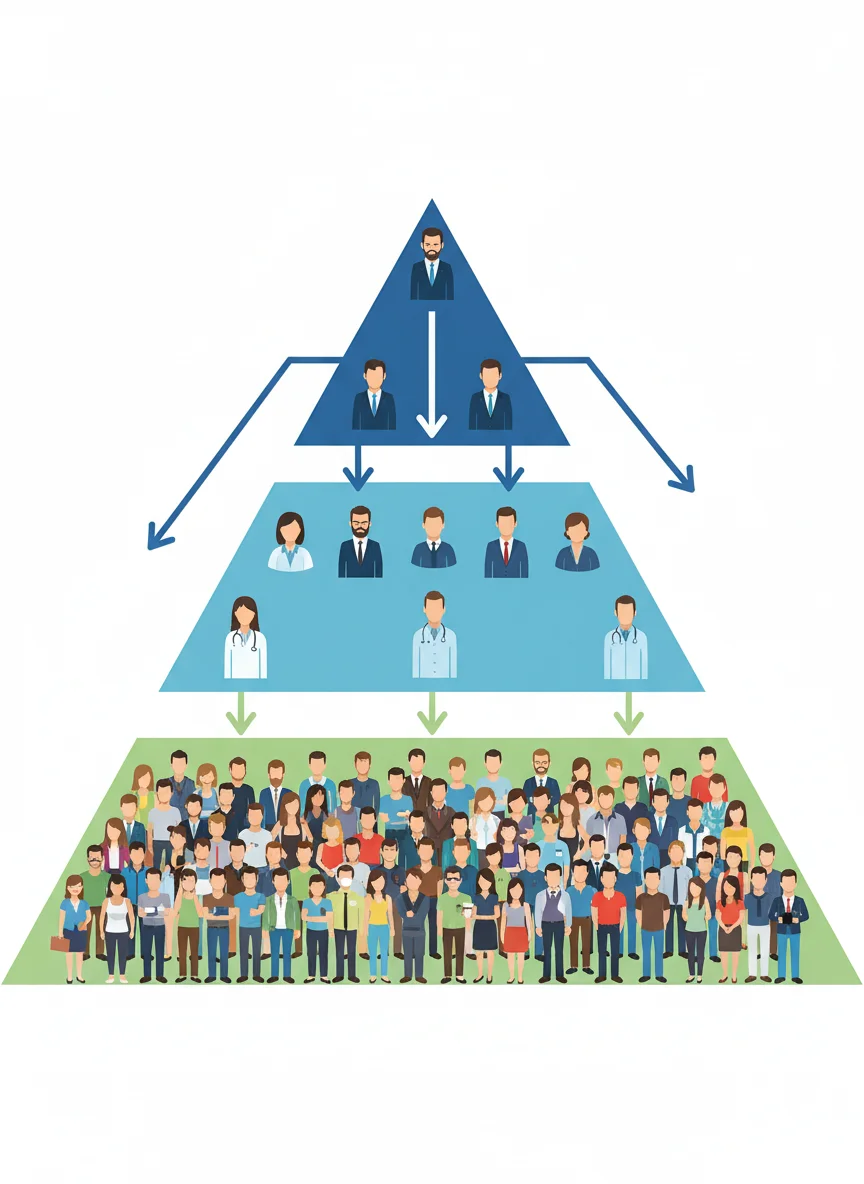
A form of social influence Following direct orders from an authority figure Different from conformity (peer pressure) Often involves hierarchy and power Can override personal moral judgments

Stanley Milgram's Obedience Study (1963)

Milgram Study Analysis Activity
In groups of 3-4, analyze one aspect: Group A: Methodology and procedure Group B: Findings and statistics Group C: Ethical considerations Group D: Validity and reliability Present findings to class in 5 minutes
Agentic State Theory
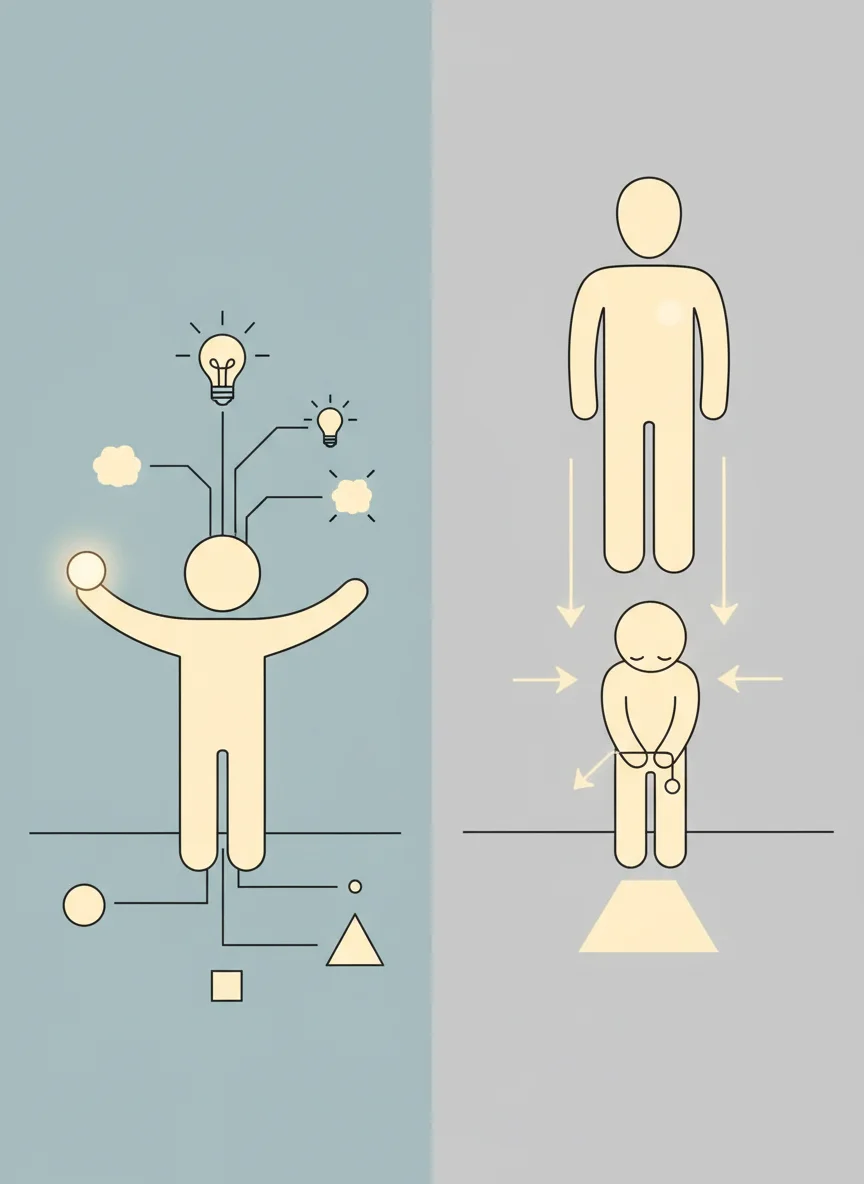
Milgram's explanation for obedience Agentic state: acting as agent for authority figure Autonomous state: taking personal responsibility Agentic shift occurs when authority is perceived Moral strain reduced by denying responsibility
Legitimacy of Authority
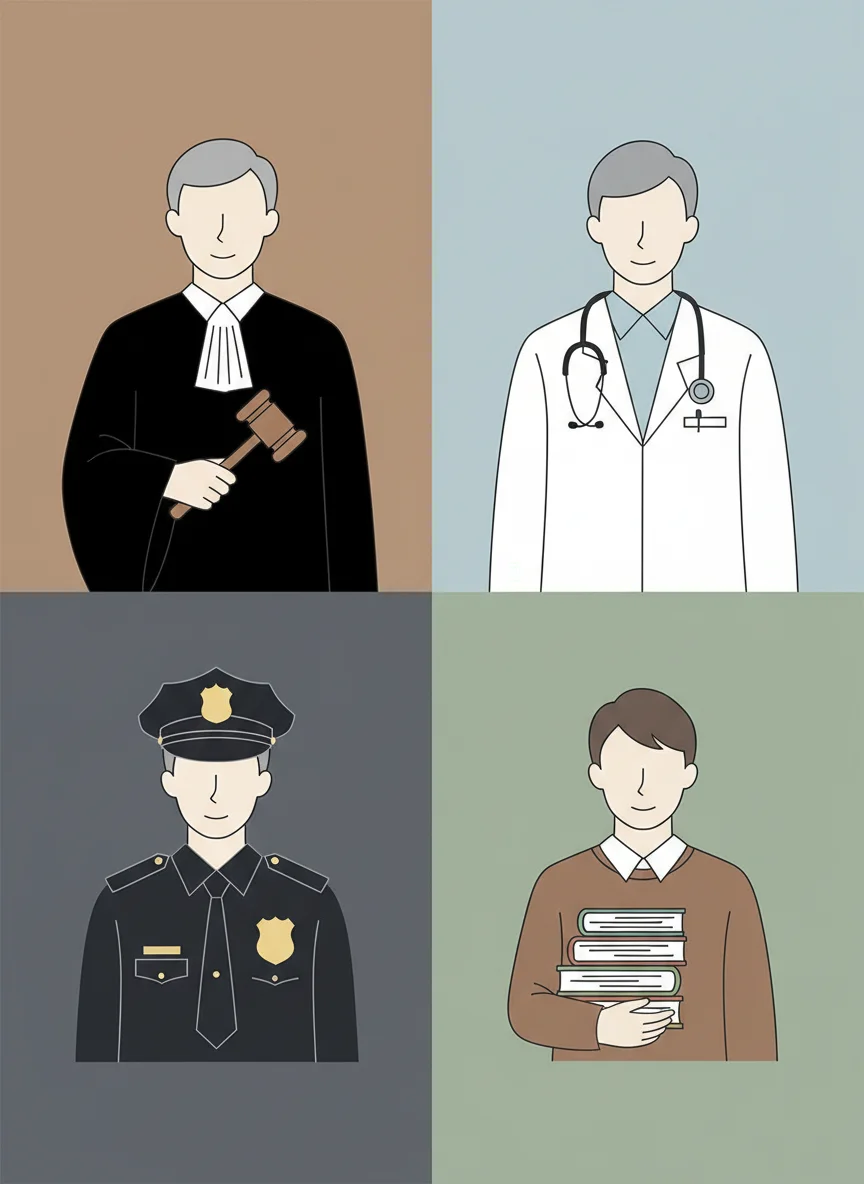
Society accepts certain people have authority Based on position, expertise, or social role We learn to accept authority from childhood Destructive authority can be obeyed if seen as legitimate Examples: teachers, police, doctors, government
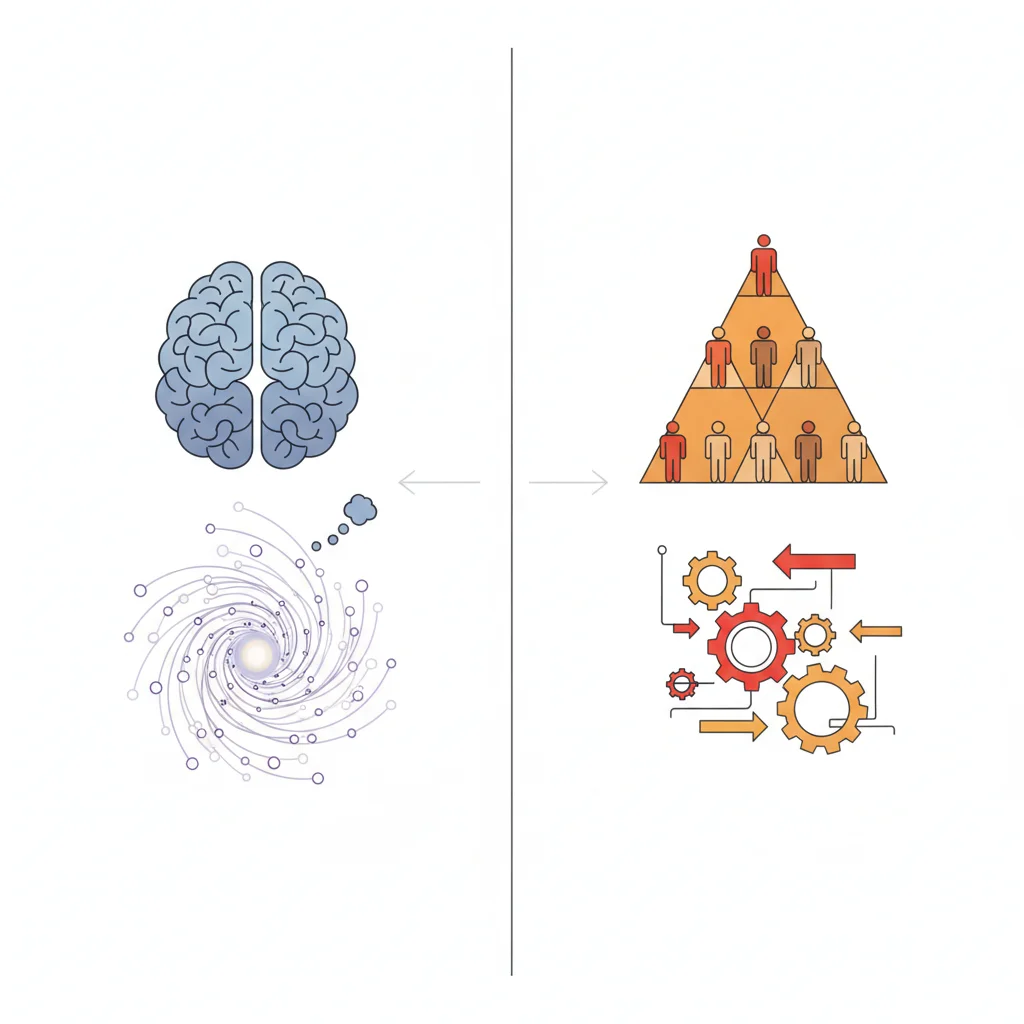
Agentic State vs Legitimacy of Authority
{"left":"Agentic State: HOW obedience happens\nPsychological shift in responsibility\nInternal mental process\nExplains the mechanism","right":"Legitimacy of Authority: WHY obedience happens\nSocial acceptance of authority\nExternal social factor\nExplains the motivation"}

Real-World Application Challenge
Choose a scenario: Military following orders in war Employees following unethical company policies Students following unfair school rules Medical staff following harmful protocols Apply both theories to explain obedience Present your analysis
Milgram's Variations: Proximity
Original study: teacher and learner in separate rooms Same room condition: obedience dropped to 40% Touch proximity: teacher forced learner's hand onto shock plate (30%) Remote instruction: experimenter gave orders by phone (20.5%) Proximity affects obedience levels significantly

Milgram's Variations: Location
Original: prestigious Yale University (65% obedience) Run-down office building: 47.5% obedience Location affects perceived legitimacy Institutional authority matters Setting influences participant expectations
8 more slides available after you open the deck.
Download all 20 slides