
Mastering Standard Form for GCSE
Year 7 Mathematics Building foundations for GCSE success 60-minute lesson

Success Criteria - What We'll Achieve Today
Define standard form correctly and explain its components Convert at least 8 out of 10 large numbers into standard form Expand standard form numbers back to ordinary numbers accurately Explain working steps clearly when prompted Solve real-world problems involving standard form

Starter: Powers of 10 Warm-Up
Look at these numbers: 10, 100, 1,000, 10,000 How many zeros does each have? Can you write them using powers of 10? Use your mini whiteboards to show: 10⁴ = ?

What is Standard Form?
A way to write very large (or very small) numbers Format: A × 10ⁿ Where A is between 1 and 10 (1 ≤ A < 10) And n is a whole number (integer) Also called 'Scientific Notation'
Converting to Standard Form - Step by Step
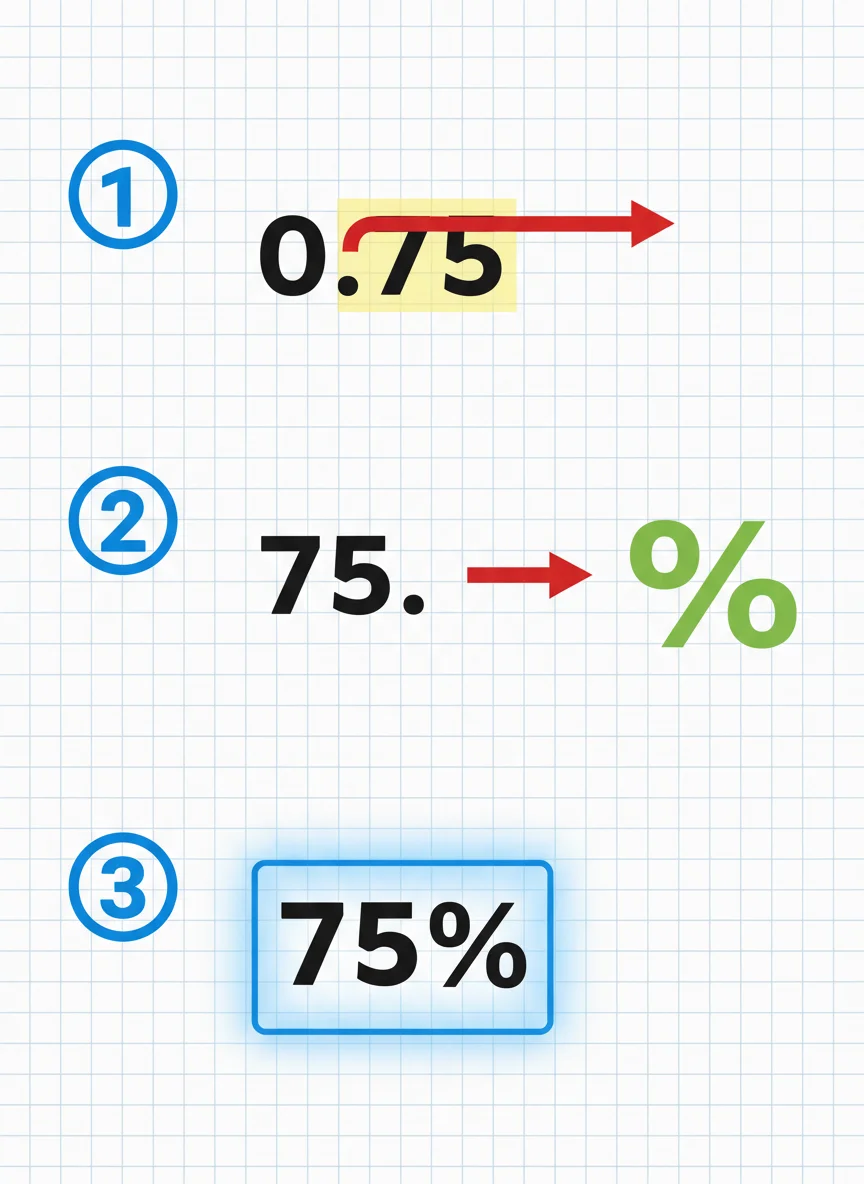
Example: Convert 3,400,000 to standard form Step 1: Find the coefficient (number between 1 and 10) Move decimal point: 3,400,000 → 3.4 Step 2: Count how many places we moved We moved 6 places left Answer: 3.4 × 10⁶
Guided Practice Examples
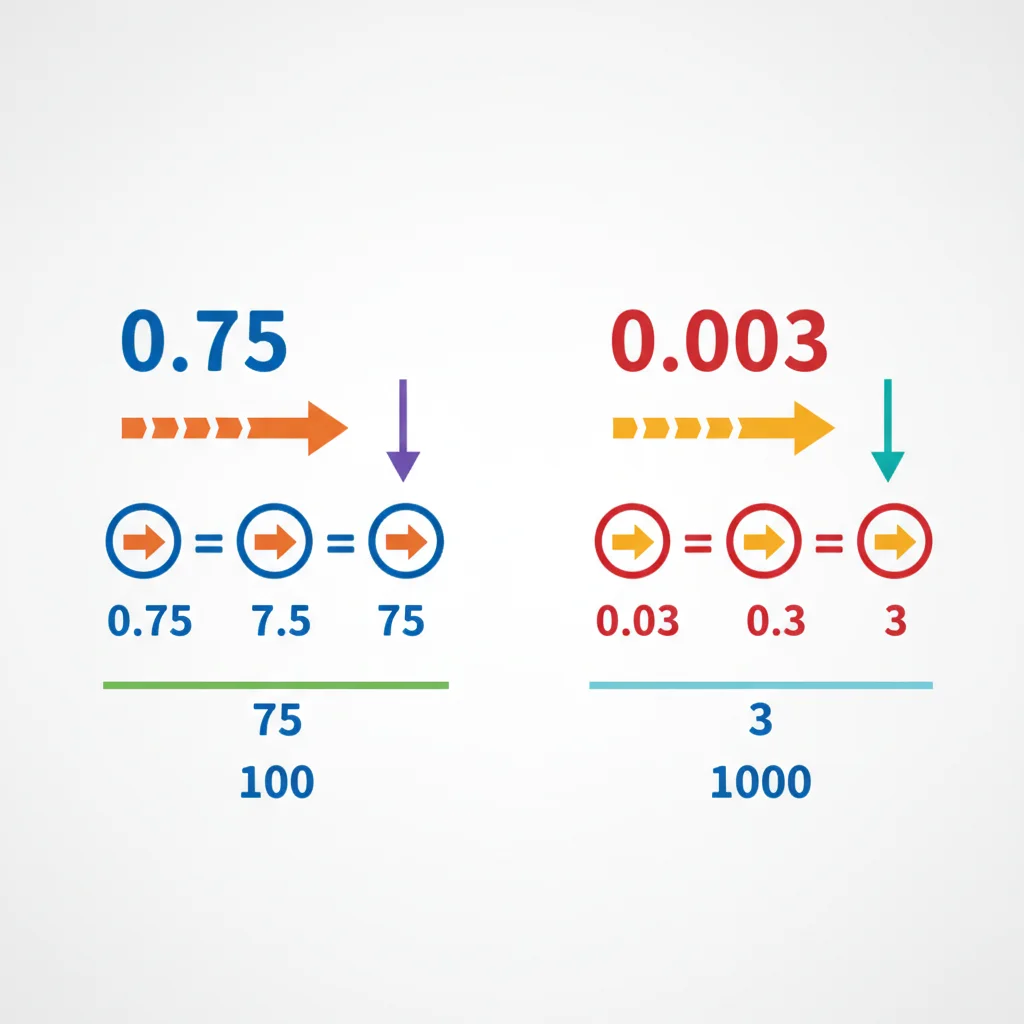
{"left":"Convert 500,000\nMove decimal: 500,000 → 5.0\nMoved 5 places left\nAnswer: 5 × 10⁵","right":"Convert 7,200,000\nMove decimal: 7,200,000 → 7.2\nMoved 6 places left\nAnswer: 7.2 × 10⁶"}

Your Turn: Practice Conversions
Work in pairs on your worksheet Section A: Convert TO standard form 45,000,000 → ? × 10? 900,000,000 → ? × 10? Section B: Convert FROM standard form 4.5 × 10⁷ → ? 3 × 10⁵ → ?

Differentiation Support & Extension
Support strategies: • Use place value charts and number cards • Step-by-step prompt sheets available • Work with concrete manipulatives Extension challenges: • Very large numbers (billions) • Introduction to negative powers • Real-world astronomy problems

Real-World Application
The population of a country is 3.1 × 10⁷ What is this as an ordinary number? If the population grows by a factor of 10, what would it be in standard form? Discuss: Why do scientists use standard form?

Lesson Summary & Next Steps
Today we mastered: • Definition of standard form (A × 10ⁿ) • Converting large numbers to standard form • Converting from standard form to ordinary numbers • Real-world applications Next lesson: Using calculators with scientific notation Remember: This builds toward your GCSE success!