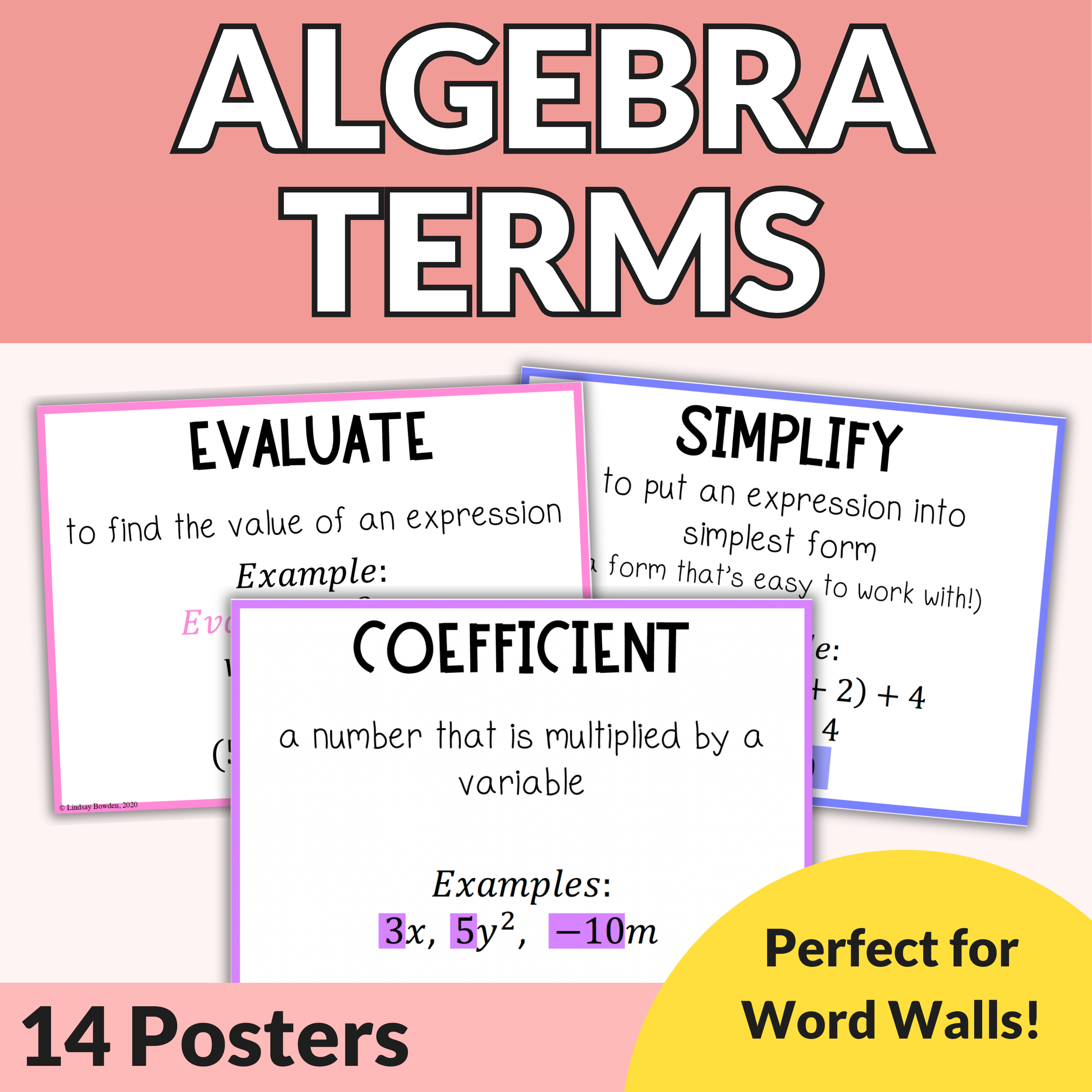
Mastering Algebraic Factorisation Techniques
Year 10 Mathematics Breaking down expressions into their factors Essential skills for GCSE success

What is Factorisation?
Breaking down expressions into simpler parts Like finding the 'ingredients' of a mathematical recipe Writing expressions as products of their factors Essential for solving equations and simplifying expressions
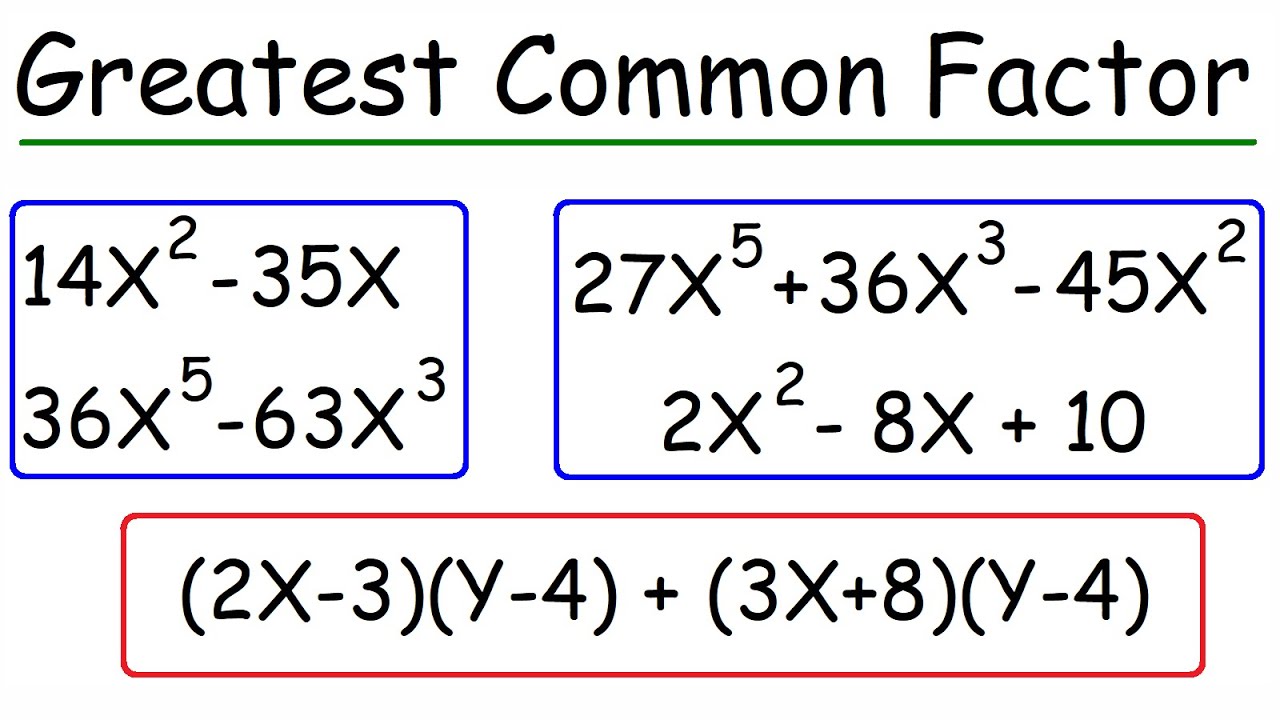
Common Factor Extraction
Find the highest common factor (HCF) Take it outside the brackets Example: 6x + 12 = 6(x + 2) Always check your answer by expanding back
Practice: Common Factors
Work in pairs to factorise these expressions: Level 1: 4x + 8 Level 2: 15x² + 10x Level 3: 12x³ + 18x² - 6x
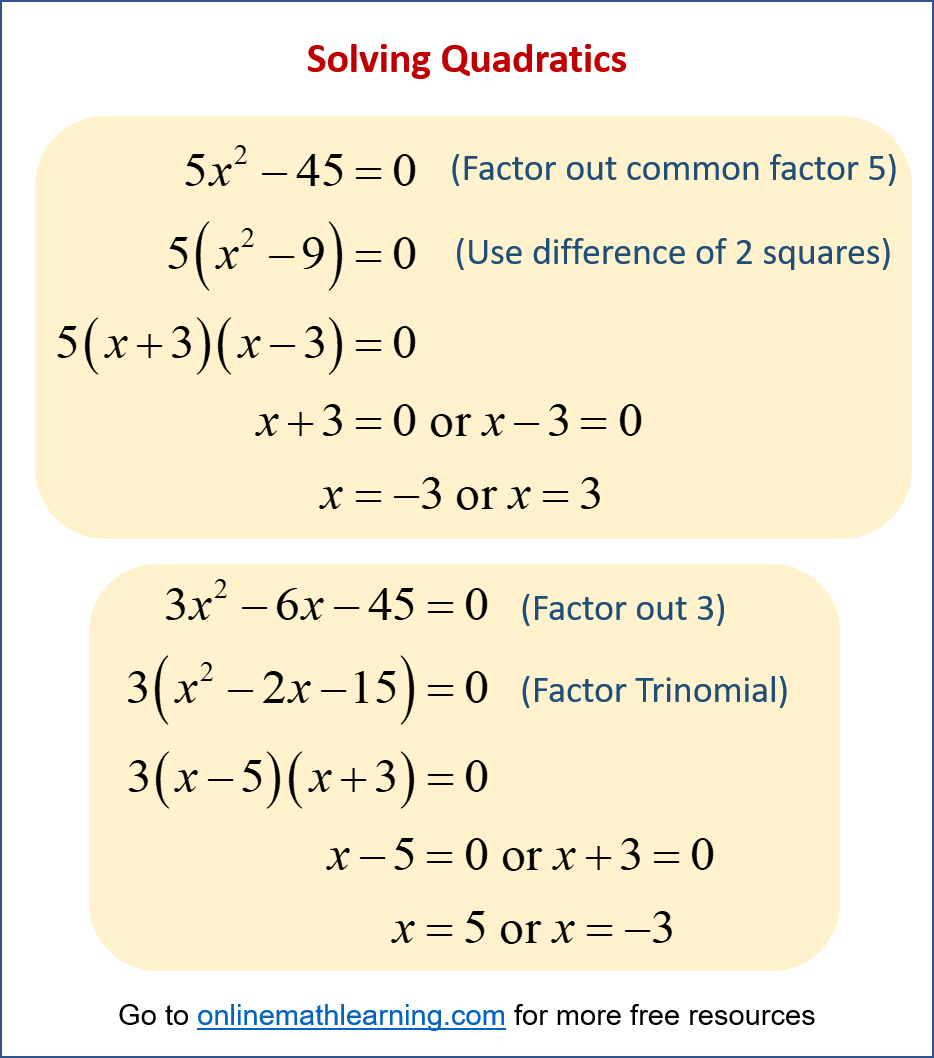
Factorising Quadratics: x² + bx + c
Find two numbers that multiply to give c These same numbers must add to give b Example: x² + 5x + 6 = (x + 2)(x + 3) Check: 2 × 3 = 6 and 2 + 3 = 5 ✓

Difference of Two Squares
{"left":"Pattern: a² - b² = (a + b)(a - b)\nOnly works when subtracting perfect squares\nExample: x² - 9 = (x + 3)(x - 3)","right":"Example: 4x² - 25 = (2x + 5)(2x - 5)\nQuick to spot and factor\nVery useful in solving equations"}

Challenge Question
Can you create a quadratic expression that factorises to (x + 4)(x - 7)? Work it out, then swap with a partner Try to factorise your partner's expression Discuss your methods and check answers

Key Takeaways & Next Steps
Factorisation breaks expressions into simpler parts Three main types: common factors, quadratics, difference of squares Always check by expanding your answer These skills are essential for solving equations Practice makes perfect - use your worksheets!