London's Water Distribution System
Understanding How Clean Water Reaches 9 Million Londoners Year 13 Geography UK National Curriculum
Learning Objectives
Identify the main water sources serving London Understand the water treatment process Analyze the distribution network infrastructure Evaluate challenges facing London's water supply

London's Water Sources
River Thames - 80% of London's water supply River Lee - secondary source from north Groundwater from chalk aquifers Reservoir storage across the Thames Valley

Thames Water Catchment Area
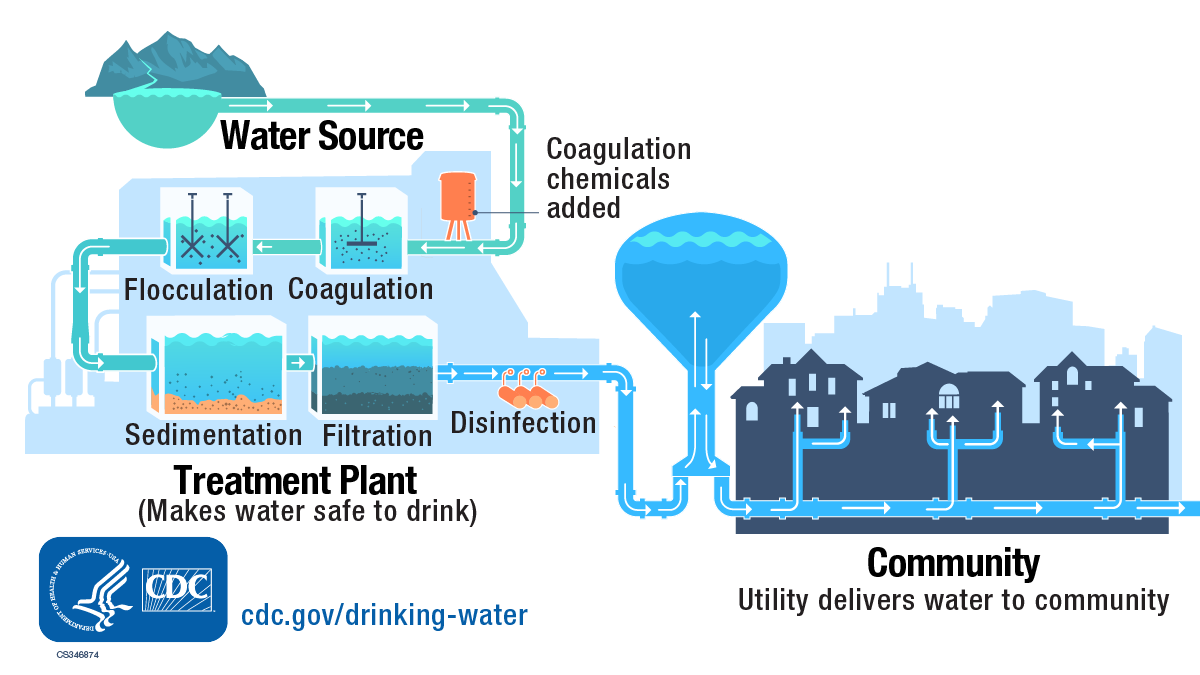
Water Treatment Process
Screening - removing large debris and particles Coagulation and flocculation - binding small particles Sedimentation - allowing particles to settle Filtration through sand and carbon filters Disinfection with chlorine and UV treatment

Water Quality Testing Activity
Test water samples for pH, chlorine, and turbidity Compare treated vs. untreated water samples Record observations in data tables Analyze results against WHO standards

Distribution Network Infrastructure
31,000 km of water mains across London Service reservoirs for pressure regulation Pumping stations to maintain flow Smart meters and pressure management systems
High vs. Low Pressure Zones
{"left":"HIGH PRESSURE ZONES:\n• Lower elevations near Thames\n• Central London areas\n• Requires pressure reduction valves\n","right":"LOW PRESSURE ZONES:\n• Higher elevations (Hampstead, Highgate)\n• Requires pumping stations\n• Additional storage reservoirs"}
Discussion Question
How might climate change affect London's water supply in the next 50 years? Consider: • Changing rainfall patterns • Increased demand from population growth • Rising temperatures • Extreme weather events
Current Challenges
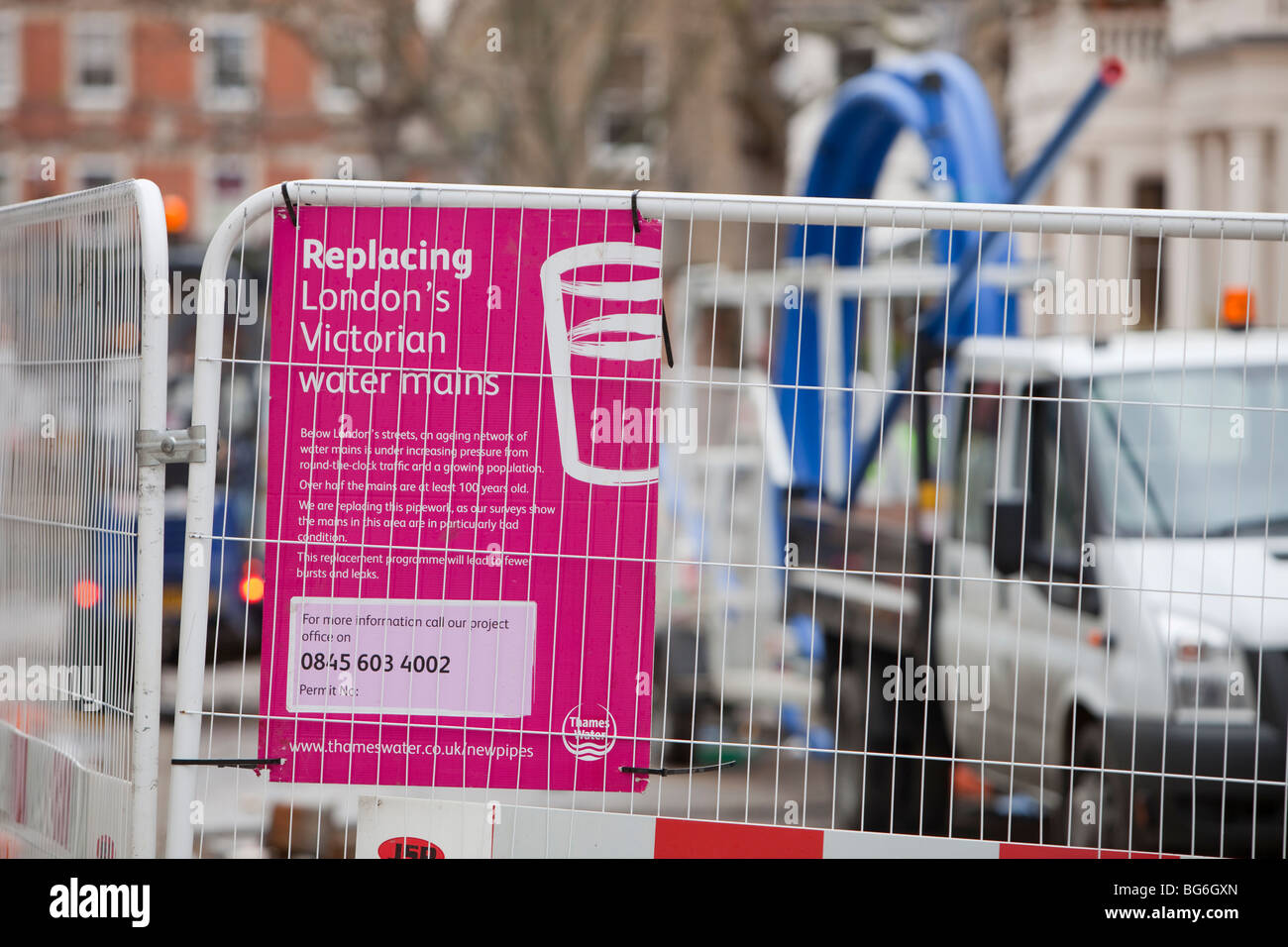
Aging Victorian-era pipes causing 25% water loss Population growth increasing demand Climate change affecting rainfall patterns Need for infrastructure investment (£11 billion by 2030)

Future Solutions
Thames Tideway Tunnel - reducing sewage overflow Smart water meters for better demand management Desalination plant proposals for drought resilience Rainwater harvesting and greywater recycling
Key Takeaway
"London's water distribution system is a marvel of engineering that has evolved over 150 years to serve one of the world's great cities, but it must continue adapting to meet 21st-century challenges."