Linear Algebra Foundations
A-Level Further Mathematics Year 13 60-minute lesson
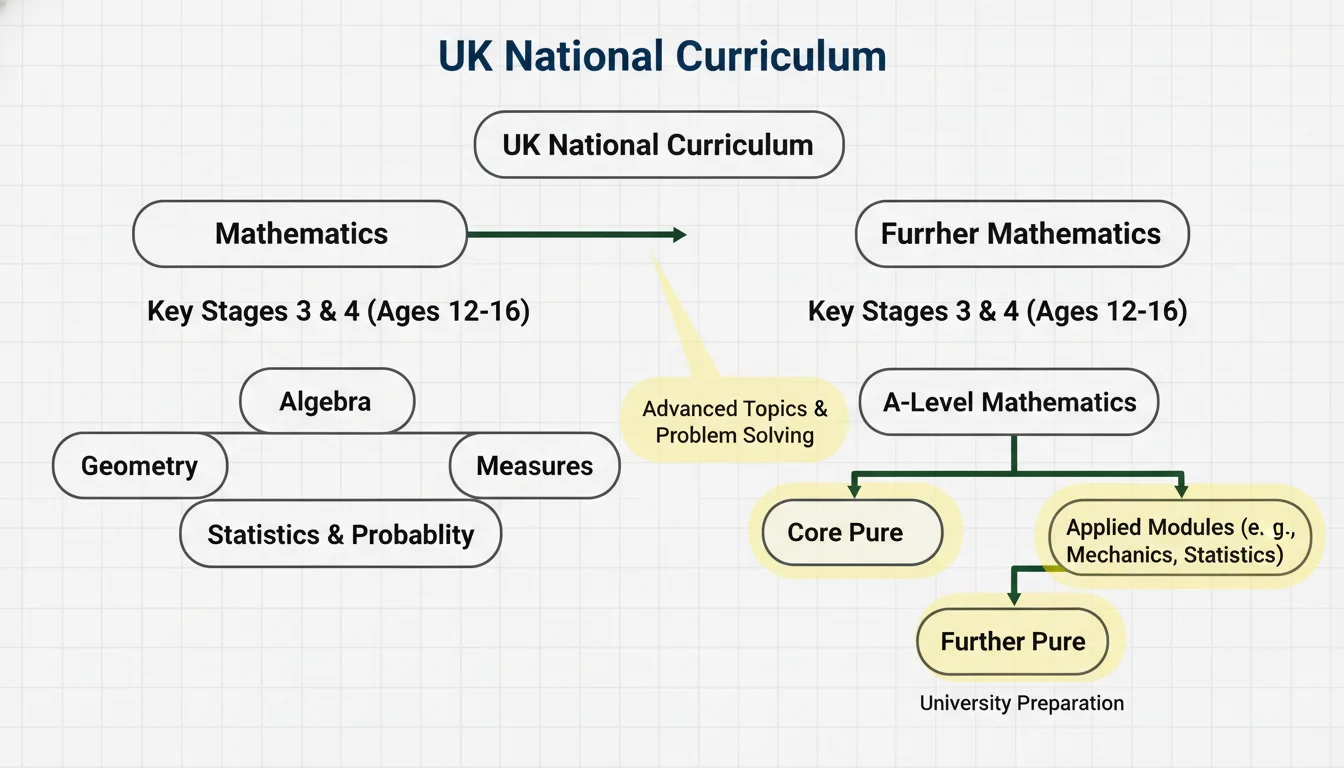
National Curriculum Links
A-Level Further Mathematics requirements: • Use matrices to represent linear transformations • Perform arithmetic operations on matrices • Solve systems of linear equations using matrix methods • Understand vector spaces, subspaces, and linear independence
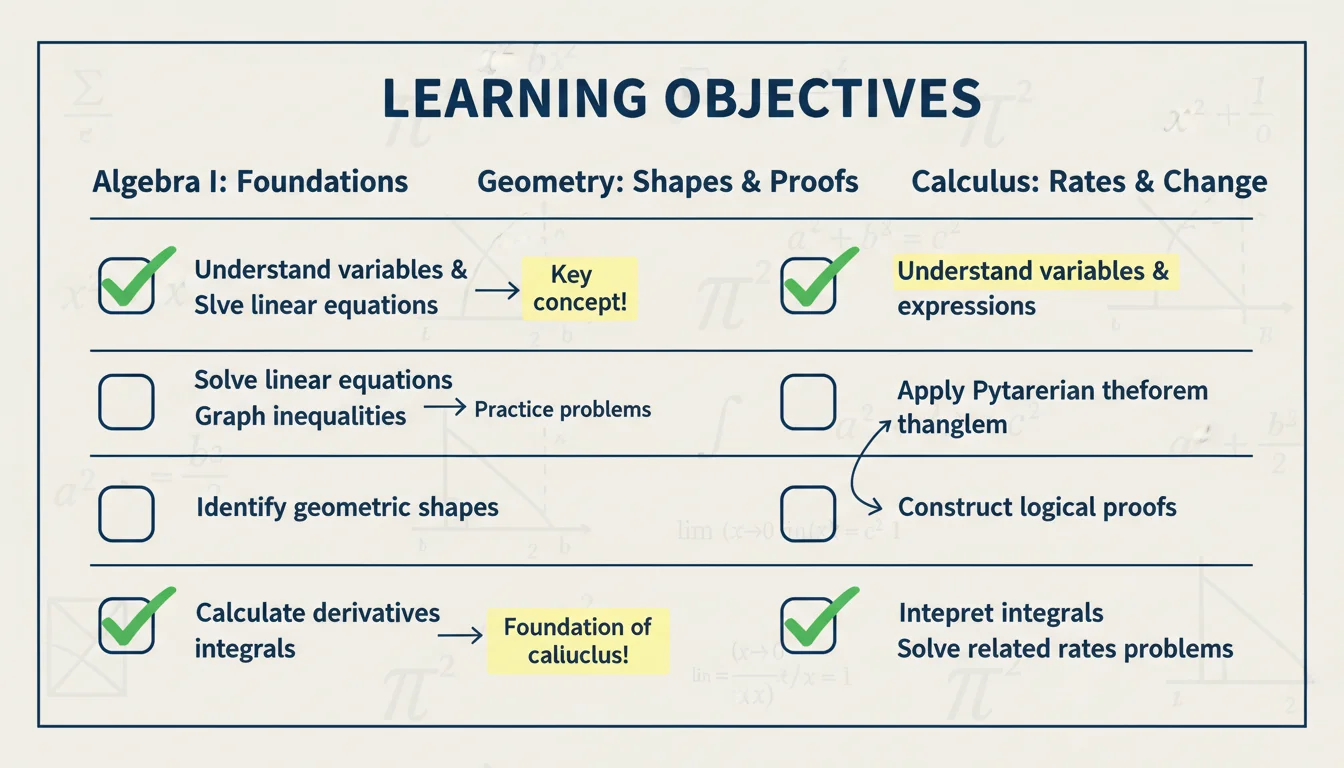
Learning Objectives
By the end of this lesson, you will be able to: • Perform matrix operations (addition, multiplication, inversion) • Solve linear systems using Gaussian elimination • Apply the inverse matrix method to solve systems • Define vector spaces and subspaces • Determine linear independence of vectors
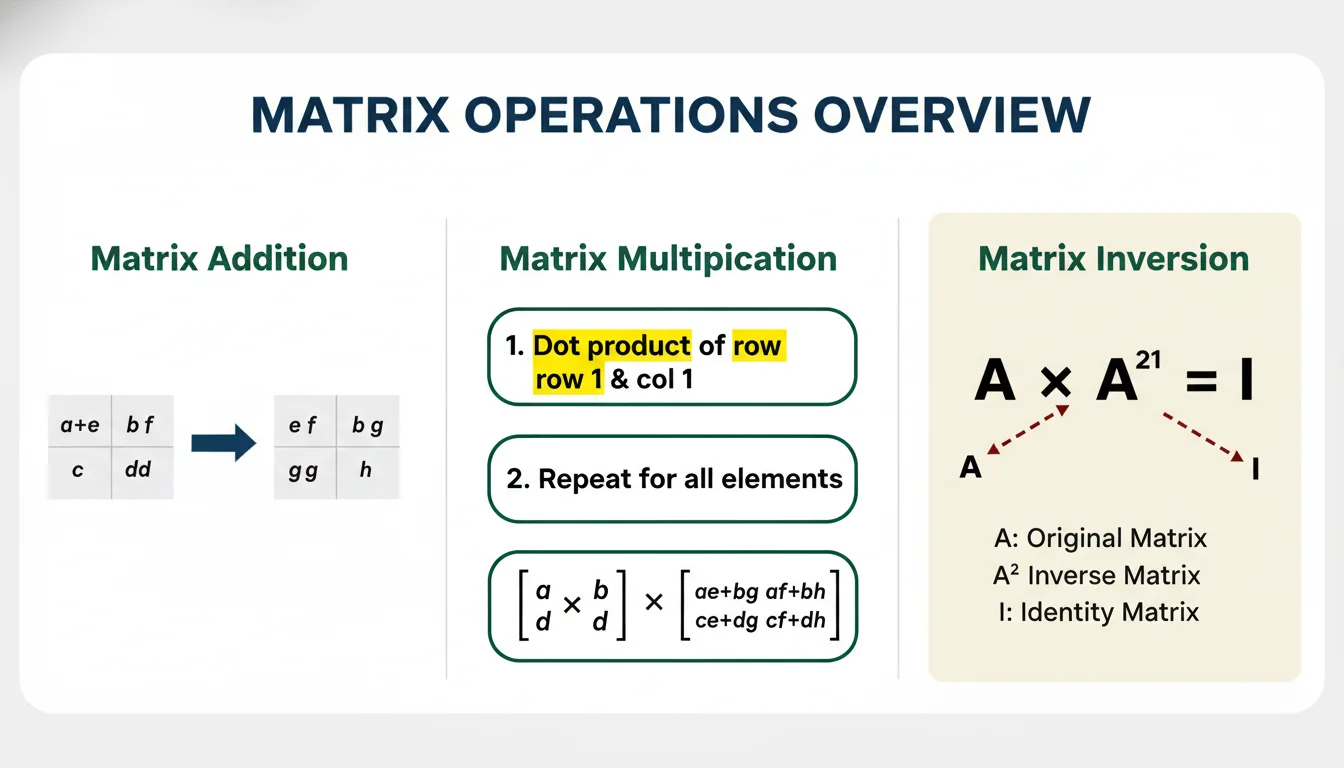
Matrix Operations Overview
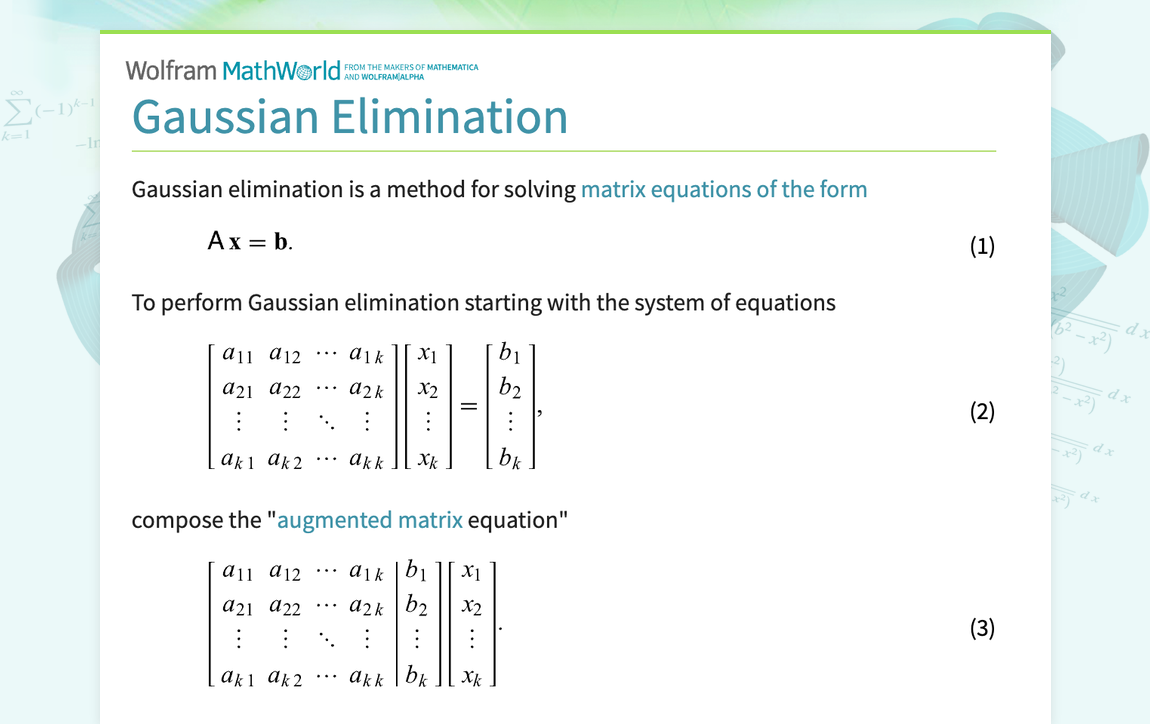
Solving Linear Systems: Gaussian Elimination
Step-by-step process: 1. Write the augmented matrix [A|b] 2. Use row operations to create row echelon form 3. Continue to reduced row echelon form 4. Read off the solution from the final matrix Key: Elementary row operations preserve solutions
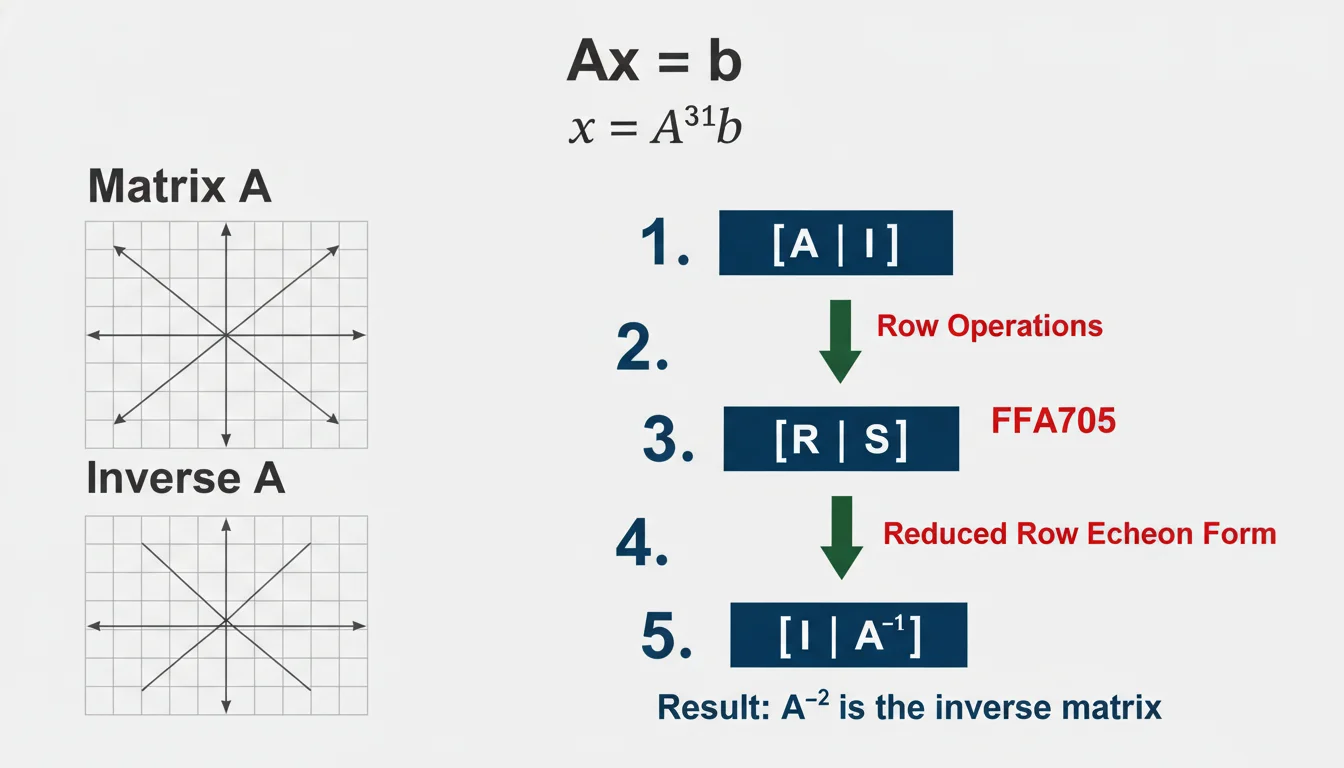
Solving Linear Systems: Inverse Matrix Method
For system Ax = b, when A is invertible: • Solution: x = A⁻¹b • Requires det(A) ≠ 0 • Efficient for multiple systems with same coefficient matrix • Finding A⁻¹ uses Gauss-Jordan elimination on [A|I]
Vector Spaces and Subspaces
{"left":"Vector Space Properties:\n• Closed under addition\n• Closed under scalar multiplication\n• Contains zero vector\n• Contains additive inverses","right":"Subspace Examples:\n• Lines through origin in ℝ²\n• Planes through origin in ℝ³\n• Solution sets of homogeneous systems"}

Group Problem-Solving Challenge
Work in groups of 4-5 students Task 1: Matrix operations with 3×3 matrices Task 2: Solve a real-world linear system using both methods Task 3: Determine if given vectors form a subspace 25 minutes to complete all tasks
Critical Thinking Question
When would you choose Gaussian elimination over the inverse matrix method? Consider: • Computational efficiency • Matrix properties • Number of systems to solve • Numerical stability
Assessment and Next Steps
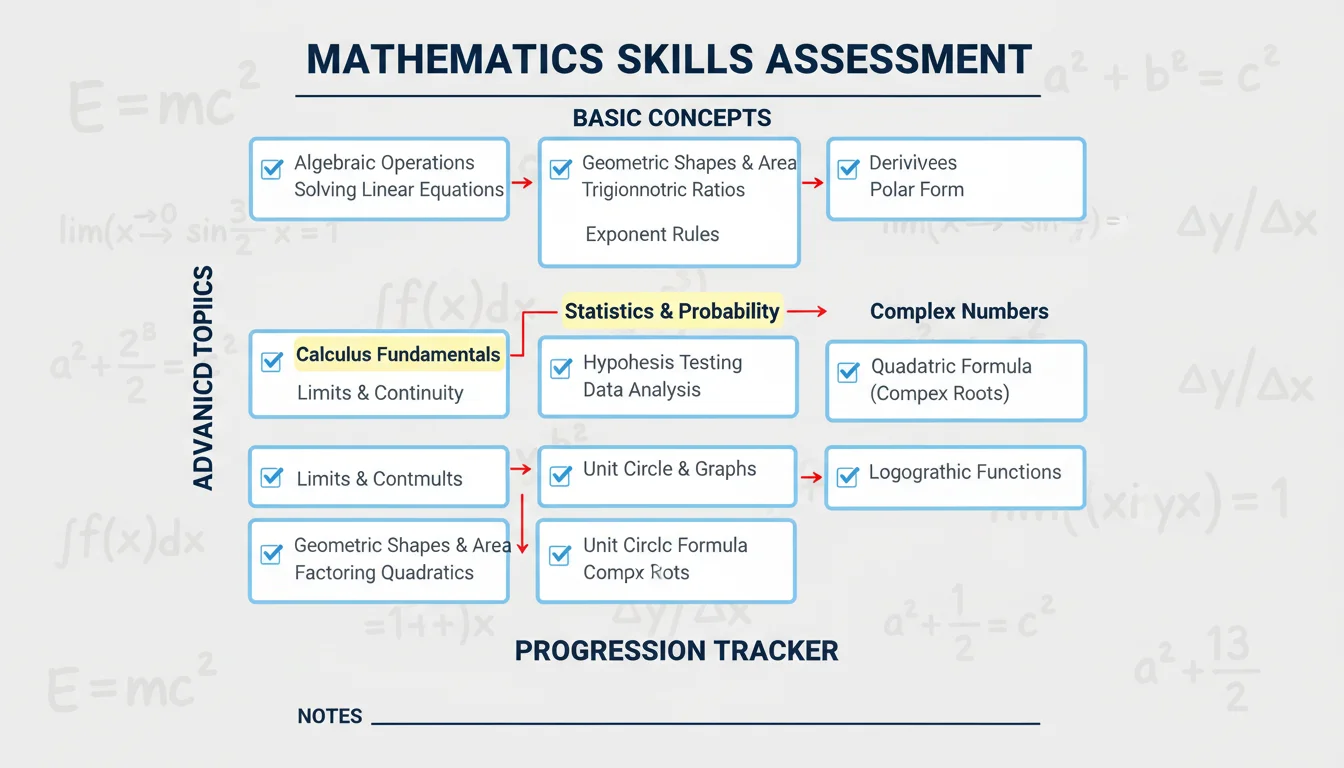
Exit Ticket Question: Explain why a matrix must be invertible to use A⁻¹ in solving Ax = b Homework: • Practice matrix operations and system solving • Explore vector subspace properties • Extension: Research eigenvalues and eigenvectors