Language and Tension Analysis Skills
Year 11 GCSE English Language Paper 1, Question 2 Focus Exploring Whispers in the Graveyard
Learning Objectives
Analyse how language and sentence structure create setting, character feelings, and tension Identify and explain the writer's choice of words, phrases, and language techniques Evaluate how sentence forms and punctuation contribute to tone and pace Structure exam-style responses for Paper 1, Question 2 (8 marks)

Starter Activity: First Impressions
Listen to the extract being read aloud Think-Pair-Share: What do you 'see', 'feel', and 'hear'? Discuss initial impressions of setting and mood Focus on immediate emotional responses

National Curriculum Links
KS4 Reading Comprehension: Understand how language choices impact meaning and atmosphere Develop insight into writers' craft through close analytical reading Use knowledge of language, form and structure to explore how writers shape meanings Prepare for GCSE assessment expectations

Part 1: Exploring Setting (Lines 1-10)
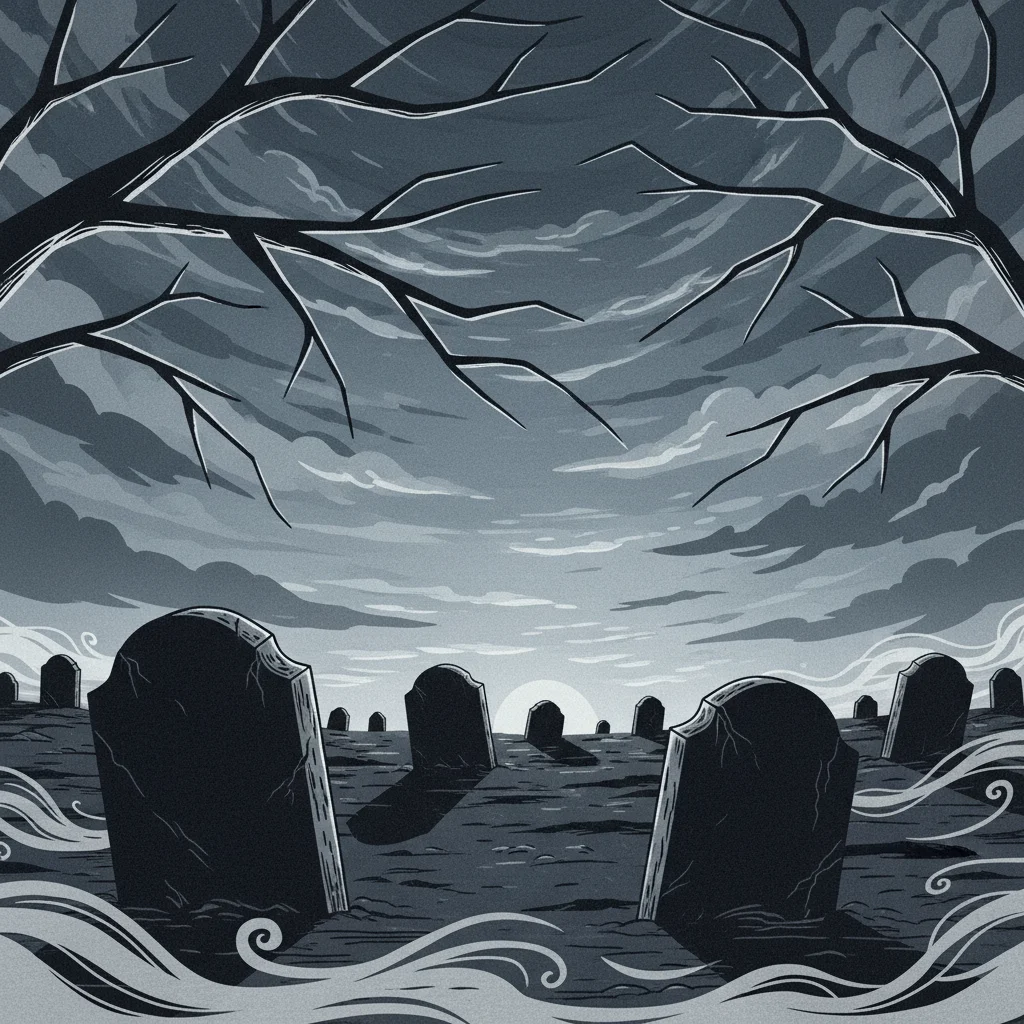
Focus question: 'How does the writer use language to show the setting?' Key techniques to identify: alliteration, auditory imagery, personification Word choices: 'rasping', 'whistling', 'branches whip' Sentence structure: short sentences increase pace and tension

Language Detective Worksheet
Highlight phrases that create atmosphere Identify specific language techniques used Explain the effect on the reader Link techniques to setting description
Part 2: Character Feelings (Lines 10-18)
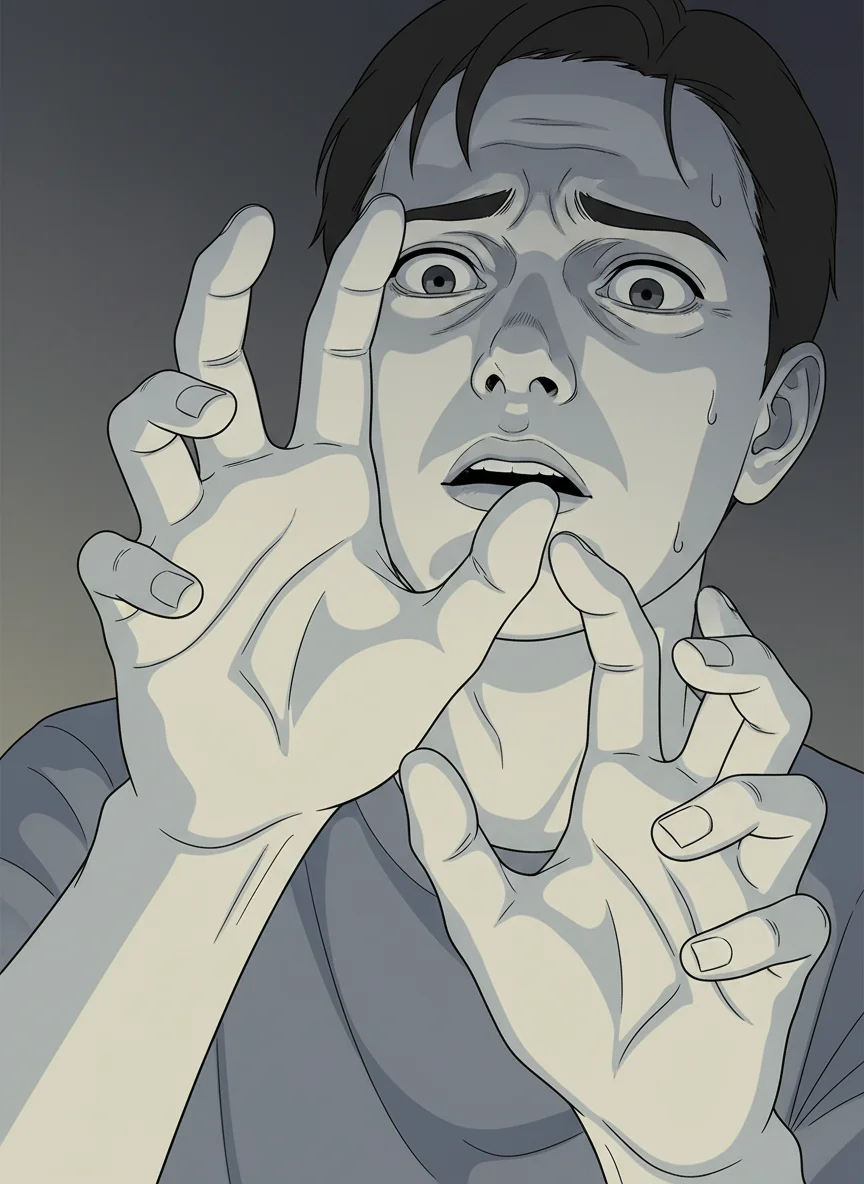
Focus question: 'How does the writer show the character's feelings?' Emotions to explore: fear, desperation, confusion Key techniques: repetition ('screaming and screaming'), emotive diction Sentence structure: long sentences disrupted by short, fragmented ones

Discussion: Building Tension
How does the writer build tension using language? Consider: repetition, harsh consonants, cumulative listing Think about: sensory details and sentence length variation What is the overall effect on the reader?
Exam Practice: Quick Write
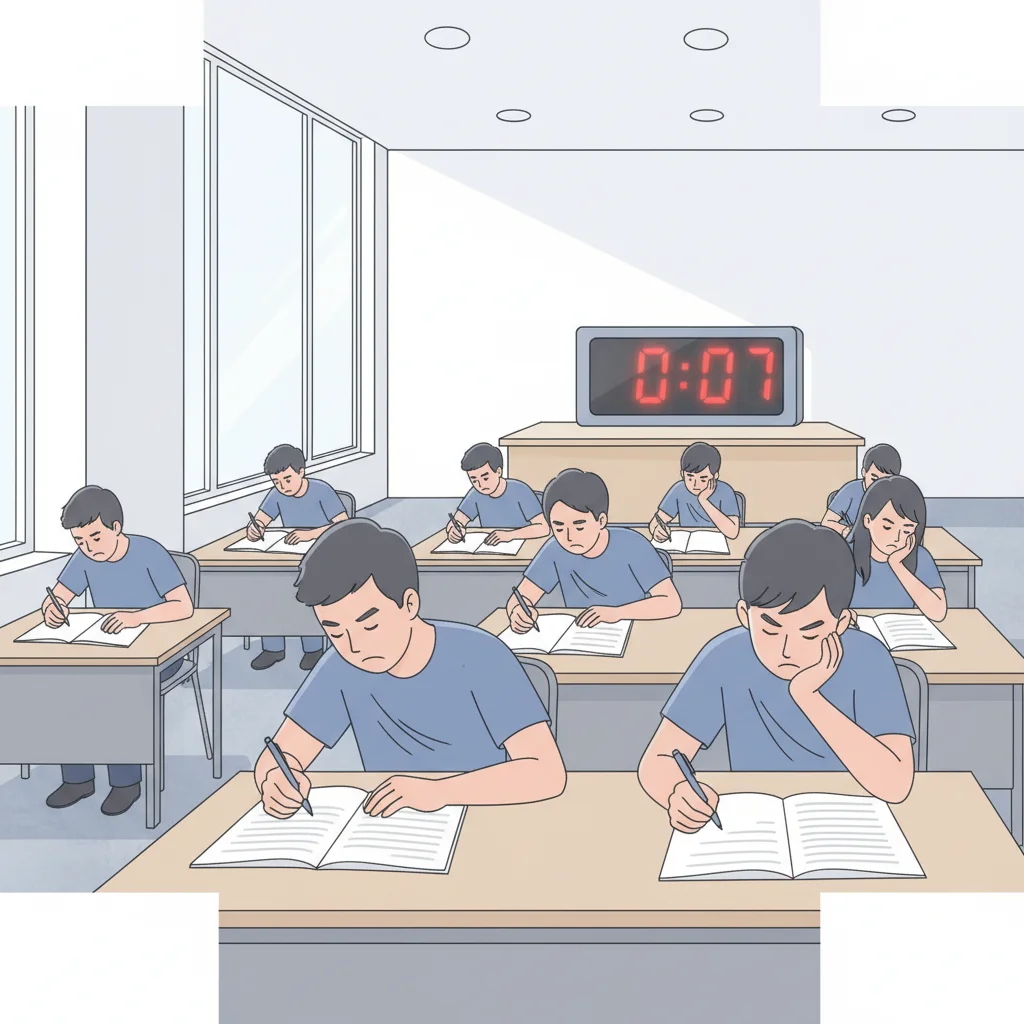
Draft 2-3 sentences answering the tension question Use exam-style analytical language Include specific quotes and explain their effects Peer feedback using mark scheme criteria

Plenary and Next Steps
Quick quiz: One technique, one example, one effect Consolidation: How language and structure work together Homework: Complete full 8-mark Question 2 response Extension: Creative writing using similar techniques