
Jersey: Geography of the Channel Islands
Understanding the physical and human geography of Jersey Year 9 Geography - Lesson 22 of 30 Exploring Earth's Features

Where is Jersey?
Look at the UK map on your desk Can you locate Jersey and the Channel Islands? Mark Jersey's position relative to England and France Discuss with your partner: What do you notice about Jersey's location?

Jersey's Physical Geography
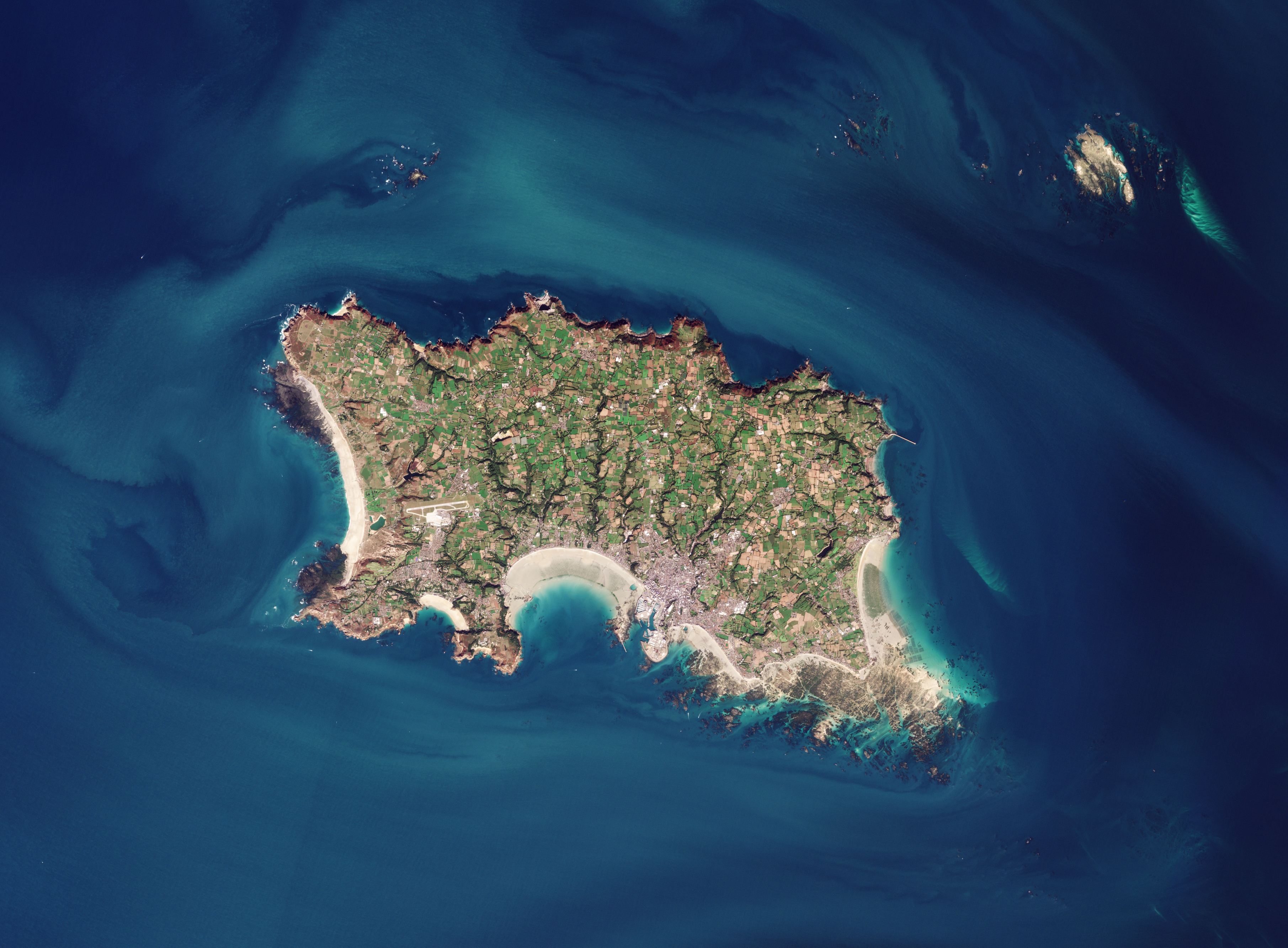
Location: 14 miles from French coast, 100 miles from England Size: 9 miles long, 5 miles wide (45 square miles) Coastline: Mix of dramatic cliffs and sandy beaches Climate: Temperate oceanic - mild winters, warm summers Highest point: Les Platons at 143 meters

Jersey's Coastal Features Map
Human Geography of Jersey
{"left":"Population: 108,000 residents\nCapital: St. Helier (main town and port)\nLanguages: English and Jèrriais (traditional dialect)\nGovernment: Crown Dependency with own parliament","right":"Economy: Finance, tourism, agriculture\nCurrency: Jersey Pound (same value as British Pound)\nFamous exports: Jersey Royal potatoes, dairy products\nTourism: 700,000 visitors annually"}
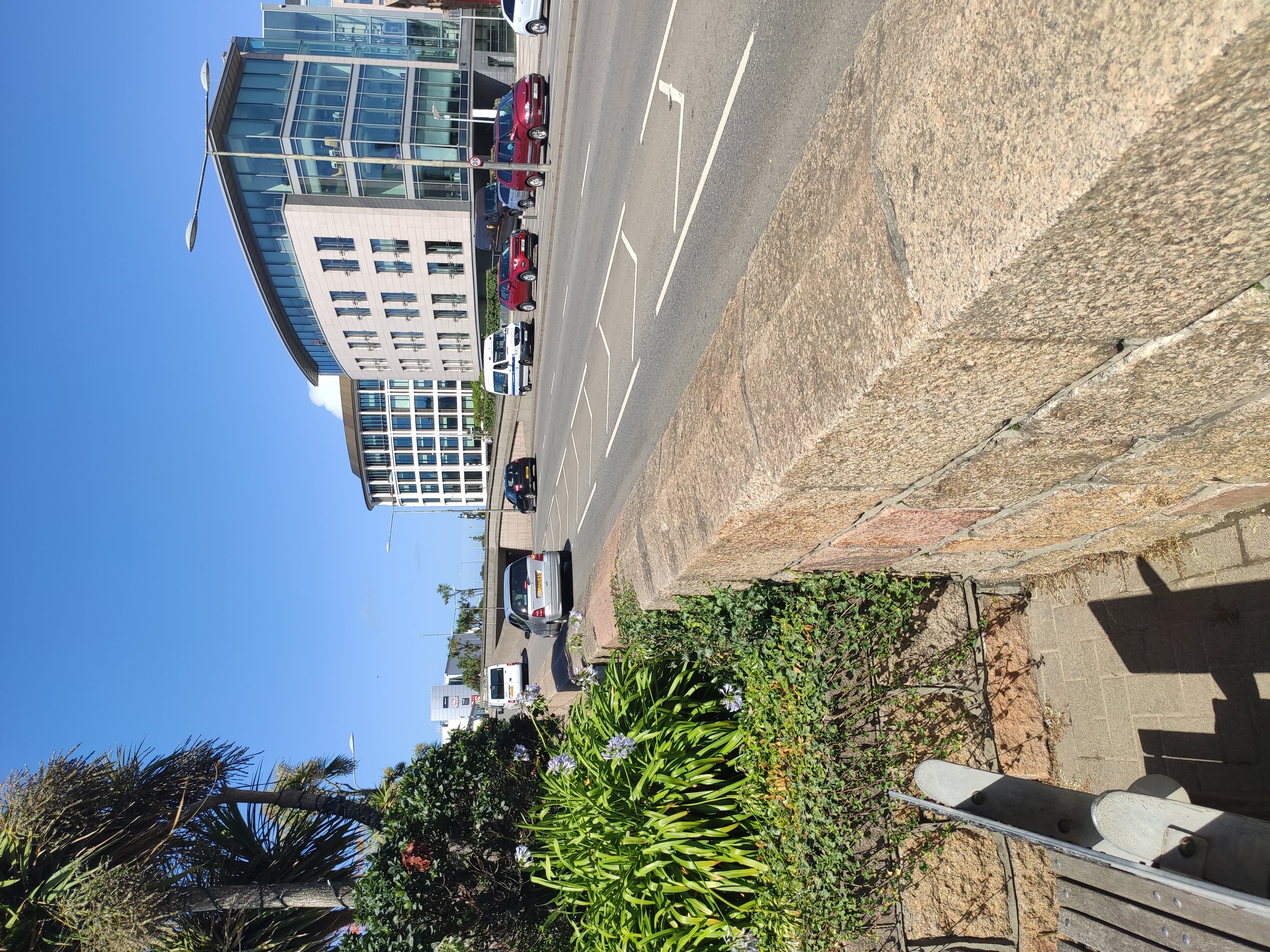
Jersey's Economic Geography
Financial services: 40% of economy (offshore banking) Tourism: Beaches, heritage sites, outdoor activities Agriculture: Jersey Royal potatoes, dairy farming Fishing: Traditional industry, now smaller scale Digital economy: Growing tech sector
Think and Discuss
How does Jersey's location between England and France influence its geography? What advantages and challenges might Jersey face as a small island? Why do you think finance became such an important industry for Jersey?

Jersey in the UK Context
Crown Dependency: Self-governing but under British sovereignty Strategic location: Gateway between Britain and Europe Economic importance: Major offshore financial center Cultural significance: Preserves unique Channel Islands heritage Environmental role: Marine conservation and coastal management Historical importance: WWII occupation and liberation