
Iceland's Mid-Atlantic Ridge Geology
Understanding Tectonic Processes Year 9 Geography 50-minute lesson

Quick Quiz: What Do You Remember?
What are the three types of plate boundaries? What happens at a divergent boundary? Can you name any volcanic features? What do you already know about Iceland?
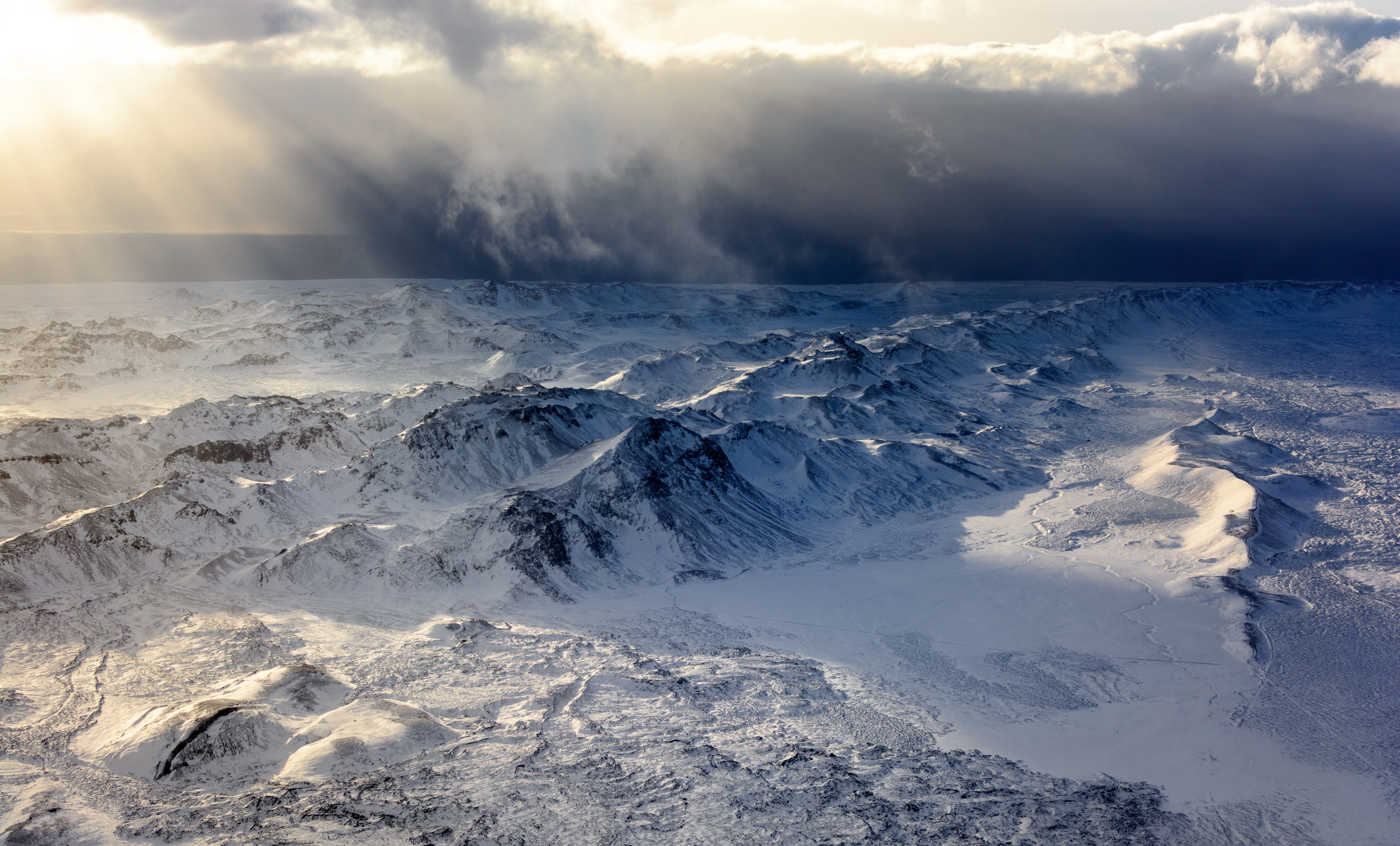
The Mid-Atlantic Ridge: Earth's Longest Mountain Range

How Divergent Boundaries Work
Plates move away from each other Magma rises from the mantle New oceanic crust is formed Creates underwater mountain ranges Sometimes emerges above sea level

Group Investigation: Iceland's Formation
Read the case study in groups of 5 Identify key geological terms Discuss why Iceland is unique Prepare to share one interesting fact

Iceland's Key Geological Features
{"left":"Þingvellir Rift Valley - visible plate boundary\nEyjafjallajökull Volcano - explosive eruptions\nGeysir Hot Springs - geothermal activity","right":"Vatnajökull Glacier - ice and fire landscape\nBlack sand beaches - volcanic origin\nWestfjords - oldest part of Iceland"}

Living on the Mid-Atlantic Ridge
Benefits: Abundant geothermal energy Benefits: Unique tourism opportunities Benefits: Fertile volcanic soils Challenges: Volcanic eruptions and ash Challenges: Earthquakes and ground movement Challenges: Isolation and harsh climate
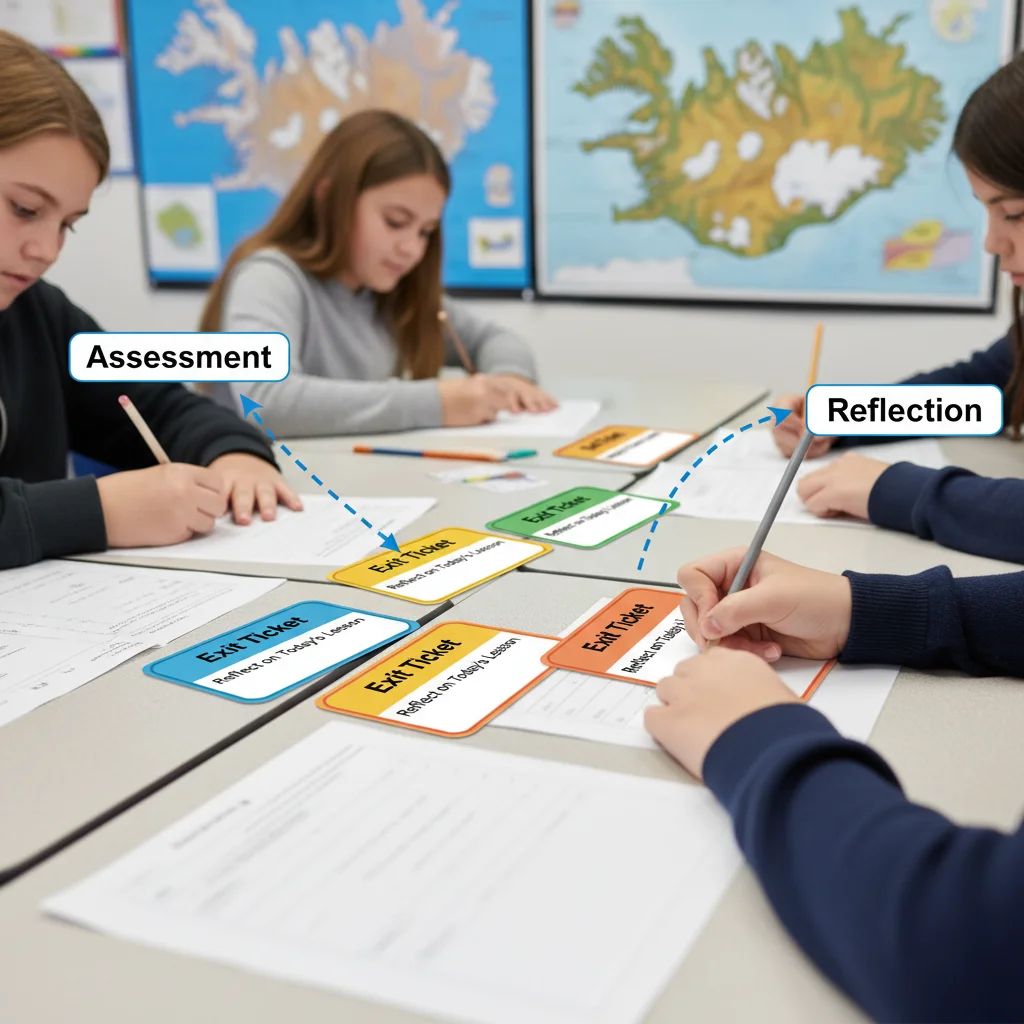
Exit Ticket: What Have You Learned?
Write down one new fact about the Mid-Atlantic Ridge or Iceland Write down one question you still have How does Iceland's location affect its people? What makes Iceland geologically unique?