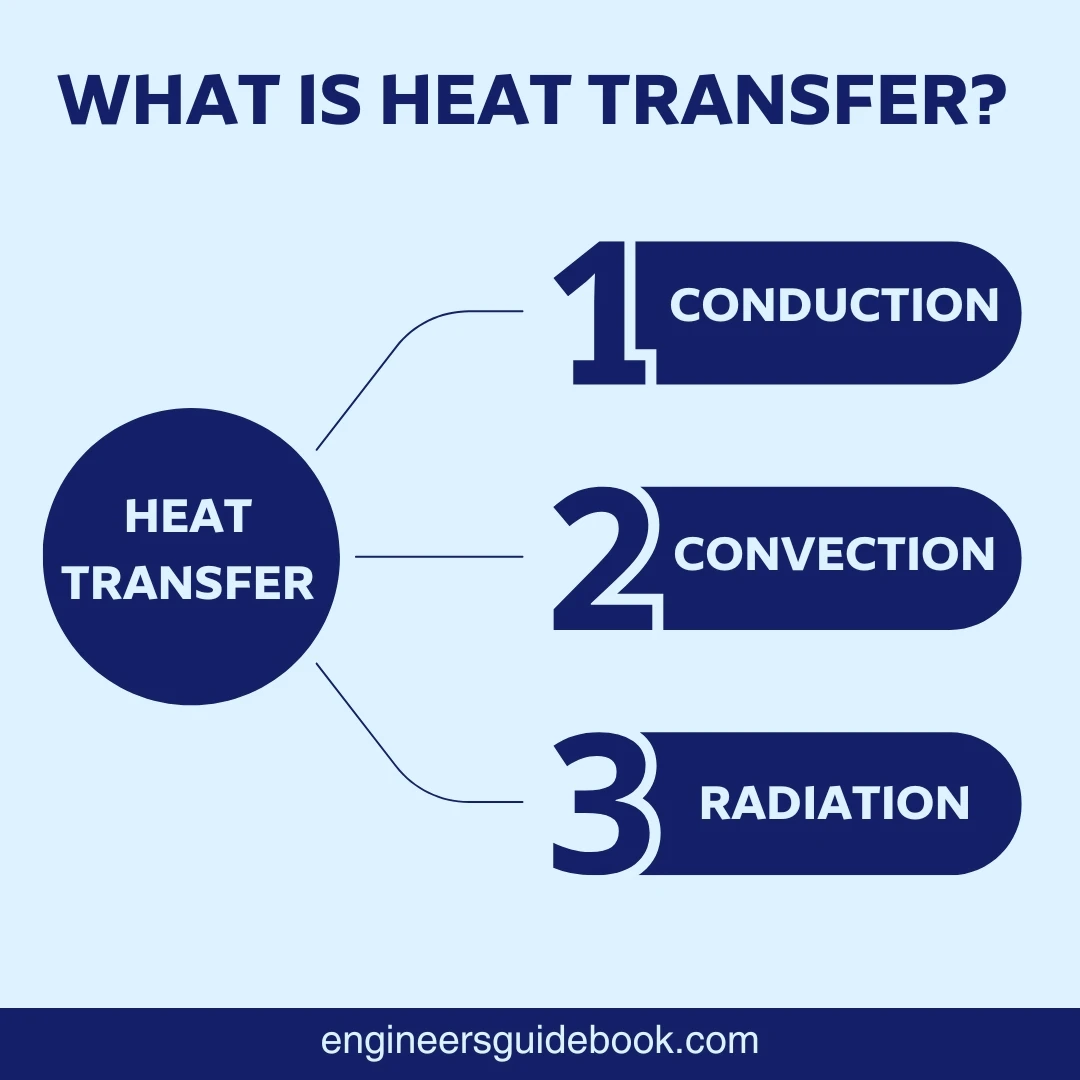
Heat Transfer: Conduction, Convection, Radiation
Year 9 Science Understanding Energy Transfer 60-minute lesson
Think-Pair-Share: The Hot Spoon Mystery
Look at this image of a metal spoon in hot tea Why does the spoon handle get hot even though it's not touching the tea? Discuss with your partner for 2 minutes

What is Heat Transfer?
Heat always moves from hot objects to cold objects Energy cannot be created or destroyed, only transferred There are three main methods of heat transfer Each method works differently depending on the material
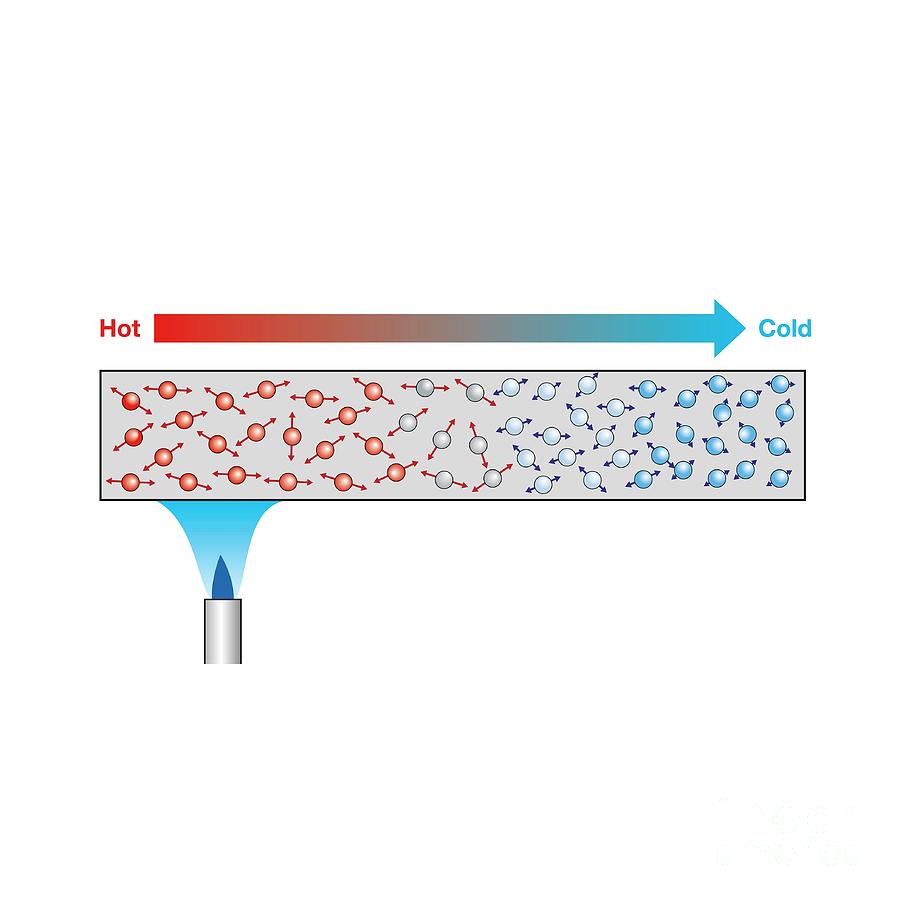
Conduction: Heat Through Contact
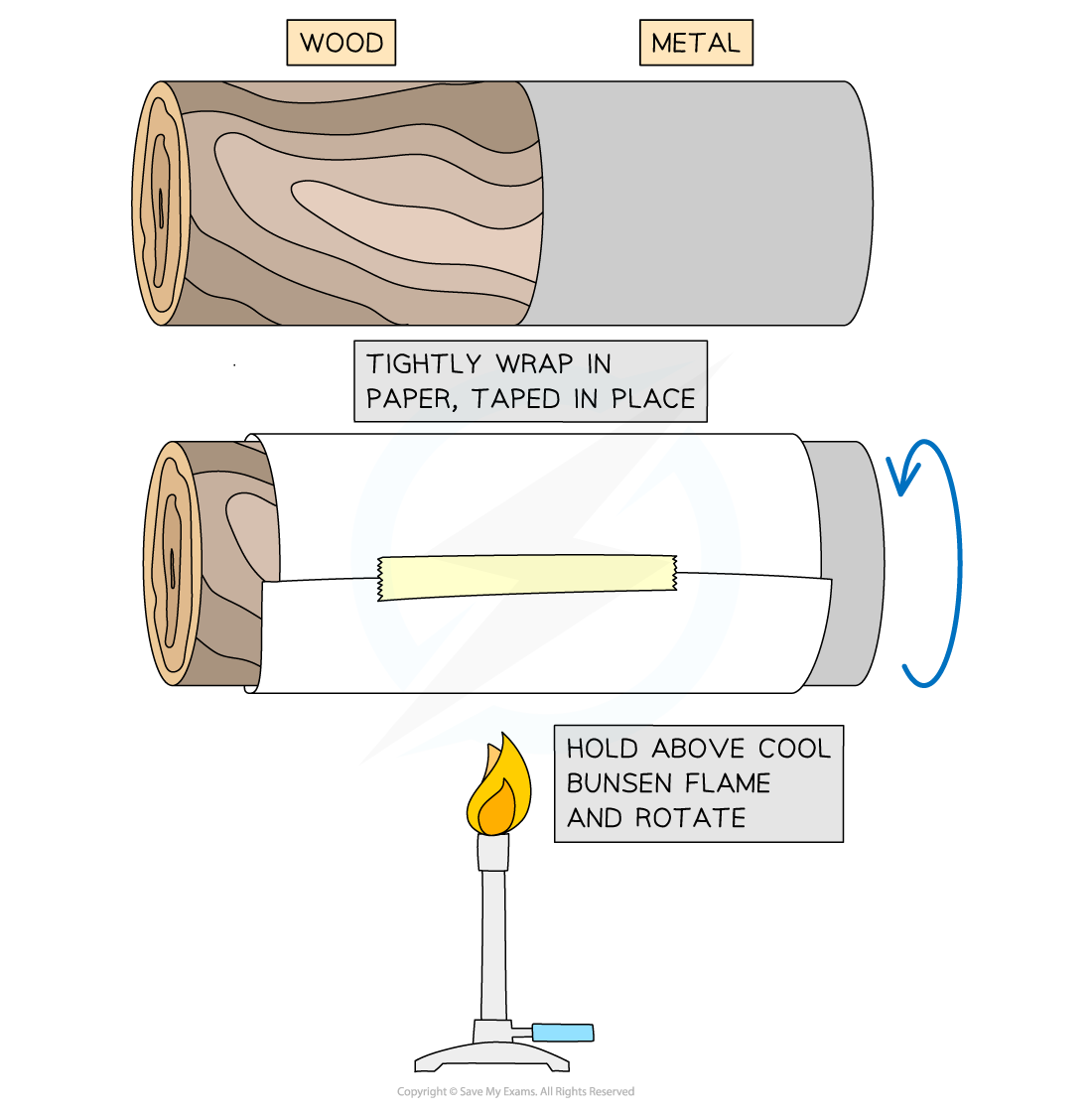
Heat transfer through direct contact between particles Mainly occurs in solids Particles vibrate and pass energy to neighboring particles Good conductors: metals. Poor conductors: wood, plastic

Conduction Investigation
Prediction: Which spoon handle will get hot faster? Observation: Feel the temperature of metal vs plastic spoon handles Explanation: Why does the metal spoon conduct heat better? Safety: Teacher will handle hot water demonstrations
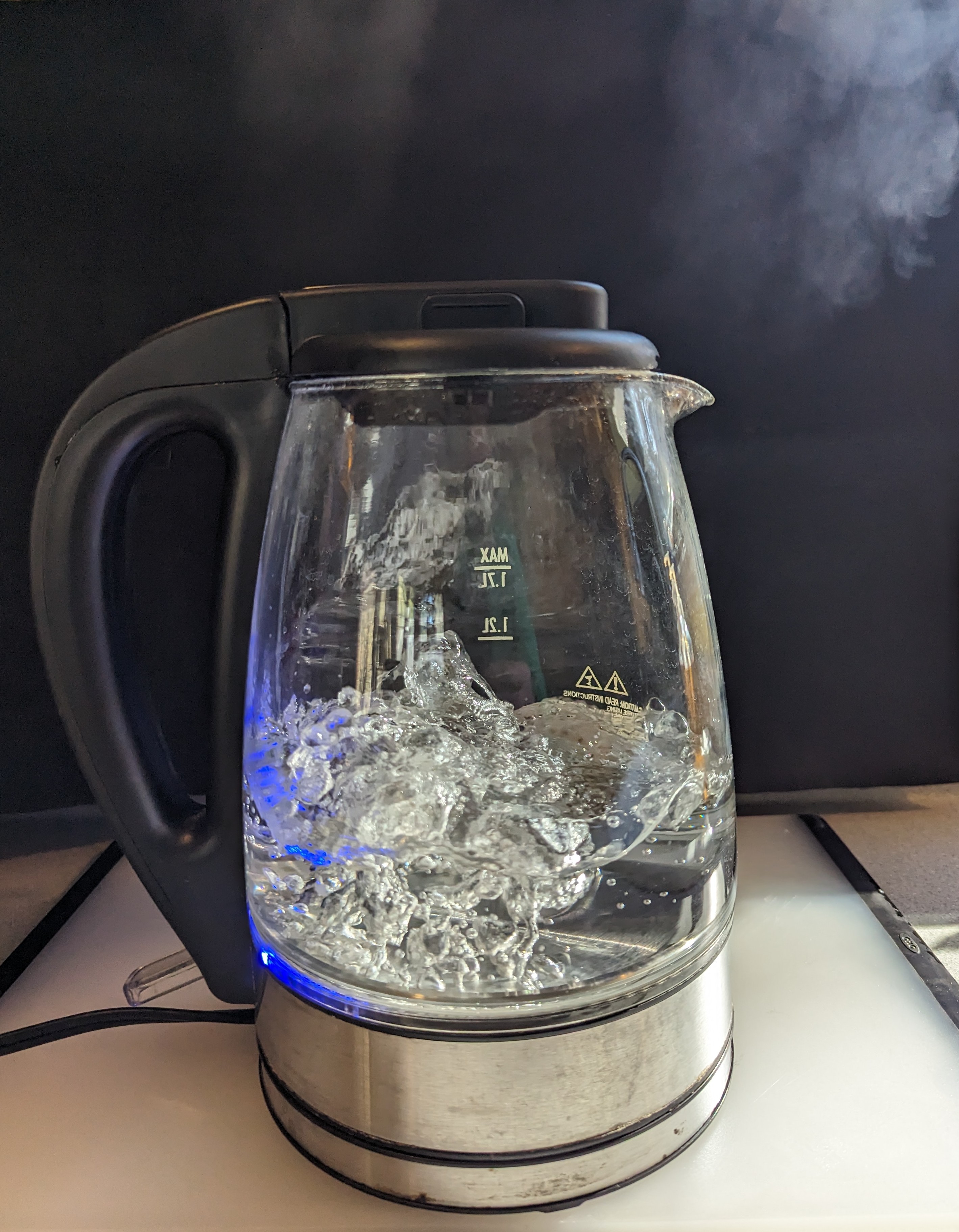
Convection: Heat Through Fluid Movement
Heat transfer in liquids and gases Warm fluid becomes less dense and rises Cool fluid becomes denser and sinks Creates convection currents in a circular pattern
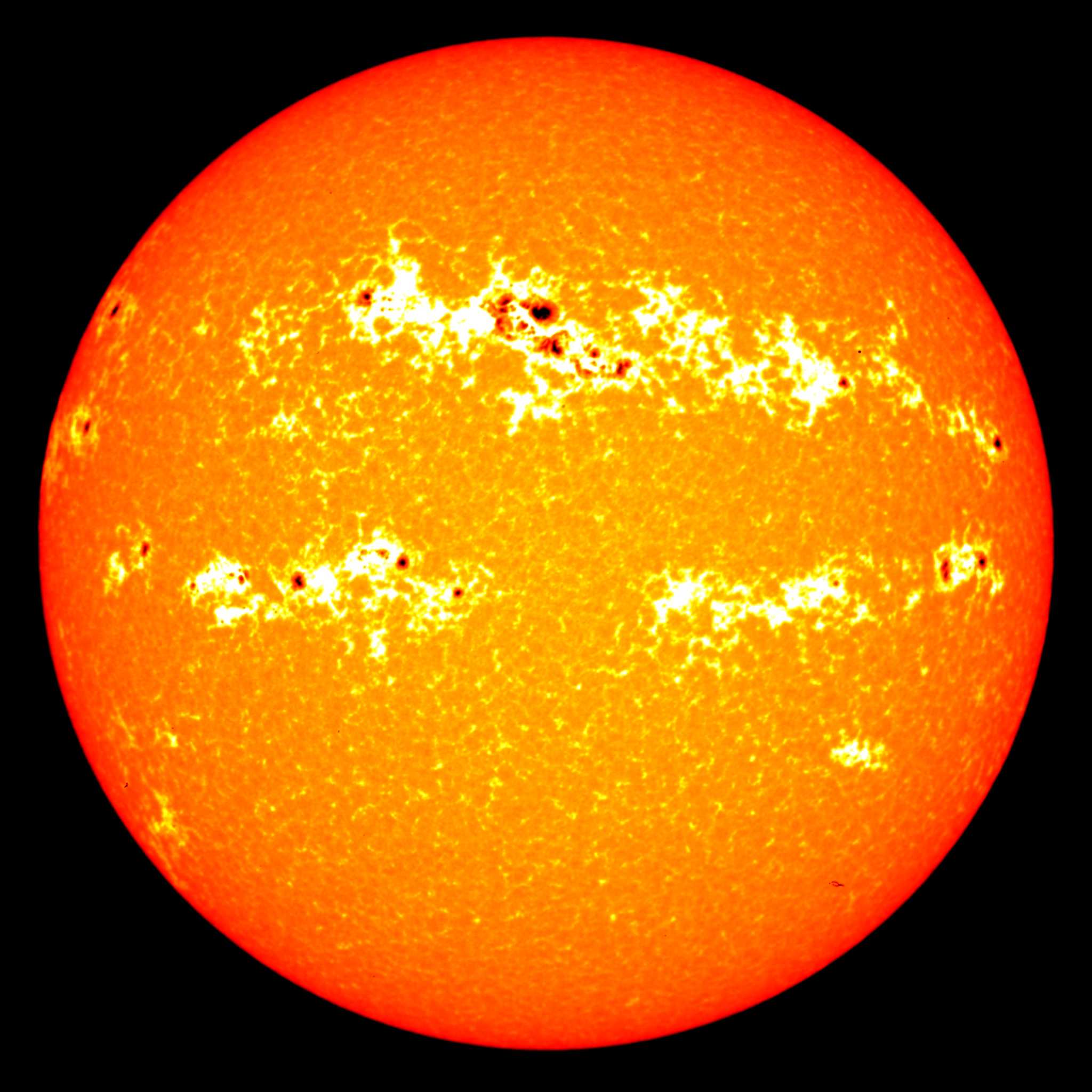
Radiation: Heat Through Electromagnetic Waves
{"left":"Heat transfer through electromagnetic waves (infrared)\nNo medium needed - works through empty space\nAll objects emit and absorb thermal radiation","right":"The Sun heats Earth through radiation\nDark surfaces absorb more radiation than light surfaces\nRadiation can travel at the speed of light"}
