Forces in Physics: GCSE Guide
Understanding forces and their effects Year 10 Physics GCSE Curriculum

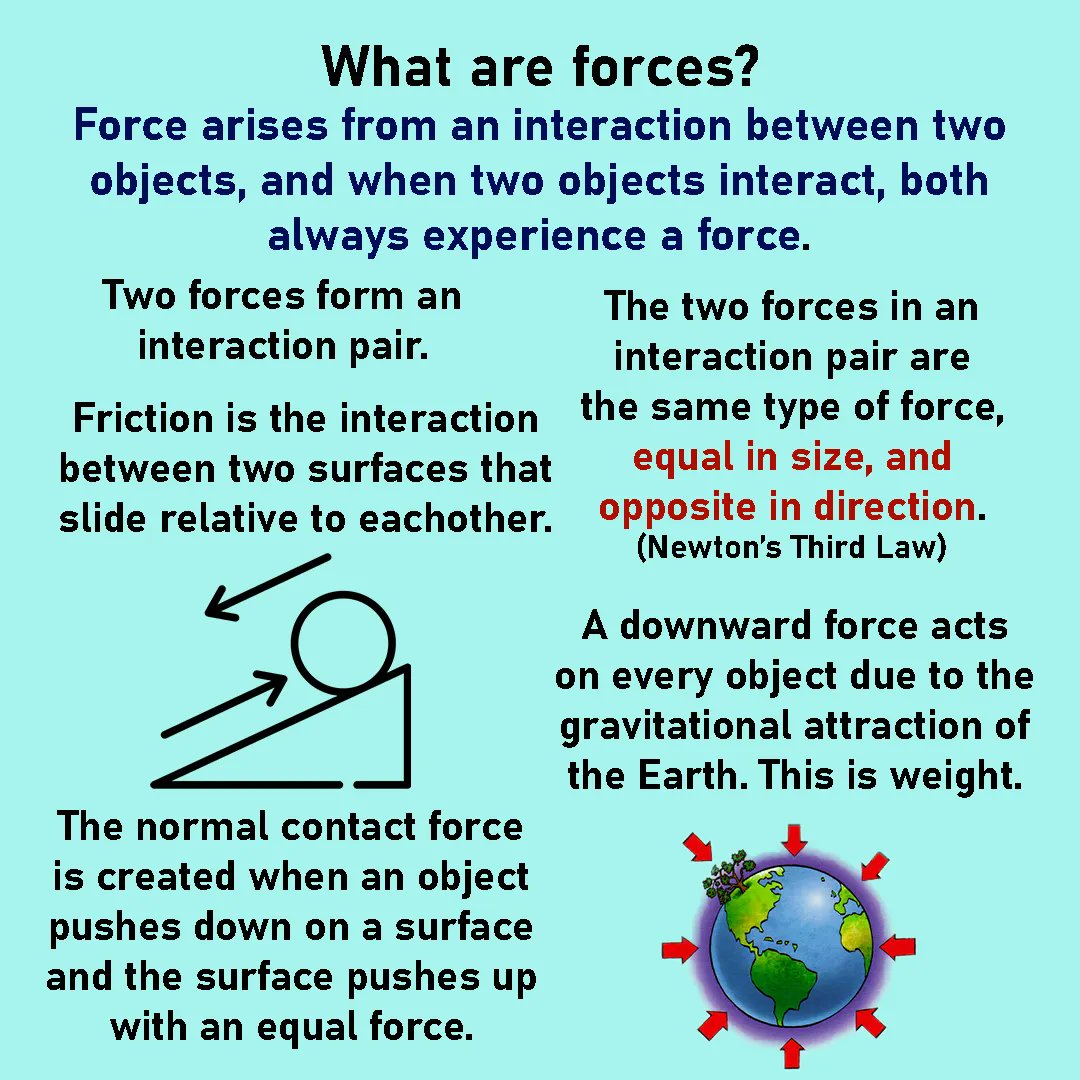
What is a Force?
A push or pull acting on an object Can cause objects to start moving, stop moving, or change direction Measured in Newtons (N) Forces have both magnitude (size) and direction Can be contact forces or non-contact forces

Types of Forces
{"left":"Contact Forces:\nApplied force\nFriction force\nNormal force\nTension force","right":"Non-Contact Forces:\nGravitational force\nMagnetic force\nElectrostatic force"}
Newton's First Law of Motion
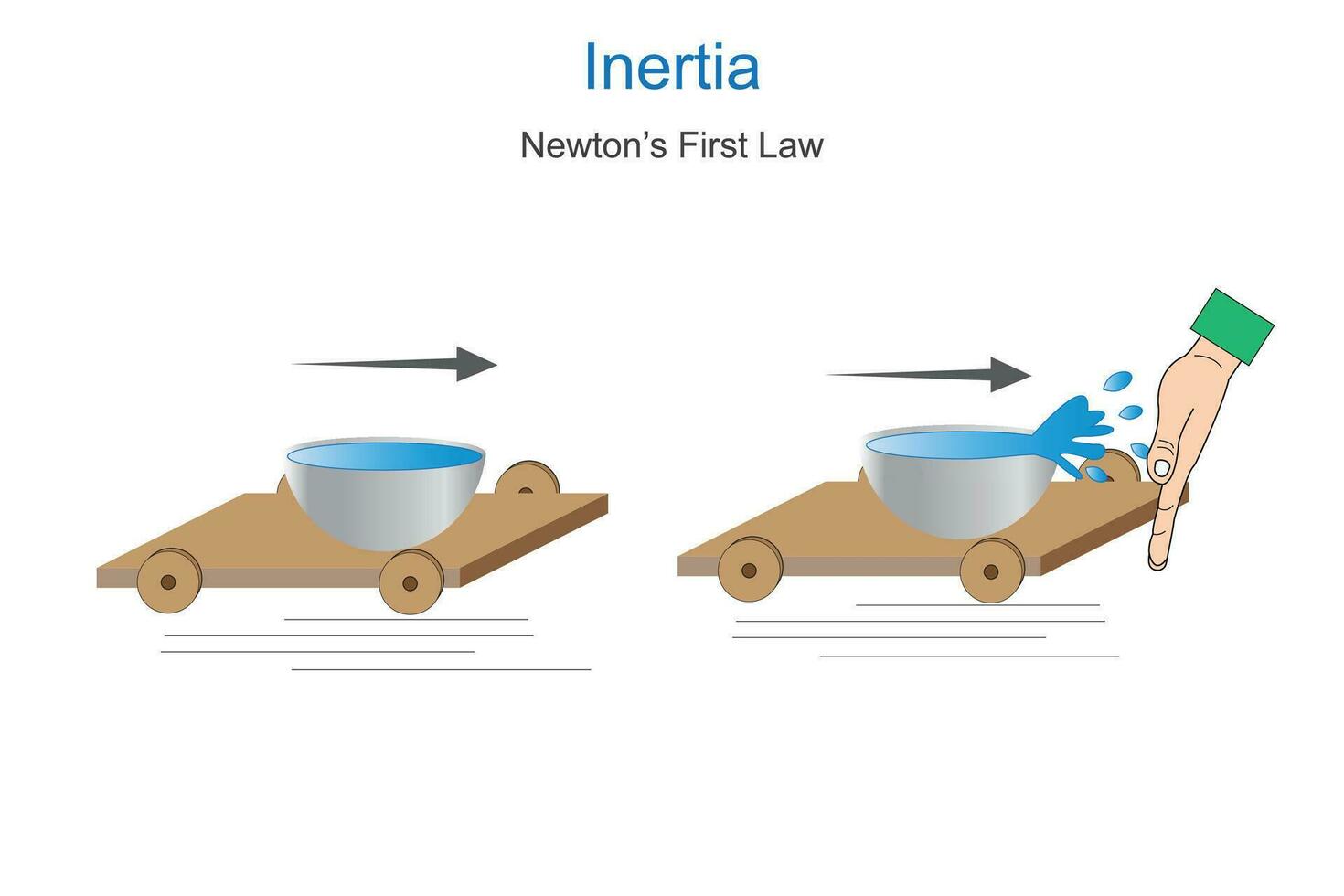
An object at rest stays at rest An object in motion stays in motion at constant velocity Unless acted upon by an unbalanced force Also known as the Law of Inertia Explains why we wear seatbelts in cars

Force Identification Challenge
Look around the classroom Identify 5 different forces acting right now Classify each as contact or non-contact Determine the direction of each force Share your findings with a partner

Newton's Second Law of Motion
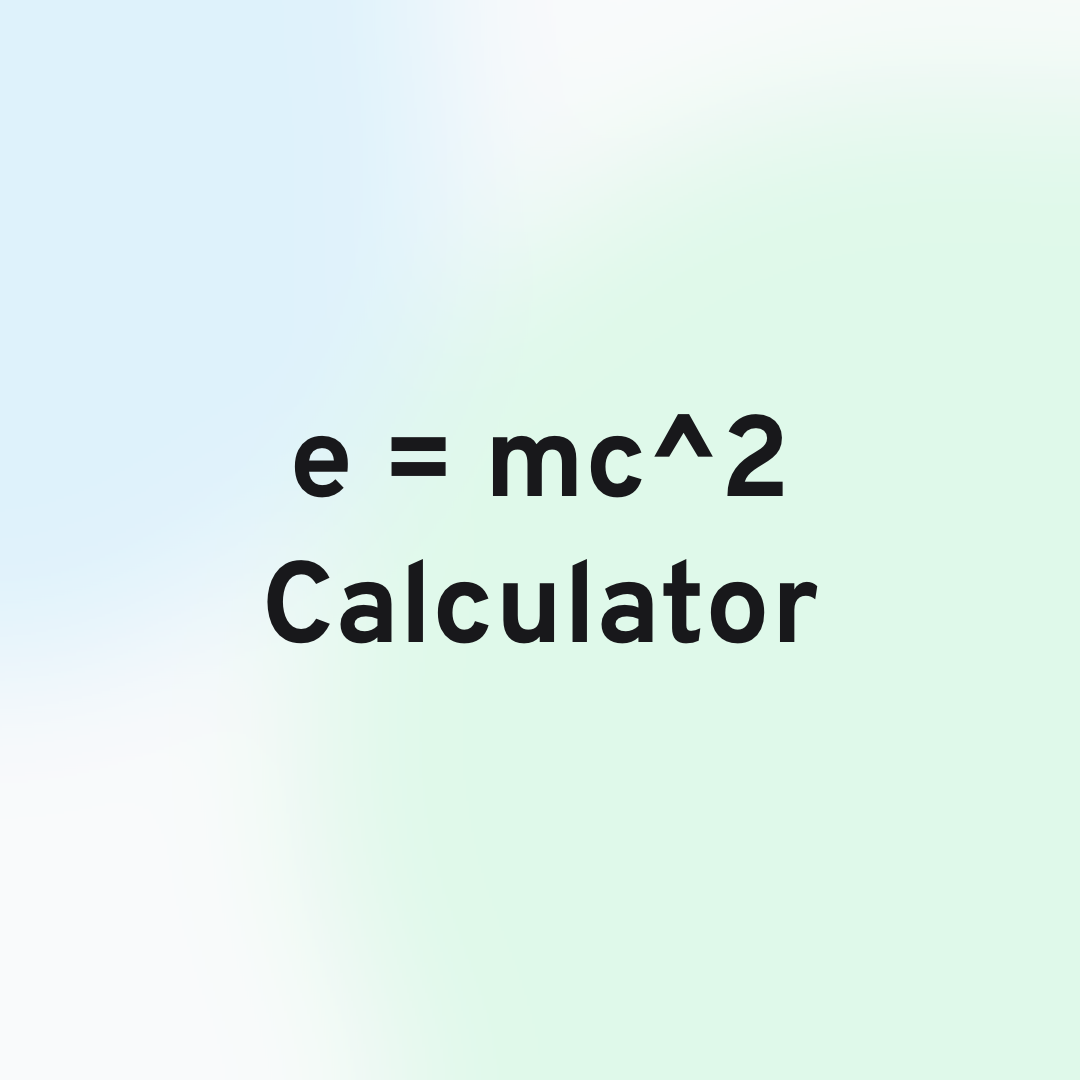
Force = Mass × Acceleration (F = ma) The greater the force, the greater the acceleration The greater the mass, the smaller the acceleration Acceleration is in the same direction as the net force Measured in Newtons (kg⋅m/s²)
Quick Check: Calculate the Force
A 2 kg object accelerates at 5 m/s² What force is required? Use F = ma Show your working What are the units?
Newton's Third Law of Motion
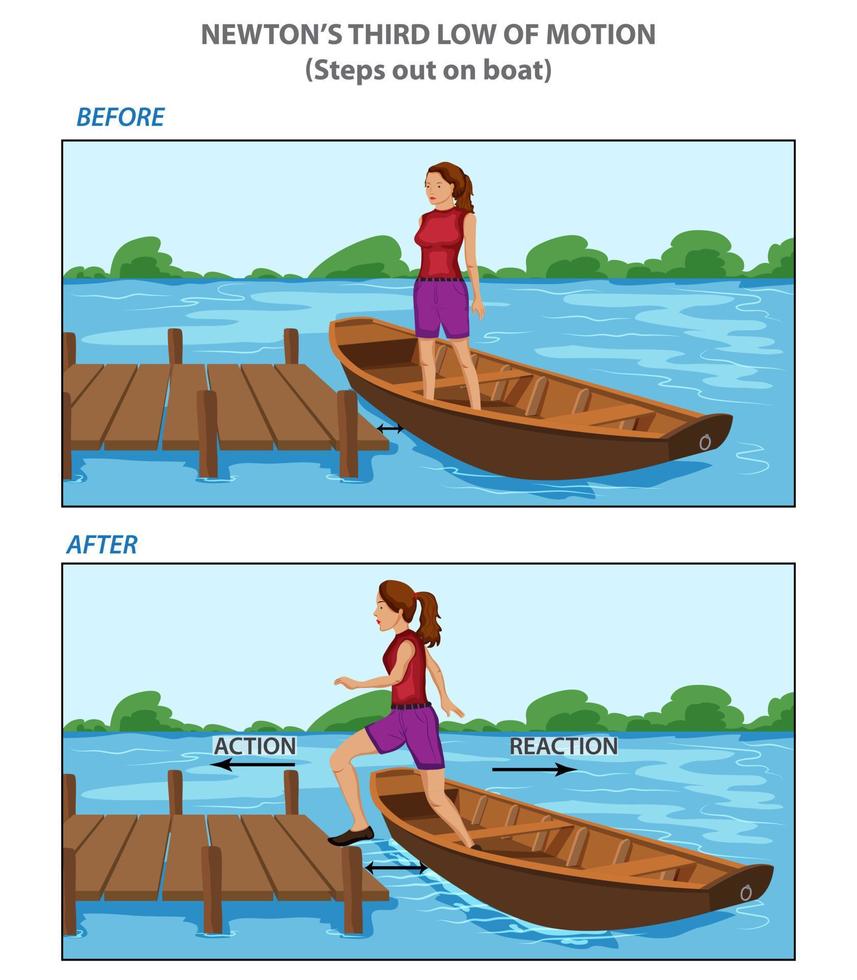
For every action, there is an equal and opposite reaction Forces always occur in pairs Action and reaction forces act on different objects Examples: walking, swimming, rocket propulsion The forces are equal in magnitude but opposite in direction

Force Diagrams and Free Body Diagrams

Key Takeaways and GCSE Success
Forces cause changes in motion (Newton's Laws) Always identify force types and directions Practice F = ma calculations regularly Master free body diagrams for problem solving Connect physics concepts to real-world examples Review past paper questions on forces