Flowers and Pollination in Plants
Year 7 Science Understanding Plant Reproduction Key Stage 3 Biology
WALT - We Are Learning To
Identify the main parts of a flower and describe their functions Explain how pollination occurs and why it is important for plant reproduction Explore different methods of pollination (insect and wind) Complete activities to demonstrate our understanding

Parts of a Flower
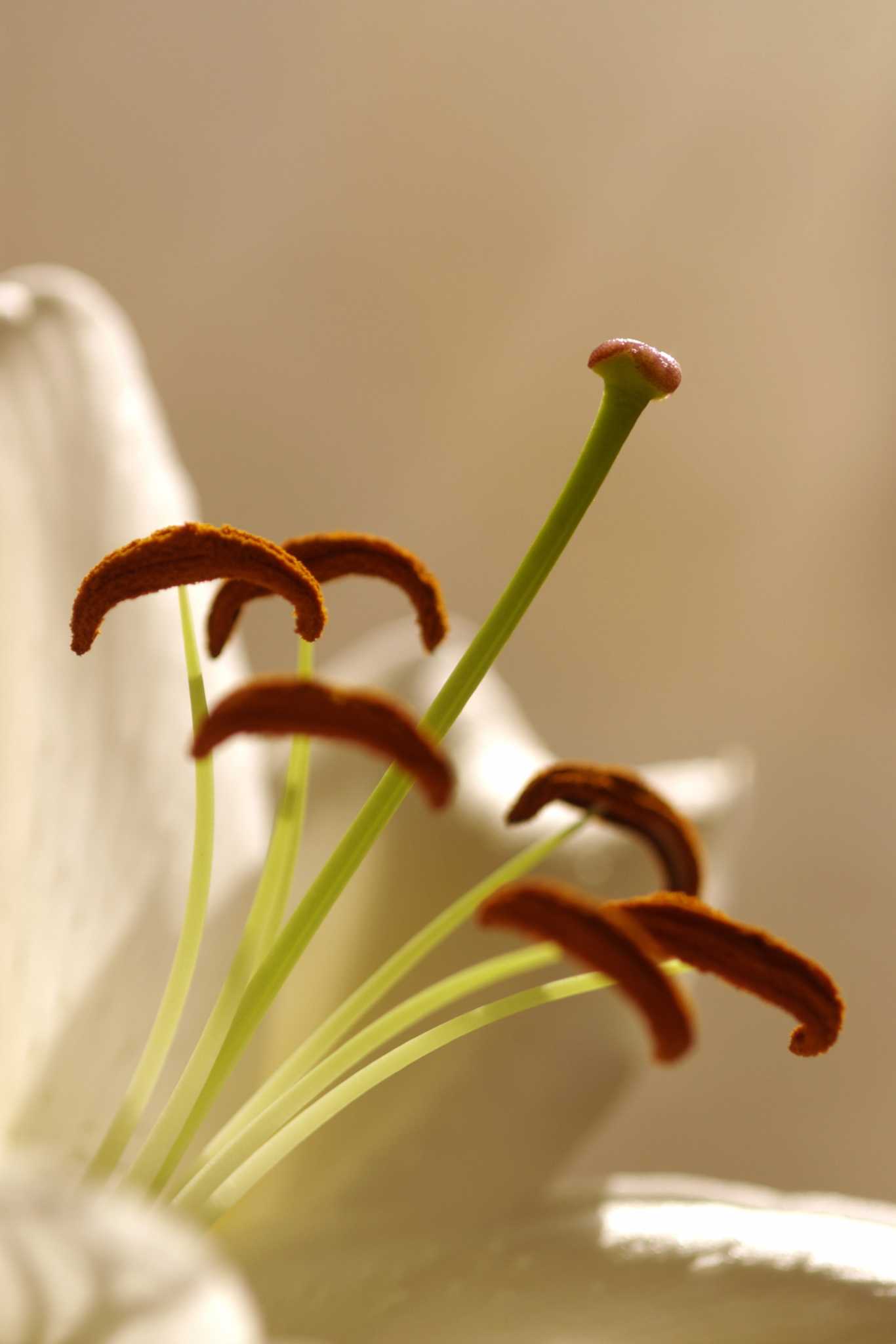
Petals - attract pollinators with color and scent Stamen - male part containing anther and filament Anther - produces pollen grains Pistil - female part containing stigma, style, and ovary Stigma - receives pollen during pollination Ovary - contains ovules that become seeds

Think-Pair-Share
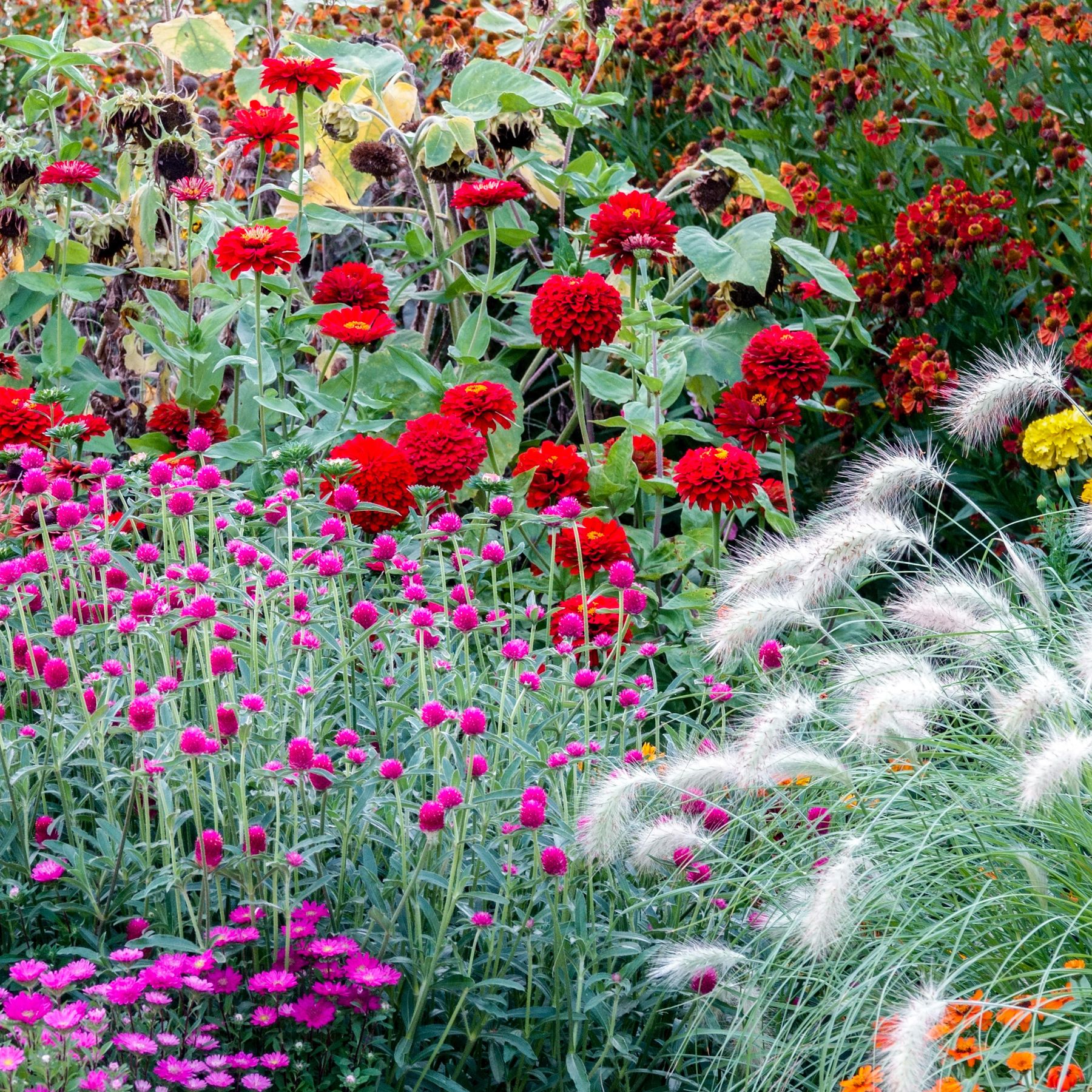
Why do you think flowers are often brightly colored and sweet-smelling? Discuss with your partner for 2 minutes Be ready to share your ideas with the class
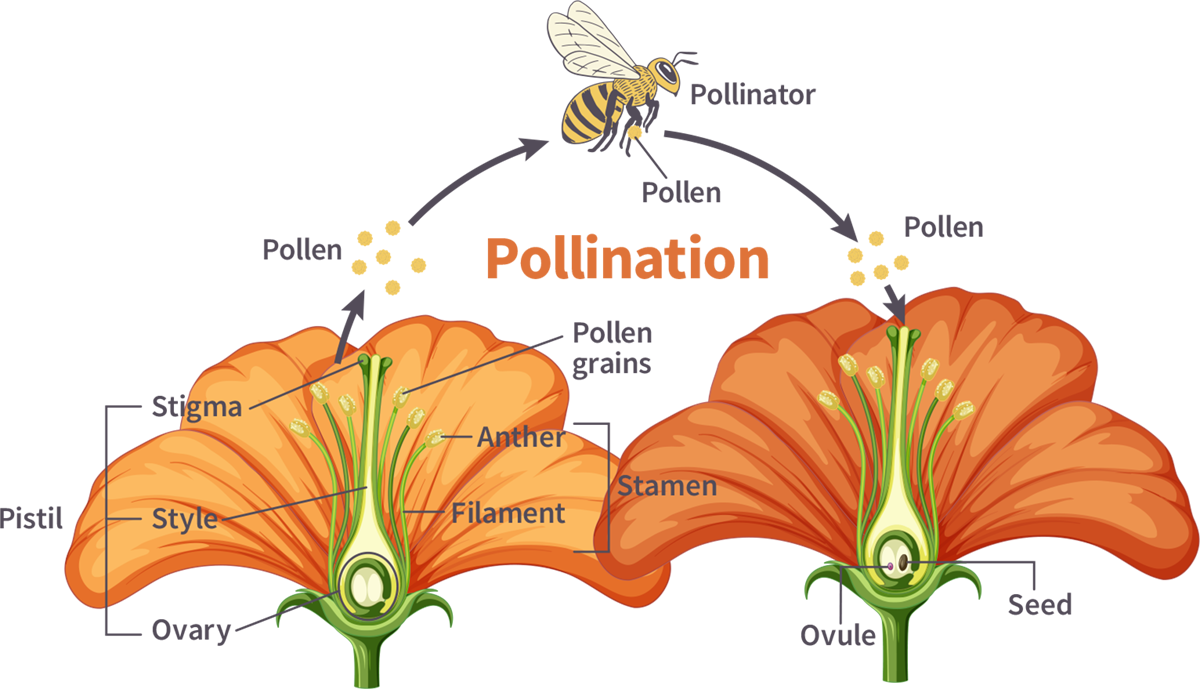
What is Pollination?
Types of Pollination
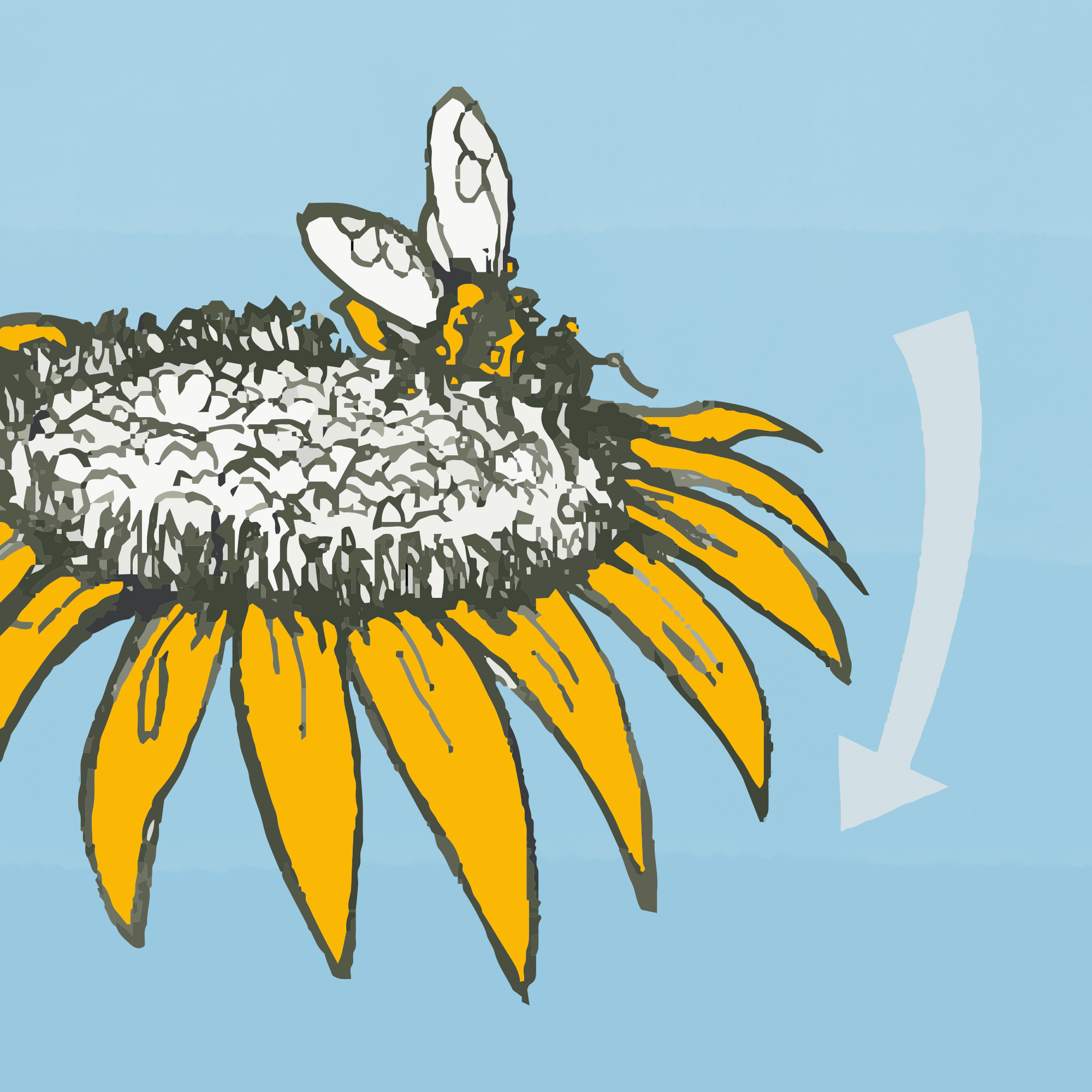
{"left":"Insect Pollination\nBright colored petals\nSweet scent and nectar\nSticky pollen grains\nExamples: roses, sunflowers","right":"Wind Pollination\nSmall, dull colored flowers\nNo scent or nectar\nLight, dry pollen\nExamples: grasses, oak trees"}

Worksheet Time
Complete your differentiated worksheet Core: Label flower parts and answer questions Support: Use sentence starters and vocabulary bank Extension: Create your own pollination diagram Work individually or in pairs Teacher will circulate to help
Success Criteria Check
Can you label the main parts of a flower? Can you explain what pollination is? Can you describe how flowers attract pollinators? Can you give examples of insect and wind pollination? Extension: Research local pollinators for homework