Finding Range in Numbers
A Year 6 Mathematics Adventure Discovering the Spread of Data

What Do You Notice?
Look at these two groups of children's heights: Group A: 120cm, 125cm, 130cm Group B: 100cm, 125cm, 150cm What's different about these groups?

What is Range?
Range tells us the SPREAD of our data It shows the difference between the biggest and smallest numbers Range = Highest value - Lowest value It's like measuring how far apart the numbers are!
Let's Find the Range Together!
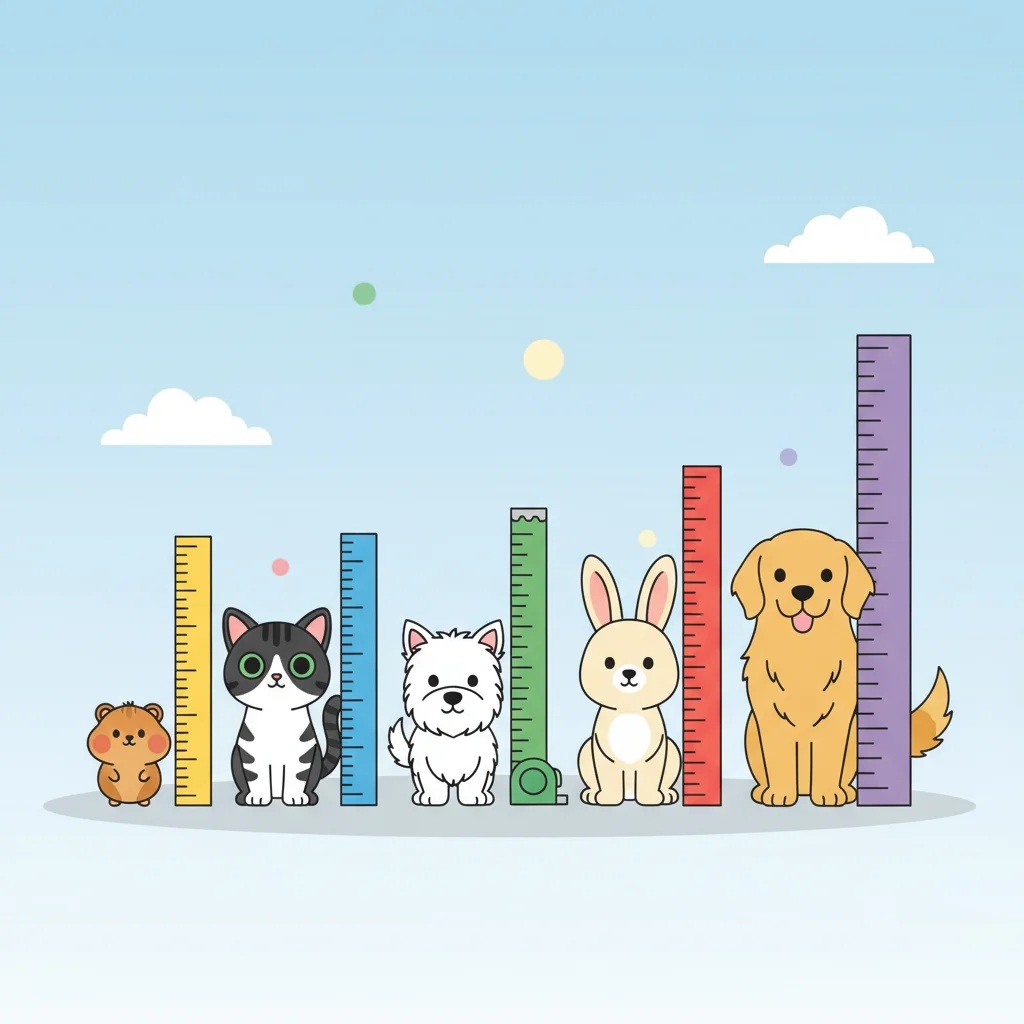
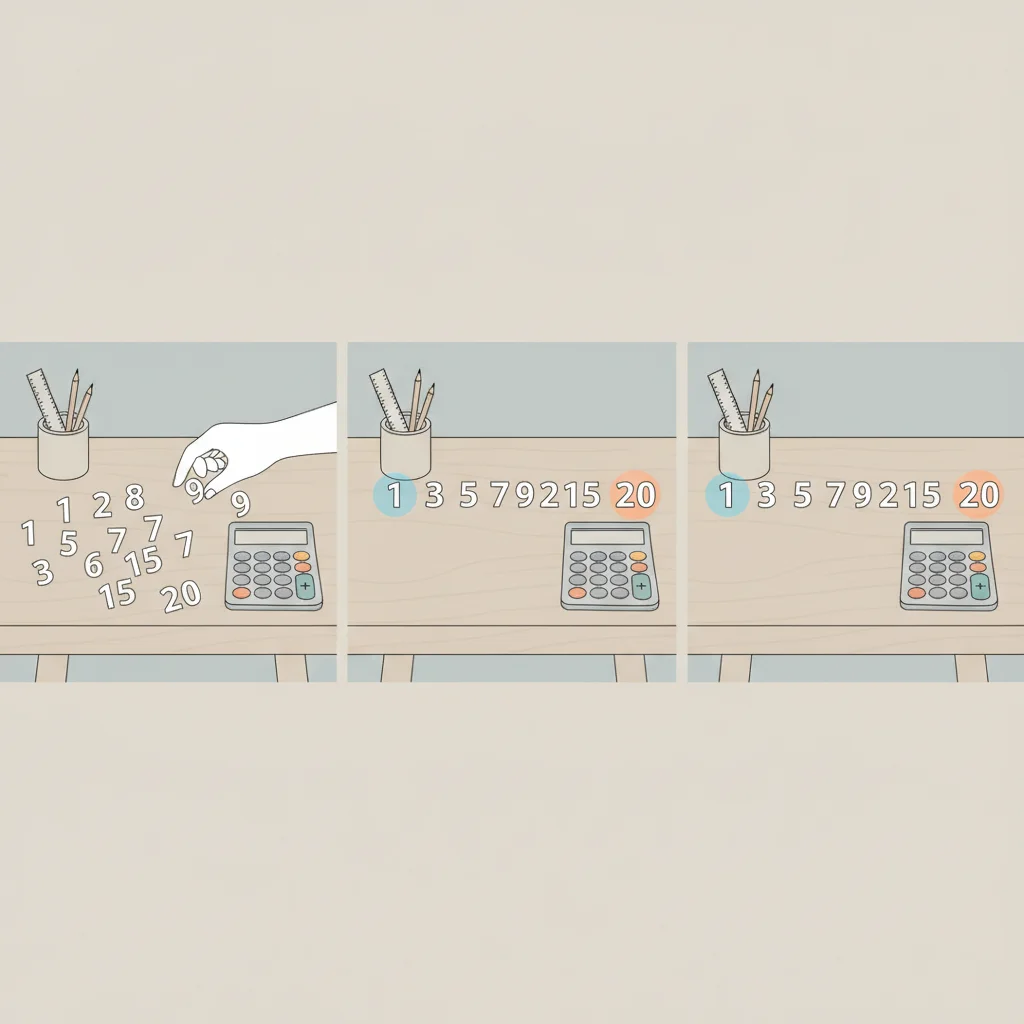
Pet Heights: 15cm, 8cm, 23cm, 12cm, 18cm Step 1: Put numbers in order Step 2: Find highest and lowest Step 3: Subtract: Highest - Lowest
Step-by-Step Method
{"left":"1. Write down all the numbers\n2. Arrange them in order (smallest to largest)\n3. Circle the highest number","right":"4. Circle the lowest number\n5. Subtract: Highest - Lowest\n6. Write your answer with units!"}

Your Turn: Football Scores
Goals scored by your team this season: 3, 1, 4, 2, 0, 5, 1, 3 Can you find the range? Remember: Order first, then subtract!

Think About It
If all the numbers in a set are the same, what would the range be? Example: 7, 7, 7, 7, 7 Why do you think this happens?

Real-Life Examples
Weather: Daily temperatures in a week Sports: Heights of basketball players School: Test scores in your class Nature: Lengths of different leaves Range helps us compare how 'spread out' things are!

Challenge: Book Pages
Pages in books on your shelf: 156, 89, 203, 134, 178, 95, 167 What's the range? Bonus: Which book is thickest? Thinnest?

Large vs Small Range
{"left":"Large Range means:\nNumbers are spread far apart\nLots of variety in the data\nBig difference between highest and lowest","right":"Small Range means:\nNumbers are close together\nNot much variety in the data\nSmall difference between highest and lowest"}

Quick Quiz
Find the range for each set: Set A: 12, 15, 9, 18, 11 Set B: 25, 30, 28, 26, 29 Which set has the larger range?

Remember
Range = Highest Value - Lowest Value Range tells us how spread out our numbers are The bigger the range, the more spread out the data! Always include units in your answer