
Exploring Word Meaning: Denotation vs Connotation
Year 8 English Understanding how words work beyond their dictionary definitions Focus words: 'flaking' and 'faded'

Learning Objectives & Success Criteria
Define denotation and connotation with examples Differentiate between denotation and connotation of 'flaking' and 'faded' Explain how word choice affects tone and meaning Create sentences showing awareness of both meanings Success: I can explain what each term means and use examples confidently
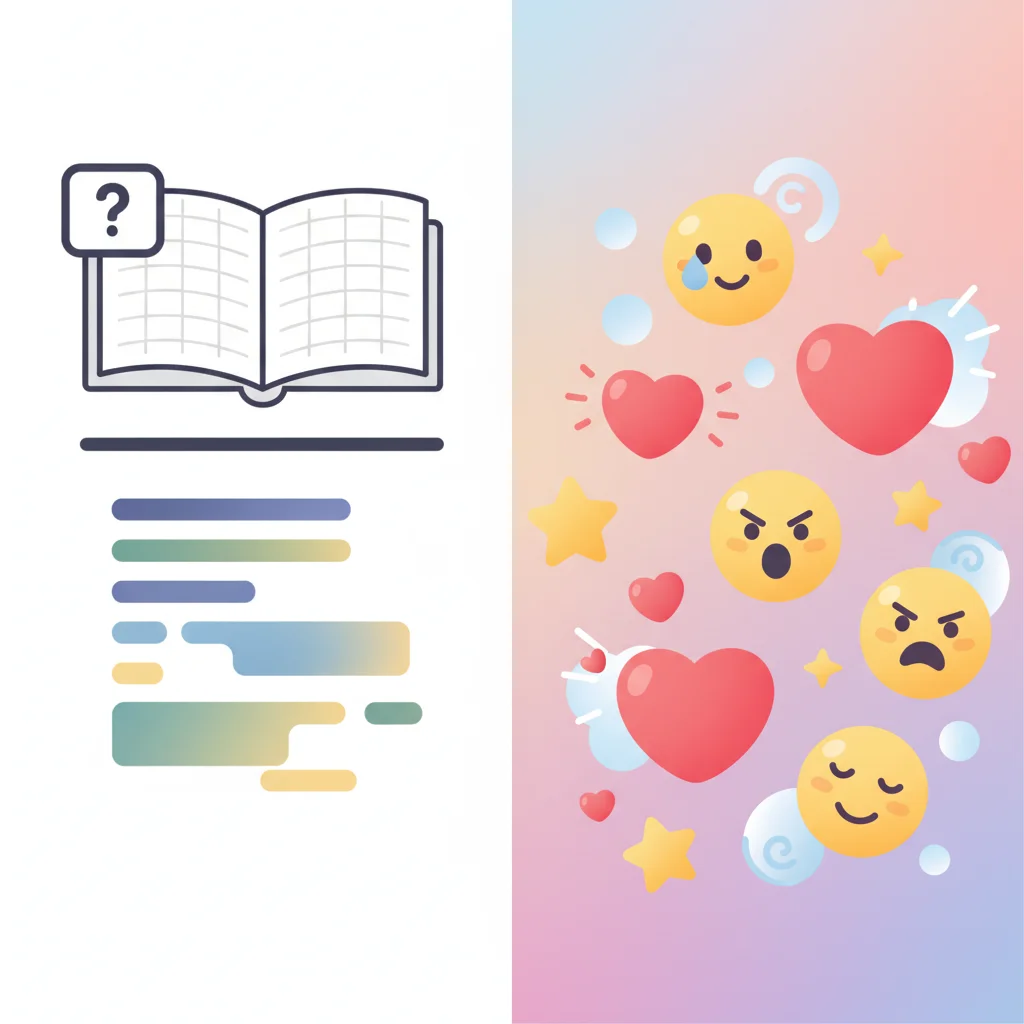
Denotation vs Connotation: The Basics
{"left":"Denotation = Dictionary meaning\nThe literal, factual definition\nSame for everyone\nExample: 'Home' = a place where someone lives","right":"Connotation = Feelings and ideas\nWhat the word suggests beyond its definition\nCan vary between people\nExample: 'Home' = warmth, safety, belonging, family"}
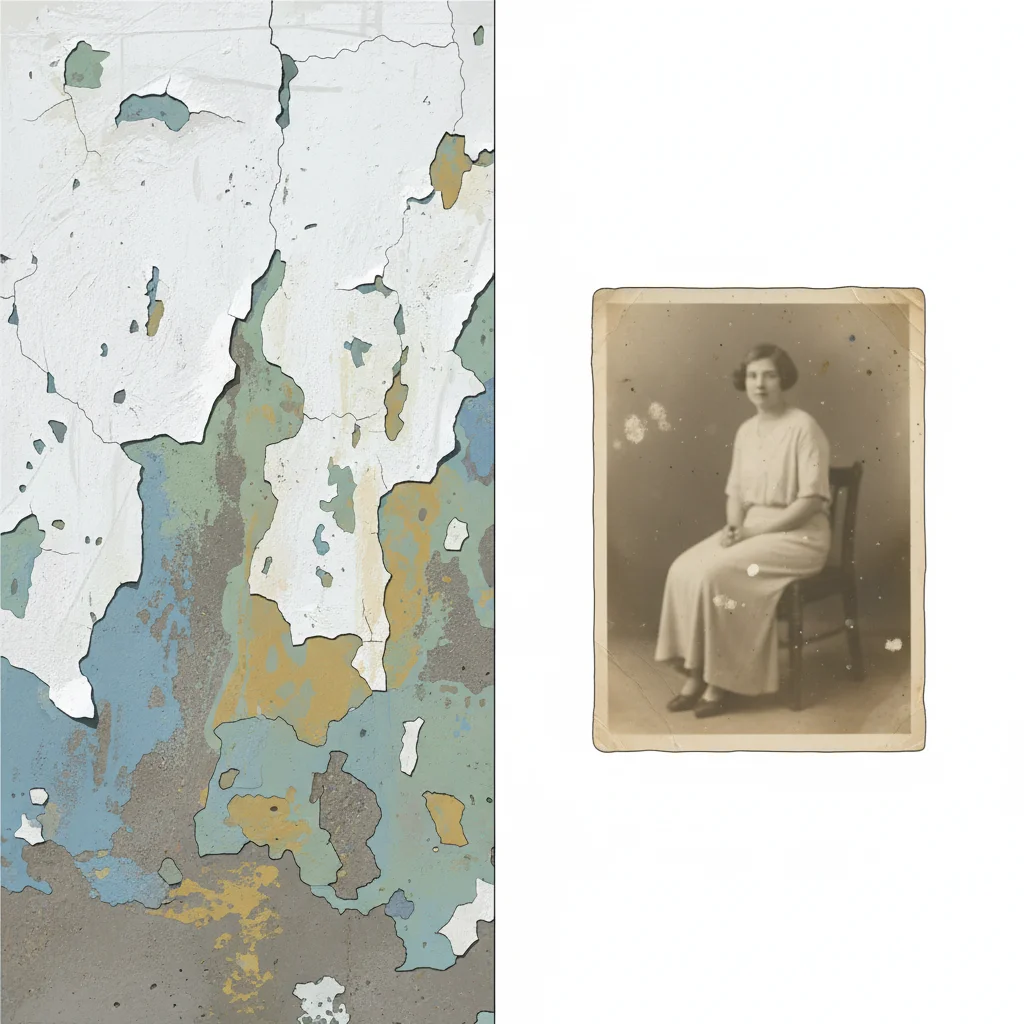
Exploring 'Flaking' and 'Faded'
FLAKING - Denotation: Coming off in small pieces or layers FLAKING - Connotations: Deterioration, neglect, something fragile or brittle FADED - Denotation: Lost brightness, color, or strength FADED - Connotations: Age, loss, being worn down, memories Paired Discussion: What images come to mind with each word?
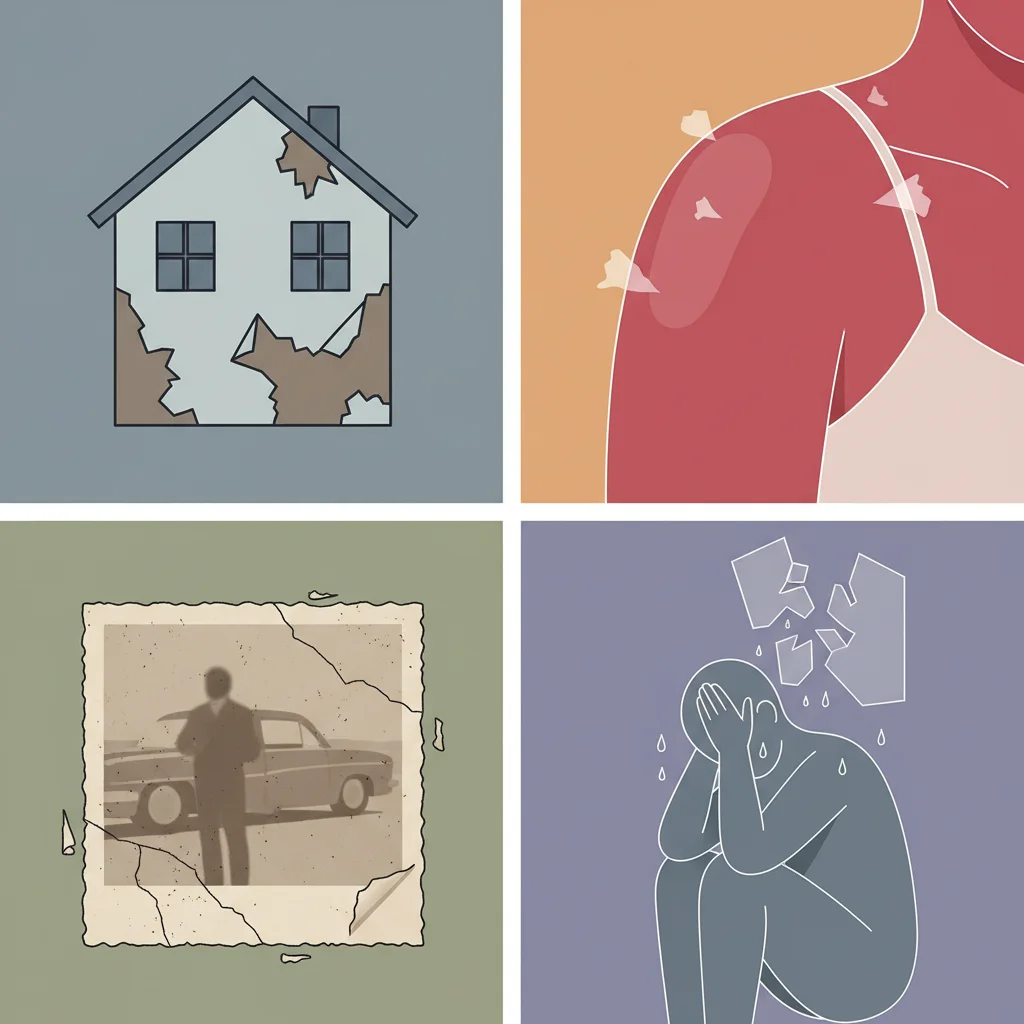
How Do Connotations Change Meaning?
Compare these sentences: 'The paint was flaking off the house' vs 'Her skin was flaking after sunburn' 'The photograph had faded' vs 'His hopes had faded' Discussion: How does context change the feeling of each word? Think-Pair-Share: Which uses feel more positive or negative?
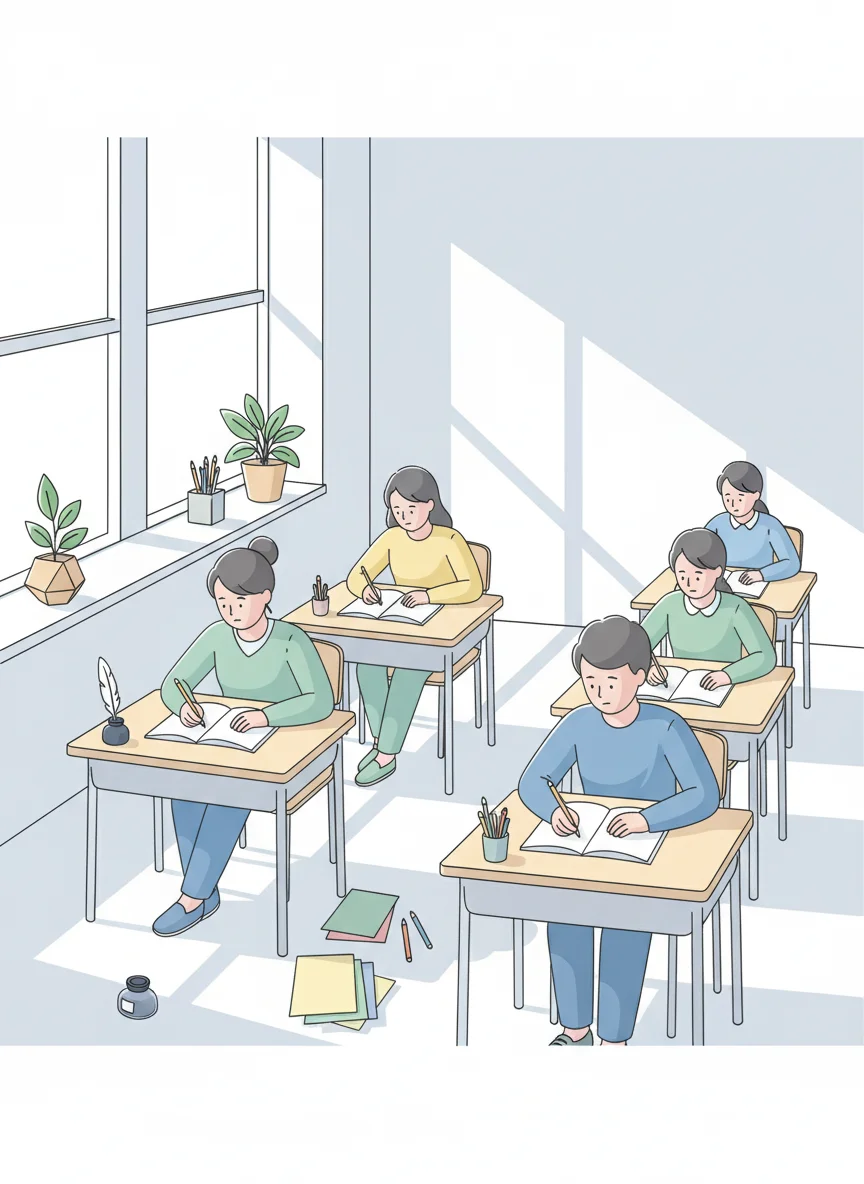
Your Turn: Creative Application
Differentiated Tasks: Foundation: Complete the chart with word, denotation, connotation, and sentence Developing: Write original sentences showing both meanings Mastery: Create a paragraph using both words with contrasting connotations Extension: Find other words with strong connotations (slim vs skinny, childlike vs childish) Remember: Show you understand both the literal meaning AND the feelings each word creates