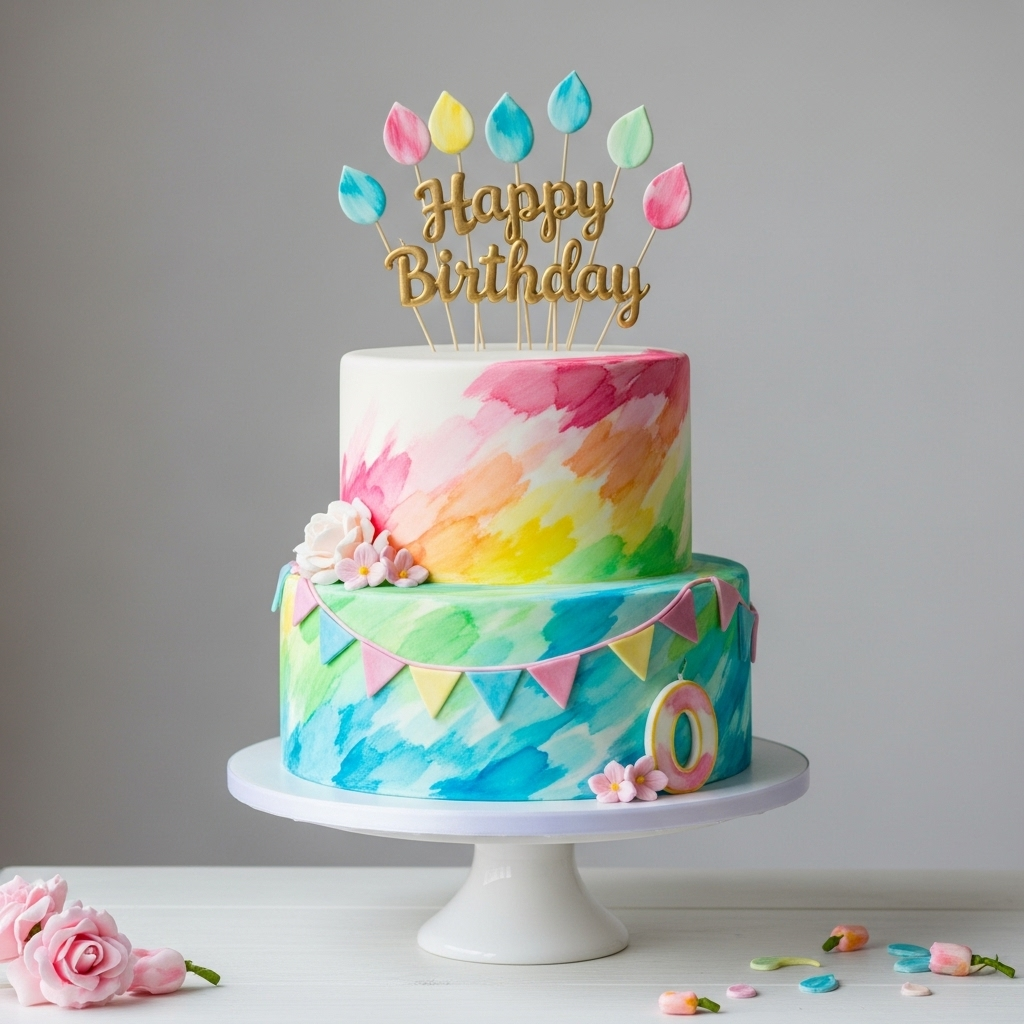
Exploring Colour & Texture
Year 7 Art and Design Wayne Thiebaud's Artistic Techniques 60-minute lesson

Meet Wayne Thiebaud
American artist born 1920 Famous for painting everyday objects Specialised in cakes, pies, and pastries Part of the Pop Art movement Known for vibrant colours and thick paint

Thiebaud's Masterpieces
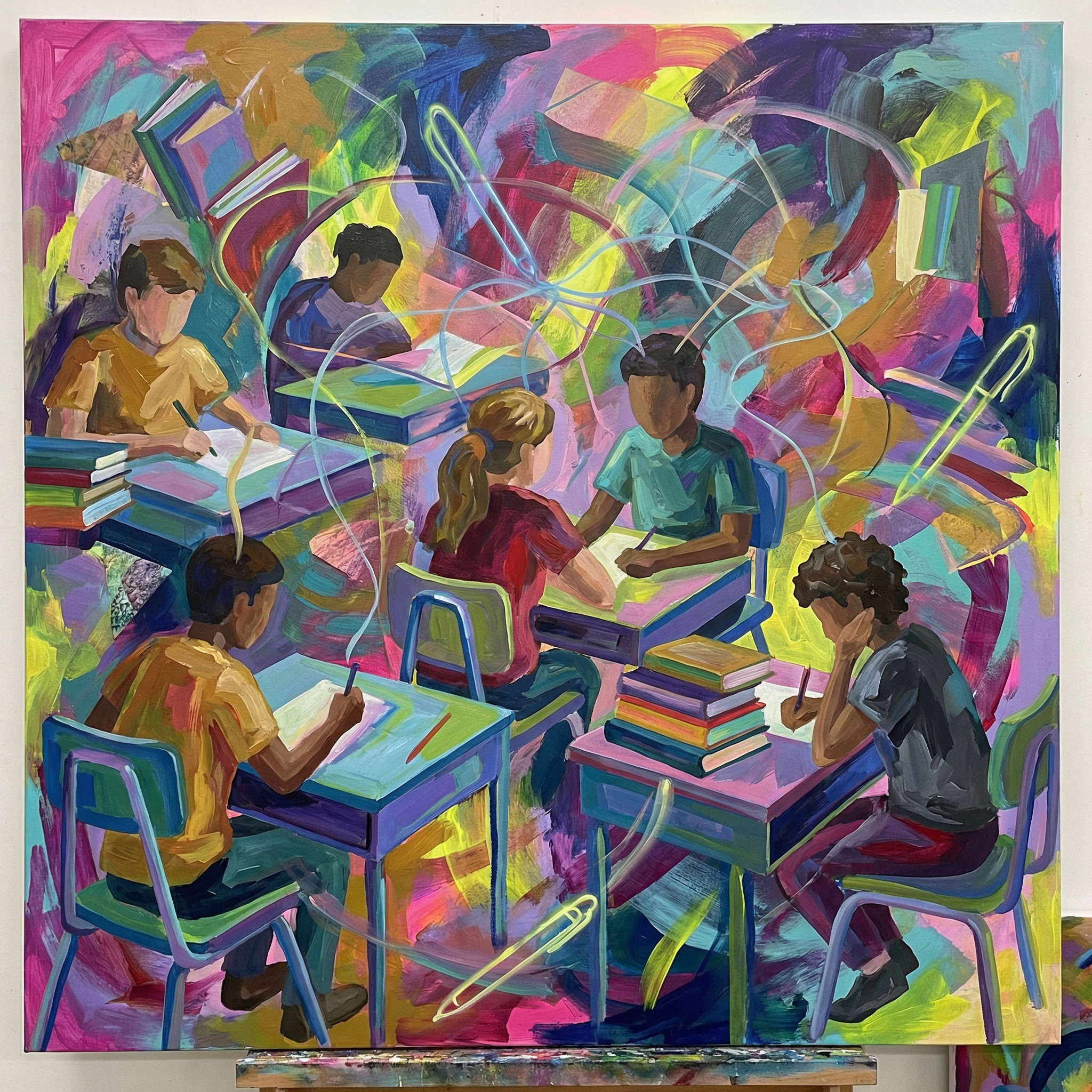
Art Analysis Challenge
Work in pairs Choose one Thiebaud painting Analyse colour relationships Identify texture techniques Note compositional elements Share findings with class

Understanding Colour Theory
Primary colours: Red, Blue, Yellow Complementary colours: Opposite on colour wheel Analogous colours: Next to each other Tonal variations: Light and dark versions Thiebaud uses bold, saturated colours
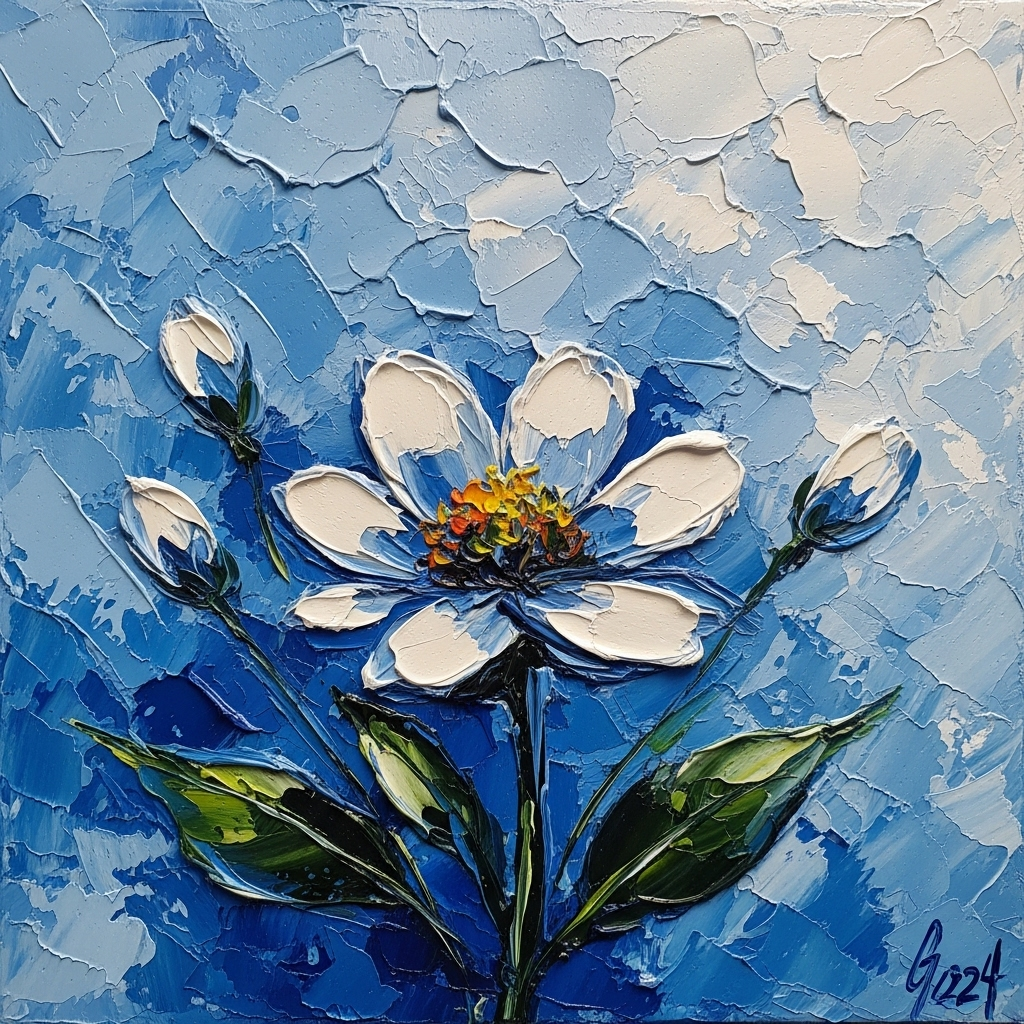
Thiebaud's Colour Secrets
{"left":"Uses complementary colours for dramatic shadows\nBlue and purple shadows on yellow cakes\nCreates vibrant, unnatural lighting effects\nApplies colour theory to everyday objects","right":"Bright colours: Pure reds, blues, yellows\nThick paint application (impasto)\nColours appear to glow and pop forward\nCreates sense of artificial lighting"}
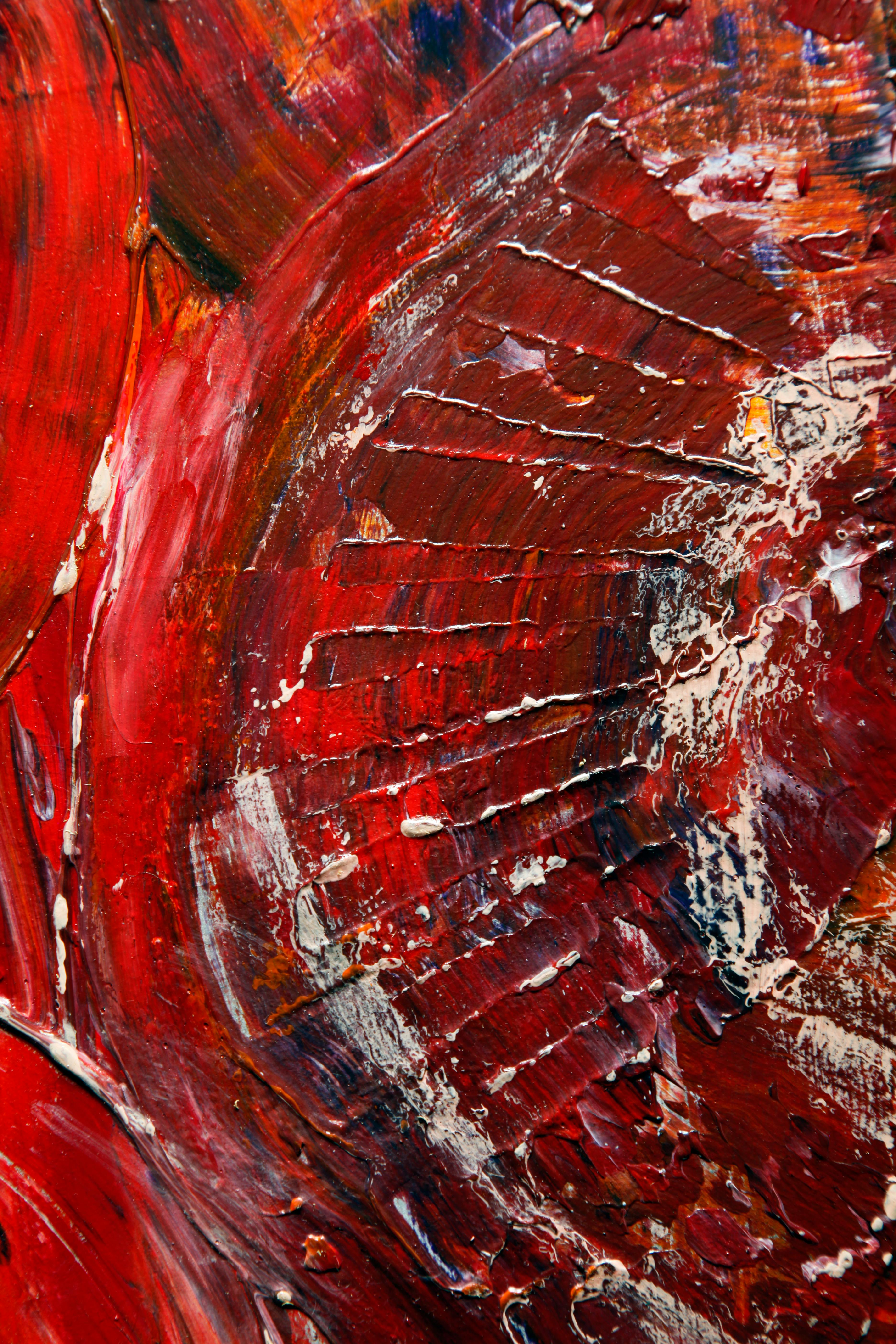
Texture Techniques
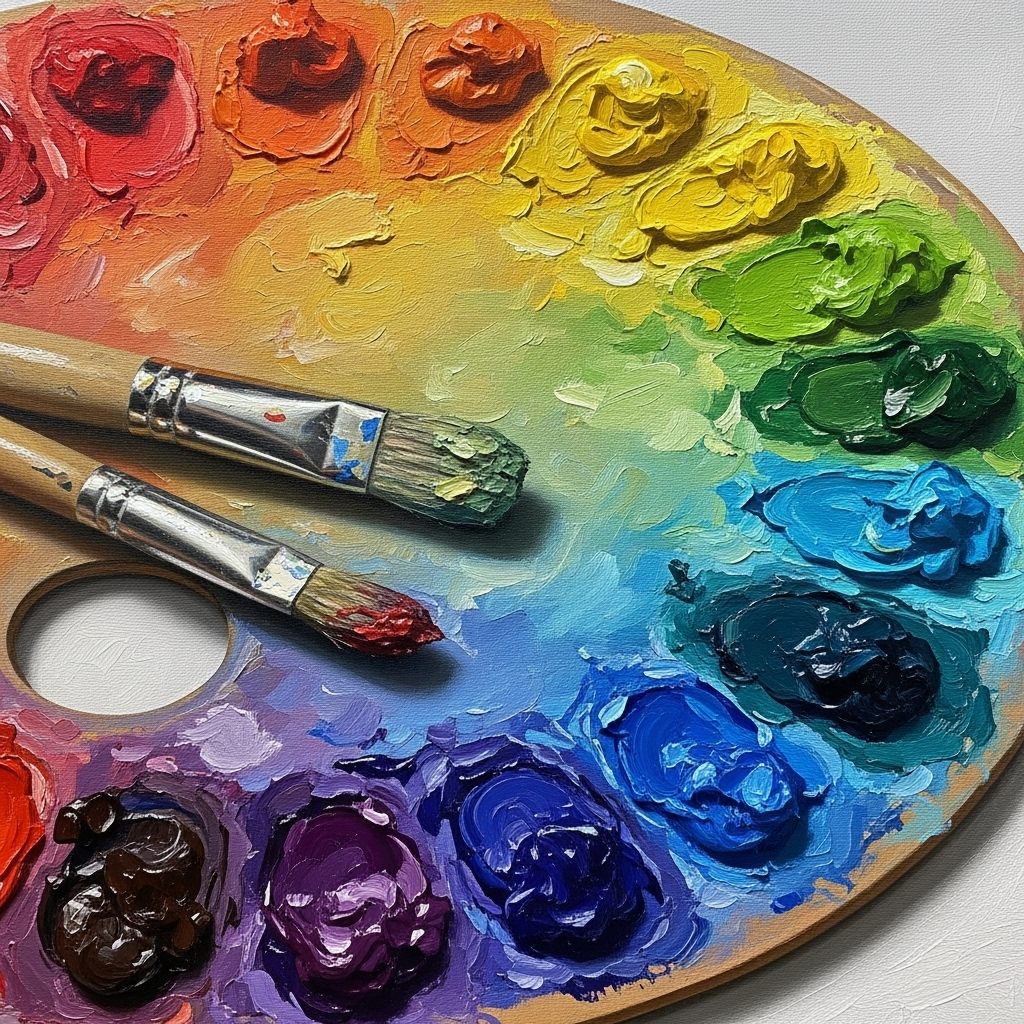
Impasto: Thick paint application Scumbling: Broken colour technique Layering: Building up paint surfaces Palette knife work: Creating ridges Brush marks: Visible texture Creates 3D surface effects
Colour Mixing Practice
Mix complementary colour pairs Create tonal variations Practice impasto technique Experiment with palette knives Test scumbling effects Record successful combinations

Composition in Still Life
Arrange objects thoughtfully Consider foreground and background Use overlapping for depth Create visual balance Think about negative space Plan your focal point

Create Your Thiebaud Artwork
Plan your composition sketch Choose your colour palette Apply thick paint techniques Use complementary shadows Build up texture layers Work independently
Artist's Reflection
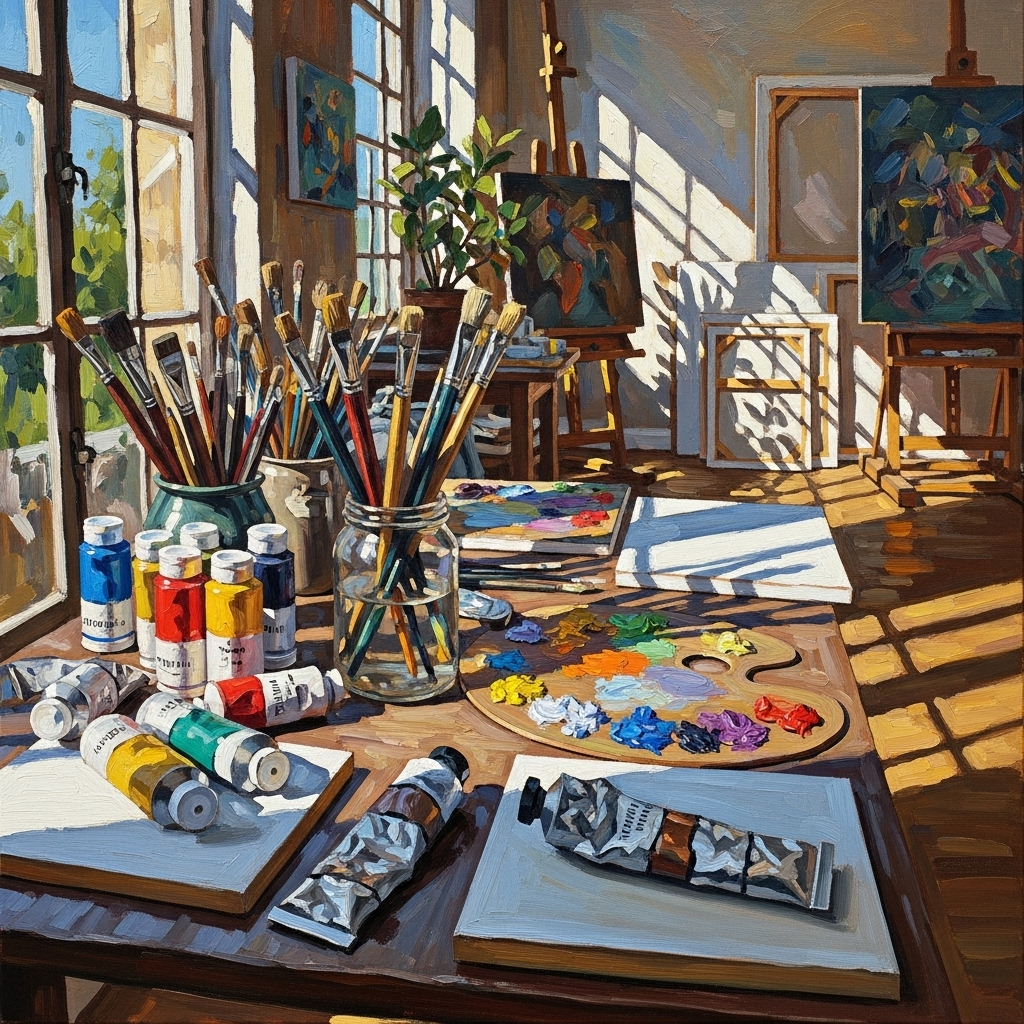
"I'm not just interested in the object itself, but in the way light falls on it and the shadows it creates. The paint should feel as rich and thick as the frosting on a real cake." - Inspired by Wayne Thiebaud's approach

Quiz: Test Your Knowledge
1. Name two objects Thiebaud commonly paints 2. What is impasto technique? 3. Give an example of complementary colours 4. How does Thiebaud use shadows differently? 5. Why is composition important in still life? 6. What effect does layering paint create? 7. Define 'tonal variation' 8. How does scumbling create texture? 9. Why analyse other artists' work? 10. What makes Thiebaud's style unique?