Exploring Atomic Structure and Particles
Year 9 Science Understanding the Building Blocks of Matter
What Do You Already Know About Atoms?
Think about what you've heard before What makes up an atom? Where do we find atoms?

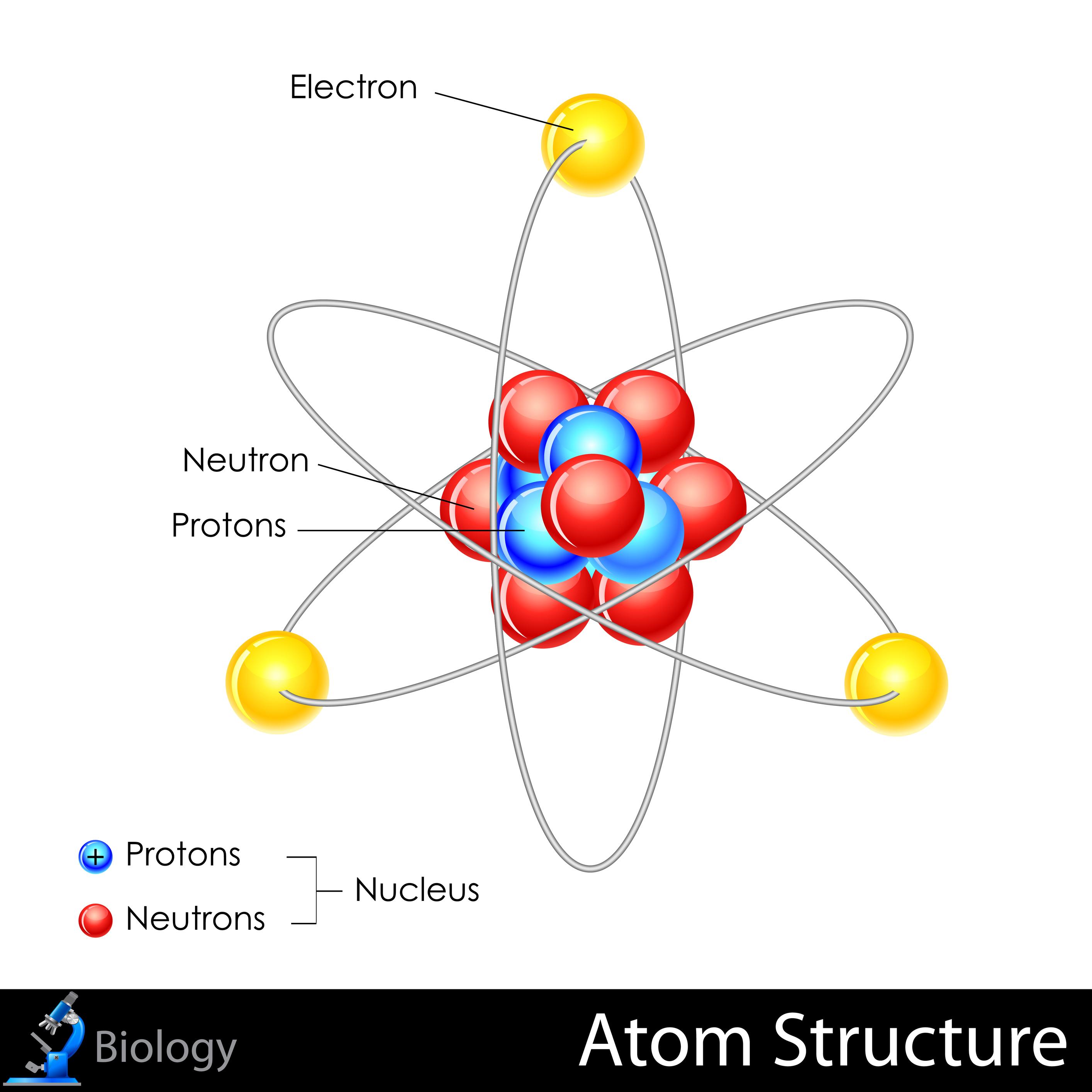
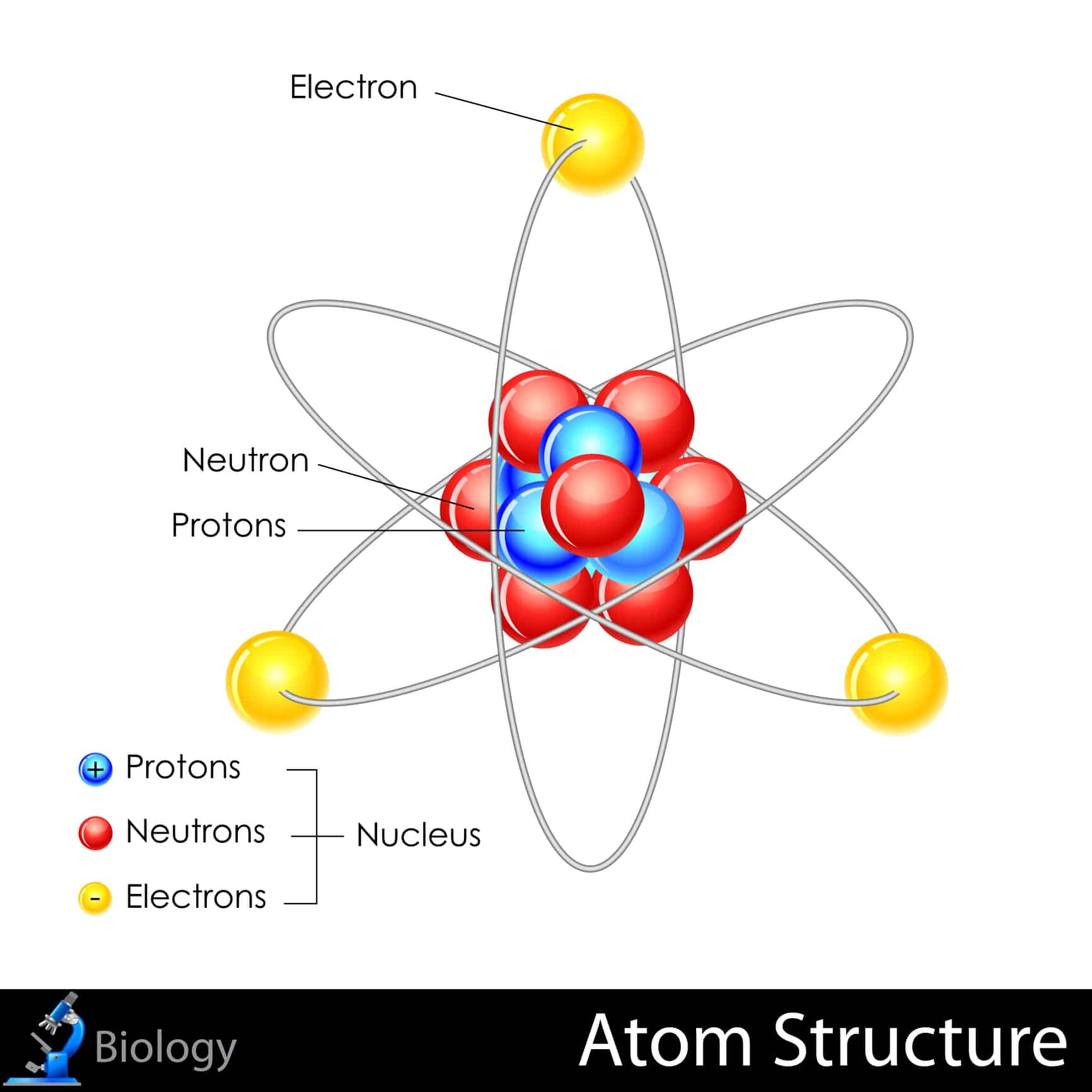
The Structure of an Atom
Nucleus at the center contains protons and neutrons Electrons orbit around the nucleus in shells Protons have positive charge (+) Neutrons have no charge (neutral) Electrons have negative charge (-)
Atomic Number vs Mass Number
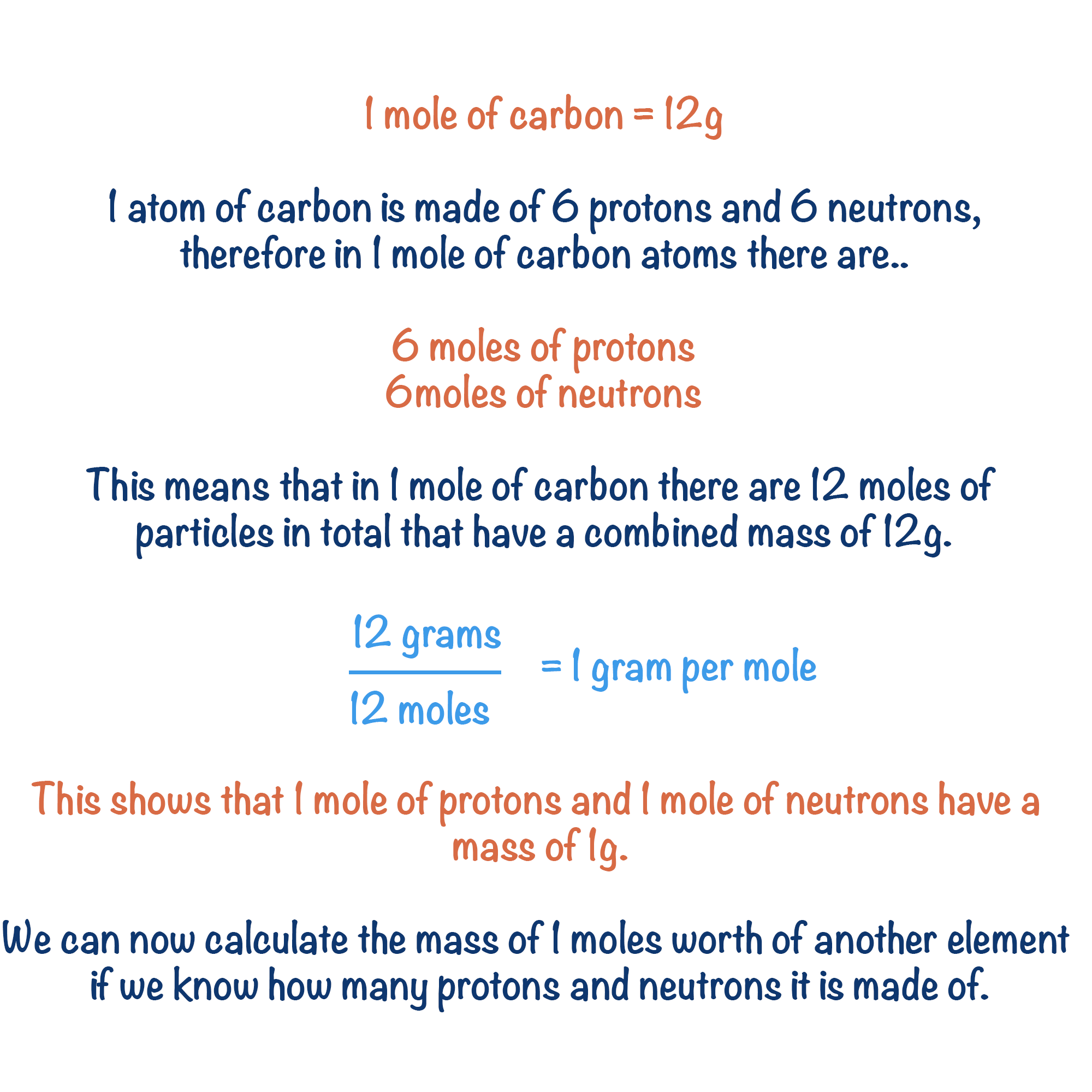
{"left":"Atomic Number\nNumber of protons in the nucleus\nDetermines the element's identity\nNever changes for an element","right":"Mass Number\nProtons + Neutrons\nCan vary for the same element\nWritten as superscript notation"}

What Are Isotopes?
Same element with different numbers of neutrons Same atomic number, different mass numbers Example: Carbon-12 vs Carbon-14 Used in medicine and archaeology Some isotopes are radioactive

Electron Shell Activity
First shell holds maximum 2 electrons Second shell holds maximum 8 electrons Third shell holds maximum 8 electrons Fill shells from innermost to outermost Draw electron arrangements for given elements
Building Atomic Models
Key Learning Summary
Atoms are the building blocks of all matter, made up of protons, neutrons, and electrons arranged in a specific structure that determines an element's properties.